Running Bond 4x16 Subway Tile
Running
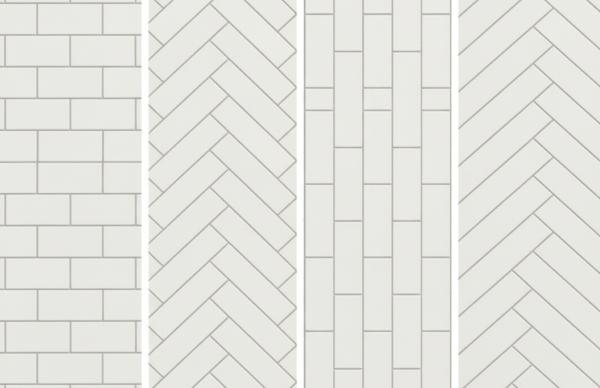
bond 4x16 subway tile is a staggered brick-like pattern where each tile offsets
by half its length (2 inches) from the row above, creating horizontal visual
flow. This classic layout uses 4-inch by 16-inch elongated tiles installed in
offset rows, making spaces appear wider while reducing visible grout lines
compared to smaller formats. The pattern works for kitchen backsplashes,
bathroom walls, shower surrounds, and fireplace surrounds in both residential
and commercial settings.
Key installation requirements include level reference
lines, consistent grout spacing, and 10-15% material overage for cuts. Material
options include ceramic (affordable, easy maintenance), porcelain (durable,
moisture-resistant), and glass (luminous but requires precise installation). At
Nova Tile and Stone, this format has become popular for balancing traditional
brick aesthetics with contemporary proportions.
3 Benefits of this tile
Choose from our subway tile collection
Nova Tile and Stone offers an extensive selection of ceramic, porcelain, marble, and mosaic tiles that can be shopped by color, type, size, or style, along with natural stone slabs for countertops and surfaces. The company features curated collections including Lucida (3x9 glossy subway tiles), Terrazzo (24x24 porcelain in 7 colors), Paradise (concrete-look tiles with earthy tones), and Perfection (vibrant ceramic subway tiles). One of our standout benefits is the $1 sample program with FREE shipping on all online sample orders customers receive 4"x4" samples cut to order so they can see the actual product before purchasing. Delivery options include home shipping or pickup at our four brick-and-mortar locations in Reno, Minden, Sacramento, and Fernley, complemented by free design consultations with experts and 100% U.S.-based customer service,
Connect with us on social media
Understanding the Appeal of This Timeless Pattern
This staggered layout mimics the construction of brick
walls, where each piece offsets by half its length from the row above and
below. The elongated dimensions enhance the horizontal flow, making walls
appear wider and spaces feel more expansive. Unlike grid arrangements that can
feel rigid, this configuration introduces gentle rhythm without overwhelming
the eye.
Whether you're updating a kitchen
backsplash or covering an entire bathroom wall, this arrangement provides
visual interest through its offset geometry rather than relying on complex
designs or bold colors. The generous size reduces grout lines for a cleaner,
more streamlined appearance.
Installation Considerations and Design Applications
Proper execution of this layout requires careful planning to
ensure consistent offset alignment throughout the installation. The installation
process demands attention to spacing, with
consistent grout joints being essential to the overall aesthetic.
Many
designers choose to orient these pieces horizontally to emphasize width, though
vertical applications can create striking effects in spaces with high ceilings.
The format works exceptionally well in areas where durability meets design,
such as shower surrounds, fireplace surrounds, and high-traffic commercial
spaces.
Color selection plays a significant role in the final appearance lighter
shades can make compact spaces feel airy, while darker tones add depth and
drama.
Selecting the Right Materials and Planning Your Project
The material composition significantly impacts both
appearance and performance. Ceramic options offer affordability and ease of
maintenance, while porcelain provides enhanced durability and moisture
resistance for demanding applications.
Finish selection equally influences the
character of your space glossy surfaces reflect light and create vibrant
environments, while matte finishes deliver subtle sophistication. Our
collection includes various textures and sheens to accommodate different
aesthetic preferences. The size options
available in elongated formats provide flexibility in achieving your desired
proportions.
Accurate measurement prevents material waste, so calculate square
footage by multiplying wall height by width, then add 10-15% for cuts and
future repairs. Understanding how pieces align within your chosen pattern
helps determine optimal starting points and minimizes awkward cuts at corners
and edges.
Frequently Asked Questions
This arrangement staggers each row by half the tile length, creating a brick-like pattern with offset joints rather than aligned vertical lines, which adds visual movement and traditional character.
While primarily used for walls, this layout can work on floors in low-traffic areas, though you'll want to ensure proper slip resistance and consider how the elongated format affects the flow of floor space.
Grout color dramatically impacts the overall look contrasting grout emphasizes the pattern geometry, while matching grout creates a more seamless, unified surface that downplays the individual pieces.
Outside corners typically require precise cuts at 45-degree angles for a clean finish, while inside corners can be handled with straight cuts, using trim pieces or careful planning to maintain pattern continuity.
Absolutely the horizontal emphasis can actually make compact spaces feel larger, and the reduced number of grout lines compared to smaller formats creates a less busy appearance that works well in confined areas.