Natural stone finishes determine how a surface looks, feels, and performs in any space. The most common types include polished, honed, leathered, satin, and matte, each offering distinct visual and functional qualities. A polished finish creates a glossy, reflective surface that deepens color and highlights veining. A honed finish produces a smooth, matte look with no shine, ideal for high-traffic areas. Leathered finishes add subtle texture while concealing fingerprints and smudges. Satin finishes offer a gentle luster between honed and polished. Matte finishes are completely non-reflective and suit minimalist or industrial interiors. Choosing the right stone finish depends on the space, lighting conditions, maintenance preferences, slip resistance needs, and overall design style. Most natural stone surfaces also require sealing to improve stain resistance, with resealing recommended every one to two years.
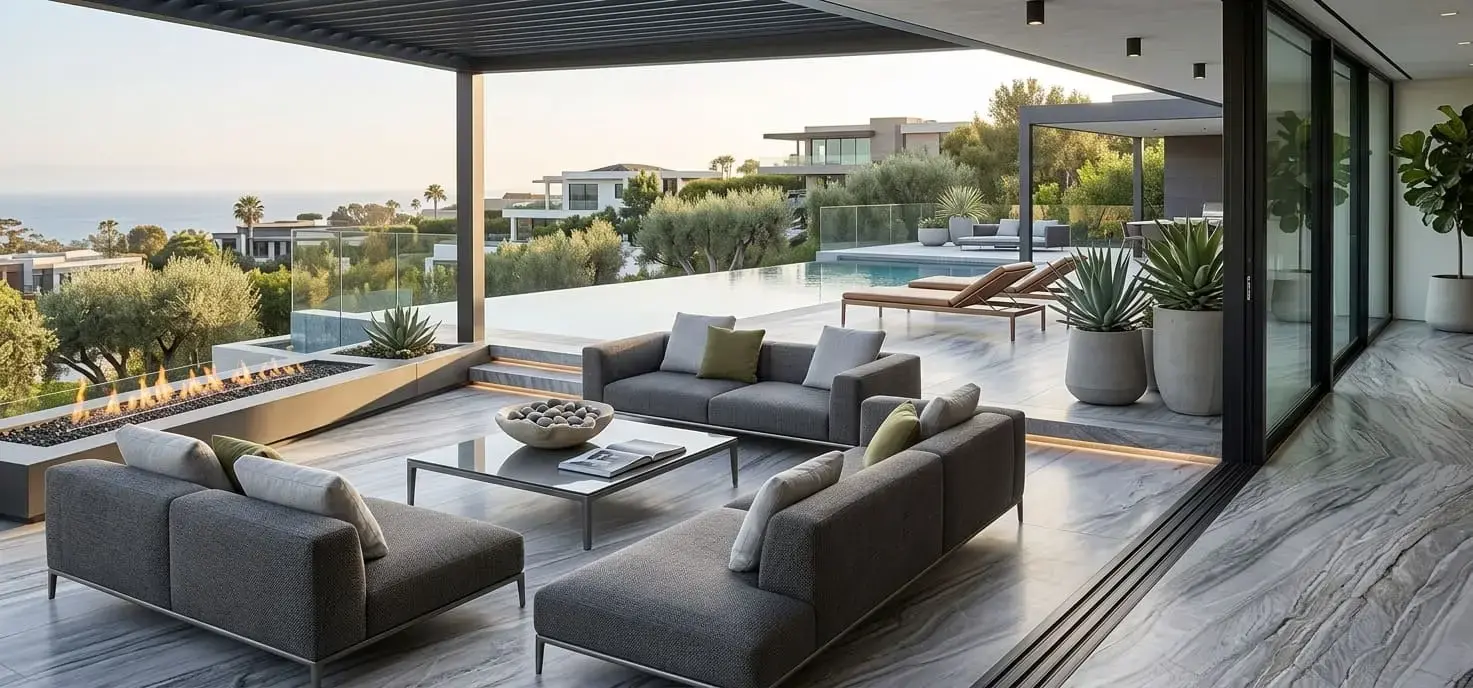
What Is a Stone Finish?
A stone finish is the final surface texture applied to natural stone. It influences sheen, feel, reflectivity, and overall functionality of the surface. While the stone itself provides the foundation, the finish adds personality and character. It shapes whether a surface feels soft, velvety, or crisp and reflective. Many stone finish types are available today through specific mechanical processes. These include polishing, honing, brushing, and other surface treatments. Finishes go beyond style and also impact grip, durability, and maintenance. The right texture enhances how a surface performs in everyday use. For a hands-on look at available options, you can browse the live slab inventory at Nova Tile and Stone to see real finishes across a wide material selection.
Why Stone Finishes Are Important to Understand
Not all finishes perform the same way across different spaces. Some enhance color and natural movement within the stone beautifully. Others tone down the pattern for a more subtle, refined look. Choosing the right finish shapes the entire character of your space. Here is how finishes impact both style and practical performance:
- Polished surfaces are easy to wipe clean and maintain
- Matte finishes hide fingerprints but can be slightly more porous
- Some finishes suit high-traffic areas better than others
- Grip and slip resistance vary depending on the finish type
- The right finish depends on where the stone will be used
Matching the finish to your space makes a significant difference overall. It ensures your natural stone surface looks great and performs reliably long-term. Trusted resources on natural stone care and maintenance can also help you understand how different finishes hold up over time.
Common Stone Surface Finishes Explained
Natural stone surfaces come in a variety of finishes, each creating a distinct visual effect. The finish applied to natural stone greatly influences how it looks and feels in a space. Understanding each option helps homeowners and designers make smarter, more confident choices. Here is a quick look at the most recognized natural stone finishes available today:
- Polished — This finish produces the highest level of reflectivity on natural stone. It creates a smooth, glass-like surface that deepens color and highlights veining. Polished stone suits formal settings like bathroom vanities and kitchen surfaces. It also works beautifully as a wall accent or fireplace surround. The glossy effect adds an unmistakable sense of luxury to any room. If you are exploring polished options, absolute black granite countertop slabs offer a striking example of what a polished finish can achieve.
- Honed — A honed finish gives natural stone a smooth, matte appearance with no shine. It softens bold patterns and reduces visual brightness throughout the space. This option suits modern or transitional interiors particularly well. High-traffic areas like kitchen countertops benefit from its clean, glare-free look. The understated surface is both practical and visually appealing.
- Leathered — This finish adds subtle texture and a soft, low sheen to natural stone. It is more effective at concealing fingerprints and smudges than polished surfaces. The leathered look works well in kitchens, bathrooms, and on statement islands. It adds character and depth without feeling too formal or too glossy. It is a popular choice for those seeking richness with restraint.
- Satin — Sitting between honed and polished, satin offers a gentle luster. It feels silky smooth to the touch and elevates interior spaces with quiet elegance. Designers often use satin-finished natural stone in upscale residential projects. It delivers a refined look without feeling overly formal or shiny. Its growing popularity reflects a broader trend toward soft, sophisticated aesthetics.
- Matte — A matte finish is completely non-reflective and minimal in appearance. It allows the stone's natural beauty to stand on its own without added gloss. This finish pairs well with ultra-modern or industrial-style interiors. It creates a clean, quiet visual that lets architectural details take center stage. Matte-finished natural stone is ideal for those who prefer simplicity in design.
Each finish brings something different to a space, from high-gloss elegance to quiet, textured depth. Choosing the right one comes down to the overall design style, practical needs, and the kind of atmosphere you want natural stone to create. For a deeper dive into material options, the guide to stone countertops is a helpful reference for homeowners planning a project.
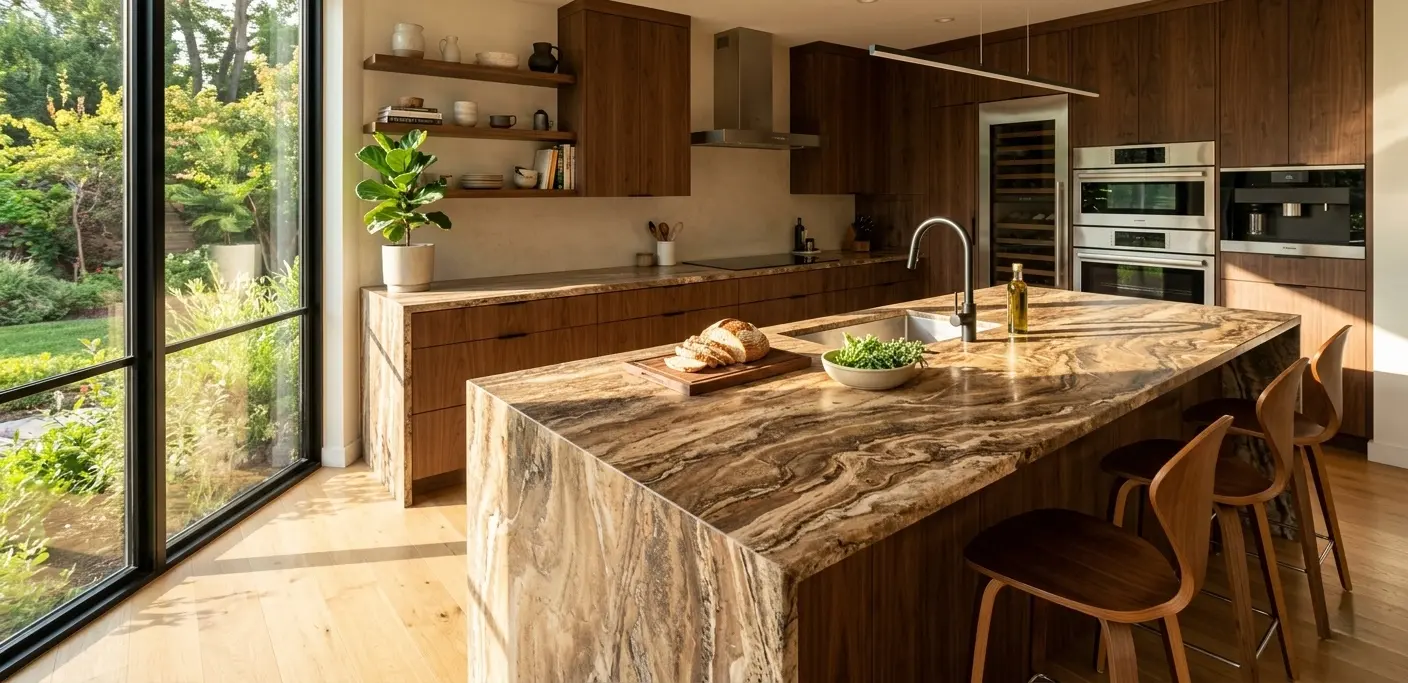
How to Choose and Experience the Right Natural Stone Finish
Selecting the right natural stone finish is one of the most important steps in any design project. The finish you choose affects not just the look, but also the performance and feel of the stone in your space. Knowing what to look for makes the entire selection process smoother and more rewarding.
Picking the Right Stone Finish for Your Space
Picking the right natural stone finish goes beyond what looks good on a sample board. The right choice depends on your space, lifestyle, and design goals. Understanding the key factors helps you make a confident and lasting decision. Here are the important things to consider when choosing a stone finish:
- Functionality matters for safety and daily use. Honed or leathered surfaces offer better slip resistance. These are ideal for kitchens and bathrooms. Polished finishes are easy to clean but can be slippery when wet.
- Lighting affects how a finish looks in your space. Polished finishes reflect light and brighten darker rooms. Honed and matte finishes absorb light and create a warmer, cozier atmosphere.
- Maintenance needs vary by finish type. Polished natural stone resists stains but tends to show smudges easily. Matte and leathered finishes are better at hiding everyday wear and tear.
- Texture preference plays a role in your comfort. Leathered and satin finishes offer a tactile, silky feel underhand. Honed or polished finishes give a cleaner and smoother surface.
- Design style should guide your finish choice. Polished finishes suit glamorous and classic interiors beautifully. Honed or satin works for modern spaces, leathered for rustic warmth, and matte for minimalist looks.
- Application in your space determines durability needs. Exterior areas require finishes that are tougher and more weather-resistant. Always consider how the finish will perform in its specific environment. If you plan on outdoor use, exploring natural stone slabs for outdoor kitchen countertops can help you identify the most durable options.
- Stone variety influences how a finish appears overall. Some finishes highlight natural veining and color variation in stone. Others tend to tone it down, so always match the finish to your chosen material.
Choosing the right finish ensures your natural stone looks great and performs well. Each factor above helps you narrow down the best option for your specific needs.
Where to Experience Different Stone Finishes
Seeing natural stone finishes in person makes a significant difference when deciding. Photos and samples only show so much of the real texture and depth. Visiting a showroom allows you to truly appreciate how each finish looks and feels. Here are good reasons to view stone finishes up close before deciding:
- In-person viewing reveals texture differences clearly. The contrast between a polished and a leathered slab is striking in real life. You can also see how light interacts with a satin surface firsthand. Nova Tile and Stone — your trusted home design center — makes this experience easy with multiple showroom locations.
- Touching the surface helps confirm your texture preference. Feeling the difference between smooth, silky, and rough finishes is important. This hands-on experience makes your final decision much easier and more confident.
- Exploring a wide range of materials expands your options. Granite, quartzite, and marble each respond differently to various finishes. Seeing them together helps you compare and find the best match. A blog on quartzite vs. quartz countertops is a great starting point for understanding how different stone types take finishes differently.
- Asking experts on-site gives you accurate and helpful guidance. Professionals can explain which exterior stone finishes are more durable. They can also recommend the right finish based on your project needs.
- Finding the right match becomes easier with variety available. A curated selection of green marble countertop slabs is a great example of how finish and stone type work together. Having options side by side simplifies the selection process significantly.
Viewing finishes in a real setting removes guesswork from the decision process. It connects your design vision with the actual look and feel of natural stone. For expert guidance on finishes for specific spaces like the bathroom, this bathroom countertop selection resource is a reliable reference.
Conclusion
Natural stone is one of the most versatile and enduring materials available for any design project. The finish you choose is just as important as the stone itself. It shapes the look, feel, safety, and long-term performance of every surface. From polished glamour to the quiet texture of matte, each finish tells a different story. Understanding your options puts you in control of a decision that truly lasts. Taking the time to evaluate your space, lifestyle, and design goals pays off greatly. The right natural stone finish does more than what it looks. Whether you are designing an indoor retreat or a durable outdoor space, there is a finish built for it. Let this guide be your starting point toward a choice you will be proud of for years to come.
Frequently Asked Questions
Does natural stone need to be sealed after choosing a finish?
Yes, most natural stone surfaces benefit from sealing. Sealing makes the stone more stain resistant, though not entirely stain proof. Always consult your stone supplier for the right sealer type.
How often should natural stone surfaces be resealed?
Most natural stone surfaces need resealing every one to two years, depending on usage levels. A simple water-drop test helps you know when it is time.
Can natural stone finishes be used outdoors safely?
Flamed and sandblasted finishes are ideal for outdoor use due to their slip-resistant properties and durability. Always choose a finish rated for weather and UV exposure.
What cleaning products are safe for natural stone surfaces?
Products containing lemon, vinegar, or other acids may dull or etch calcareous stones. Always use pH-neutral cleaners to safely maintain any natural stone finish.
Can a damaged or dull natural stone finish be restored?
Yes, many natural stone finishes can be professionally restored through honing, polishing, or re-treatment. Regular maintenance can extend the life of the stone and keep it looking its best.
Note: Some images on this page may be conceptual renderings created to illustrate design possibilities and may not depict actual installations.