Green Marble Countertop
Few countertop materials make a statement quite like green marble. Formed over millions of years through natural metamorphic processes, this stone is defined by its rich emerald, sage, and forest-green tones, accented by distinctive white veining that gives every slab a look entirely its own.
Long valued in kitchens, bathrooms, and feature surfaces, it brings a depth and elegance that is difficult to achieve with any other material. As a porous natural stone, it does require periodic sealing to guard against staining and moisture a straightforward commitment that pays off in a surface built to last for decades.
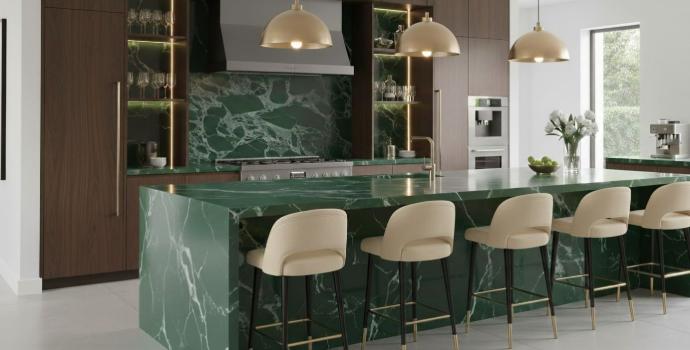
The Timeless Appeal of Green Marble in Interior Design
Few natural stones command attention the way green marble
does. Its deep, earthy tones ranging from soft sage to bold forest green bring
a grounded, organic richness to any space. Whether used as a kitchen island
surface, a bathroom vanity top, or a statement bar counter, this stone
introduces a level of color and character that instantly elevates any interior.
The natural veining that runs through each slab adds visual movement and depth,
making every installation a truly unique focal point. Designers and homeowners
alike continue to turn to green marble because it bridges the gap between
natural beauty and refined sophistication, fitting seamlessly into both
contemporary and traditional interiors. If you appreciate the look of natural
stone with a softer, more neutral tone, cream marble
is another elegant option worth exploring.
Sacramento
Minden
Fernley
Why Green Marble Is a Smart Choice for Countertops
Beyond its striking appearance, green marble offers a range
of practical advantages that make it a worthwhile investment. It is a naturally
cool stone, which makes it particularly well-suited for food preparation areas
where temperature regulation matters. Its density and hardness, when properly
sealed, provide solid resistance to everyday wear, chipping, and surface
scratches under normal use. Marble is also heat-tolerant to a reasonable
degree, though protective measures such as trivets are still recommended to
preserve the finish.
Choosing this surface also adds measurable value to a
home, as natural stone countertops are consistently recognized by real estate
professionals as a feature that appeals to buyers and increases overall
property appeal. For those drawn to green tones but looking for a slightly
different character, green
dolomite offers a compelling alternative within the same natural stone
family.
Caring for Green Marble to Preserve Its Beauty
Maintaining a green marble countertop is
straightforward when the right habits are established from the start. Sealing
the surface every one to two years is the most important step in protecting it
from moisture absorption and staining, particularly in high-use areas like
kitchens. For daily cleaning, a pH-neutral cleaner or simply warm water with a
soft cloth is sufficient. Harsh chemicals and acidic substances such as
vinegar or lemon juice should be avoided entirely, as they can etch and dull
the polished surface over time. Wiping up spills promptly, especially from
wine, coffee, or oils, prevents the stone from absorbing liquids that could
leave permanent marks.
With consistent care, a well-maintained slab retains its
polished finish and structural integrity for decades, making it one of the most
enduring countertop choices available. To browse available natural stone
options or get expert guidance, visit the showroom or schedule an appointment
with a design specialist.
Frequently Asked Questions
Yes, green marble is a dense natural stone that holds up well under regular kitchen use when properly sealed. It resists surface scratches and minor impacts, though cutting directly on the stone without a board is not recommended, as knives can leave fine marks over time.
Marble has a relatively high heat tolerance, but prolonged direct contact with hot pots or pans can damage the sealant and potentially cause thermal stress. Using trivets or heat pads is the best practice for protecting the surface finish.
Most marble countertops benefit from resealing once every one to two years, depending on the level of daily use and how frequently the surface is exposed to moisture. A simple water bead test if water absorbs rather than beads up is a reliable indicator that resealing is needed.
Getting a quote starts with knowing your measurements and having a general idea of the finish and thickness you prefer. From there, reaching out to a stone supplier directly is the most accurate way to receive pricing, as slab costs vary based on size, grade, and availability. You can schedule an appointment with a design specialist to discuss your project and get accurate pricing tailored to your space.
Yes, because marble is a natural stone formed through geological processes, no two slabs are identical. Variations in veining, tone, and mineral composition are inherent to the material, which is precisely what makes each countertop installation entirely unique to the space it occupies.
Explore More Marble Slab Options
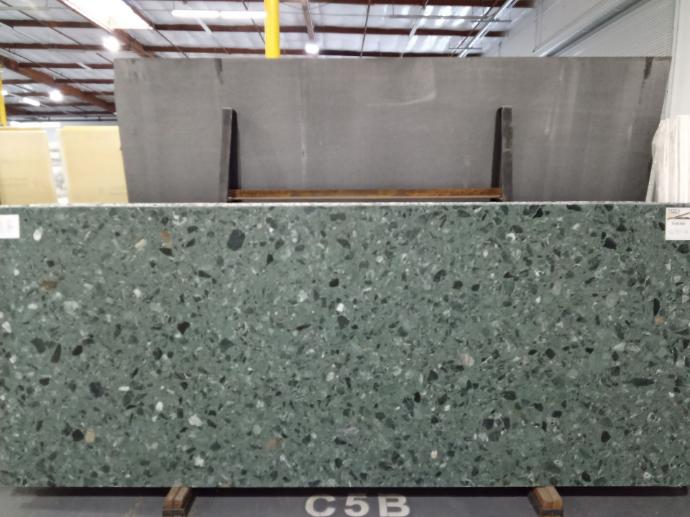
Verdi Alpi
Thickness: 2.0 cm
Finish: Polished
Store Location: Sacramento, CA
Warehouse: C5B
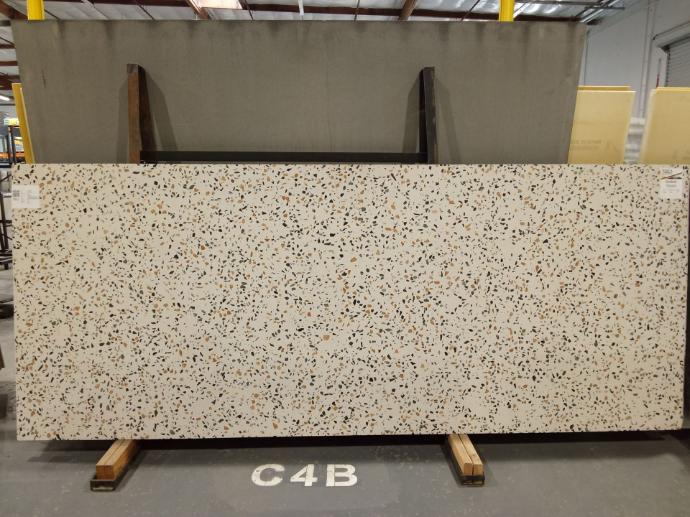
Vendome Terazzo
Thickness: 2.0 cm
Finish: Polished
Store Location: Sacramento, CA
Warehouse: C4B