Zermatt Quartzite Gray Veined
A Veined Natural Stone That Holds Its Design Value Over Time
Quartzite is a long-term investment for any kitchen or bathroom. Gray veining in natural stone has been consistently popular across design cycles for decades, and the shift in 2026 toward surfaces that deliver genuine geological character over manufactured uniformity positions natural gray veined quartzite as one of the most relevant countertop and surface choices available.
The material resists fading, but prolonged UV exposure should still factor into finish selection and sealing frequency for outdoor applications. Its Mohs 7 hardness means it does not chip, etch, or scratch in the way that gray veined marble does under comparable daily use conditions. Because no two Zermatt Quartzite Gray Veined slabs carry the same mineral veining pattern, the surface you select today will remain permanently unique to your space.
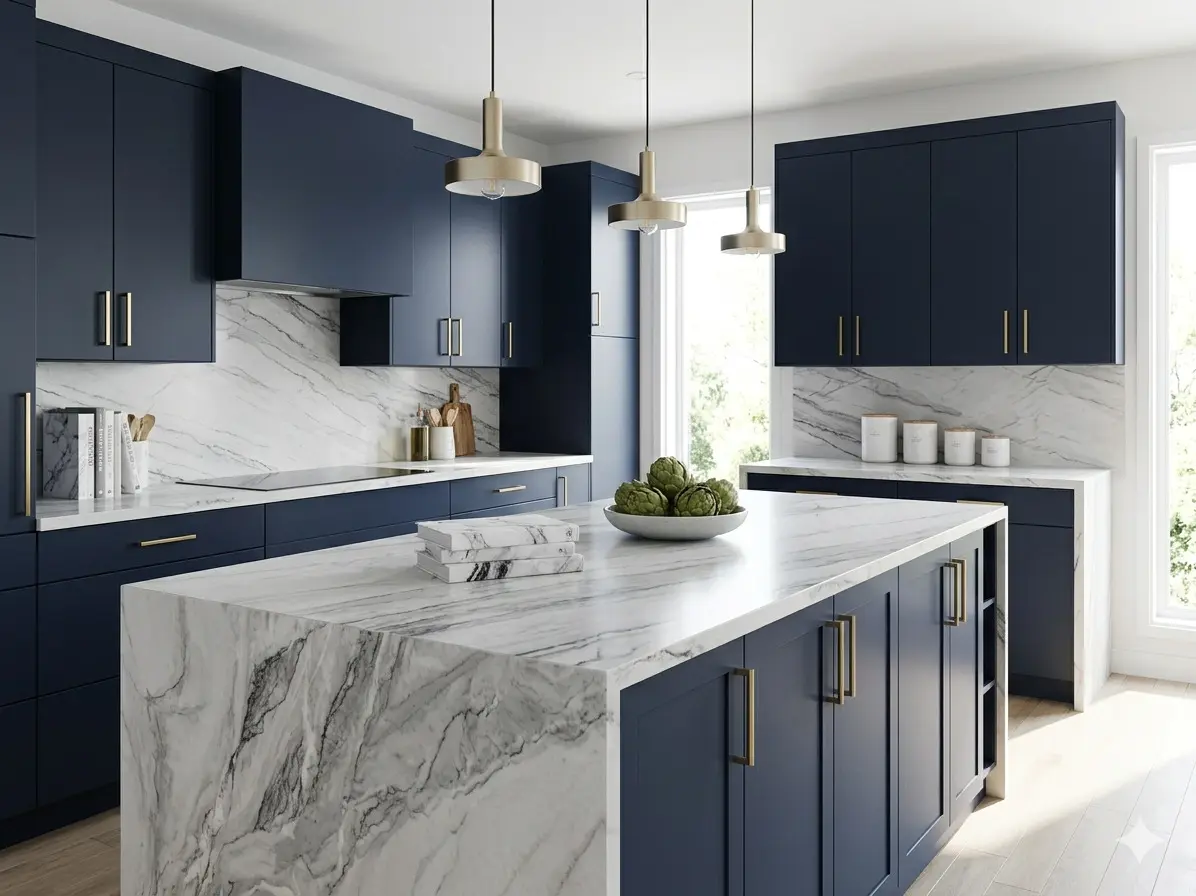
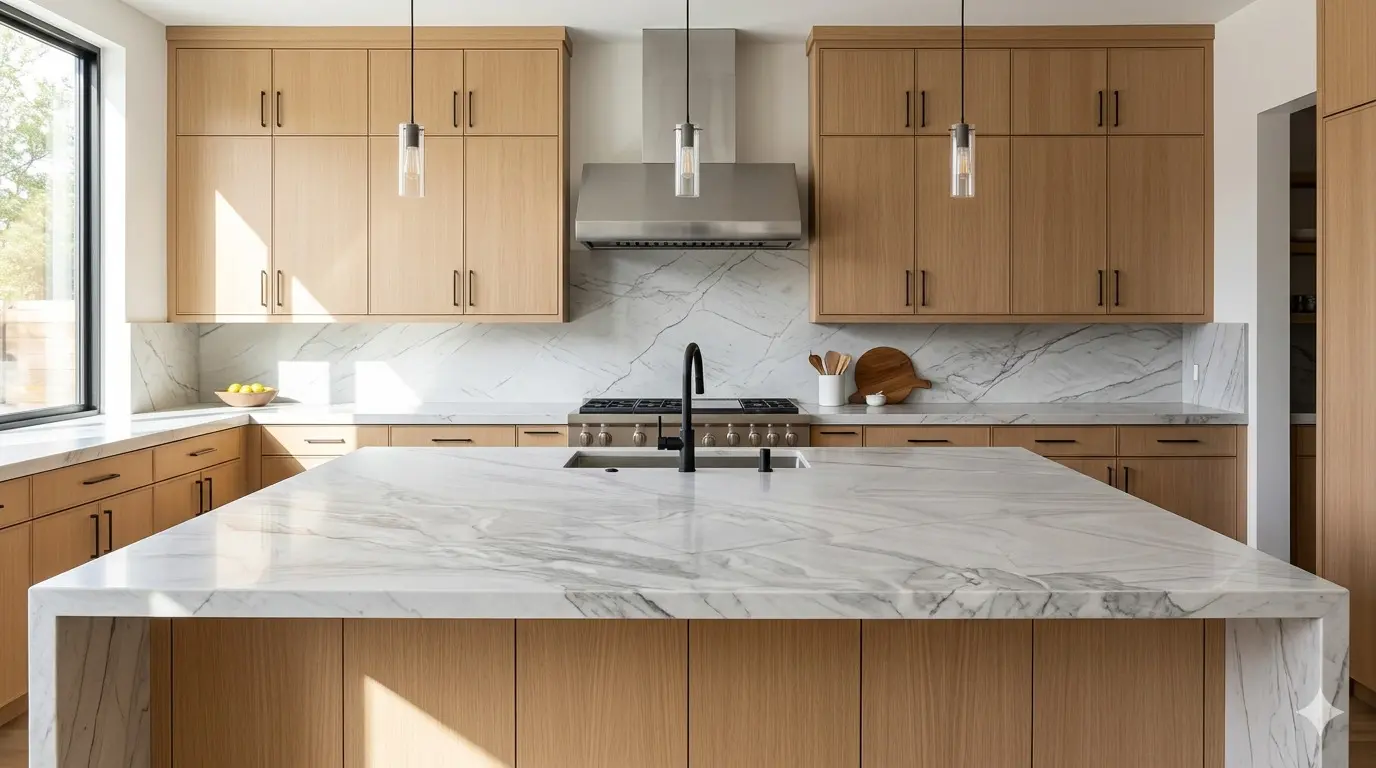
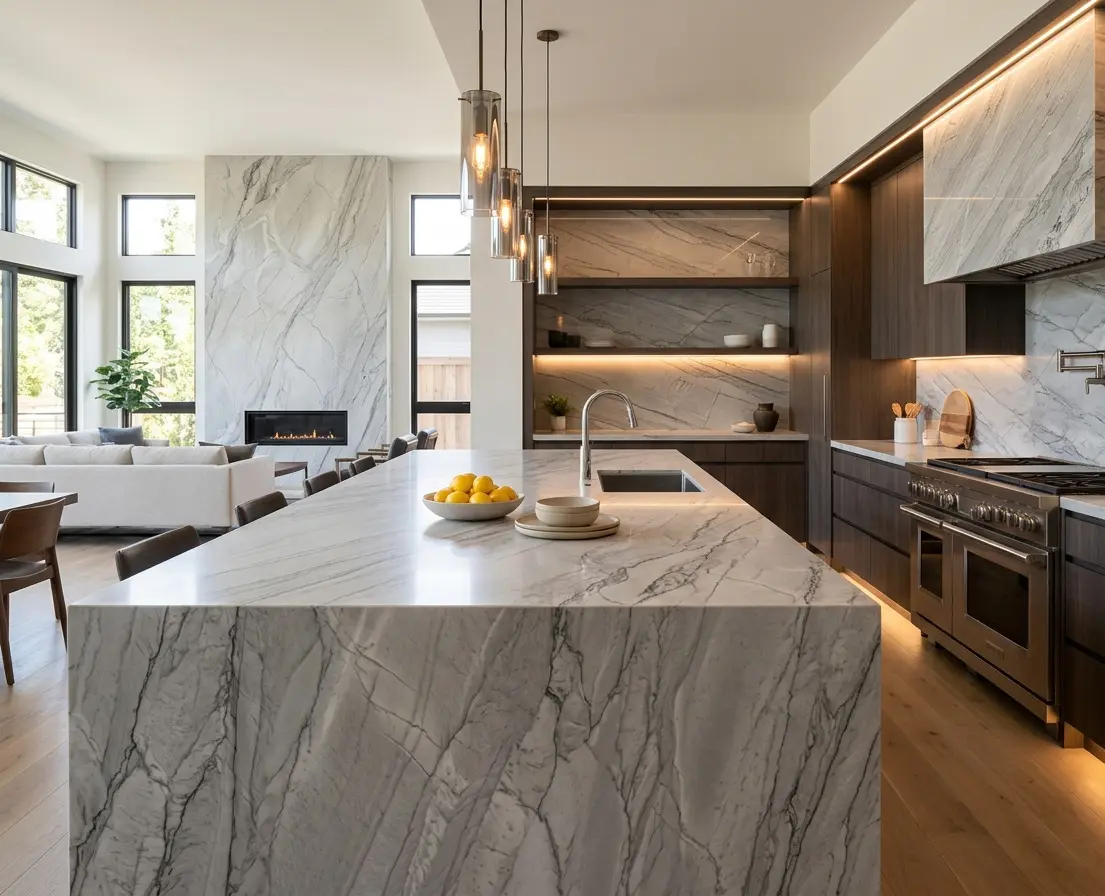
What Gray Veined Quartzite Delivers:
Gray veined quartzite has a significant practical advantage over gray veined marble: at Mohs 7, its everyday performance in kitchens and bathrooms is considerably more forgiving. The benefits and care notes below apply across the full range of surfaces this material suits, and each point reflects the balanced performance profile that honest stone selection requires. Understanding these specifics before purchase helps buyers plan the right sealing schedule and finish for their specific application.
Performance Benefits
- Scratch resistant at Mohs 7, but cutting directly on the surface or dragging abrasive objects is not recommended
- UV resistant per master checklist, but performance may vary by finish and level of direct sun exposure over time
- Food-safe when sealed, practical for kitchen countertops, but a cutting board is always recommended for food preparation
- Stain resistant when sealed, but gray tones that lean lighter may still benefit from prompt spill cleanup
- Moisture resistant by geological composition, but outdoor and bathroom applications require more frequent resealing than interior kitchen surfaces
- Suitable for floors, walls, outdoor use, and fireplace surrounds per material checklist, but correct finish and structural support must match each application type
- Each gray veined slab is unique viewing the actual slab in person is strongly recommended before selection
Finish Notes for Gray Veined Quartzite
- Polished finish intensifies the contrast between the light base and gray veining, creating the most dramatic veined appearance and works well for kitchen countertops where visual impact is the goal
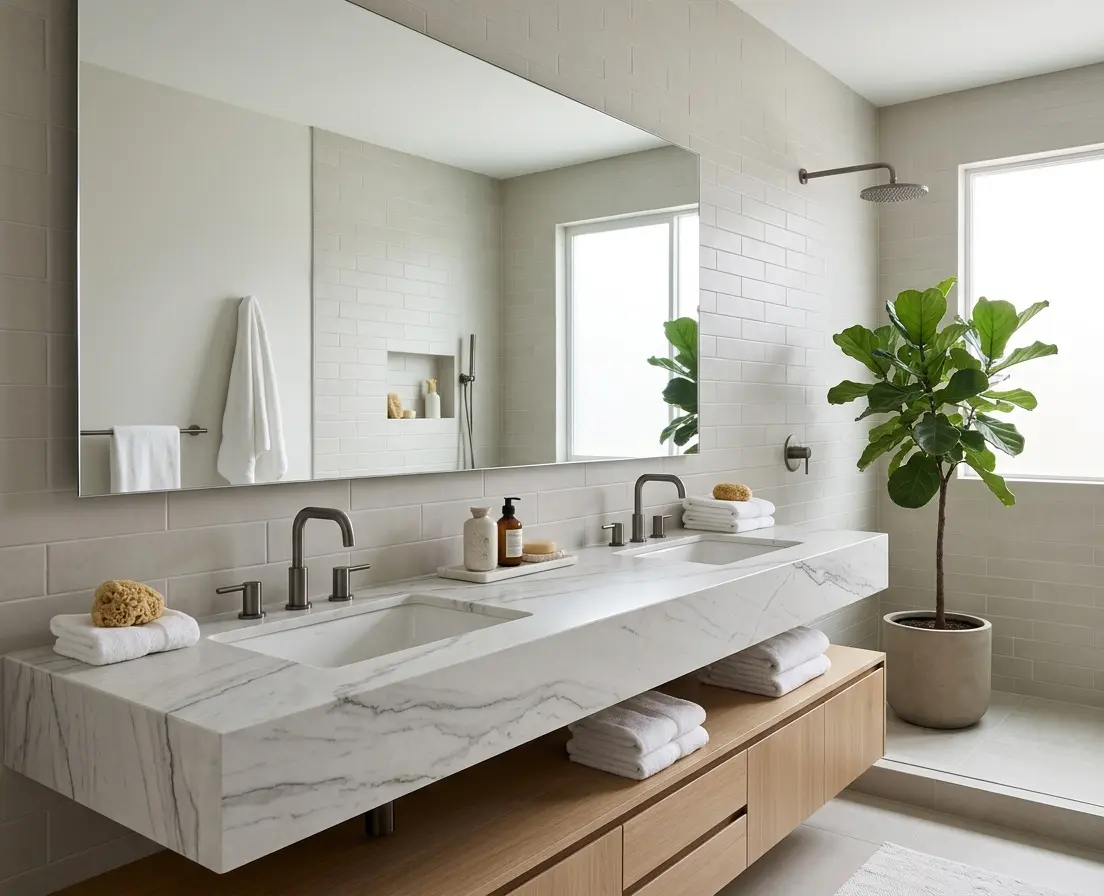
- Honed finish softens the veining slightly and conceals everyday surface marks more effectively, which makes it a practical choice for busy kitchens and bathroom vanities
- Leathered finish adds tactile texture that suits island surfaces, outdoor applications, and relaxed design contexts
- For all finishes, use mild soap and water for cleaning; avoid acidic cleaners and abrasive tools at all times
What Makes Gray Veining in Natural Quartzite Different From Engineered Stone
Gray veining in natural quartzite forms when graphite and quartz-rich mineral solutions fill fractures in the sandstone host rock during the metamorphic transformation process. Because this process occurs over millions of years under specific geological conditions, the resulting veining pattern in each slab is completely unique. No two slabs will carry identical vein placement, width, or directional movement, which is what gives natural veined stone its visual depth and design authority.
This is fundamentally different from engineered stone, where gray veining is added during manufacturing using pigments that mimic the look of natural geological movement. According to This Old House's stone overview, quartzite consistently ranks among the most durable and design-authentic natural stone choices for kitchens and bathrooms because its veining and hardness are the result of nature, not factory processing. Gray veined quartzite also outperforms gray veined marble in hardness. Marble rates 3 to 5 on the Mohs scale and etches readily from acids, while quartzite at Mohs 7 resists etching, scratching, and the UV exposure that outdoor surfaces face over time.
Compared to tiled gray veined surfaces, which break the visual flow of the stone pattern into individual grout-separated units, a full slab of Zermatt Quartzite delivers the veining in an uninterrupted sweep across the entire countertop or wall surface. For guidance on how to choose the right finish for a veined natural stone surface, Fine Homebuilding's countertop guide provides a detailed breakdown of how polished, honed, and leathered finishes affect the appearance and maintenance requirements of veined stone. For buyers who want to verify their slab is genuine quartzite and not mislabeled gray marble, the gray quartzite countertop page includes practical guidance on what to look for when evaluating gray toned quartzite slabs.
Frequently Asked Questions
The gray veining forms when graphite-rich mineral solutions fill natural fractures in the sandstone host rock during the quartzite metamorphic formation process. As these minerals crystallize under heat and pressure, they create the linear and branching gray patterns visible in the finished slab. Because this occurs in geological conditions specific to each stone block, no two slabs carry identical veining.
For most kitchen and bathroom applications, yes. Quartzite rates 7 on the Mohs scale while marble rates only 3 to 5, making quartzite significantly more resistant to scratching, etching from acids, and surface damage under daily use. Gray veined quartzite delivers a similar sophisticated aesthetic with considerably greater durability.
Polished delivers the most dramatic version of the gray veining with maximum contrast and visual depth, and suits kitchen countertops where visual impact is a priority. Honed is more practical for busy kitchens and bathroom vanities where everyday marks need to be managed more easily. Leathered suits outdoor surfaces and relaxed interior design contexts.
Yes. Annual resealing is a reliable baseline for interior surfaces. Bathroom walls, outdoor surfaces, and high-use kitchen countertops may benefit from more frequent resealing. A water drop test confirms when the sealant needs refreshing.
Gray veined quartzite is one of the most versatile natural stone tones for cabinetry pairing. It works well with white and cream cabinets for a calm, tonal pairing, with dark navy and charcoal for a layered sophisticated contrast, and with warm wood tones for an organic, contemporary look. The gray veining in the stone picks up and coordinates with both warm and cool undertones in surrounding materials.
A Helpful Guide to Navigating the World of Stone Slab
Find Your Gray Veined Slab Today
Visit any of our four showrooms in Reno, Sacramento, Minden, or Fernley to see slabs at full scale and compare finishes and veining patterns in person.
Visit a Showroom | Browse Slab Inventory