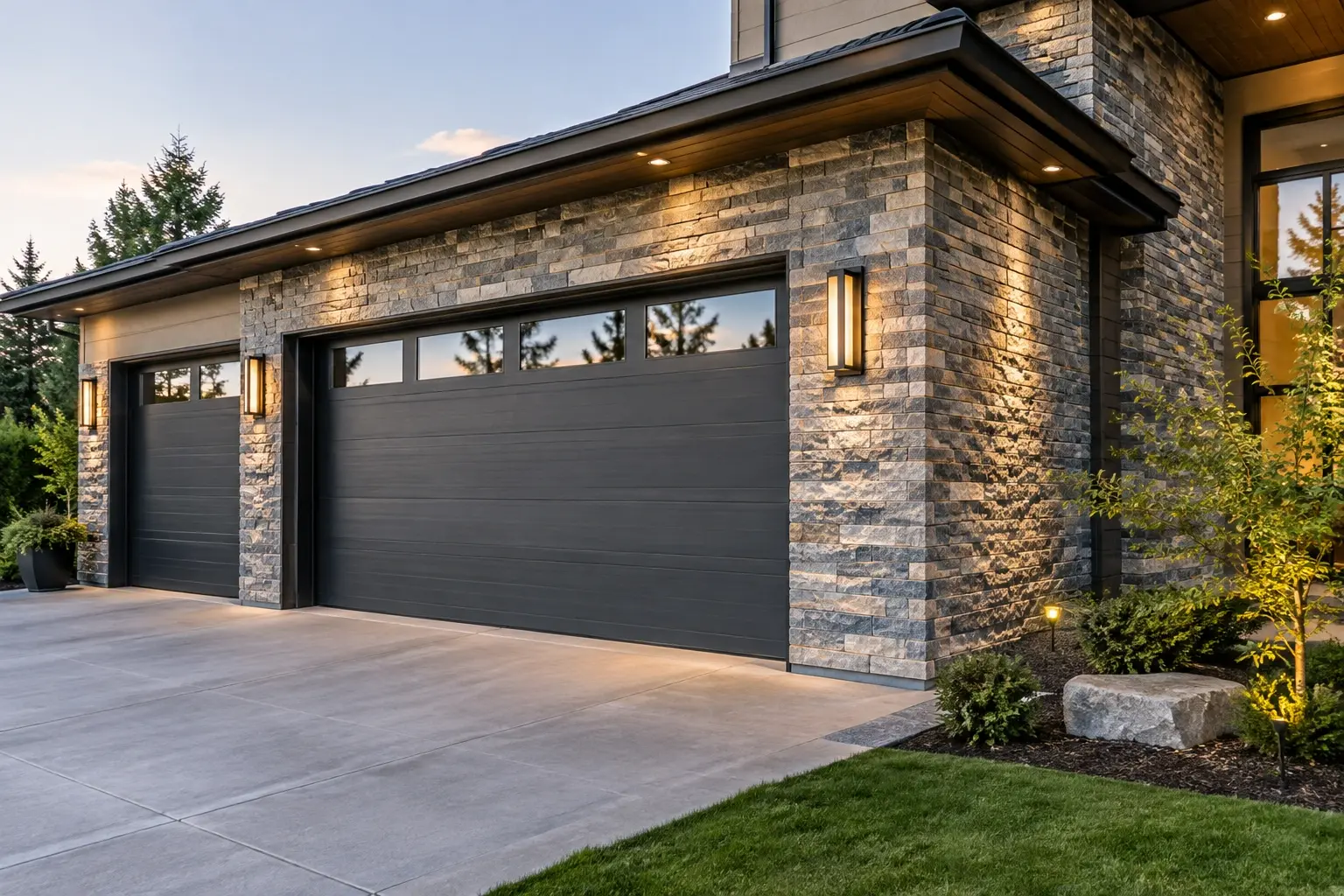
Stone siding is natural stone attached to the exterior walls of a home as a decorative layer, cut into panels, tile, or trim that covers all or part of the facade. Common placements for stone siding for house exteriors include full elevations, lower wainscot bands, entry walls, porch columns, chimneys, and garage fronts. The main factors to weigh are placement, the home's architectural style, the stone's color and finish, and how the material suits the local climate, including sun, moisture, and freeze-thaw cycles. Our team supplies the stone material, including natural stone slabs and tile, while your own fabricator and contractor handle cutting and installation. You can start by exploring our tile, stone, and slab selection or reading more about natural stone for home exteriors.
Where Stone Siding Fits on a House and Which Styles It Suits
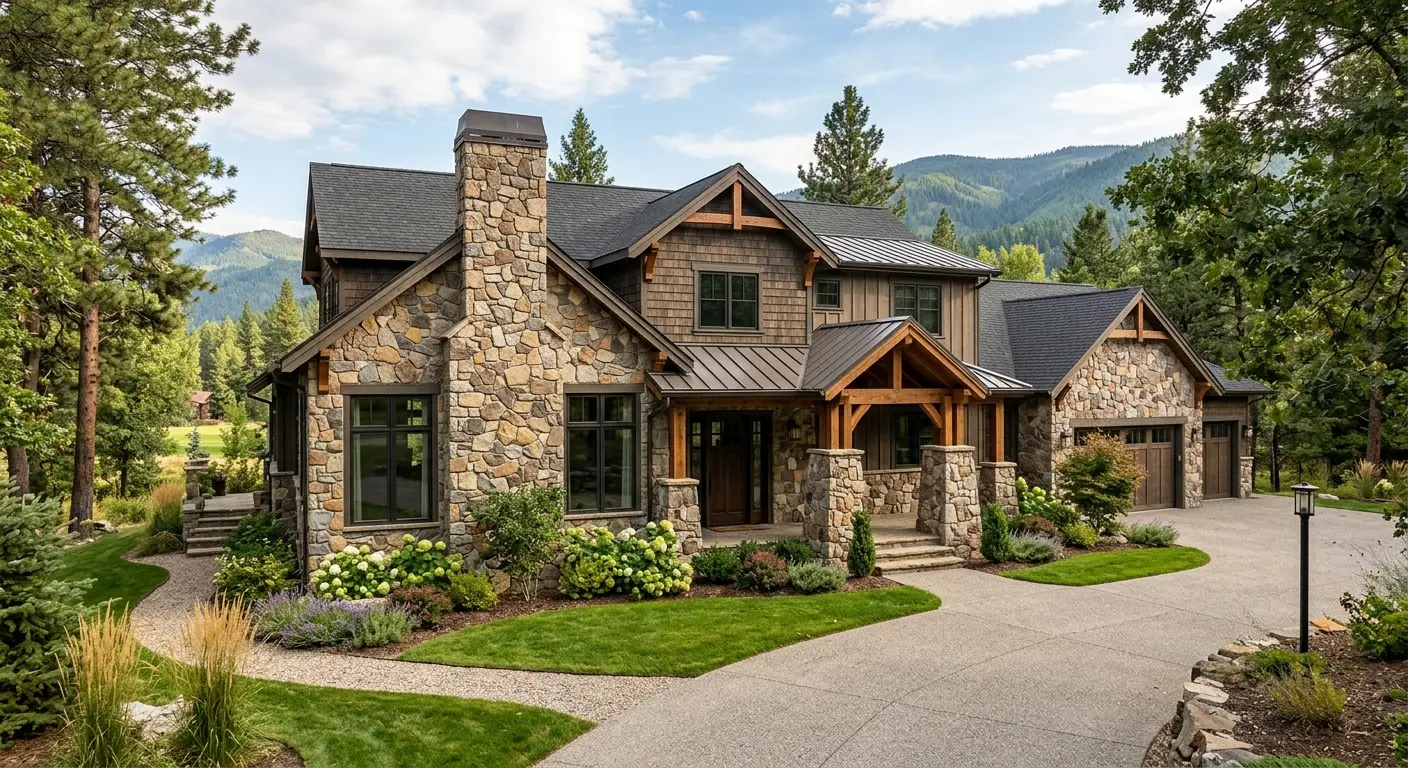
Stone siding for a house is usually planned around the lines of the architecture. Full coverage wraps an entire elevation for a unified look. Partial coverage places stone in selected areas, such as a wainscot band along the lower walls or stone around porch columns, entry walls, chimneys, and garage doors. Partial placements use less material and draw attention to the features you want to highlight.
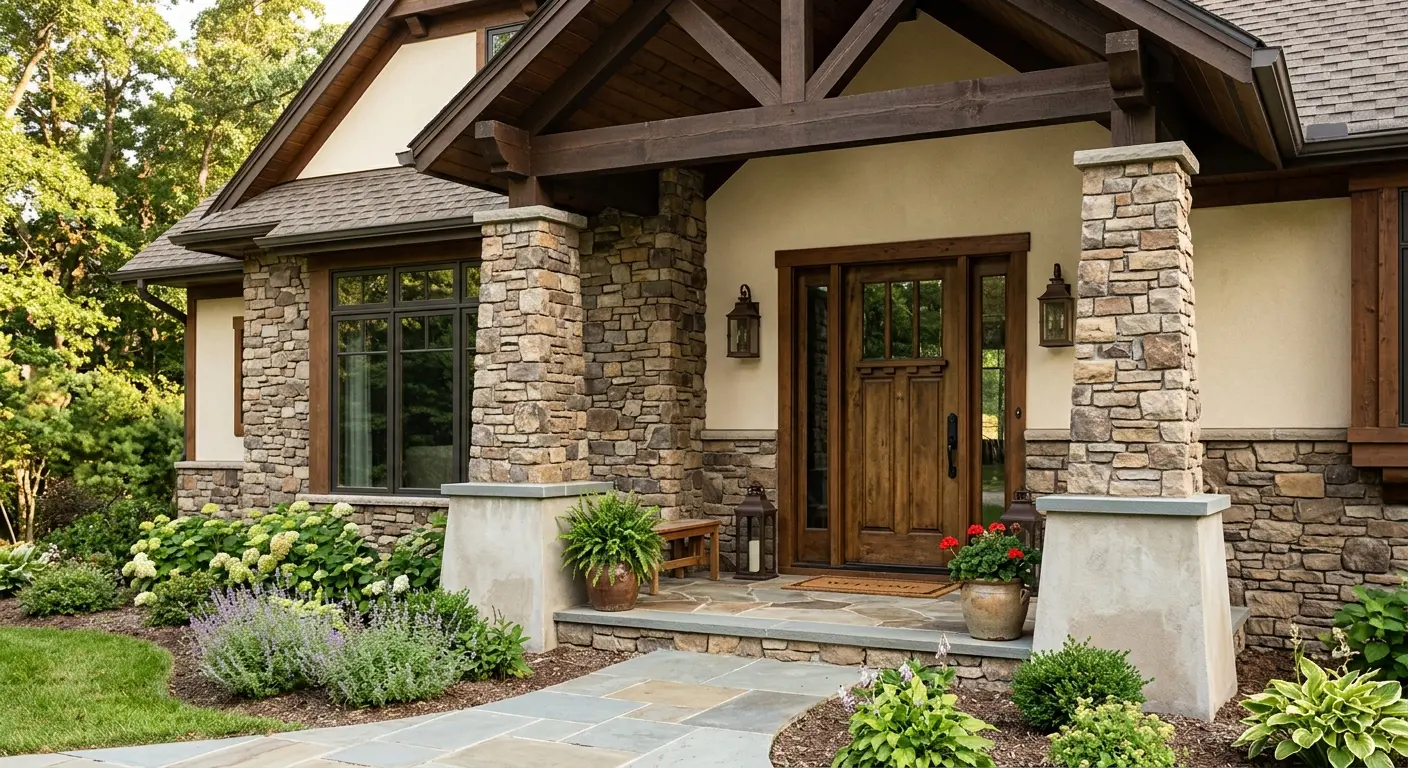
Style also guides how stone siding for house exteriors is chosen. A contemporary exterior might use larger stone panels and a limited color range, while a rustic or farmhouse exterior might lean toward warmer tones and more visible texture. On craftsman style homes, stone is often seen at the base of porch columns. Because natural stone forms in the earth, color and texture vary from piece to piece, so seeing the stone in person before deciding is helpful.
What to Expect From Stone Siding in Sun, Rain, and Frost
How stone siding for a house performs over time depends on the stone, its finish, and how the wall is detailed behind it. Years of sun exposure can gradually change the tone of some stones, so it helps to keep this in mind during selection. Moisture is another factor to plan for. Water moving through stone can carry mineral salts to the surface and leave a white, powdery residue known as efflorescence, and in colder climates, water that freezes inside stone or mortar joints can contribute to damage over repeated cycles.
Sudden and extreme temperature changes can also place stress on stone. Edges and corners can chip if they are struck by ladders, tools, or other hard objects, so some care around the walls during outdoor work is worthwhile.
Siding is only one part of the wall, and the ASTM standard guide for selecting dimension stone notes that related materials and assemblies need to be evaluated for compatibility with the stone, and that every stone application must comply with applicable building codes. These details, including flashing, drainage, and the attachment method, are handled by your contractor. For sustainability planning, this overview of environmental and health product labels for natural stone explains how these labels document a stone's life cycle impacts and ingredients.
Everyday Upkeep for Stone Siding on Your Home
Stone siding for your house needs fairly simple care, and a consistent routine helps protect the stone over time. The steps below follow the Natural Stone Institute's care and cleaning guidelines, which begin with knowing your stone's classification and composition.
- Clean the stone with a neutral cleaner, stone soap, or mild liquid dishwashing detergent and water, then rinse thoroughly.
- Follow the cleaner manufacturer's directions, since too much cleaner or soap can leave a film and cause streaks.
- Avoid products containing lemon, vinegar, or other acids, which may dull or etch calcareous stones.
- Skip scouring powders, abrasive creams, and harsh chemicals, which may scratch or damage certain stones.
- Keep rust removers away from the stone, as many contain hydrofluoric acid, which can attack all stone types.
- Flush algae or moss with clear water and use a mild bleach solution to remove it.
- Never mix bleach and ammonia, because the combination creates a toxic gas.
- Remove efflorescence with a dry brush rather than water, and if it keeps returning, have your contractor identify the source of the moisture.
- Ask the sealer manufacturer which product and reapplication schedule suit your stone, since many stones do not require sealing and sealing makes stone more stain resistant rather than stain proof.
 Conceptual rendering
Conclusion
Stone siding for a house can add texture and natural character to a full facade, a lower wainscot, or features like entries and chimneys. Planning the placement around the architecture, choosing stone suited to your climate, and following a simple care routine all help protect the stone. Our role is supplying the stone siding for your house, including natural stone slabs and tile, while your fabricator and contractor handle cutting and installation.
To see slabs in person, you can schedule a showroom visit. Once your plans are set, you can request a slab quote for the stone.
Frequently Asked Questions
Stone siding for a house can go wherever it highlights the architecture, such as a lower wainscot band, the front elevation, entry walls, porch columns, chimneys, or the area around a garage door. Partial placements use less material than full coverage and draw attention to selected features.
Stone siding for a house can be used in cold climates, but results depend on the stone, how much water it absorbs, and how the wall is detailed for drainage. Water that enters stone or mortar joints and freezes repeatedly can contribute to damage, so proper flashing and drainage from your contractor help reduce that risk.
Clean stone siding for your house with a neutral cleaner, stone soap, or mild dishwashing detergent and water, then rinse thoroughly. Avoid acidic products, abrasive cleaners, harsh chemicals, and rust removers containing hydrofluoric acid, since these may etch, scratch, or damage the stone.
Stone siding for a house can be used across many architectural styles. A contemporary exterior might use larger panels and a limited color range, a rustic or farmhouse exterior might lean toward warmer tones and visible texture, and craftsman style homes often feature stone at the base of porch columns.
Years of sun and weather exposure can gradually change the tone of some natural stones, and the amount of change varies from one stone to another. Seeing the stone in person before choosing helps set expectations for how stone siding for your house may look over time.
Looking for immediate assistance?
Give us a call!
775-374-6682
(Available Mon-Fri 7:30am - 4:00pm PST)
Unlike most customer service lines, ours connects you with real people.
When you call, just press 1 for online shopping support, or 2 for local shopping support!