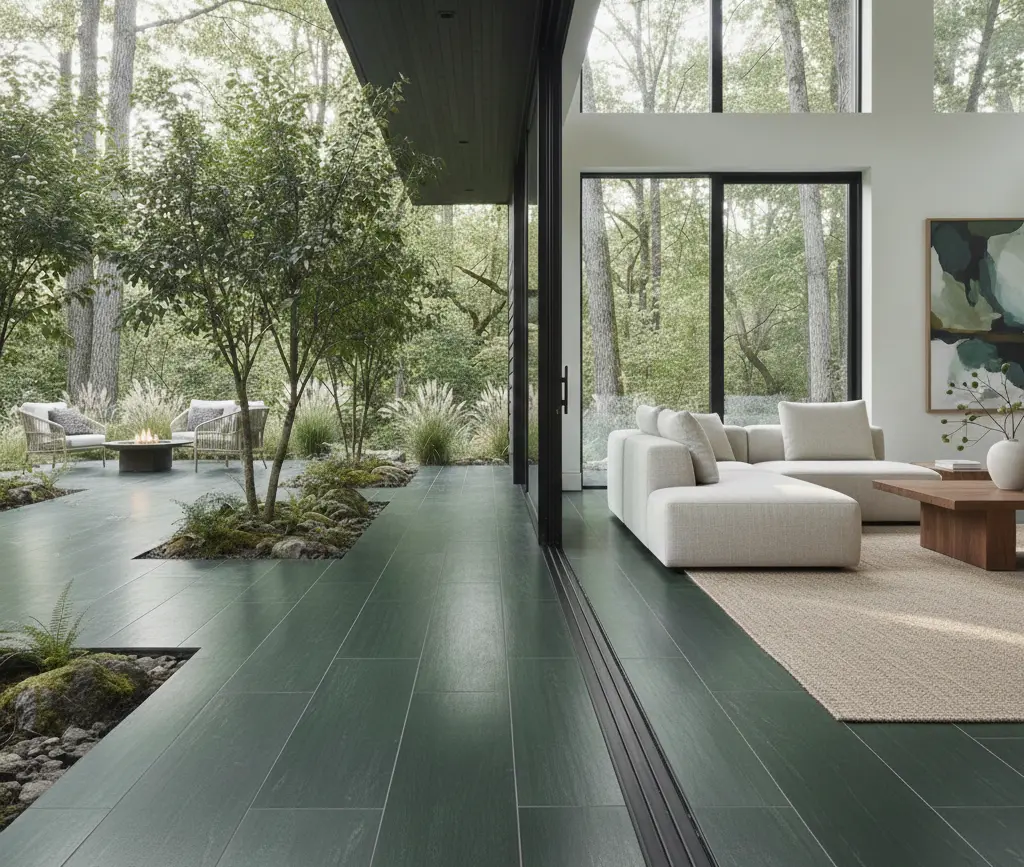
Porcelain tile is one of the most durable and versatile surfaces for modern homes, engineered with a dense body, extremely low water absorption, and reliable wear resistance in high‑traffic areas. This hub page provides a complete guide to porcelain tile, covering composition, PEI wear grades, finish options, and design applications. Learn how polished, matte, and textured formats adapt to kitchens, bathrooms, and outdoor spaces, helping homeowners and designers balance style, durability, and long‑term performance.
AESTHETICS
Colors & Finish
From cool Arctic whites to warm terracotta, porcelain tile is manufactured in a spectrum that rivals natural stone but without its fragility.
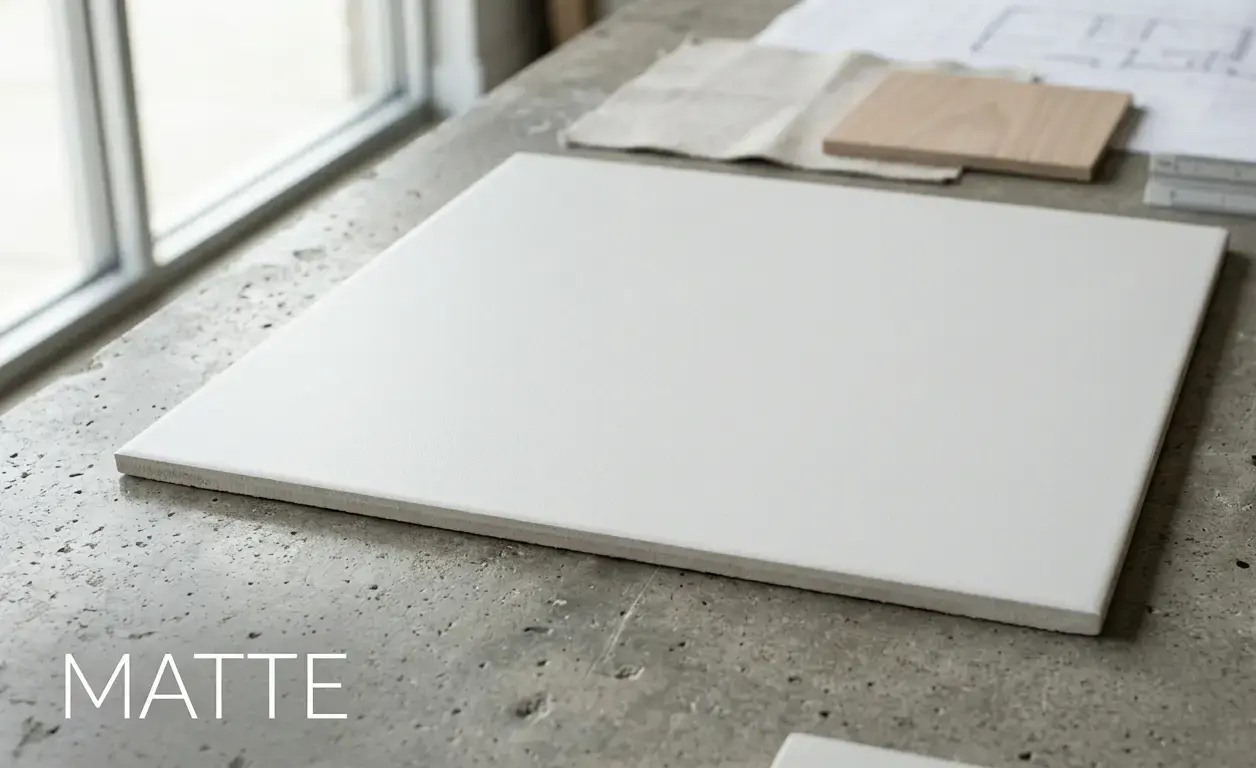
Arctic White
Matte, honed surface. Ideal for minimalist interiors.
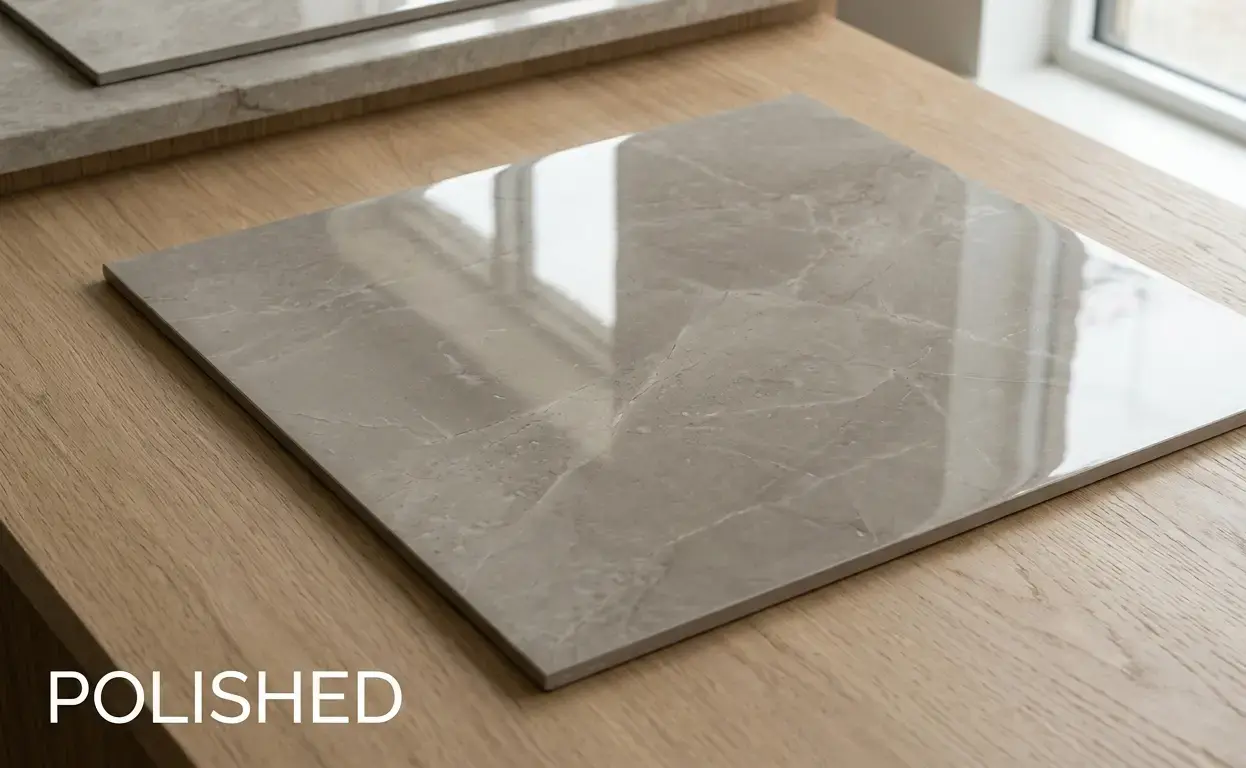
Warm Greige
Polished finish. Amplifies natural light in any space.
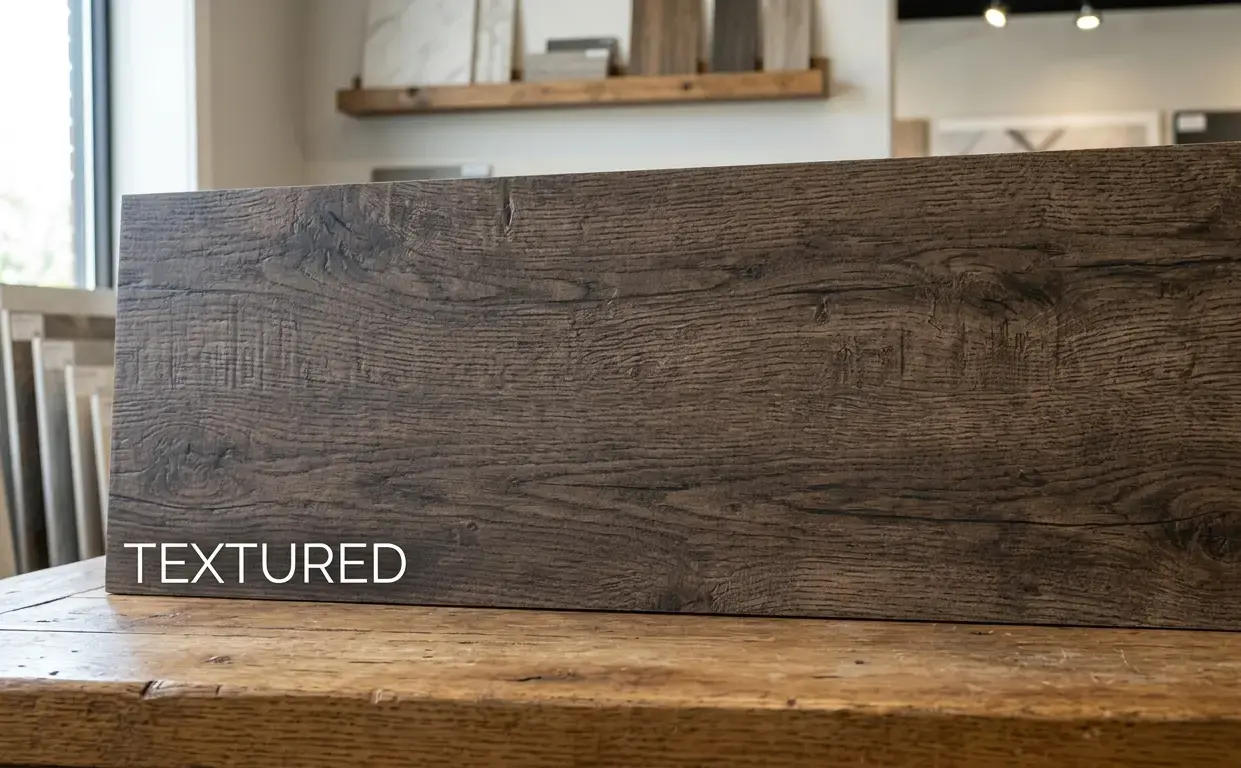
Dark Walnut
Wood-look texture. Anti-slip grip for wet areas.
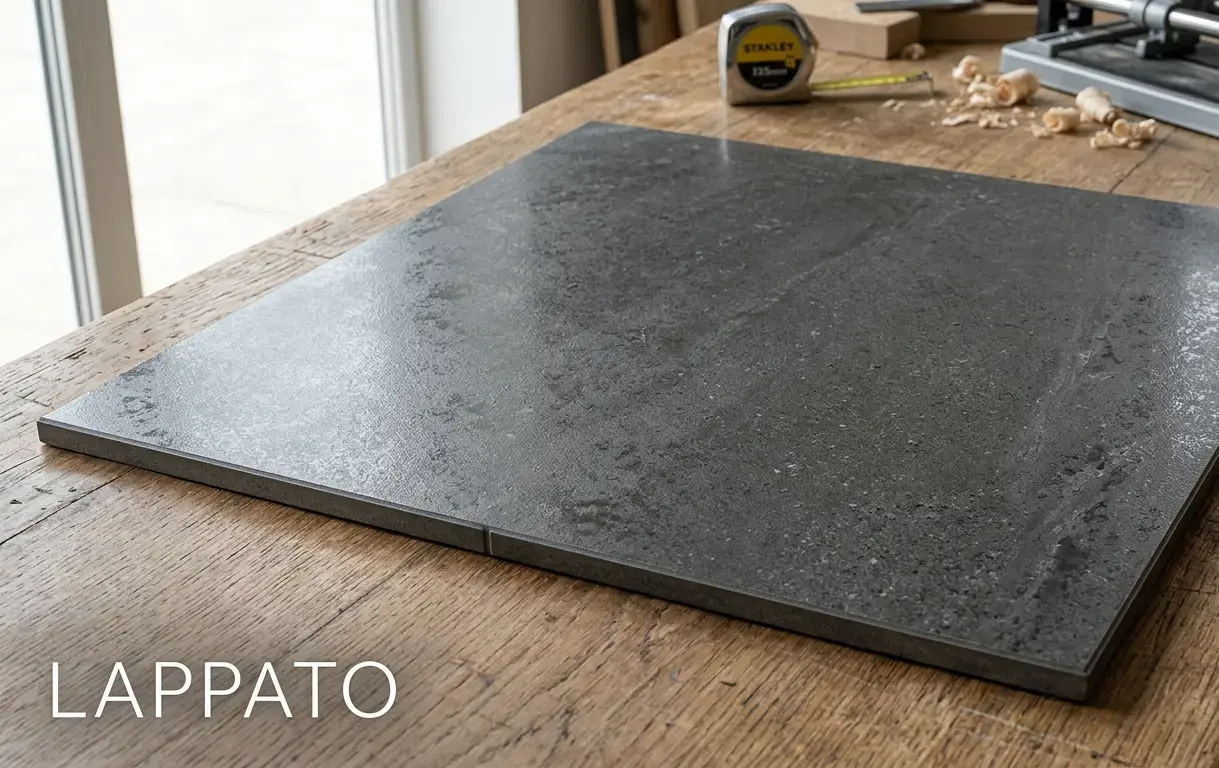
Anthracite
Semi-polished lappato. Between matte depth and high gloss.
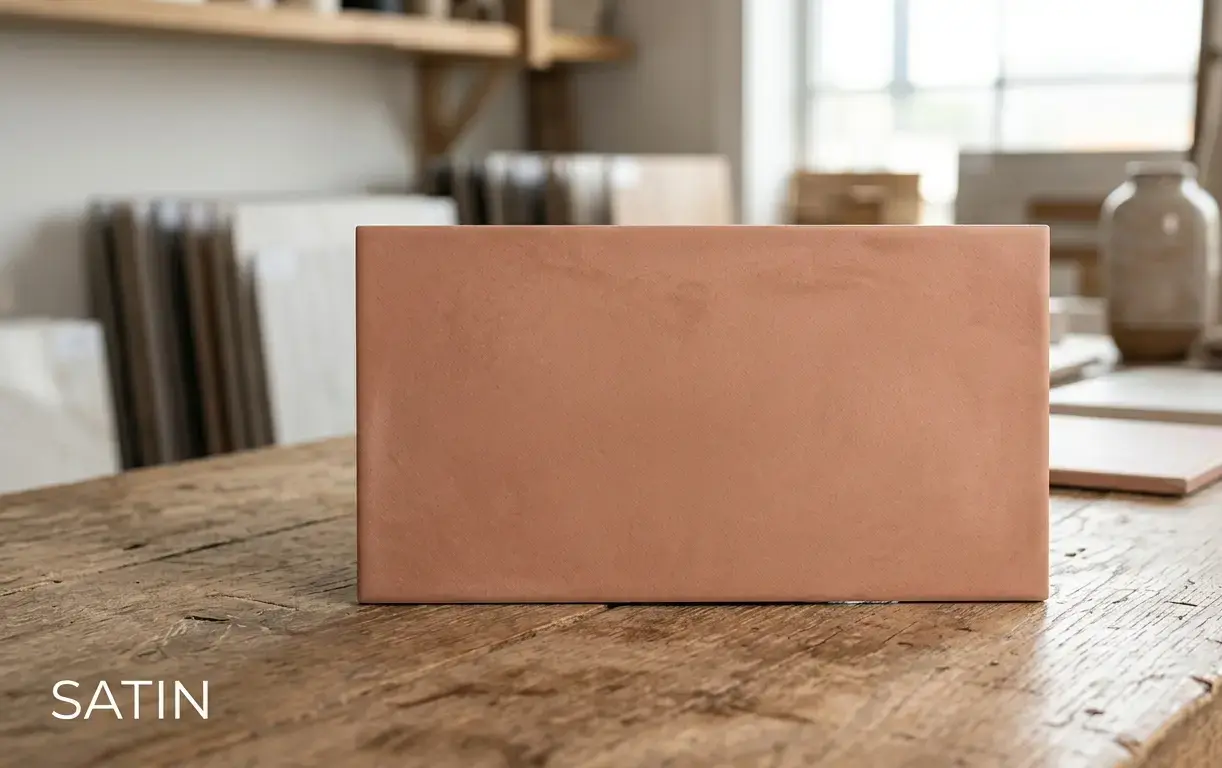
Terracotta Blush
Satin glaze. Earthy warmth with refined finish.
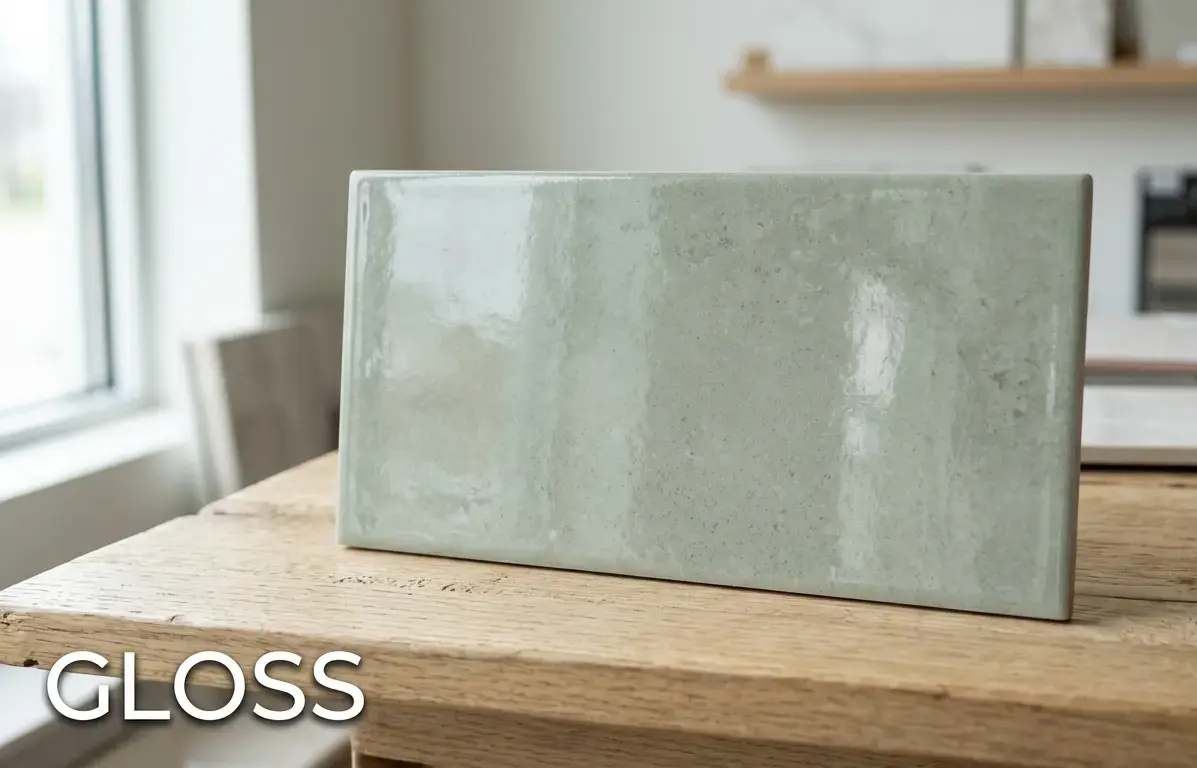
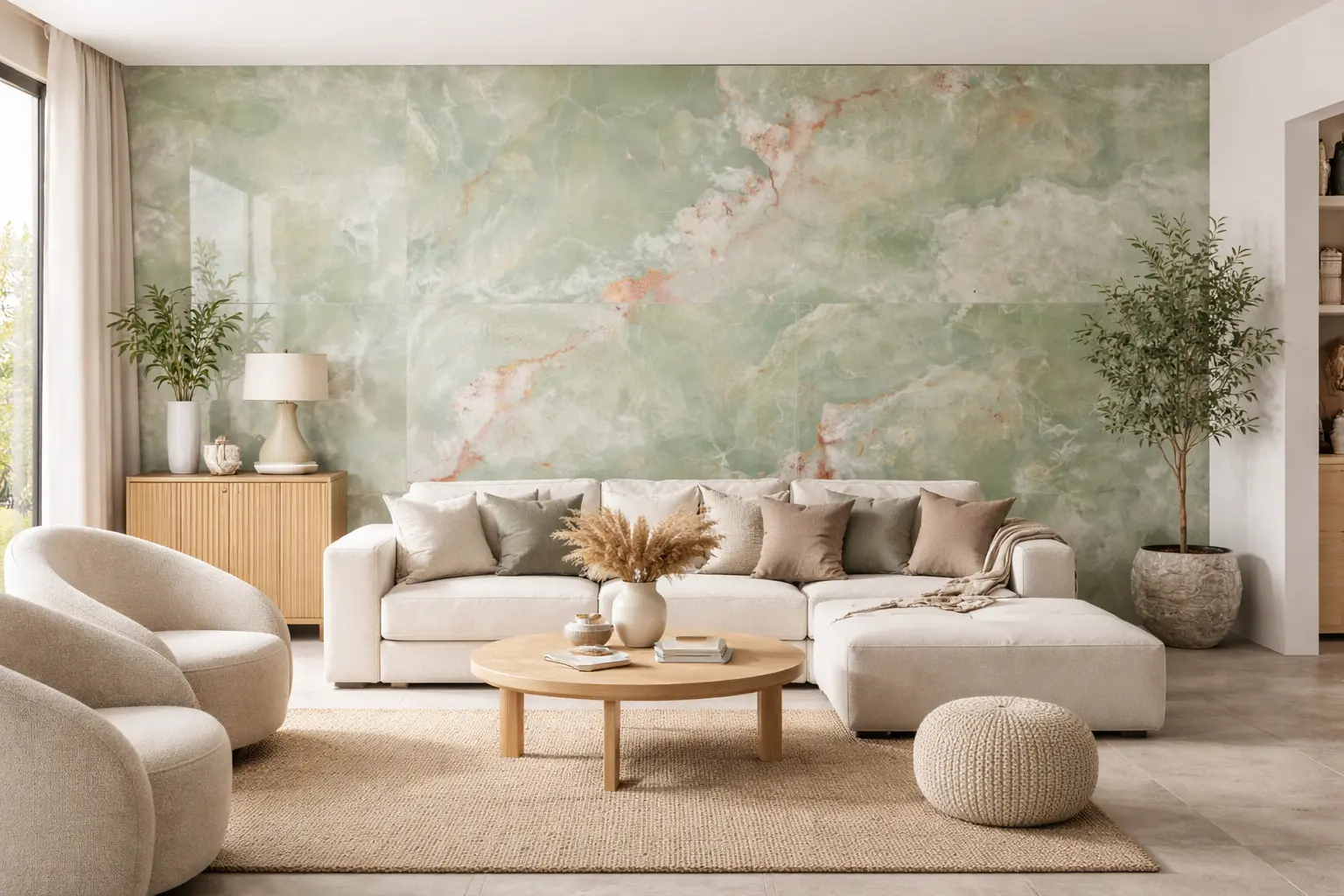
Sage Mineral
High gloss. Reflective depth for feature walls.
WHERE IT LIVES
Applications of Porcelain Tile
Porcelain's density and low absorption rate make it the material of choice for a wide range of residential and commercial applications.
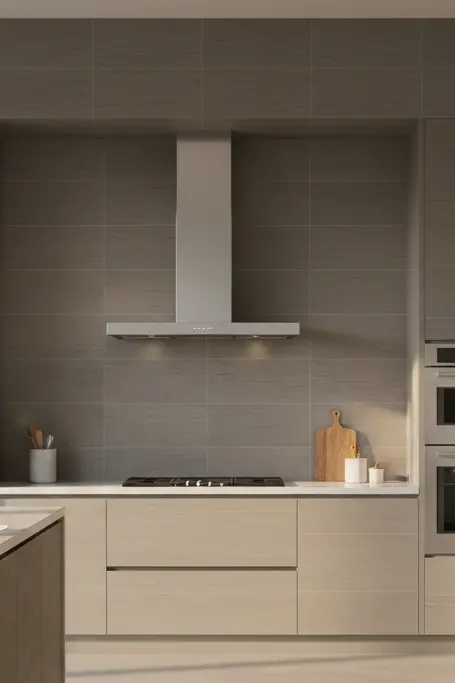
Kitchen
Stain-resistant and heat-tolerant surfaces for backsplashes, floors, and countertops.
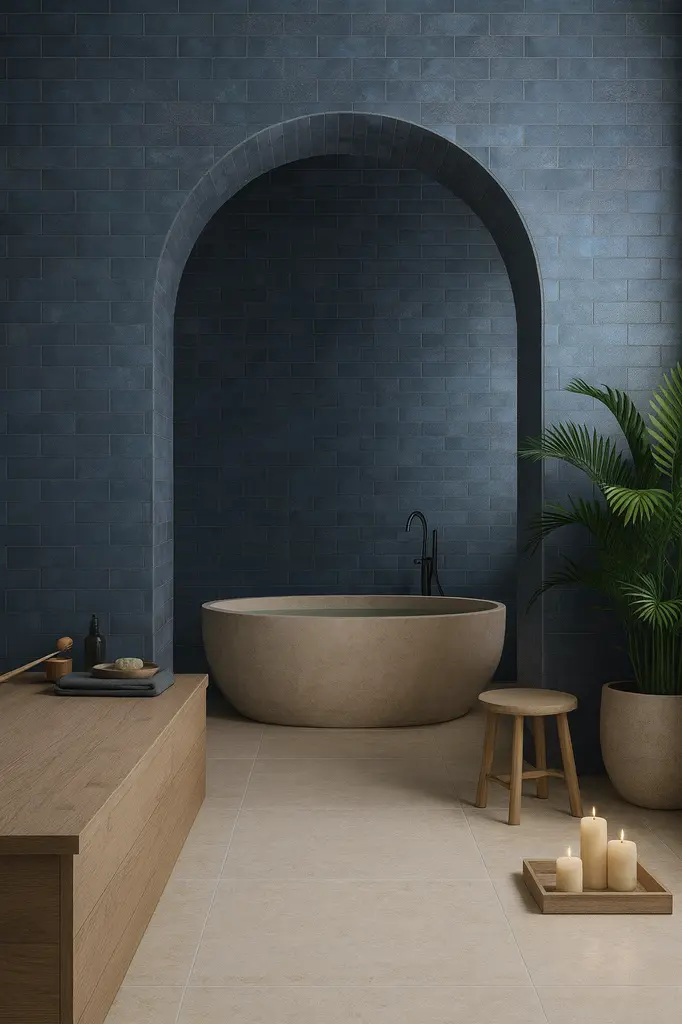
Bathroom
Zero water absorption and anti-slip textures for wet rooms, showers, and feature walls.
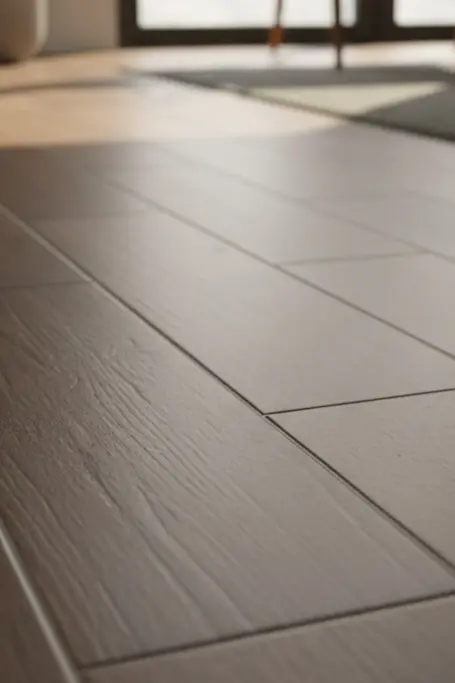
Floor
High-traffic durability with PEI ratings up to Class 5 for commercial and residential use.
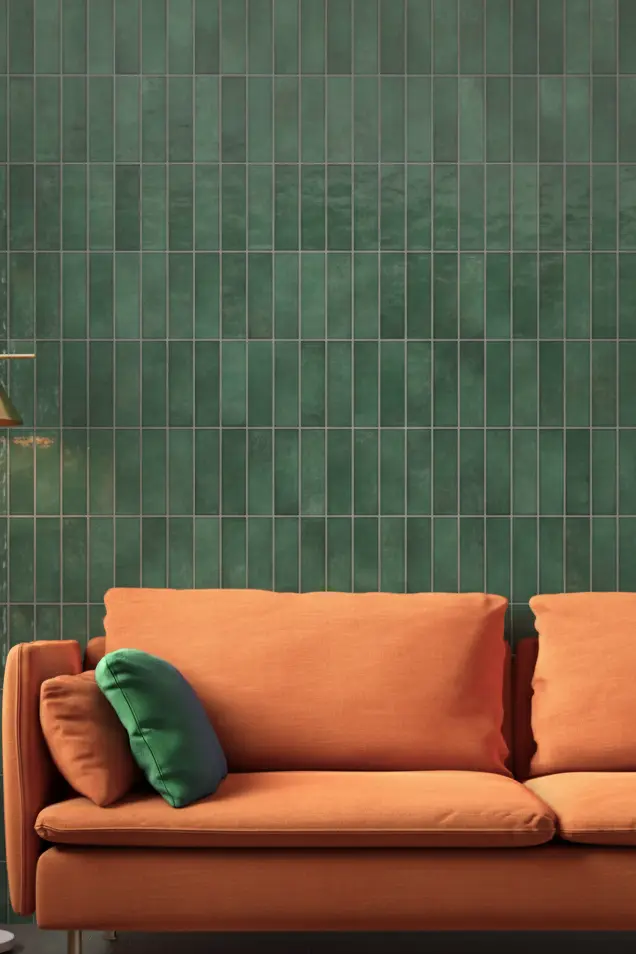
Wall
Large-format tiles create seamless, grout-minimal wall cladding with a refined, sculptural presence.
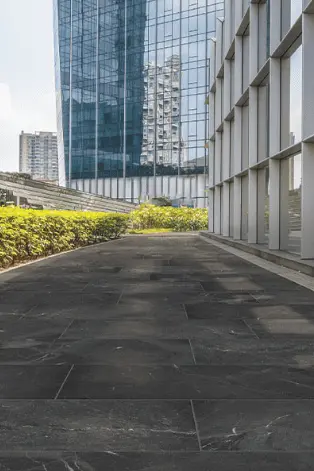
Outdoor Patio
Frost-resistant and UV-stable tiles for terraces, decking, and landscape design.
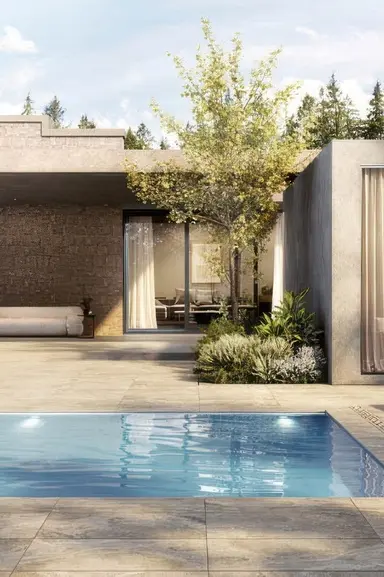
Pool & Spa
Chlorine-resistant finishes engineered for permanent submersion and safety underfoot.
LATEST PRODUCT COLLECTION
Discover What’s New in Our Inventory!
PLACEMENT
Exterior & Interior Use
The same tile, engineered for different applications. Knowing which grade suits each environment is the foundation of a durable, long-lasting installation.
Interior Applications
Interior porcelain tile is formulated for controlled environments, with consistent temperatures, no UV exposure, and moderate foot traffic. Wall tiles can carry lower density ratings, while floor tiles demand a minimum PEI III classification for residential and light commercial use, and PEI IV for moderate commercial environments such as hallways and retail spaces.
Exterior Applications
Exterior-grade porcelain must withstand freeze-thaw cycles, UV radiation, and standing water. Look for water absorption below 0.5% and R11 slip ratings for outdoor installations. Thickness of 20mm is standard for ground-level exterior decking laid directly on gravel beds.
PEI I–III FLOORS | WALL RATED | HIGH GLOSS | RADIANT HEAT SAFE |
| FROST RESISTANT | R11 ANTI-SLIP | 20MM OUTDOOR | UV STABLE |
Dense bodies stand up to scratching, staining, and moisture better than softer materials, making porcelain tile surfaces a reliable choice for entryways and halls. Slip ratings become especially important in wet conditions, so textured or matte finishes are better suited for moisture-prone areas, while polished surfaces work well in lower-risk spaces. Advances in bonding technology continue to improve installation performance, as highlighted in this flooring adhesive innovation report from a leading trade source.
DIMENSIONS
Sizes & Formats of Porcelain Tiles
From mosaic tesserae to meter-wide slabs, format choice is as much a spatial decision as it is an aesthetic one.
FORMAT
|
DIMENSIONS |
BEST USE |
GROUT JOINT |
Mosaic | Up to 5 × 5 cm | Pool interiors, shower floors, feature accents | 2–3 mm |
Small Square | 10 × 10 cm | Bathrooms, splashbacks, decorative borders | 2–4 mm |
Classic Subway | 7.5 × 15 cm | Kitchen backsplashes, café aesthetics | 3 mm |
Standard | 30 × 30 cm | Residential floors and walls, versatile use | 3–5 mm |
Medium Format | 60 × 60 cm | Open-plan floors, commercial spaces | 2–3 mm |
Large Format | 60 × 120 cm | Contemporary interiors, minimal grout lines
| 1.5–2 mm |
Maxi Slab | 120 × 240 cm | Full-wall cladding, kitchen islands, furniture | 1-2 mm Rectified only |
Plank / Wood-Look | 20 × 120 cm | Timber effect floors, hallways, living rooms | 2–3 mm |
1200-1300°C
FIRING TEMPERATURE
Vitrified at extreme heat, fusing clay and silica into a single dense body.
V PEI
WEAR RESISTANCE
Class V rated tiles withstand the most extreme commercial foot traffic environments.
R11+
SLIP RATING
DIN 51130 R11 rating minimum for wet exterior and commercial kitchen use.
PERFORMANCE
Technical Specifications
Porcelain is measured, not marketed. These are the numbers that matter when choosing a tile for demanding applications.
0.5%
MAX WATER ABSORPTION
ISO 10545-3. True porcelain absorbs less than 0.5%, making it virtually impermeable.
4 mm
MIN. THICKNESS (INTERIOR)
Standard wall tile; floor tiles begin at 8mm; outdoor slabs at 20mm.
Mohs 7
SURFACE HARDNESS
Comparable to quartz. Scratch-resistant under normal residential and commercial use.
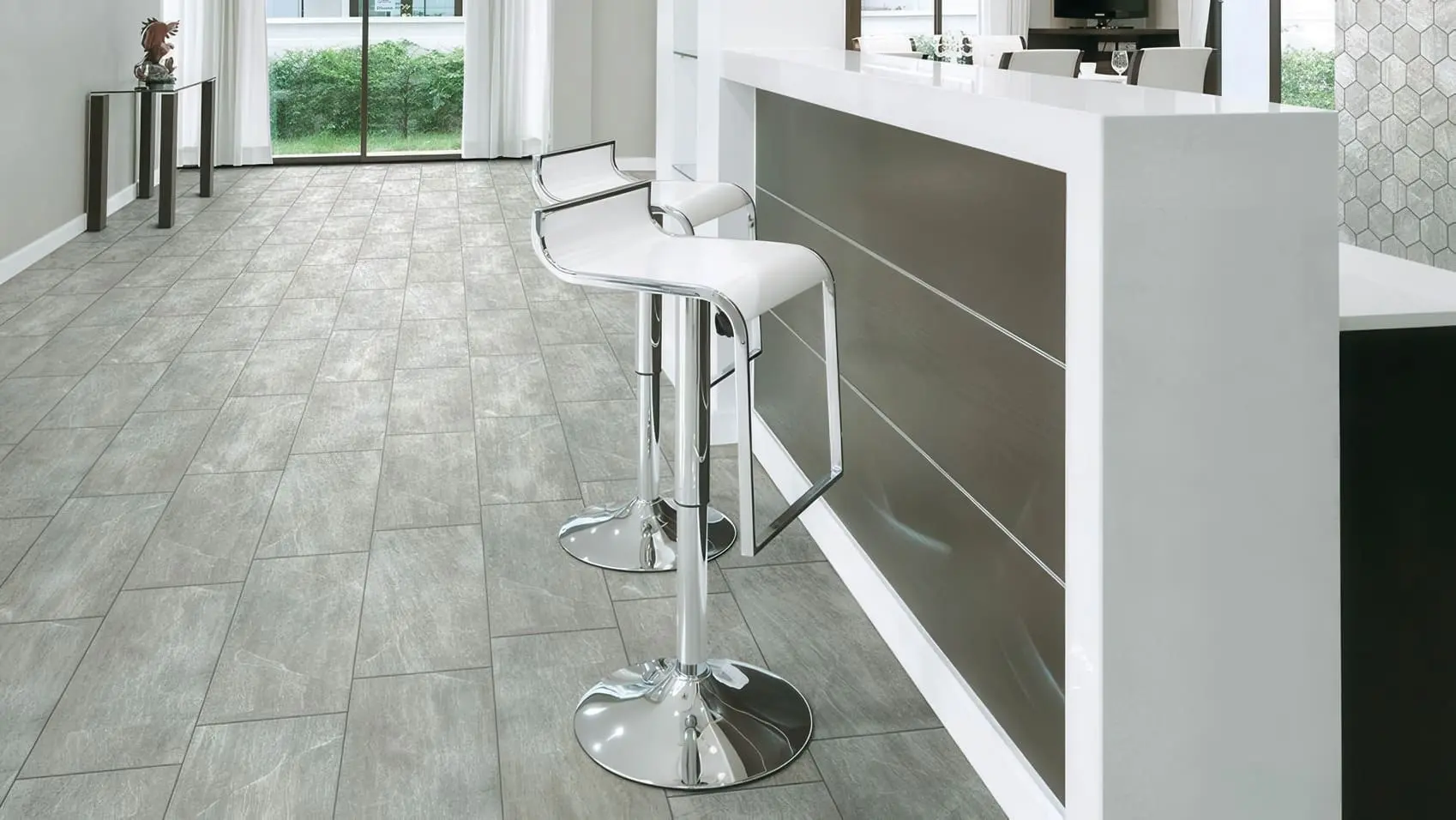
Porcelain tile forms from refined clays fired at high temperatures, producing a vitrified body with water absorption at or below 0.5% by weight.
Manufacturers grade porcelain tile on the PEI scale from one through five, which signals how much foot traffic a glazed surface can handle over time.
Through-body and glazed versions differ in how color runs through the body, a detail worth weighing when chips or edge cuts might show.
HOW IT'S DONE
Installation Methods
A tile is only as good as its bed. The method you choose determines longevity, sound, and finish quality.
No‑Cost Tile Design Advisory
Feel free to contact us or schedule an appointment for your free design consultation
Method one
-
Thin-Set Adhesive
The standard for interior floors and walls. Modified thin-set mortar provides flexibility and superior bond for tiles up to 60×60 cm.
Method two
-
Large Format Systems
Slabs over 60×120 cm require medium-bed mortar with full back-buttering and a notched trowel of at least 12mm to 19mm depending on tile size and substrate to prevent lippage.
Method three
-
Pedestal / Raised Access
20mm outdoor tiles are laid on adjustable pedestals over drainage membranes, requiring no adhesive and providing a fully accessible substructure.
Method four
-
Floating / Click Systems
Modern modular porcelain systems feature interlocking edges over underlay, allowing rapid installation for retrofits without structural adhesives.
Method five
-
Wet-Area Waterproofing
Shower enclosures and pool surrounds demand a tanked membrane beneath the tile bed before any adhesive is applied.
Method six
-
Tile Levelling Systems
Clip-and-wedge levelling ensures hairline grout joints on large format tiles, eliminating lippage on imperfect substrates.
Matching Porcelain Tile to Kitchen and Bathroom Designs
Kitchen layouts benefit from larger formats that reduce grout lines, keeping prep zones easy to wipe and visually calm under cabinetry and islands. Bathroom designs lean on porcelain tile for shower walls, floors, and niches because the low-absorption body shrugs off steam, splashing, and frequent cleaning. Coordinating finishes across rooms ties open floor plans together, and the full porcelain tile collection offers formats sized for both spaces.
LONGEVITY
Maintenance & Care
Porcelain is naturally low-maintenance, as its density resists staining at the molecular level. These habits help preserve its surface for decades.
Grout Care
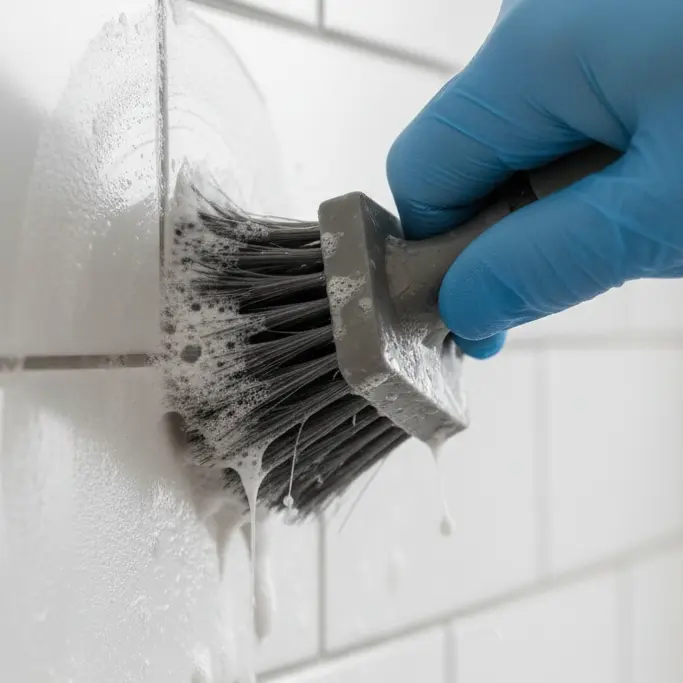
Grout is the tile's most vulnerable element. Seal cement grout annually in wet areas. Use a stiff brush and an alkaline grout cleaner. Never use bleach on colored grout, as it can cause premature fading.-
Sealing
Glazed porcelain tiles do not require sealing because their impervious surface provides sufficient protection. Unglazed or heavily textured tiles can benefit from a breathable penetrating impregnator applied every 3 to 5 years. -
Products to Avoid
Acid-based cleaners can damage polished glazes. Ammoniated products may discolor grout, and steel wool can scratch surfaces. Never use wax-based floor polish because it creates a film that traps dirt and dulls the finish.
-
Stain Removal
For oil-based stains, apply a poultice of bicarbonate and water for 24 hours. Mineral stains (limescale, iron) respond to diluted citric acid. Avoid abrasive scourers on polished and lappato surfaces. -
Outdoor Maintenance
Pressure washing at 100–150 bar clears moss, algae, and general weathering from textured exterior tiles. Apply a biocide treatment in spring to inhibit organic growth over the season. -
Daily Cleaning
Sweep or vacuum daily to prevent grit scratch on glazed surfaces. Damp-mop with a pH-neutral cleaner diluted in warm water and rinse to prevent residue film.
OUR LATEST PORCELAIN TILE INSIGHTS
Check out what's new in porcelain tile trends!
Frequently Asked Questions
Yes. Porcelain tile works on floors, walls, and many outdoor settings, as long as the chosen PEI grade and slip rating match the room.
Porcelain uses refined clay fired at higher heat, giving it a denser body and water absorption at or below 0.5%, lower than standard ceramic.
Matte or textured finishes add grip underfoot in wet areas, while polished faces suit drier walls and accent zones where slip risk stays low.
Most glazed porcelain needs no sealing because the surface is non-porous, though unglazed or heavily textured tiles may benefit from a penetrating impregnator applied every few years.
Medium formats around 300 × 600 mm (12 × 24 in.) balance fewer grout lines with easy handling, keeping small kitchen and bathroom designs open and bright.
Want to know more, contact us!
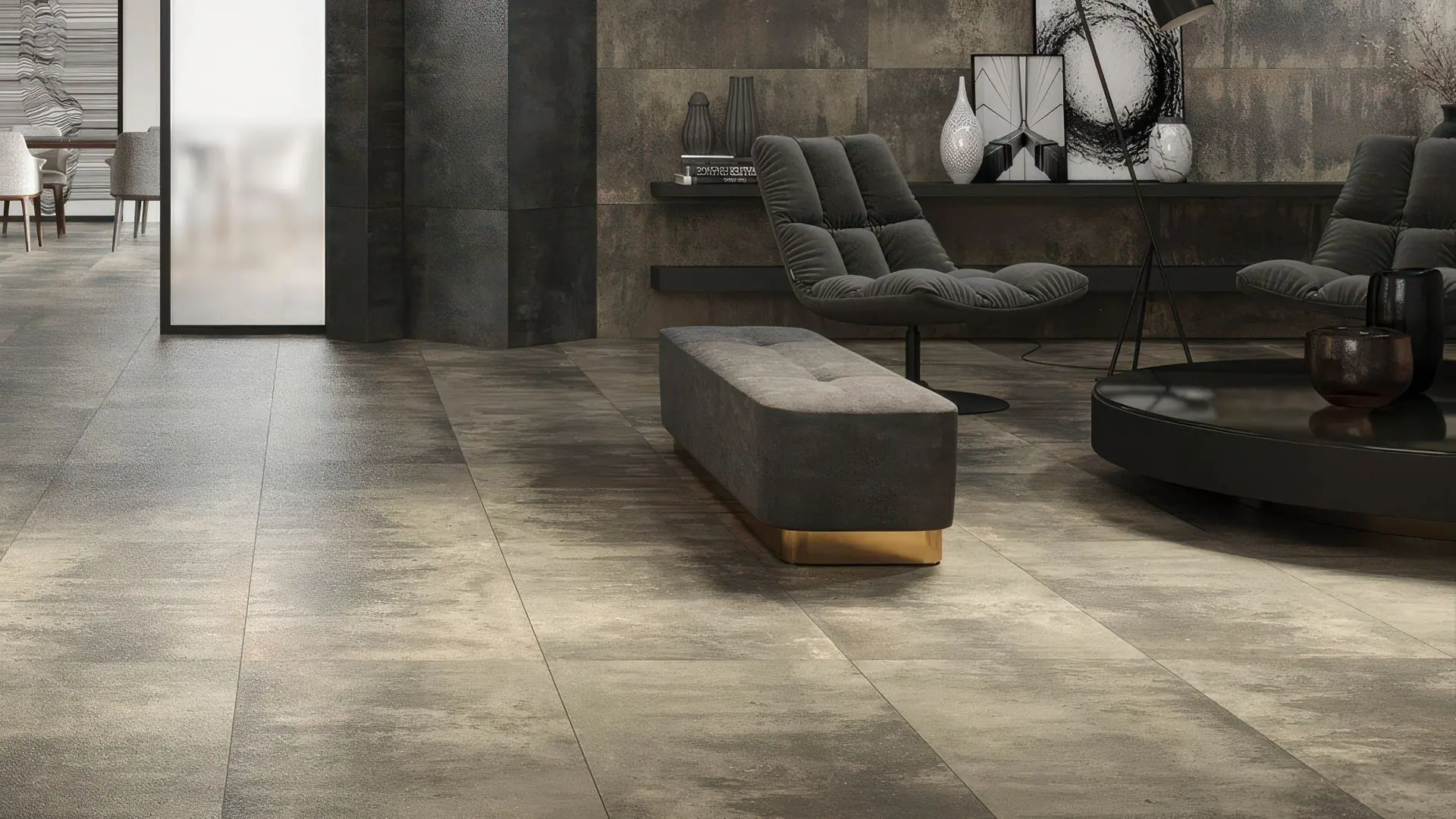
Note: Some images on this page may be conceptual renderings created to illustrate design possibilities and may not depict actual installations.