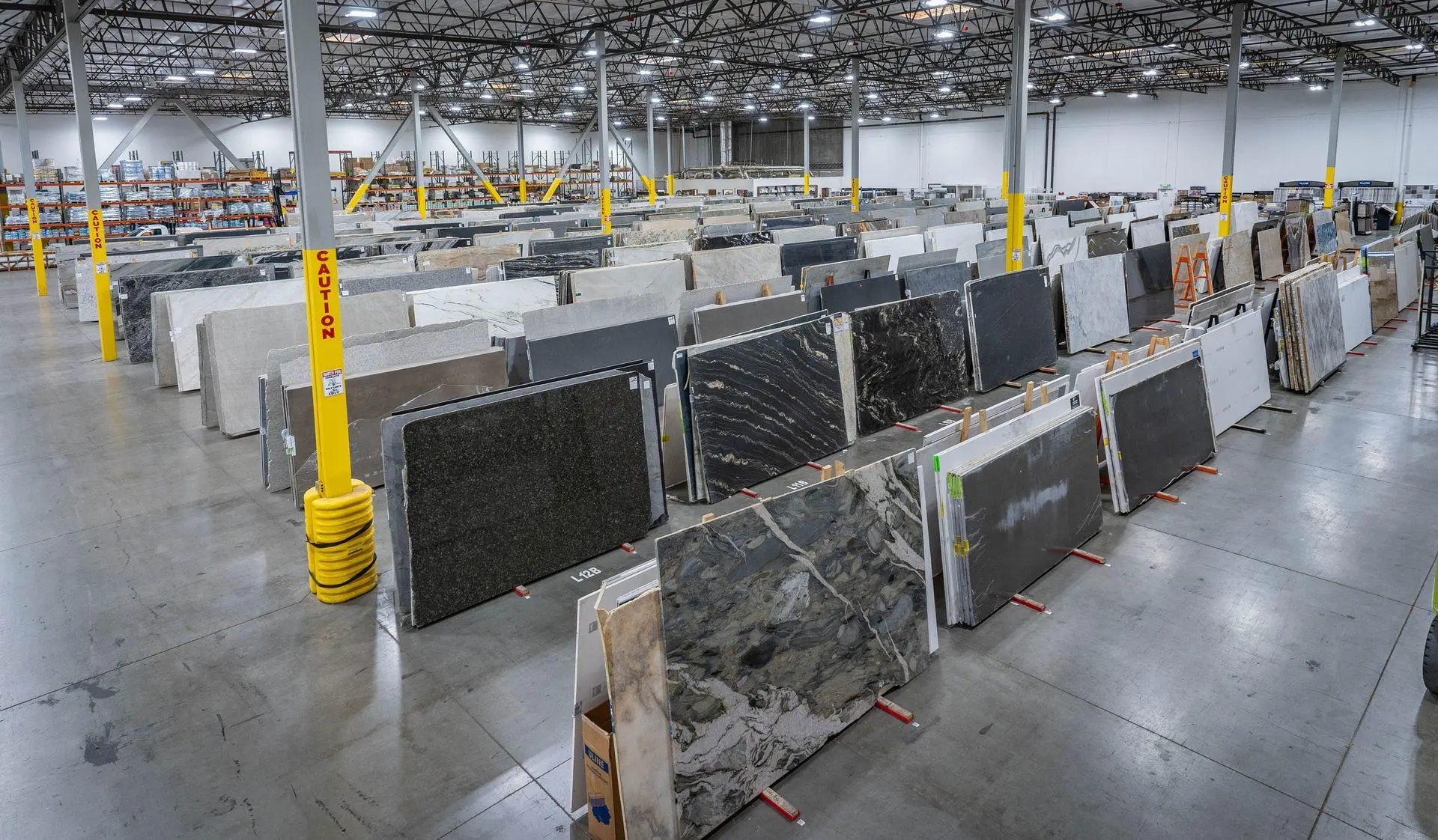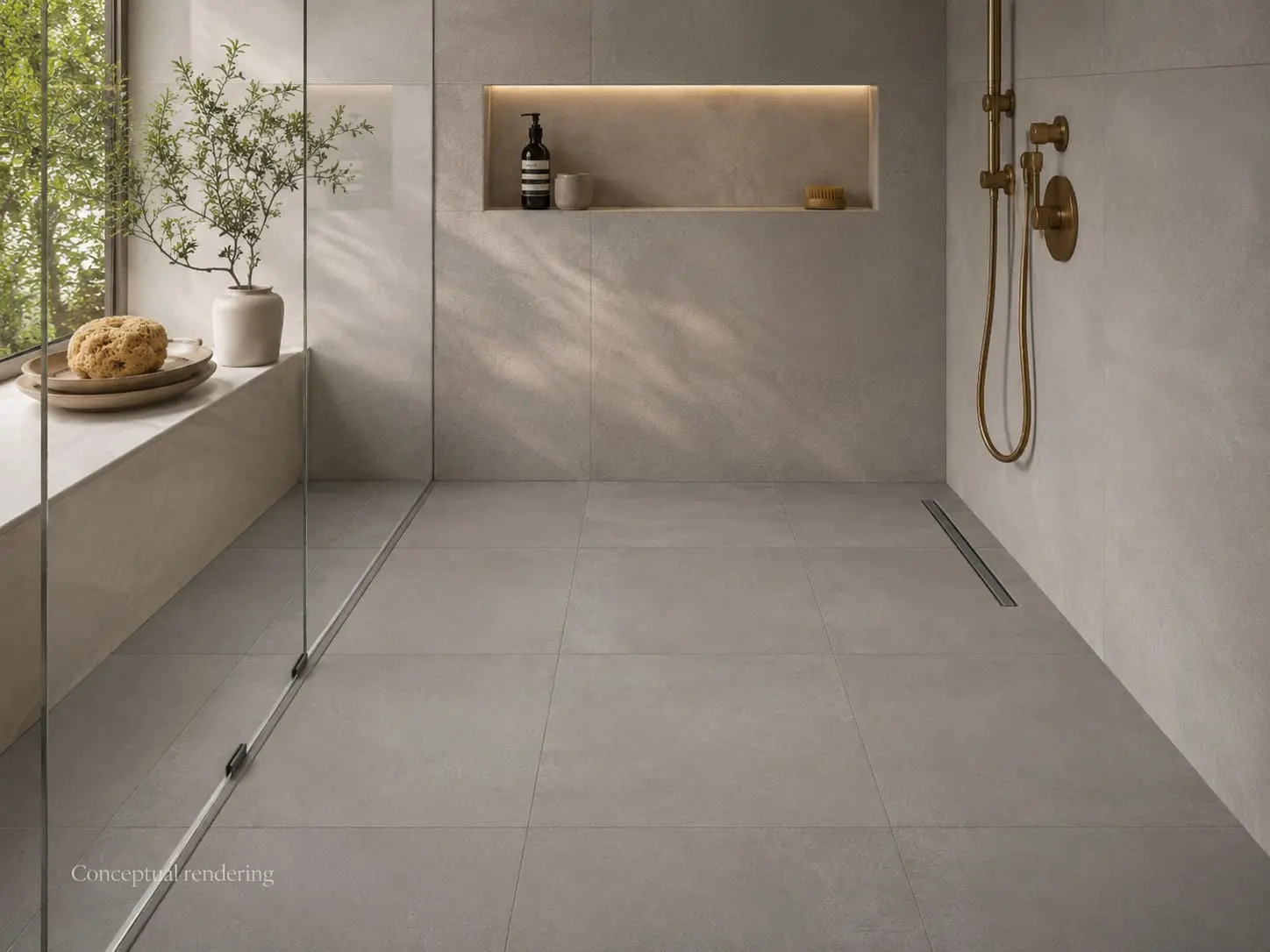
Choosing the right tile for a shower floor involves more than picking a color. The surface needs to hold up against constant moisture, foot traffic, and cleaning products while remaining safe underfoot. Porcelain shower floor tile is one of the most requested categories at our showrooms in Reno, Sacramento, Minden, and Fernley, and the reasons come down to a set of measurable material properties. You can browse the full range of available options through our tile and stone shop or visit our tile and stone showrooms to see selections in person.
Why Porcelain Works Well in Shower Floors
Porcelain is a fired ceramic material made from dense clay, typically fired at higher temperatures than standard ceramic. That process produces a tile with low water absorption, which matters in a wet environment like a shower floor. The ANSI standards for tile installation define a tile as impervious when its water absorption rate is 0.5% or less, and most porcelain tile falls into that category or close to it. That low absorption rate reduces the risk of water working into the tile body over time.
Porcelain is also a practical choice for floors because of its hardness. The PEI (Porcelain Enamel Institute) rating system measures surface durability. For shower floors specifically, a PEI rating of 3 or higher is generally recommended, as that range covers light to moderate foot traffic in residential settings.
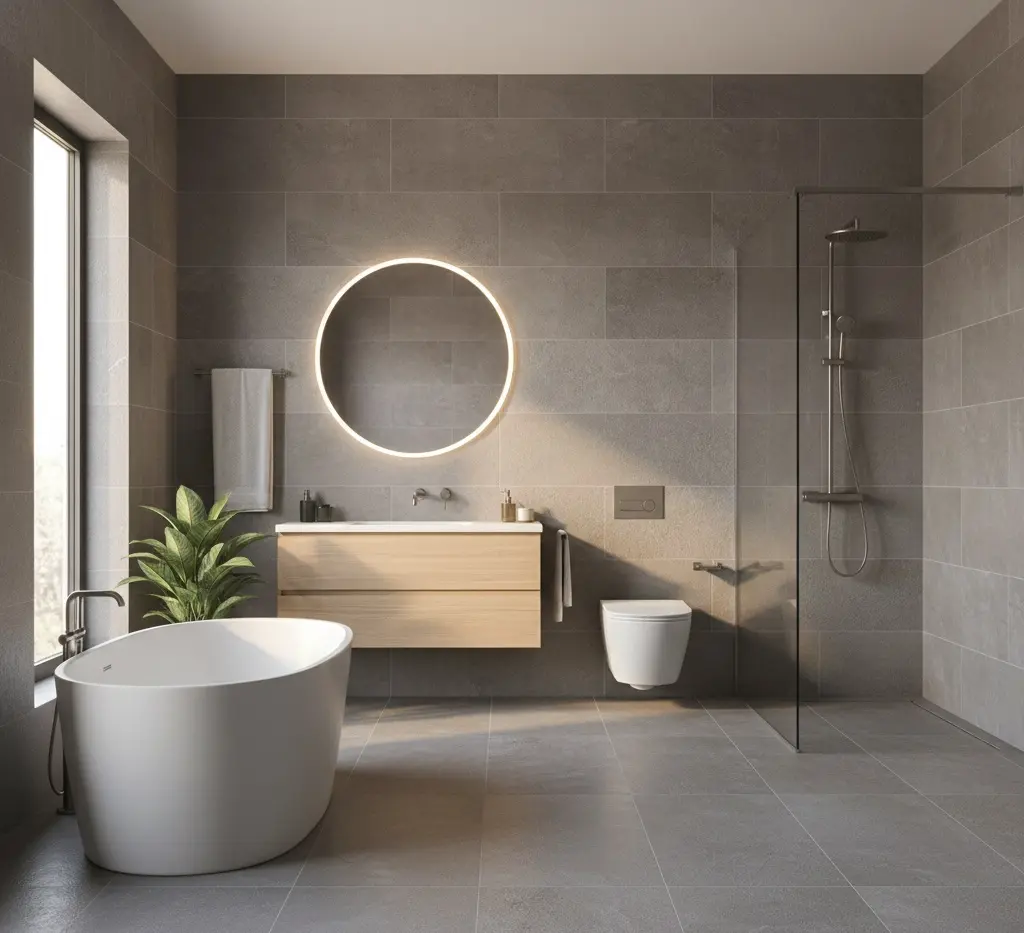
Note: Some images on this page may be conceptual renderings created to illustrate design possibilities and may not depict actual installations.
Shop Our Porcelain Tile Products
Slip Resistance and Finish Options
Slip resistance is one of the most important factors when selecting a porcelain shower floor tile. The DCOF (Dynamic Coefficient of Friction) rating measures how much traction a wet tile surface provides. The American National Standards Institute recommends a DCOF of at least 0.42 for wet floor applications. Matte and textured finishes typically perform better in this regard than high-gloss surfaces, which can become slippery when wet.
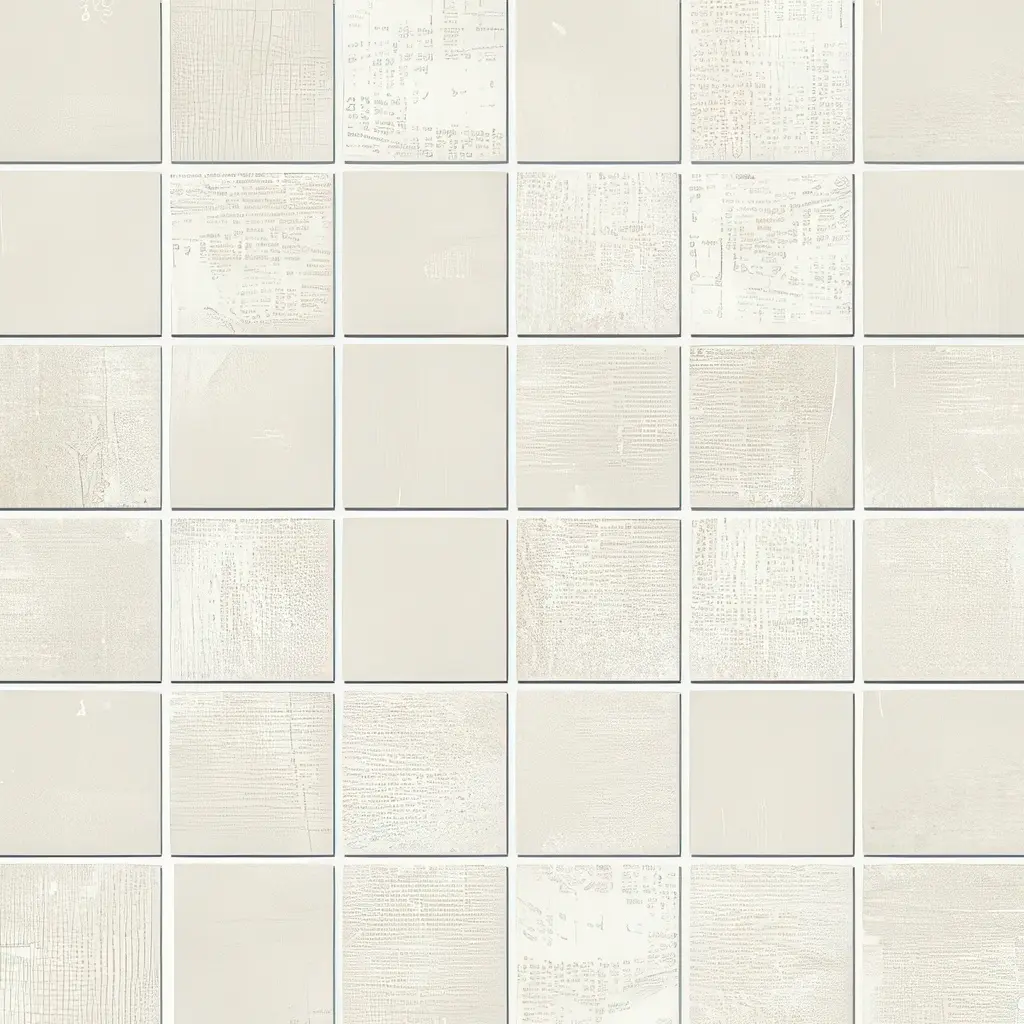
Smaller tile formats naturally create more grout lines, which add texture and traction. Mosaic tiles, penny round tiles, and small-format hexagon tiles are common on shower floors for this reason. Larger format tiles can also work with the right surface finish and proper slope toward the drain. If you want to go deeper on how porcelain behaves across different applications, our complete guide to porcelain tile covers material properties, finishes, and format considerations in detail.
Popular Formats for Porcelain Shower Floors
The format you choose affects both the appearance and the performance of the floor. Here are formats that come up frequently:
Mosaic tiles in the 1x1 or 2x2 range provide a high grout-line-to-tile ratio, which contributes to traction and allows the floor to conform more easily to the slope toward the drain. Penny round tiles follow similar logic and have a softer, more organic appearance. Hexagon tiles work in both small and medium formats and suit a range of design styles. Medium-format tiles in the 4x4 or 6x6 range offer a balance between the visual simplicity of a larger tile and the practical traction of a smaller one. For a textured option in a larger format, the Contemporary Slate 12x24 porcelain tile is available in a grip finish specifically suited for floor applications.
Selecting the right format also depends on your drain placement and whether the floor has a linear drain or a center drain, as this affects how the tile needs to be cut and laid.
Porcelain vs. Ceramic for Shower Floors
Both porcelain and ceramic are kiln-fired clay products, but they differ in density and water absorption. Ceramic tile generally has a higher absorption rate than porcelain, which makes porcelain the more common recommendation for areas with direct water exposure like shower floors. Glazed ceramic with a low absorption rate can also perform well in showers when properly installed with the right waterproofing system.
Understanding what separates certified porcelain from other tile types matters when making this comparison. The porcelain tile certification program maintained by the Tile Council of North America outlines the testing and standards a tile must meet to carry the porcelain designation. If you are comparing options across both categories, our team at any of our four showrooms can walk you through the technical specifications on specific products.
Ordering Samples Before You Commit
Color and texture can look different on a screen than in person, especially under bathroom lighting. Our $1 tile sample program lets you order a 4x4 cut-to-order sample before placing a full order. Samples ship free, so you can see the actual product in your space before making a decision. This is particularly useful for shower floors, where the tile you choose will be seen daily and needs to work alongside your wall tile, grout color, and fixtures.
For those working on a larger project or designing for a client, the Surfaces design and architecture resource provides additional industry context on material selection and specification. You can also book a free design consultation at any of our showrooms in Reno, Sacramento, Minden, or Fernley to speak with our team in person.
Frequently Asked Questions
Porcelain has a low water absorption rate, typically 0.5% or less, which makes it well-suited for wet areas like shower floors. Its density also holds up against regular foot traffic and cleaning products.
Matte and textured finishes generally provide better slip resistance than polished or high-gloss surfaces when wet.
Smaller formats such as mosaic, penny round, and small hexagon tiles are commonly used on shower floors because the higher number of grout lines adds traction and helps the floor follow the slope toward the drain. Medium-format tiles can also work with the right finish and proper installation slope.
Not always. Wall tiles do not need the same slip resistance or load-bearing capacity as floor tiles. A tile rated for floors can typically be used on walls, but a wall-only tile should not be used on the floor. Check the PEI rating and DCOF rating on any tile before using it on a shower floor.
You can order a $1 cut-to-order sample through our online shop, and all samples ship free. You can also visit any of our four showrooms in Reno, Sacramento, Minden, or Fernley to see tile displays in person and get a free design consultation.
Looking for immediate assistance?
We'd love to hear from you! If you have any questions, feedback, or need assistance, please feel free to reach out to us using the contact details provided. Our team is here to help and will respond as soon as possible. Thank you for getting in touch!
(Available Mon-Fri 7:30am - 4:00pm PST)
Unlike most customer service lines, ours connects you with real people.
When you call, just press 1 for online shopping support, or 2 for local shopping support!