Why Porcelain Floor Tiles Perform Well in Bathroom Spaces
Porcelain floor tiles for bathroom spaces are classified as impervious, with a water absorption rate of 0.5% or less per ASTM C373. High-temperature kiln firing produces a dense, vitrified body with a Mohs hardness of 7 for glazed surfaces and 8 for unglazed. For bathroom floors, a PEI rating of 3 or higher applies to glazed tiles, and a wet DCOF of 0.42 or greater is required under ANSI A326.3 for surfaces walked on when wet.
Beyond the structural specs, porcelain tile is produced in matte, textured, and polished finishes. Matte and textured surfaces carry higher wet DCOF values and are generally a safer choice for bathroom floors and shower areas, while polished finishes offer a reflective surface but typically score lower on wet slip resistance tests.
Nova Tile and Stone carries porcelain floor tiles for bathroom applications across all zones, with showrooms in Sacramento, Reno, Minden, and Fernley.
Bathroom Applications for Porcelain Floor Tile
Format and finish should be matched to each zone within the bathroom, as traction, drainage, and traffic requirements vary.
Main Bathroom Floor
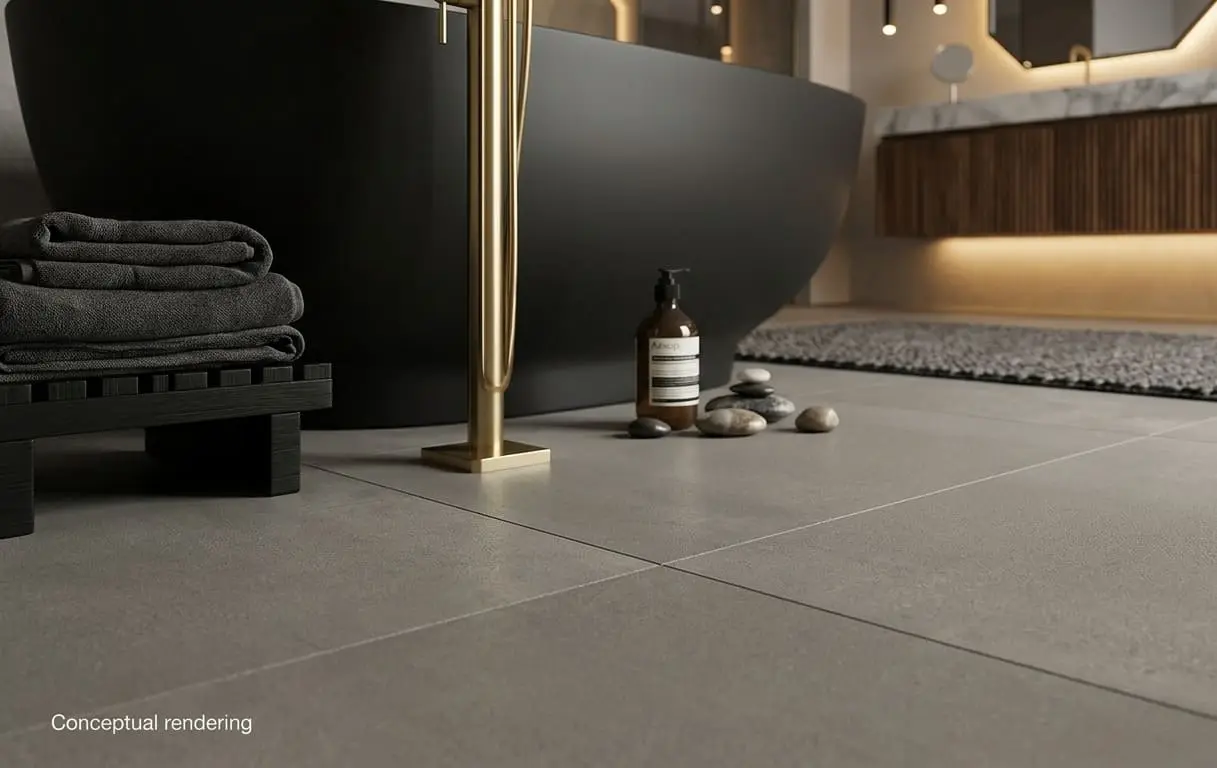
Large-format porcelain floor tiles in the 12x24 or 24x24 inch range are the most common choice for the primary bathroom floor. Rectified tiles, precision-cut to exact dimensions after firing, allow tighter grout joints that can simplify cleaning and may reduce maintenance over time. A matte or textured finish with slip-resistant surface properties is preferable to polished in a wet environment, as textured surfaces tend to sustain higher wet DCOF values more consistently.
Shower Floor
Shower floors are among the most demanding zones for porcelain floor tile in a bathroom. Smaller format tiles, typically 2x2 inch mosaics, are standard because more grout lines add slip-resistant texture on a sloped, wet surface. Tiles should carry a wet DCOF of 0.42 or higher under ANSI A326.3. For sloped shower floors, an R10 rating on the European slip resistance scale (DIN 51130) is often preferred. Matte-finish tiles are well suited here as their surface texture can help maintain traction.
Bathroom Entryway and Transition Zones
Entry areas adjacent to a bathroom see moderate foot traffic and occasional moisture. Porcelain floor tile with a PEI rating of 3 or higher is generally suitable, and matching the format and finish to the main floor creates a consistent, maintainable surface across the transition zone.
Porcelain Floor Tile Specifications for Bathroom Use
Understanding the technical ratings behind porcelain floor tiles allows for confident specification. The following specifications cover abrasion resistance, slip performance, and moisture tolerance relevant to bathroom applications:
Specification | Value / Standard | Why It Matters |
Water Absorption | ≤0.5% (ASTM C373) | Classifies porcelain as impervious; resists moisture penetration in wet areas |
Mohs Hardness | Glazed: Approximately Mohs 7 | Unglazed: Approximately Mohs 8 | Higher hardness indicates greater scratch resistance; relevant for areas with gritty footwear or cleaning tools. |
PEI Rating | 3 or higher for floor use | Indicates surface abrasion resistance for glazed tiles. PEI 3+ is suitable for residential bathroom floors and light commercial use. |
DCOF (Wet) | ≥0.42 per ANSI A326.3 | Minimum threshold for tiles used on level interior floors expected to be wet |
Breaking Strength | ≥250 lbf (≥1,112 N) average | Tested under ASTM C648 in accordance with ANSI A137.1. Indicates strong structural performance under load and improved resistance to cracking. |
Frost Resistance | Rated frost-resistant per ASTM C1026 / ISO 10545-12 when water absorption is ≤0.5% | Relevant for outdoor-adjacent or unheated bathroom spaces |
When specifying porcelain floor tiles for a bathroom, confirm water absorption, DCOF, and PEI values against the manufacturer's technical data sheet. Values can vary across products within the same tile family. For a broader overview of tile types, finishes, and installation considerations, see our Porcelain Tile: The Complete Guide.
How to Clean and Maintain Porcelain Floor Tiles in a Bathroom
Porcelain floor tiles are low-maintenance, but a consistent routine can help preserve surface durability and slip resistance over time.
Routine Cleaning for Porcelain Bathroom Floors
• Sweep or dry-mop the bathroom floor regularly to remove abrasive particles, which can dull the tile surface over time, particularly on polished finishes.
• Damp-mop weekly using a neutral pH cleaner suited to porcelain tile. Avoid highly acidic or highly alkaline cleaning products, as these can degrade grout and, in some cases, affect the tile surface.
• Rinse the floor after mopping to prevent residue buildup, which can reduce traction and may pose a slip risk in wet bathroom areas.
Grout Maintenance
• Inspect bathroom floor grout lines periodically for cracking or discoloration. Damaged grout should be regrouted promptly to prevent moisture from reaching the substrate.
• Seal grout in wet areas such as shower floors annually or per the manufacturer's recommendation. Porcelain floor tile itself does not require sealing, but unsealed grout can absorb moisture and may stain.
What to Avoid on Porcelain Bathroom Tile Floors
The following products and methods should be avoided:
• Film-forming sealers should not be applied to porcelain tile. Because porcelain does not absorb sealers, the product sits on the surface and can reduce traction, posing a slip hazard when wet.
• Avoid abrasive scrubbing pads on polished porcelain floor tile, as these can introduce fine surface scratches that are more visible on reflective finishes.
• High-pressure steam is generally safe for porcelain tile but may soften grout joints over time, affecting slip-resistant texture. Follow grout manufacturer guidance.
Recommended Products
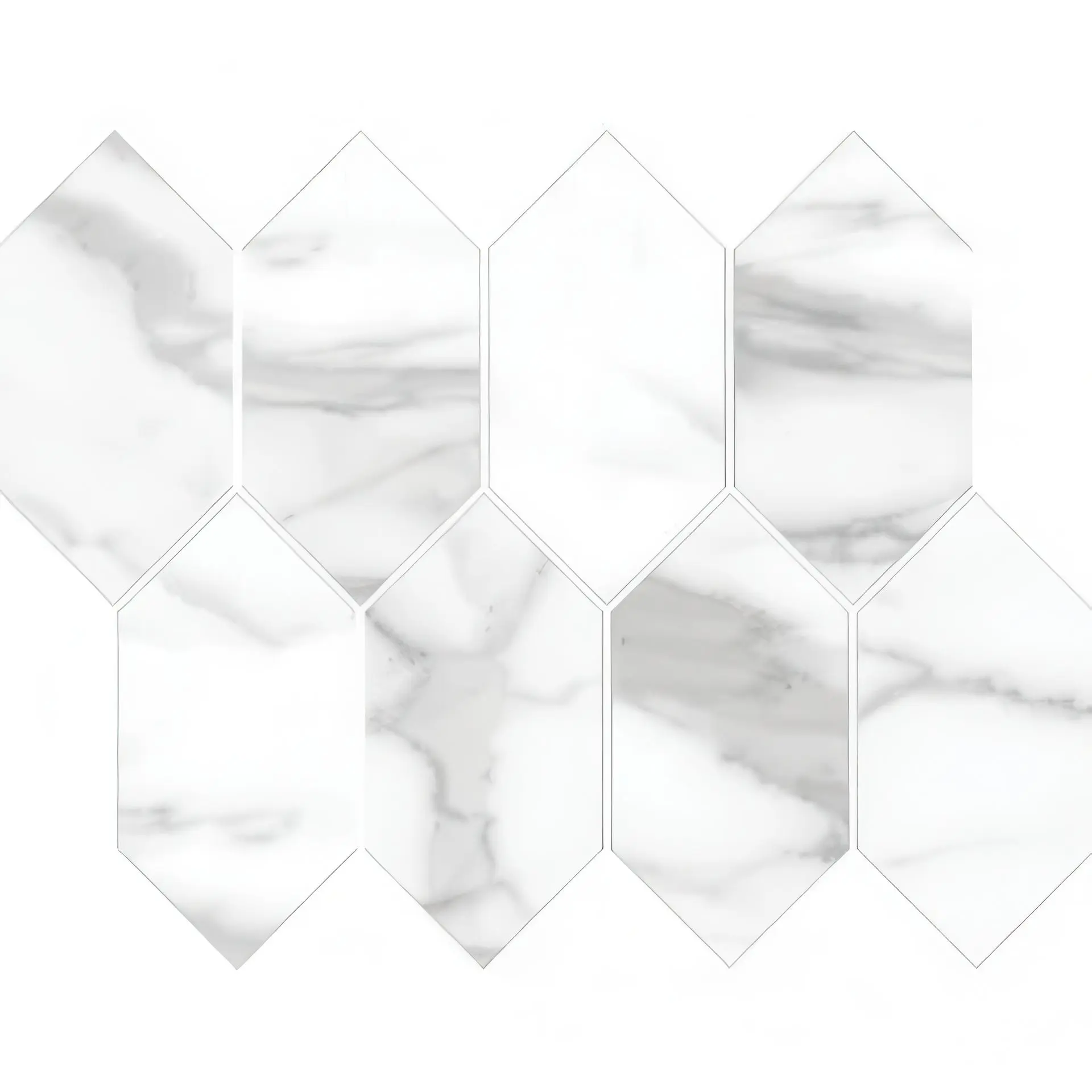
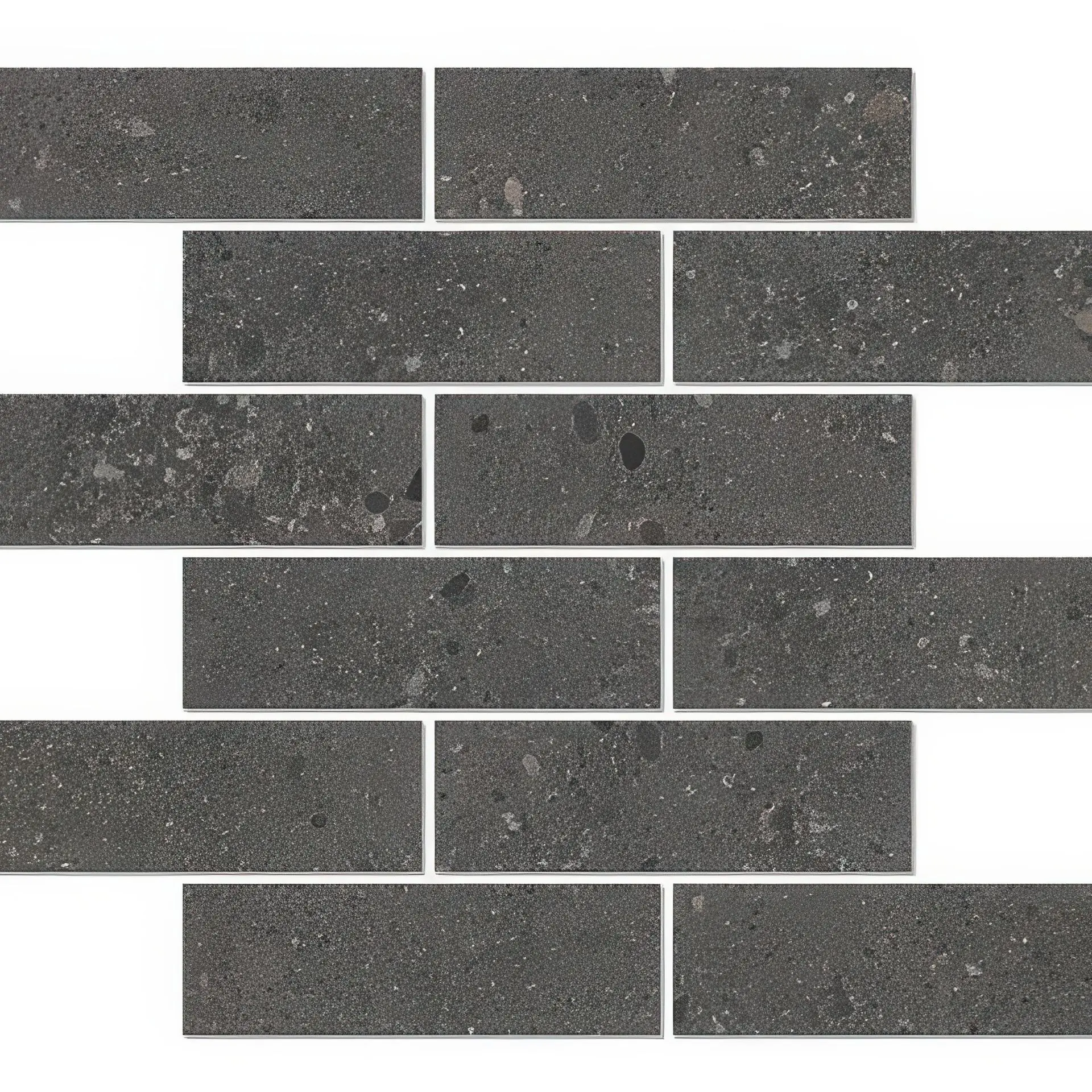
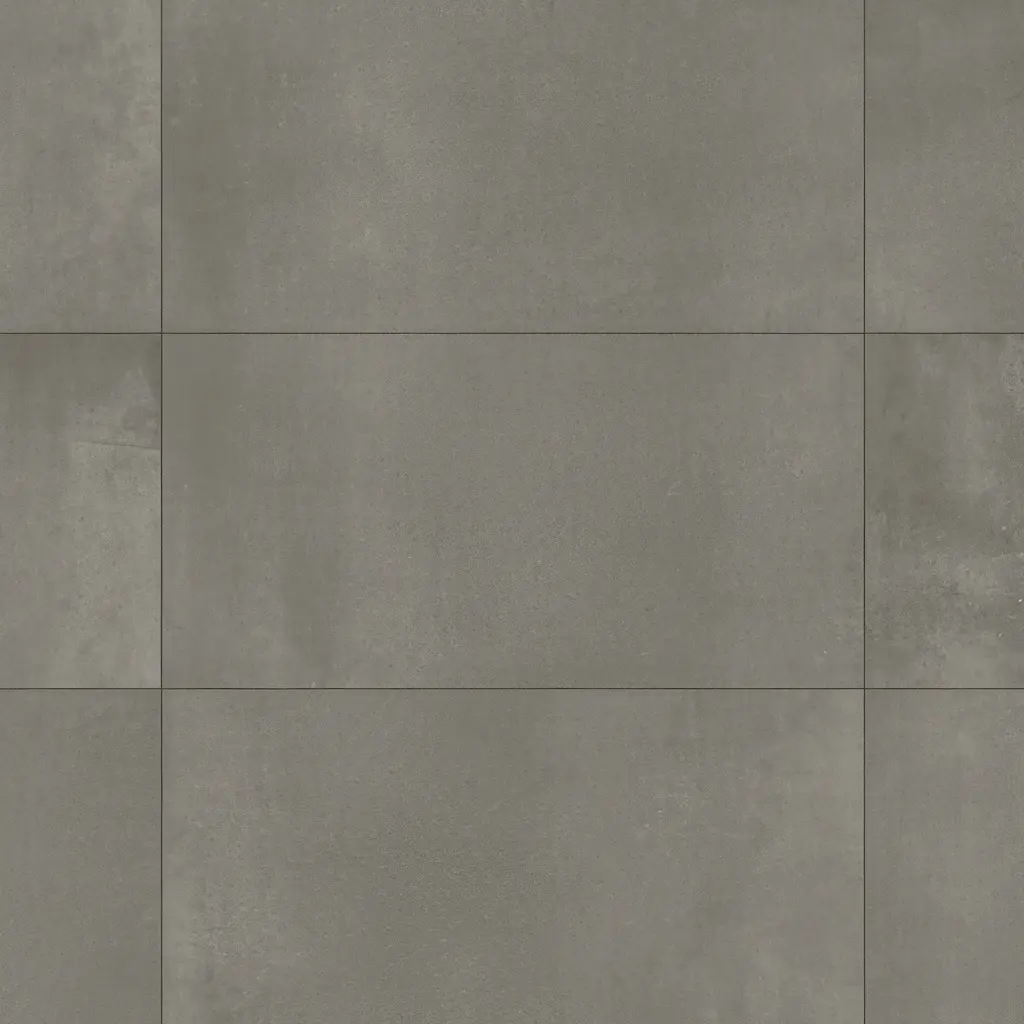
Visit Nova Tile and Stone
Nova Tile and Stone has showroom locations in Sacramento, Reno, Minden, and Fernley. Visit us to evaluate samples and compare finishes in person, or browse our porcelain tile inventory online and contact our team to confirm specs for your bathroom project.
Frequently Asked Questions
Porcelain floor tiles for bathroom use are classified as impervious under ASTM C373, with water absorption of 0.5% or less. Standard ceramic tile absorbs considerably more moisture, which can raise the risk of water damage, staining, and cracking over time. For wet areas, that density difference is measurable and practical.
A wet DCOF of 0.42 or higher, in accordance with ANSI A326.3, is commonly recommended for level interior bathroom floors. For sloped shower floors, an R10 rating on the European DIN 51130 scale is often preferred. Always confirm the DCOF value on the tile’s technical data sheet, as surface finish significantly affects slip resistance.
Porcelain floor tile does not require sealing due to its low water absorption. Grout, however, is porous and should be sealed in wet bathroom areas, with annual reapplication as a general baseline. Use a grout sealer formulated for the specific grout product, not a penetrating stone sealer designed for natural stone.
Large-format porcelain floor tiles work well on a bathroom floor when the substrate is sufficiently flat. These formats require precise substrate preparation to prevent lippage between tiles. A latex-modified thinset mortar and back-buttering each tile are standard practices to achieve full mortar coverage.
Matte and textured porcelain floor tiles generally deliver higher wet DCOF ratings, making them the more practical choice for bathroom floors. Polished porcelain offers a reflective appearance but typically scores lower on wet traction tests. Both are water-resistant and durable; the primary difference is surface grip. Verify a polished tile’s wet DCOF against the 0.42 guideline under ANSI A326.3 before specifying.