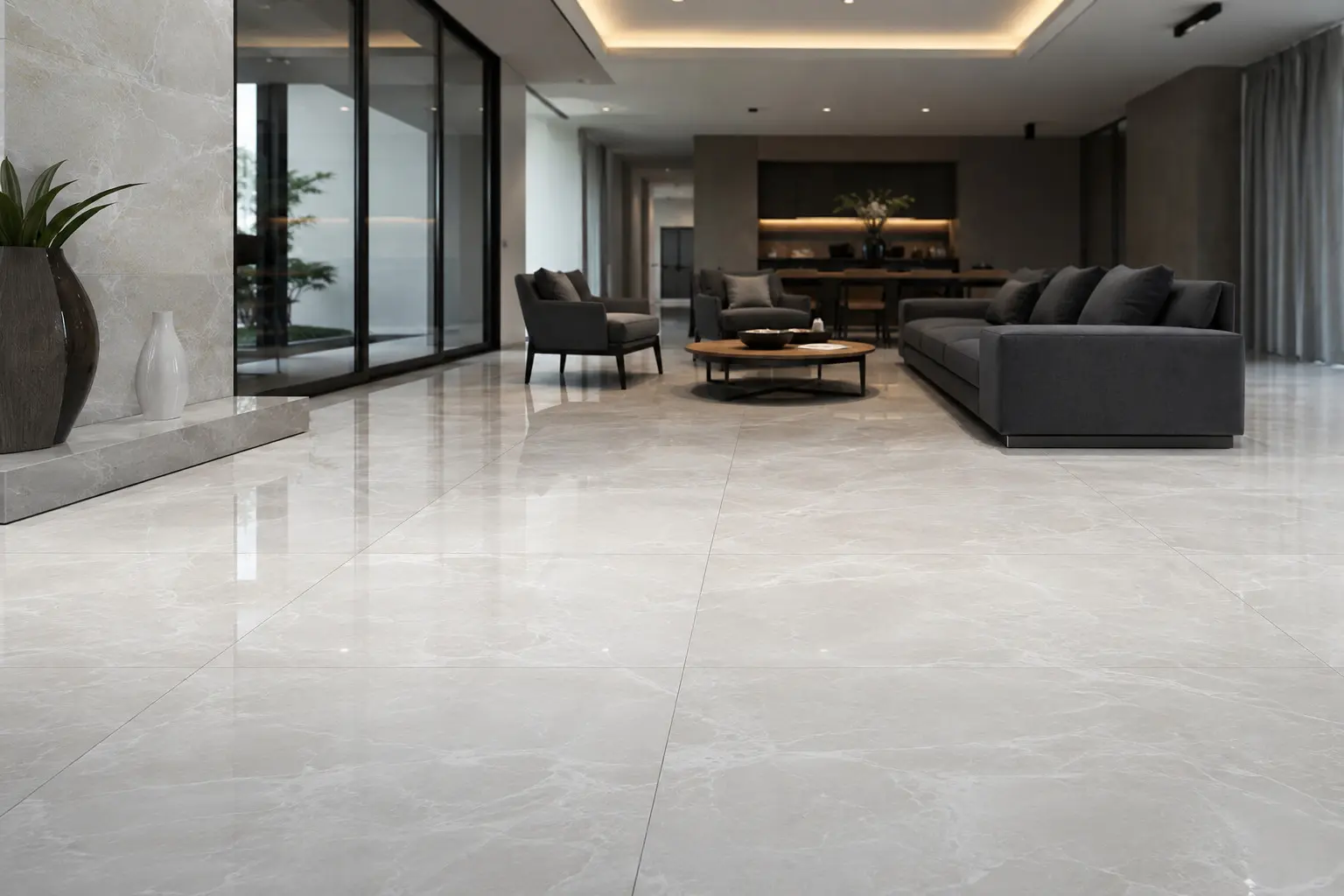
A dense, fired ceramic body sealed with a glass-based glaze coating, glazed porcelain tile combines low water absorption with a broad range of surface finishes and color options. The glaze is fused permanently onto the tile body during firing, creating a non-porous surface suited to floors, walls, and outdoor applications across residential and commercial settings.
Our team
works with homeowners, designers, and contractors across Nevada and Northern
California to help find the right tile for each application. To learn more
about our background and showroom locations, visit our main page. You can also visit our porcelain tiles page to know more about porcelain.
~FINISH GUIDE~
Glaze, Sheen, and Texture: Finding the Right Finish
The glaze layer is where this material expresses its full
design range. A liquid glass-based coating is applied to the tile body and
fired at high temperatures, locking in color and surface texture with
consistency. Glossy finishes produce a smooth, reflective surface that works
well on walls and backsplashes, but polished surfaces can be more slippery when
wet and are generally better suited for walls than floors. A matte finish
scatters light rather than reflecting it, concealing surface smudges more effectively
and offering better underfoot grip, making it a practical choice for floors,
hallways, and exterior installations. Between these two sits the satin or
lappato finish, a semi-polished surface with moderate sheen that balances
cleanability with a refined aesthetic.
Textured and anti-slip glazes replicate
the appearance of natural materials while embedding tactile grip into the
surface, making them a common choice for wet rooms, outdoor terraces, and pool
surrounds. If a marble-inspired look is part of your project,
our
marble
look porcelain tile page features tiles with veining and tonal depth across
a range of applications. For a broader look at finishes, sizes, and
specifications, our complete
porcelain tile guide covers the full scope of what this material can do.
Soft & grippy
Natural-look grip
~PERFORMANCE & RATINGS~
Built to Perform: Floors, Walls, and Outdoor Surfaces
Wall only · no traffic
0Very light residential
1Light foot traffic
2Residential floors
3Busy / light commercial
4Heavy commercial
5Finish choice matters, but installation setting and traffic
level are equally important. Glazed porcelain tile suits floors, walls, and
outdoor surfaces, though the right grade is essential for each setting. On
floors, tiles are rated on the PEI scale from Class 0 through Class 5,
measuring how much abrasion the glaze can withstand. The glaze layer is
non-porous and resists penetration from oils, liquids, and common household
spills, but spills should still be cleaned promptly to protect the finish. On
walls, large-format tiles create clean, low-grout surfaces, and the glaze can
carry color gradients and textures fired permanently into the surface, though
proper installation is essential for long-term results.
For outdoor use,
exterior-grade tiles must carry a frost-resistance classification with water
absorption at or below 0.5 percent, as defined by TCNA porcelain tile certification standards. In the US, slip resistance is
measured by DCOF under ANSI A137.1 and ANSI A326.3, with a minimum wet DCOF of
0.42 required for interior wet floors and 0.55 or greater generally expected
for exterior and wet-plus applications. Our team references ANSI A108 installation standards for radiant floor heating projects, where flexible
adhesive and expansion joints are key factors. Architects and design
professionals working on exterior projects can find additional resources
through the International Surface Event design program.
~CLEANING & CARE~
Easy to Live With: Cleaning and Care Tips
This tile is easy to maintain, though a consistent routine helps preserve its appearance over time.
EVERYDAY
Sweep or vacuum regularly to clear grit before it scratches underfoot.
Damp-mop with a pH-neutral cleaner in warm water, then rinse to avoid a dulling residue.
Skip sealing the tile itself, but seal grout joints in wet areas and reseal periodically.
AVOID
Abrasive
scourers, steel wool, and scouring pads on polished or lappato surfaces, they
micro-scratch and dull the gloss.
Acid-based
cleaners, ammonia, and wax polishes, they can etch the glaze or leave a film
that is hard to remove.
STAINS & DEPOSITS
Oil-based stains: a bicarbonate-and-water paste, left a few hours, then rinsed clean.
Limescale & minerals: a diluted citric-acid solution applied briefly, then rinsed well.
Outdoors: moderate pressure-washing clears moss; a seasonal biocide manages growth in damp, shaded spots.
Shop our featured porcelain tiles
Frequently Asked Questions
This tile has a fired glass-based coating that adds color, sheen, and resistance to staining and moisture. Unglazed porcelain has no surface coating, so its color and texture run through the full tile body. Unglazed tiles generally benefit from sealing to protect against staining, while the glazed version does not typically require it.
It depends on the finish. Highly polished glazes can be more slippery when wet and are generally better suited for walls or low-risk floors. Matte, textured, and anti-slip finishes are preferred for floors, wet rooms, and exterior surfaces where grip is a priority. In the US, a wet DCOF of 0.42 or greater under ANSI A137.1 is the standard minimum for interior floors expected to get wet, so checking the DCOF value on the spec sheet is a practical step.
Yes, provided the tile carries a frost-resistance classification with water absorption at or below 0.5 percent and an appropriate slip resistance rating. In the US, DCOF under ANSI A326.3 is the relevant standard, with exterior and wet-plus applications generally requiring a wet DCOF of 0.55 or greater. Confirming the rating on the tile's data sheet is a recommended step before specifying any exterior tile.
Class 3 is the standard minimum for residential floors with normal foot traffic. Class 4 suits busier areas or moderate commercial settings. Class 0 through Class 2 are generally suited for walls or very light use only. Our team can help match the right rating to your project during a consultation.
It can perform well in bathrooms because the fired glaze resists moisture absorption and is easy to clean, but the right finish matters depending on where it is used. Matte and textured glazes are the better choice for shower floors and wet areas, while glossy finishes work well on walls and drier surfaces. Our team is available to help, and you can book an appointment at your nearest showroom to get started.
See it in person
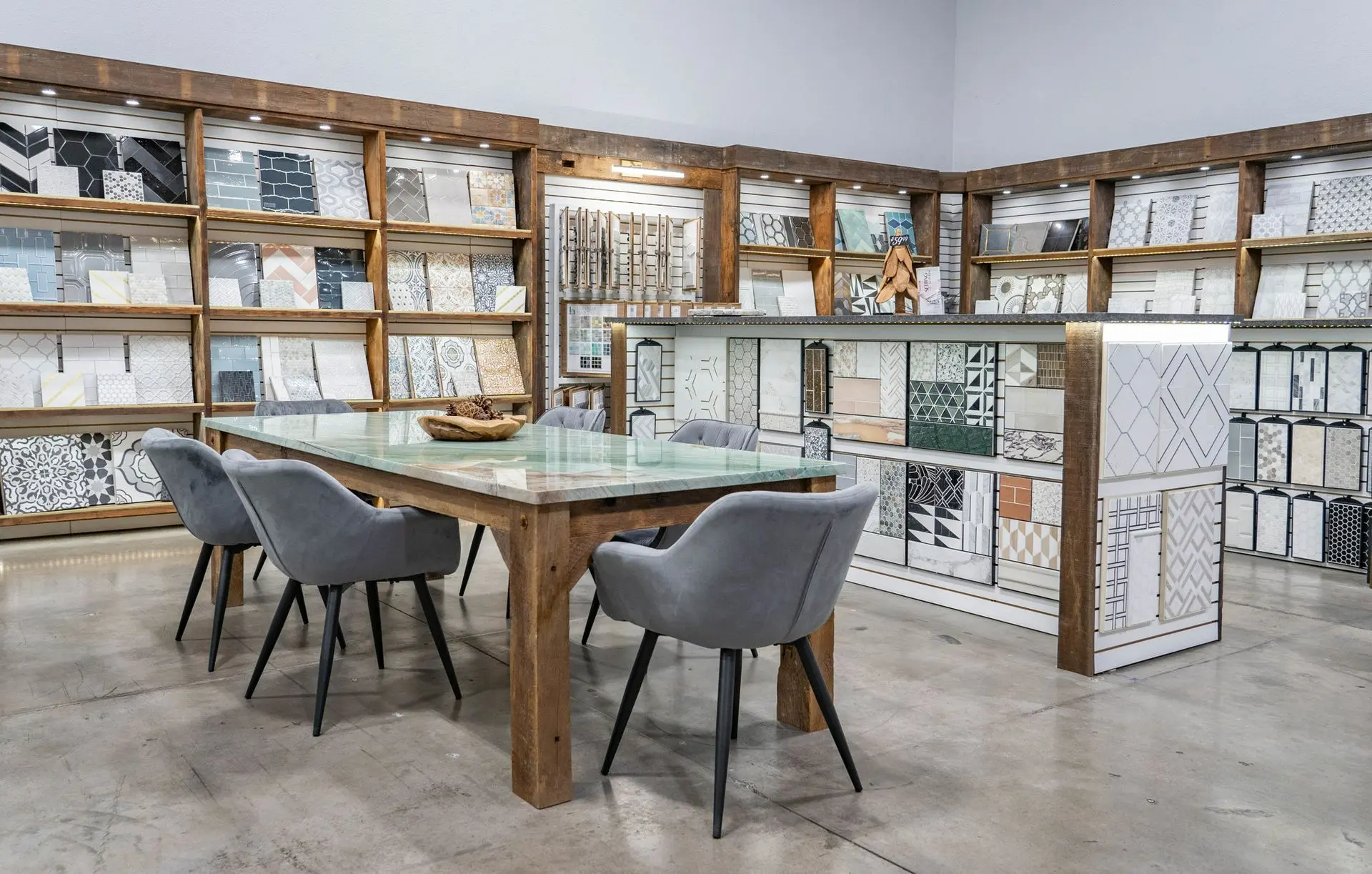
Compare finishes, sizes, and color under real light. Our team across Nevada and Northern California will help match the right tile to your project.