Skip to Content
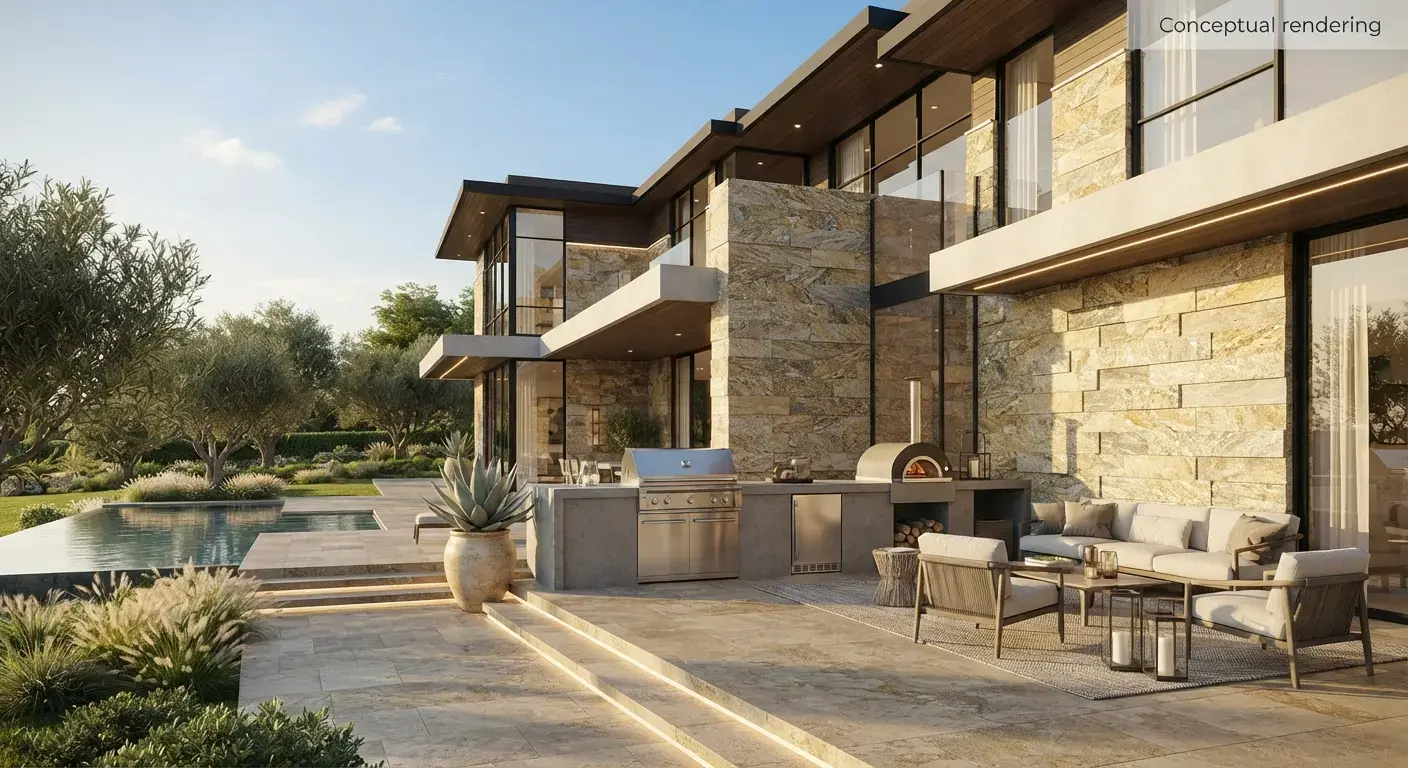
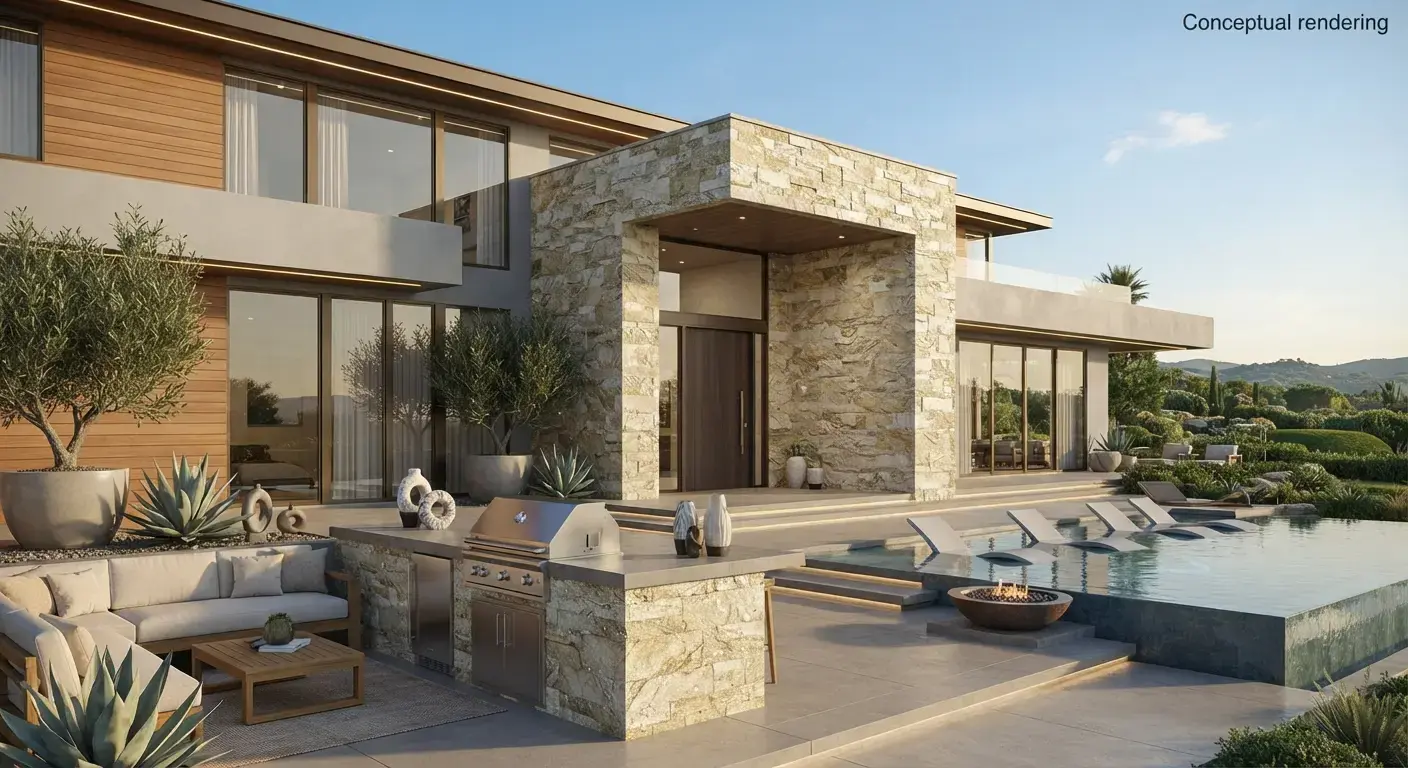
Conceptual rendering of quartzite ledger stone in exterior panels. Conceptual rendering

Quartzite Ledger Stone

Quartzite ledger stone is a natural stone wall cladding made from split strips of quartzite bonded into stacked panels, most often 6 by 24 inches. Quartzite is a metamorphic rock rated about 7 on the Mohs hardness scale, which makes these panels harder than slate or limestone ledger and well suited to fireplace surrounds, accent walls, and exterior facades.


What Is Quartzite Ledger Stone?

Quartzite ledger stone is real stone, unlike manufactured stone veneer, which is cast concrete colored with pigments. Color and texture vary from piece to piece, and the split face gives a wall the layered look of hand-stacked drystack stone while installing in uniform panel units.

Quartzite forms when quartz-rich sandstone is exposed to intense heat and pressure, which recrystallizes its quartz grains into a dense, tightly bonded stone. Many varieties carry a natural shimmer from quartz and mica that catches light across the face of the wall.

Ledger stone is also called stacked stone. Some panels sold as quartzite are mica-rich stones closer to schist or slate, so check the material on the specification sheet. Our quartzite ledger stone wall panels show how the format looks on a finished exterior.

Social Media

Can a Ledger stone Accent Wall Handle Sun, Rain, and Freezing Weather?

An outdoor ledger stone accent wall faces sun, rain, and temperature swings. Each stone absorbs water and weathers in its own way, so exterior suitability should be confirmed for the specific product. In Reno, Minden, and Fernley, cold winter nights can bring repeated freeze and thaw cycles, which may stress an accent wall built from stone that holds a lot of water, while in Sacramento, summer heat and strong sun are usually the bigger concern. 

Many stones on a stacked stone accent wall keep their color well in sunlight, but some may gradually shift in tone after years outdoors. Rain is usually manageable on a vertical surface, but water should not pool at the base of the wall, since trapped moisture may cause staining or white mineral deposits called efflorescence. 

Installation of a ledger stone accent wall is typically handled by the homeowner's own contractor or mason, who confirms that the wall can carry the added weight and that flashing and drainage details suit the site. Our guide to natural stone exterior applications covers more of the basics.

Why Choose Quartzite for a Stacked Stone Wall?

Quartzite is one of the hardest natural stones used in ledger panels, which suits walls exposed to heat, weather, or regular contact.

Conceptual rendering of quartzite ledger stone in exterior panels. Conceptual rendering
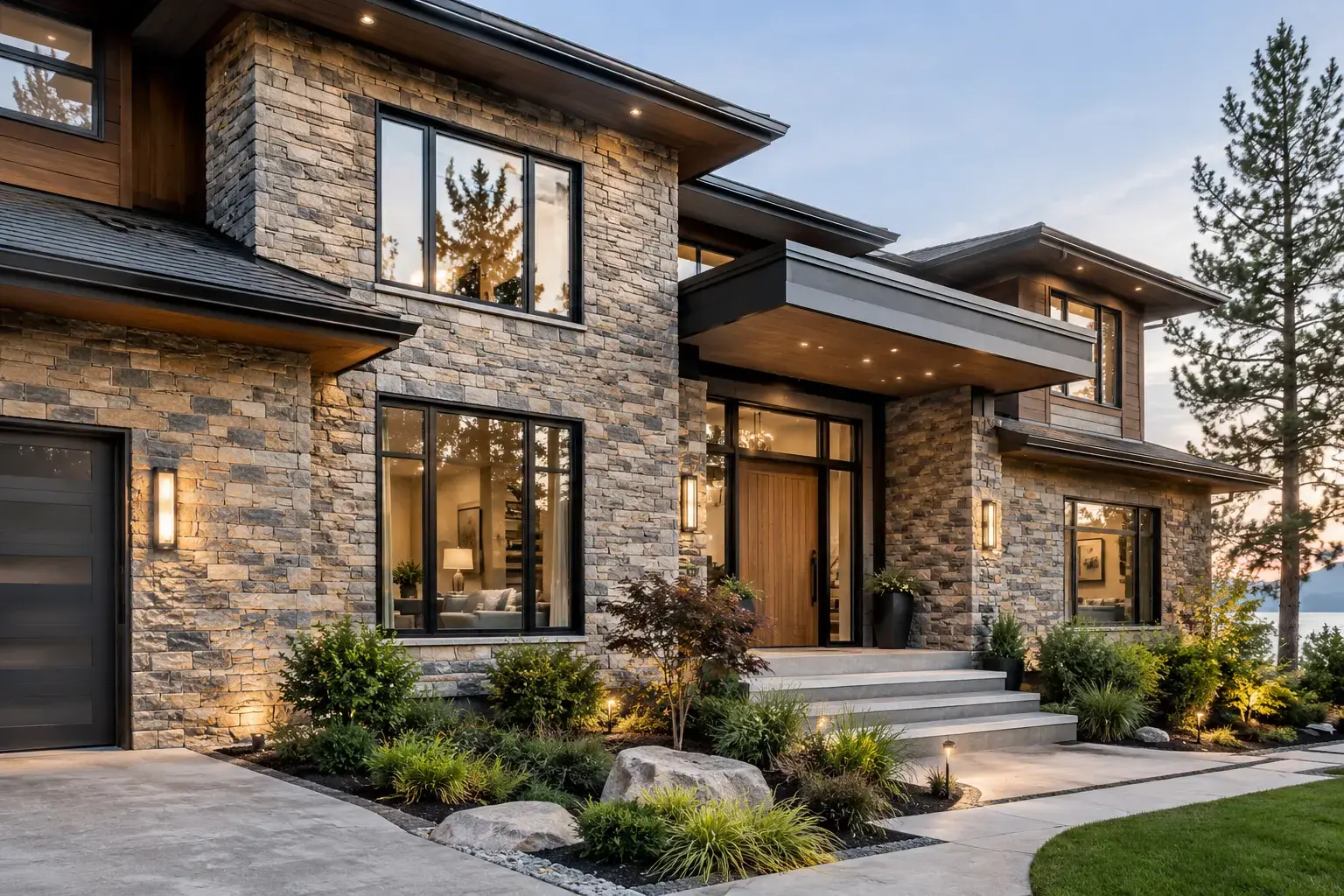
Conceptual rendering of quartzite stacked stone in home faaced.

Hard, Scratch-Resistant Surface

At roughly 7 on the Mohs scale, quartzite is harder than slate or limestone and denser than sandstone, so it resists scuffing and weathering.

Heat Tolerance

Quartzite handles the radiant warmth of a fireplace surround well. Confirm the panel is rated for fireplace use.

Color That Comes From the Stone

Quartzite ledger is available in whites, silvers, grays, golds, rusts, and blacks. The color is in the stone rather than an added pigment, though iron-rich stones can develop rust tones outdoors.


Where Is Quartzite Ledger Stone Used?

Quartzite ledger stone is used on vertical surfaces where texture is the focus: fireplace surrounds, accent walls, columns, and exterior facades. It is a wall product, not a flooring or countertop material. Common applications include:

  • Fireplace surrounds and chimney breasts, where the stone frames the hearth
  • Living room, dining room, and entry accent walls
  • Exterior columns, wainscot, and front entry walls
  • Outdoor kitchen bases and bar fronts, paired with a stone or porcelain countertop
  • Garden walls and retaining wall faces, where the panel is rated for exterior exposure

Quartzite Ledger Stone Sizes, Profiles, and Corners

Most quartzite ledger stone panels measure 6 by 24 inches. Because the face is split rather than sawn, the depth of the stone varies from piece to piece.

FeatureDetails
Common panel size6 x 24 inches
Other formatsSuch as 8 x 18 inches, depending on the line
Panel shapeRectangular or Z/S profile with staggered ends
Corner piecesL-shaped or finger-jointed units for outside corners
SurfaceSplit face, natural texture
Typical useInterior walls and exterior cladding, per product rating

Ledger stone is heavier than ceramic or porcelain tile, so your contractor will confirm substrate and setting requirements. Blending panels from several boxes during layout helps spread color evenly. Contractors and designers sourcing stone for several jobs can apply for a trade account.

Is Quartzite Ledger Stone Good for Cold Climates?


Quartzite typically has very low porosity, which limits how much water it absorbs. Low absorption matters when comparing natural stone choices for exterior walls in cold climates, because water that freezes inside stone can cause cracking. Exterior stone in Reno, Minden, and Fernley goes through repeated freezing and thawing each winter, while Sacramento rarely sees hard freezes and summer heat is the larger exposure.

Freeze-thaw performance also depends on the product and installation. Some ledger panels are rated for full exterior exposure, while others are listed for non-freeze-thaw areas only, so check the rating before planning an exterior wall.

How Do You Care for Quartzite Ledger Stone?


Caring for quartzite ledger stone comes down to occasional cleaning and periodic resealing. Sealing before and after installation is commonly recommended, especially for exterior walls and fireplace surrounds that collect soot.

  • Dust interior walls with a soft brush, since the ledges catch dust
  • Clean with water and a pH-neutral stone cleaner, and skip acidic or abrasive products
  • Rinse exterior walls with a garden hose rather than a pressure washer, which can loosen pieces or drive water behind the panels
  • Reseal on the schedule your sealer manufacturer recommends

Conclusion

Quartzite ledger stone gives a wall the character of hand-stacked natural stone with the consistency of a panel system. Its hardness, heat tolerance, and color range suit fireplace surrounds, feature walls, and exterior cladding. The main decisions are color, panel format, and the right rating for where the stone will go.

Seeing the texture up close and comparing colors side by side makes the decision easier. During a free design consultation, our team can walk you through the options and how lighting and nearby finishes affect the look. Stop by our showrooms in Sacramento, Reno, Minden, or Fernley to see quartzite ledger stone in person and start planning your wall.

Frequently Asked Questions

Yes. Quartzite ledger stone is made from natural quartzite that is split into narrow pieces and bonded into panels. It is different from manufactured stone veneer, which is cast concrete colored to look like stone.

Yes. Quartzite ledger stone is a common choice for fireplace surrounds because the stone handles radiant heat well. Confirm the panel is rated for fireplace use and follow the fireplace manufacturer's clearances.

Sealing is recommended. A penetrating stone sealer applied before and after installation helps resist water, soot, and staining. Exterior walls usually need resealing more often.

Many quartzite ledger panels are rated for exterior use, but freeze-thaw ratings vary by product. Check the specification for the panel you choose.

Quartzite is harder, around 7 on the Mohs scale, and often has a crystalline shimmer. Slate is softer, around 3 to 4, splits into flat layers, and tends toward grays, blacks, greens, and earth tones.

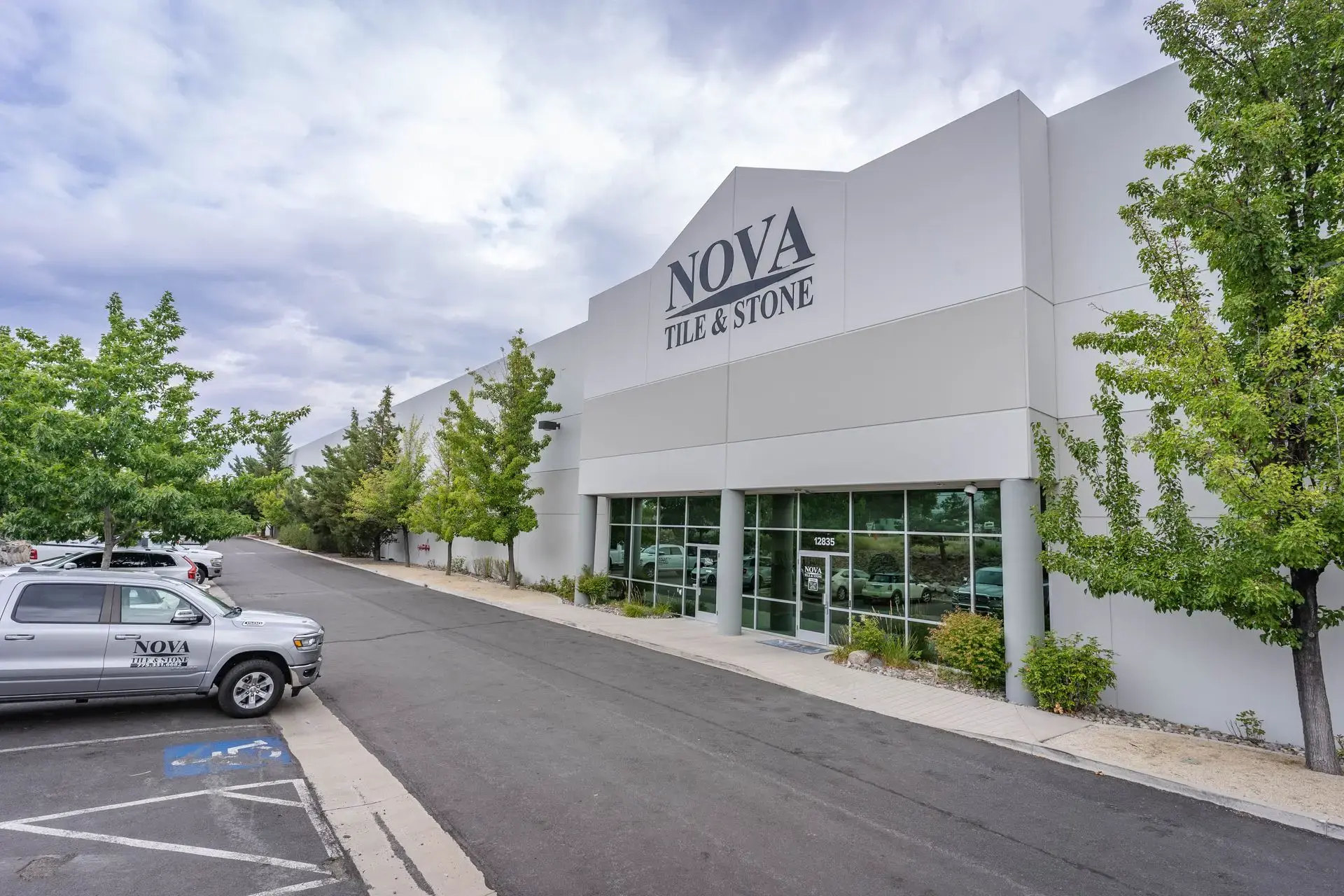
Nova Tile and Stone Showroom.

Let’s get in touch


csr@novatileandstone.com

Unlike most customer service lines, ours connects you with real people. 

When you call, just press 1 for online shopping support, or 2 for local shopping support!


Monday
8.00am-6.00pm

Tuesday
8.00am-6.00pm

Wednesday
8.00am-12.00am

Thursday
8.00am-6.00pm

Friday
8.00am-6.00pm

Saturday
8.00am-6.00pm

Sunday
Closed