Where to Use Dolomite: Indoor Applications
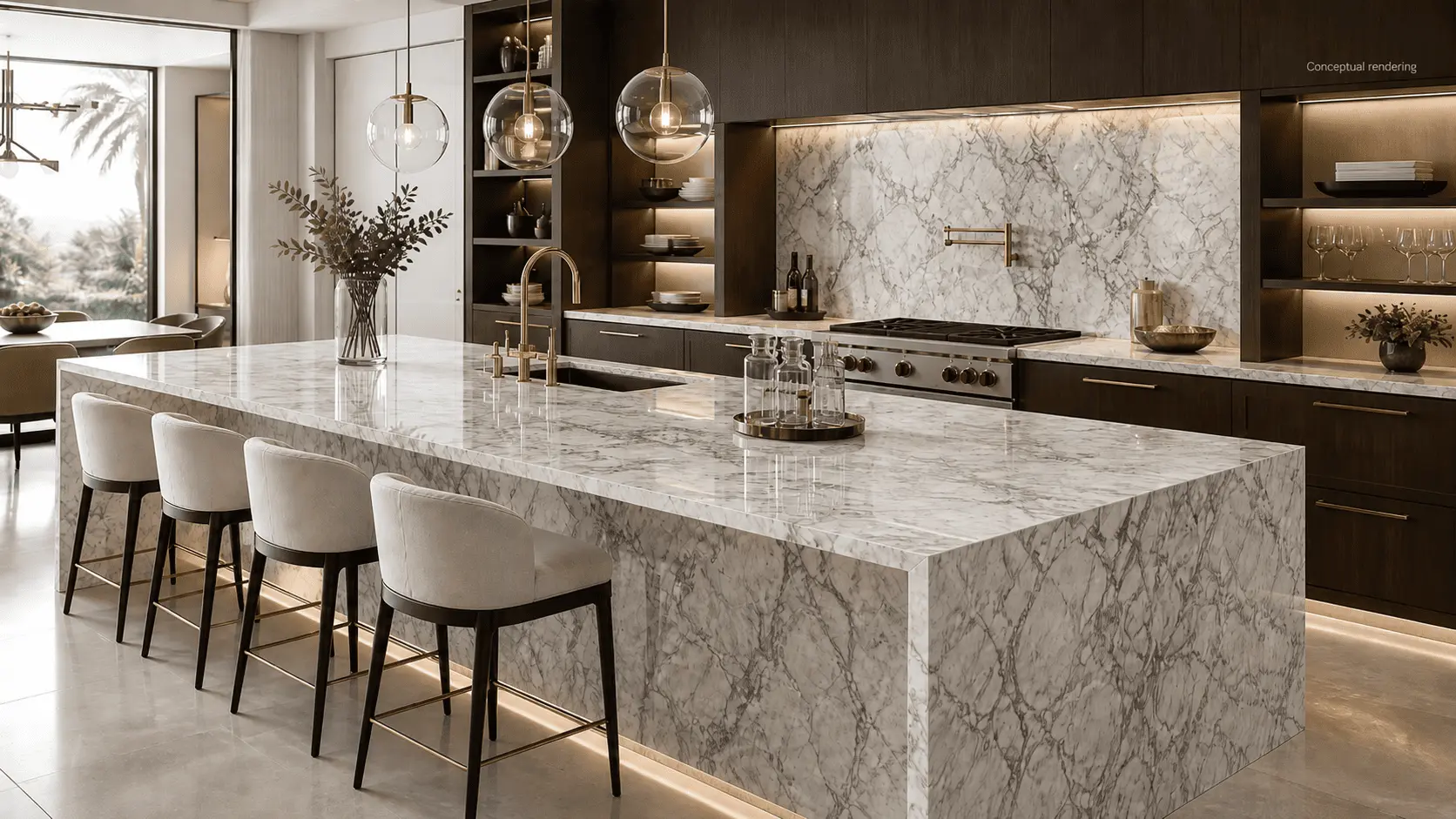
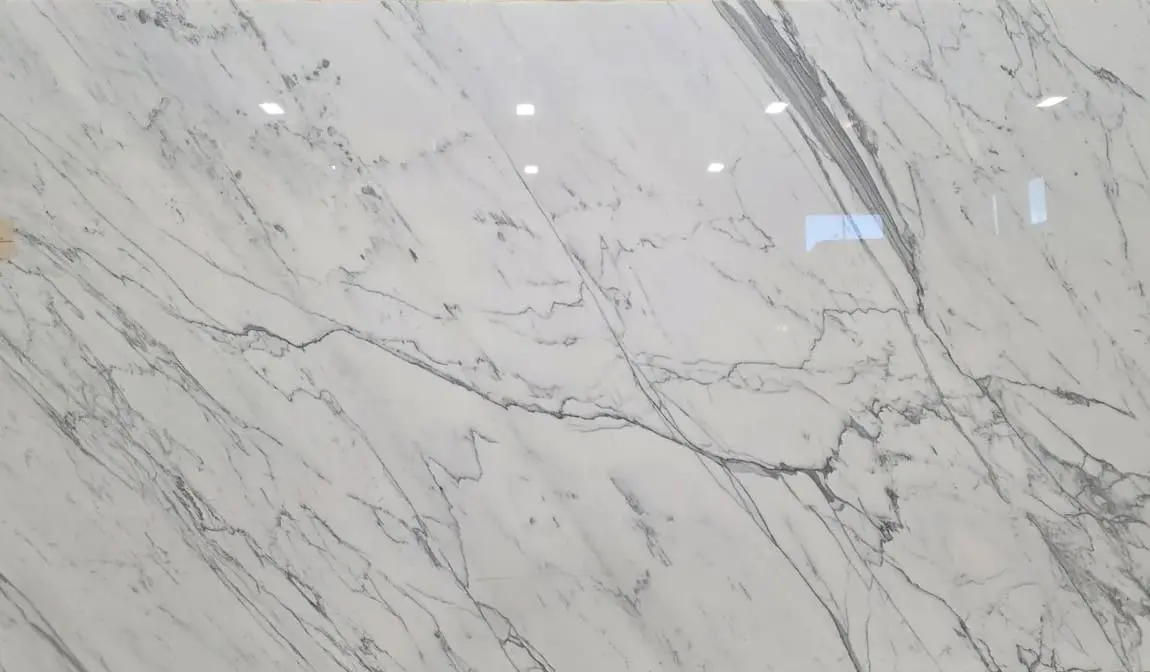
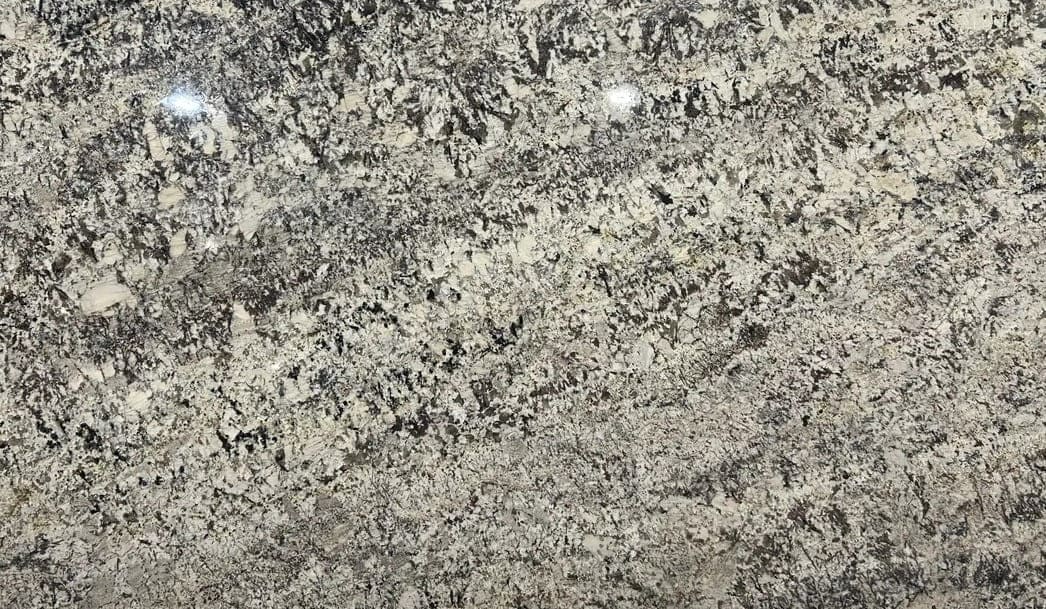
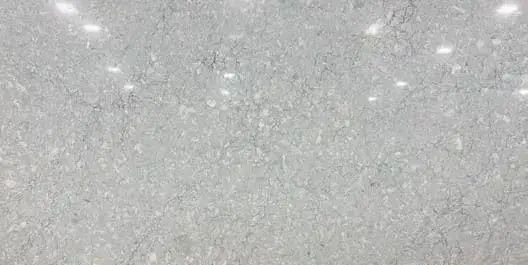
Polished dolomite is generally suited for indoor applications, including kitchen and bathroom countertops, wall cladding, flooring, and fireplace surrounds. The selected finish influences how the stone performs in each setting. Polished finishes are commonly chosen for countertops and feature walls where visual impact is a priority. Honed finishes, with their smooth matte surface, are often preferred for flooring and vanity tops. Leathered finishes, known for their low-sheen texture, work well for wall cladding and high-traffic surfaces, while specialty finishes can support more customized design requirements.
Available Finishes and Where They Work Best
Kitchen and Bathroom Countertops
In kitchens, dolomite slabs are widely specified for countertops, valued for their smooth, reflective surface and the visual character the stone brings to the space. In bathrooms, polished dolomite countertops are equally well suited to vanity tops and tub surrounds, where the natural veining contributes to a refined, spa-like aesthetic.
Wall Cladding and Feature Walls
Dolomite wall slabs are well suited for cladding in living rooms, entryways, and bathrooms, where a full-height slab or book-matched pair can make a strong visual statement. The polished finish can add perceived depth and brightness to a room, while leathered stone on an accent wall introduces texture and warmth.
Flooring
Slabs cut for flooring can contribute to a sense of continuity in an interior, particularly in large-format applications. Where slip resistance is a priority, such as bathroom floors or entryways, honed or leathered finishes are generally preferred over polished. Compatibility with underfloor heating systems should be confirmed with your installer.
Fireplace Surrounds
Dolomite is frequently specified for fireplace surrounds, valued for its refined appearance and the way it frames a firebox. As a carbonate-based stone, it is generally considered suitable for decorative surrounds exposed to ambient radiant heat rather than direct flame, though it is not as heat-resistant as silicate stones such as granite. Your fabricator is best placed to advise on appropriate heat protection measures for your specific installation.
Hospitality and Commercial Interiors
Hotels, restaurants, and corporate offices have increasingly specified polished dolomite for reception desks, bar tops, and feature surfaces. Its suitability across walls, floors, and countertops allows a consistent stone aesthetic to be pursued throughout a commercial space.
Care and Maintenance
Regardless of the application, polished dolomite used for countertops and other natural stone surfaces requires consistent care to help preserve its appearance over time. The guidance below applies across all four applications and finishes.
Sealing
All natural stone surfaces, including polished dolomite countertops, should be sealed before use and resealed periodically. For most surfaces under normal household use, once a year is the standard recommendation; for high-traffic kitchen countertops, every six months is advisable. Consult your fabricator or stone care professional for guidance on the most suitable sealer for your application.
Daily Cleaning
For routine cleaning, use a soft cloth with a pH-neutral stone cleaner or mild dish soap diluted in warm water. Avoid abrasive pads, bleach-based cleaners, and acidic solutions such as vinegar or lemon juice, as these can dull the finish over time. Wiping up spills promptly, particularly anything acidic or pigmented, is one of the most important habits for maintaining the surface.
Heat and Scratch Resistance
Although polished dolomite used for countertops are harder than marble, trivets and cutting boards are still advisable to protect surfaces from direct heat and sharp utensils. For flooring, felt pads under furniture legs can help reduce scratches over time. No natural stone is entirely impervious to thermal shock or deep scratching, and keeping up with regular sealing is one of the most effective ways to maintain the stone's appearance across all applications.