Natural Stone Kitchen Island
A natural stone kitchen island is made from real stone slabs shaped by natural geological processes over time. Materials such as granite, marble, quartzite, travertine, dolomite, and semi-precious stone each offer their own look, texture, and performance, with hardness levels that vary across the Mohs scale.
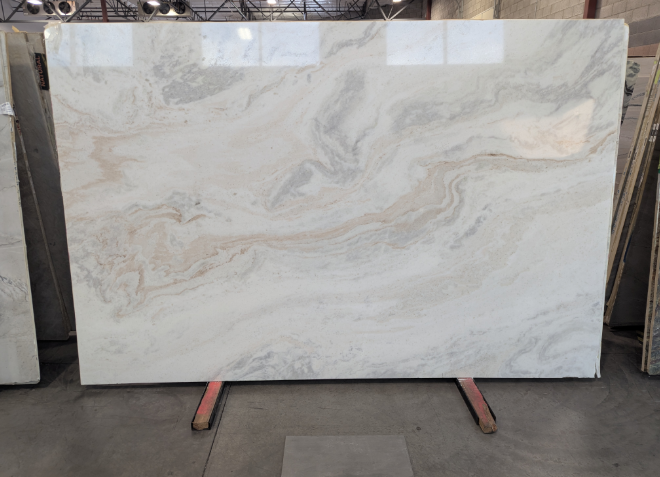
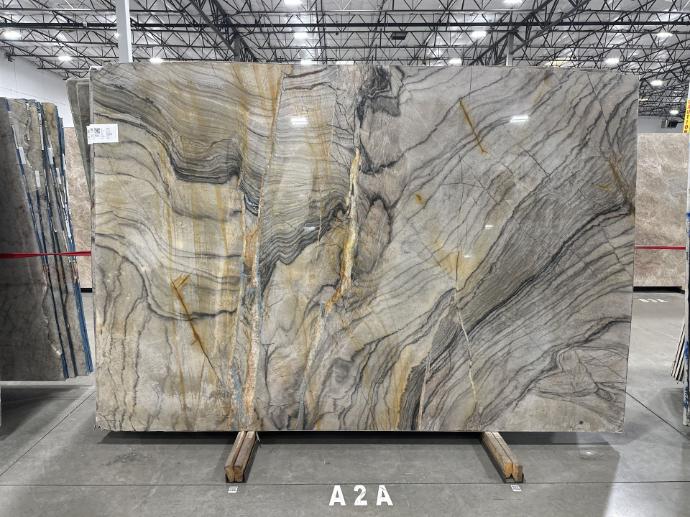
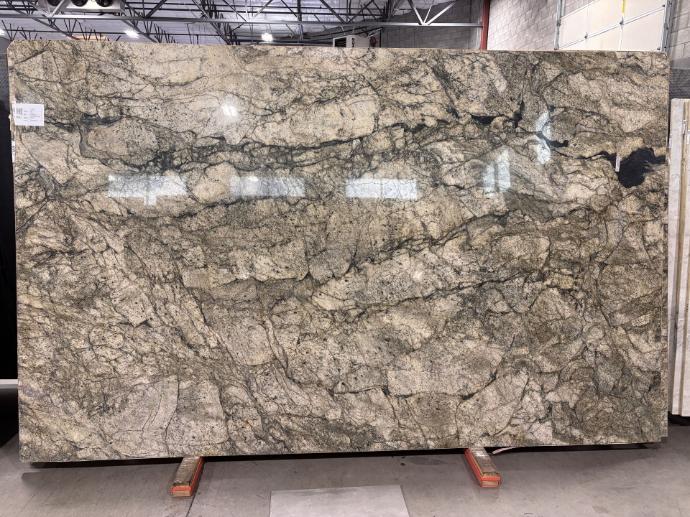
Our current slab availability includes a range of natural stone options for kitchen islands, with each slab showing its own variation in color, veining, movement, and surface character. Viewing slabs in person is often the best way to compare materials and choose the right fit for your space. You can also book a free consultation for guidance on style, material selection, and project planning. Pickup and shipping options are available for natural stone slabs.
Why Choose This Material for Your Island?
Natural stone is a popular choice for kitchen islands because it combines durability, character, and design flexibility. Each slab has its own color variation, veining, and texture, which gives the island a more custom and high-end look than many manufactured surfaces.
It also offers practical benefits for everyday use. Many natural stone options handle heat well, hold up to regular wear, and can last for many years when properly maintained. Whether you prefer the bold movement of granite, the softness of marble, the strength of quartzite, or the texture of travertine, natural stone gives you a surface that feels substantial, timeless, and visually distinctive.
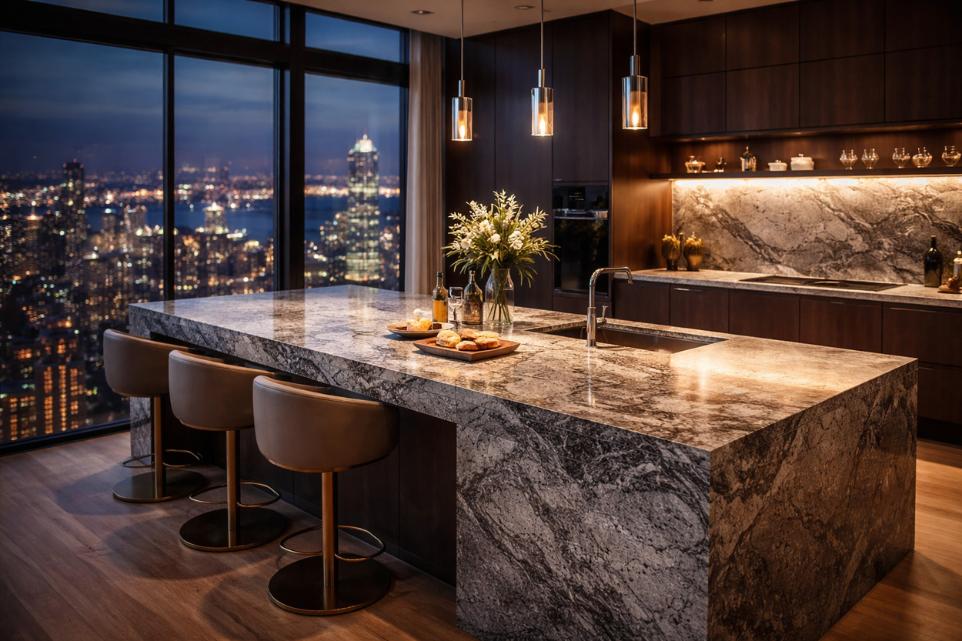
Granite Kitchen Island
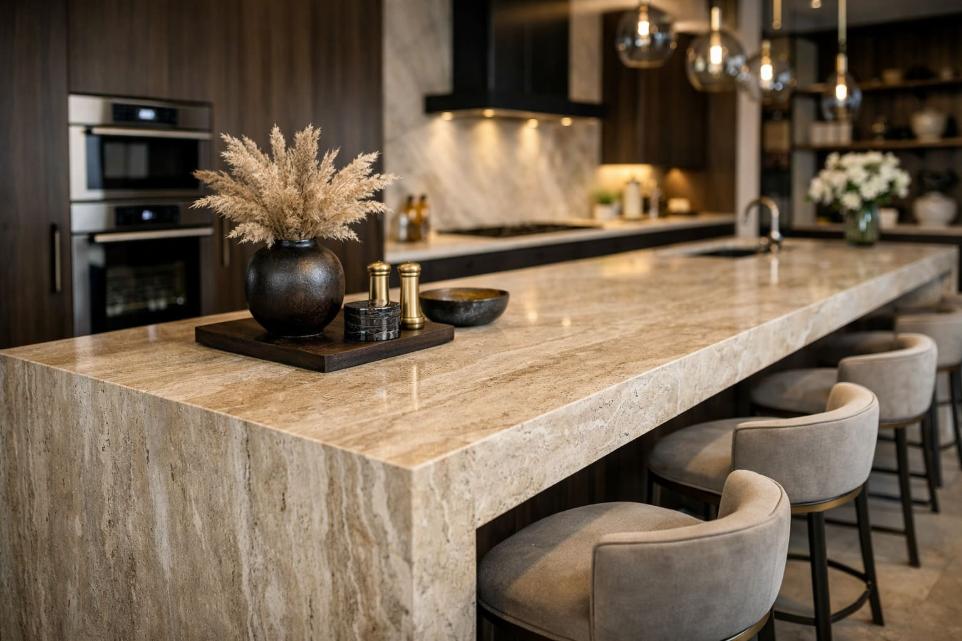
Travertine Kitchen Island
Design Versatility and Aesthetic Impact
Natural stone kitchen island slab options create diverse design opportunities with distinct performance characteristics. From a quartzite slab for your kitchen island that offers superior hardness to a travertine slab that delivers distinctive texture, each material provides unique aesthetic and functional benefits.
Marble
Elegance
Statuary
whites with gray veining at Mohs 3-4, sealing every 6-12 months for timeless
sophistication
Granite Spectrum
Dramatic blacks and warm caramels offering Mohs 6-6.5 with excellent stain resistance, sealing every 12-24 months
Quartzite Brilliance
Crystalline
shimmer in whites and grays at Mohs 7, combining marble aesthetics with
superior durability
Dolomite
Durability
Pearl-like
whites and soft grays at Mohs 3.5-4 offering marble-like beauty with enhanced
resistance to etching and staining
Travertine
Texture
Organic pitting in earth tones at Mohs 3-4 establishing Mediterranean character with frequent sealing
Semi-Precious Stone Luxury
Translucent gemstone surfaces featuring agate, quartz crystal, or amethyst with dramatic backlighting potential and unparalleled visual impact
Longevity Considerations of Natural Stone Kitchen Island Slab
Care requirements vary across stone types. Harder varieties like granite and quartzite resist stains and etching better than calcium-based alternatives requiring pH-neutral cleaners and immediate attention to acidic spills (wine, citrus, vinegar). All types withstand direct heat due to thermal mass properties, though trivets protect sealants. Professional installation addresses substantial weight through reinforced substrate and invisible seam placement.
Daily practices include cutting boards to prevent scoring. Material choice should align with household realities, active families benefit from forgiving granite or quartzite, while those appreciating marble's elegance can accommodate attentive care requirements.
Frequently Asked Questions
The right stone depends on how you use your kitchen and the look you want to achieve. Granite is a strong choice for busy households because it is durable and relatively low maintenance. Marble is often chosen for its classic veining and softer, more elegant appearance. Quartzite offers the look of marble with greater durability, while travertine stands out for its warm tones and natural texture. Semi-precious stone is best suited for homeowners looking for a bold, highly distinctive statement surface.
Natural stone generally handles heat well, which makes it a practical option for kitchen islands. Even so, using trivets or hot pads is still a smart habit because it helps protect the finish and any applied sealant over time.
Granite and quartzite are usually the best choices for busy kitchens. Both materials are known for their strength and durability, and they tend to handle everyday wear, spills, and regular use better than softer or more porous stones.
Yes. Natural stone is best cleaned with a pH-neutral cleaner made for stone surfaces. This helps protect the sealant, preserves the finish, and reduces the risk of damage, especially on more sensitive materials such as marble and travertine.
Natural stone offers one of a kind color variation, veining, and surface character that cannot be exactly repeated. Engineered quartz usually provides a more uniform appearance and can be easier to maintain, but it does not have the same natural variation or geological character as real stone. The better option depends on whether you value uniqueness, performance, maintenance level, or visual consistency.
Transform Your Space
Ready to elevate your space with the timeless beauty of natural stone slab for your kitchen island?
Visit us in Reno, Sacramento, Minden, or Fernley to explore slabs across all stone varieties. Our expert design consultants will guide you through material selection, finish options, and maintenance expectations to ensure your island becomes the perfect centerpiece for your home.
Schedule a consultation today, 4 showrooms with thousands of slabs available. Browse our slab inventory online, then visit us in Reno, Sacramento, Minden, or Fernley to see your favorites up close.