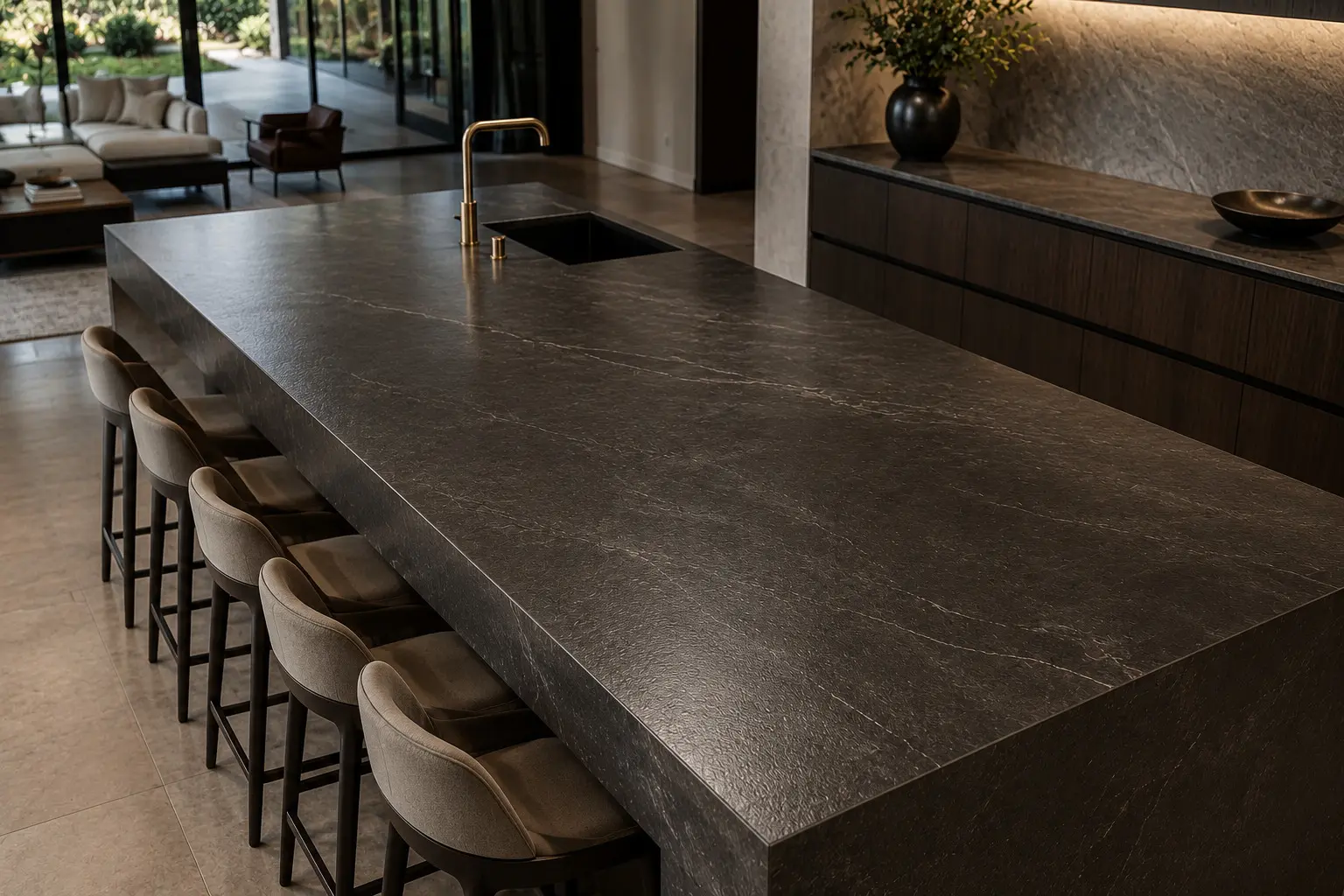
Leathered slabs feature a low sheen, lightly textured finish created through a mechanical brushing process. This finish highlights the stone's natural movement, color variation, and mineral character while providing a softer, more tactile appearance than polished surfaces. These slabs are commonly used to fabricate kitchen countertops, bathroom vanities, waterfall islands, and other custom stone applications. Leathered finishes are available on a variety of natural stones, including granite, marble, quartzite, travertine, and dolomite, with each material exhibiting its own distinctive texture and visual depth.
Our team works with all of these materials, and we
encourage anyone considering a leathered countertop to visit our kitchen countertop
page to find a combination of stone and finish that suits your space. The
right result depends on both the stone selected and the application it is being
used for, so understanding the material beneath the finish is always the first
step.
What a Leathered Finish Looks Like on Natural Stone
The leathered finish preserves much of the
natural movement and tone of the stone while adding a subtle, matte texture
across the surface. A leathered surface absorbs light in a way that tends to
bring out the depth of the stone rather than its shine, which can give it a
quieter, more grounded presence than a polished slab. The texture is not rough
but has enough dimension to feel different compared to a smooth surface.
Our
team finds the leathered finish works well in spaces where a natural, considered
aesthetic is the goal, particularly on stones with strong mineral variation.
For those who prefer a surface that is less likely to show every fingerprint or
water mark at a glance, this finish is worth considering. Guidance from the Natural Stone Institute resource on choosing a stone finish can help clarify how
different finishes may perform across stone types before making a final
decision.
T
A
C
T
I
L
E
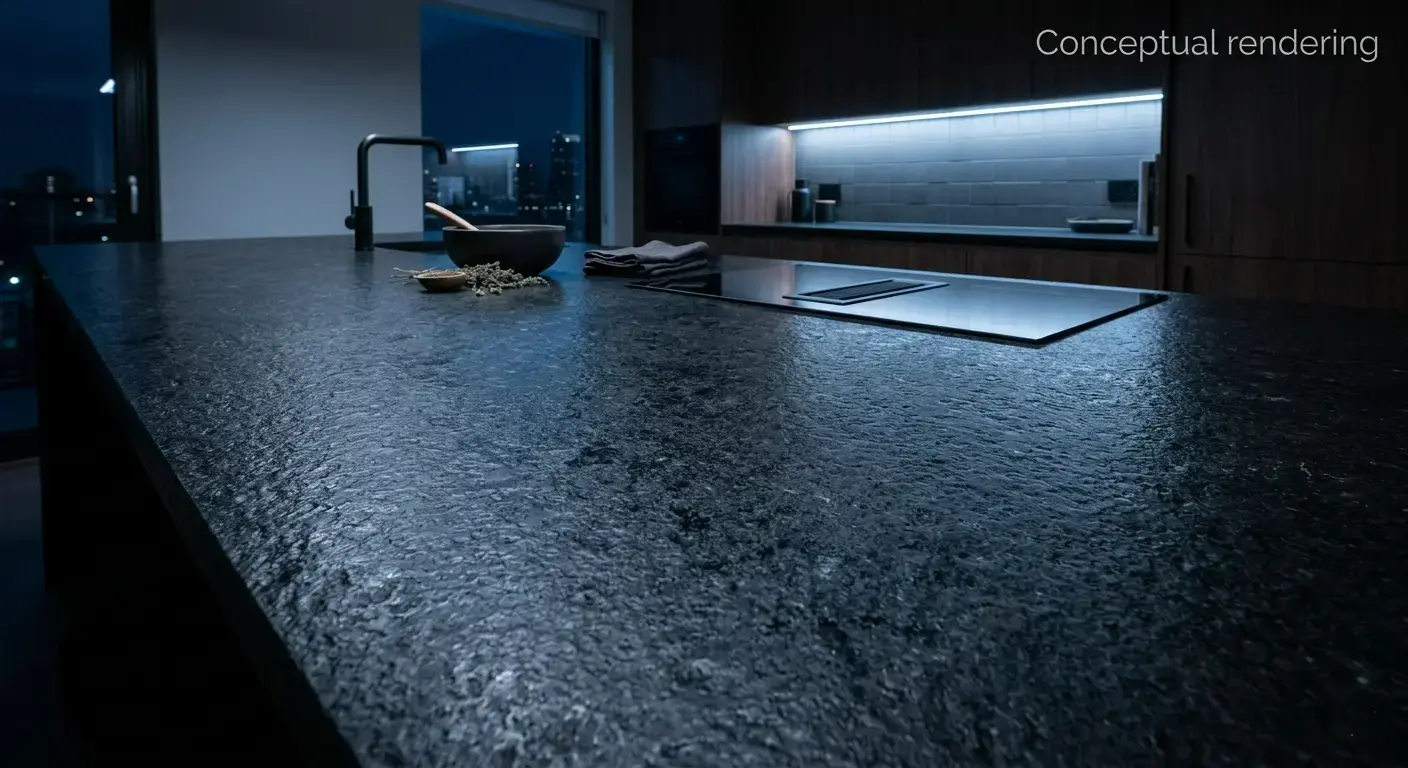
Caring for a Leathered Stone Countertop
- Seal the surface according to the stone type and the fabricator's recommendation, as sealing can help reduce absorption and makes routine cleaning easier.
- Wipe spills as soon as they occur, particularly acidic liquids such as citrus juice or vinegar, which can affect certain stone types over time.
- Use a soft cloth or sponge with a pH-neutral cleaner for regular cleaning. Avoid abrasive cleaners and harsh chemicals, as these can damage the finish.
- Place trivets or heat pads under hot pots and pans. Many natural stones can handle moderate heat, but direct contact with very hot items should still be avoided.
- Use a cutting board at all times. The surface can be strong, but cutting directly on it is not recommended and may affect the finish over time.
- Avoid leaving standing water on the surface for extended periods. The slab may resist moisture, but standing water should not be left to pool over time.
- Schedule periodic resealing based on the stone's porosity and the amount of daily use the surface receives. The Natural Stone Institute consumer care guidance provides additional material-specific recommendations to support long-term maintenance.
- For those interested in learning more about stone care best practices in person, the Natural Stone Institute events calendar lists industry resources and educational opportunities throughout the year.
Take a look at some of the natural stone slabs available with a leathered finish:
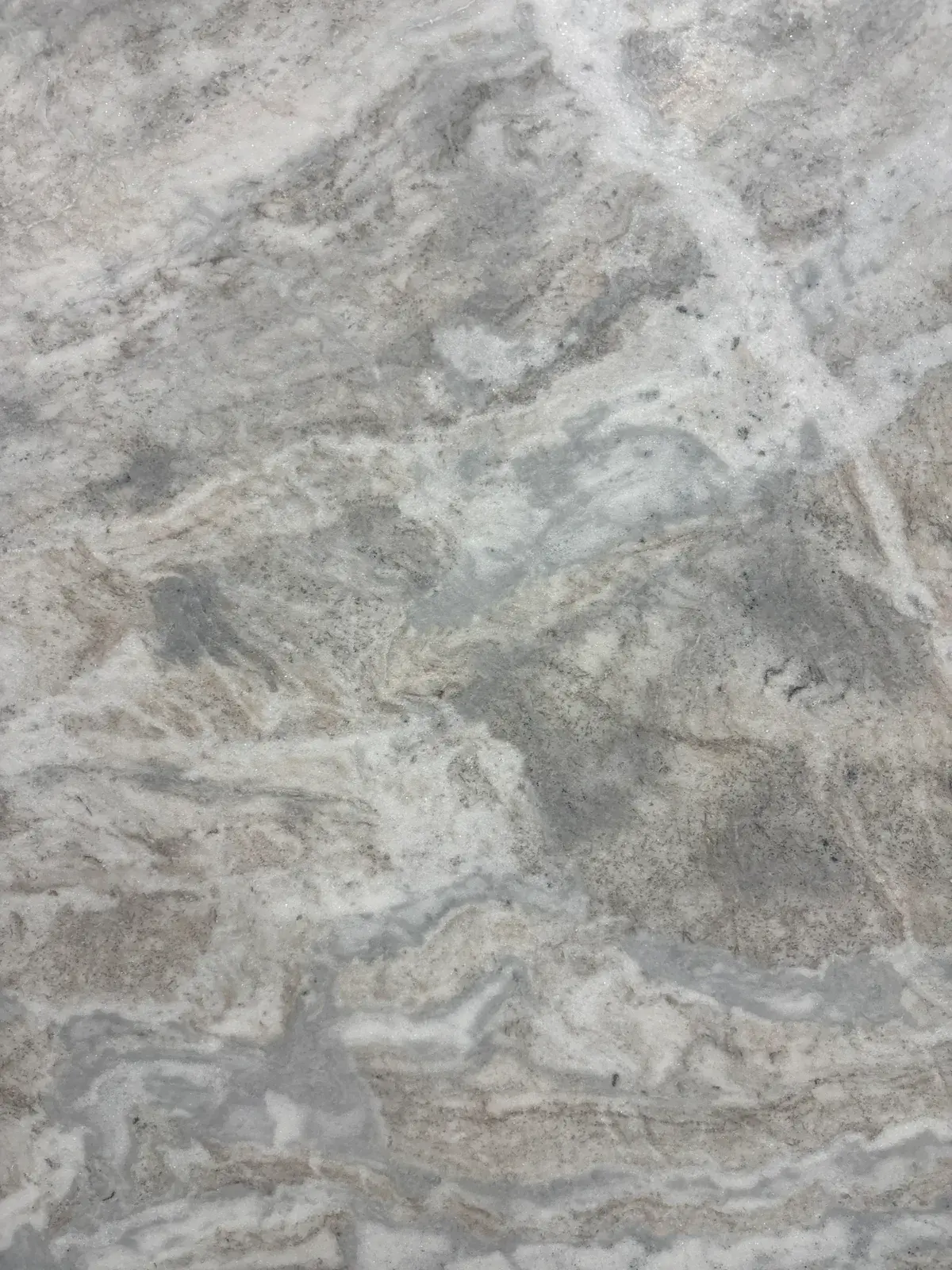
Angel Falls (Dolomite)
Thickness: 2.0 cm
Store Location: Reno, NV
Warehouse: E1A
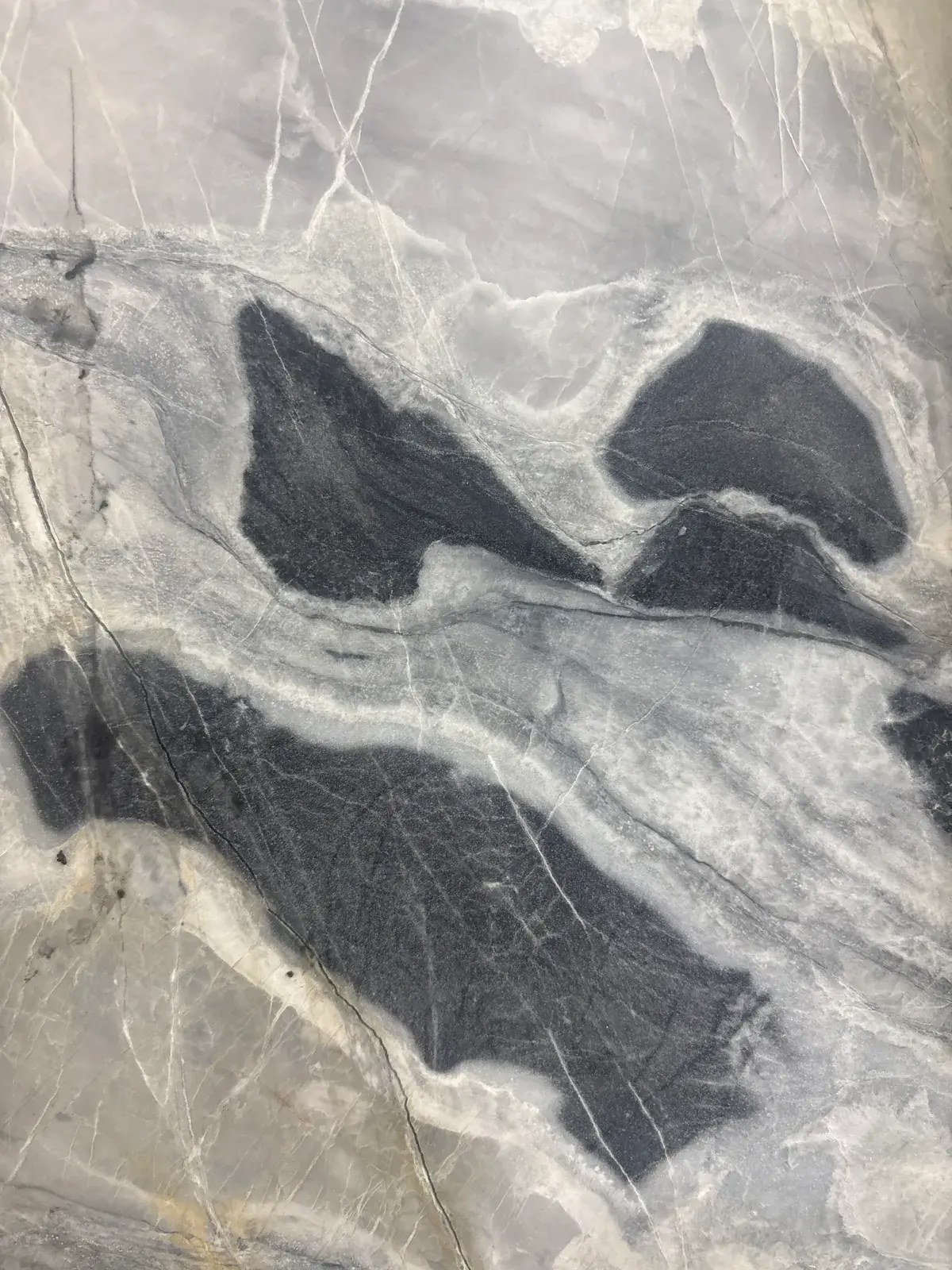
Atlantic White (Marble)
Thickness: 3.0 cm
Store Location: Reno, NV
Warehouse: L5A
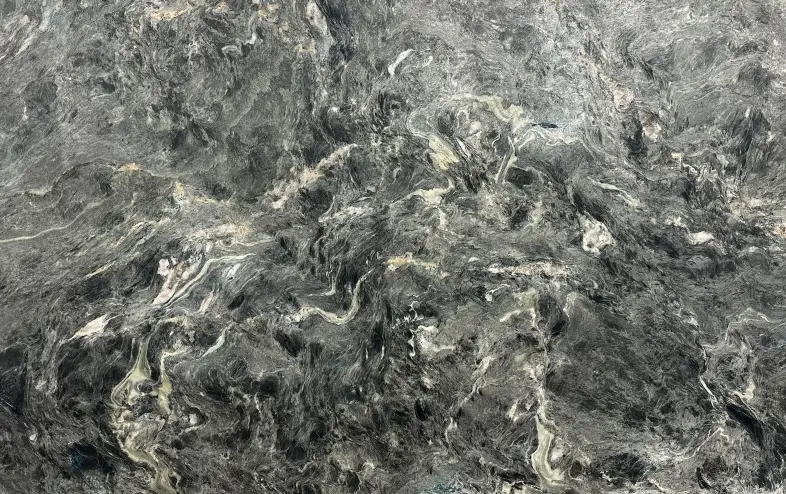
Amazon (Quartzite)
Thickness: 2.0 cm
Store Location: Minden, NV
Warehouse: O1A
Performance Considerations for Leathered Stone Surfaces
A leathered countertop can perform well in daily use, but
results will vary depending on the stone selected and how the surface is
maintained. The leathering process opens the pores of the stone slightly more
than polishing does, so sealing is generally recommended for most natural stone
materials with this finish. The surface can be durable, but proper care will
help preserve its appearance over time.
Many natural stones can handle moderate
heat, but our team always recommends placing trivets or heat pads under hot
cookware rather than setting items directly on the surface, as thermal shock
remains a risk. Scratch resistance may vary depending on the stone, so using a
cutting board is always the better practice. Spills should be cleaned promptly,
particularly on stones that may be more prone to absorbing liquids when not
properly sealed. For a broader look at how gray-toned leathered surfaces can
work in different settings, our gray countertop page
is a helpful reference when planning a project.
Frequently Asked Questions
A leathered countertop requires consistent cleaning, but it is not necessarily harder to maintain than a polished surface. The texture can collect fine particles in the grooves, so a soft cloth and a pH-neutral cleaner work best for routine care. Sealing the stone properly can make cleaning easier and may help protect the surface from absorbing spills. Our team always recommends following the fabricator's maintenance guidance for the specific stone selected.
Granite is generally considered suitable for outdoor applications and can take well to the leathered finish, making it a practical option to consider for outdoor kitchen surfaces and other exterior uses. The material is known for UV resistance, but performance may still vary by color and finish, so prolonged sun exposure should be considered when planning an outdoor installation. Our team can help identify granite slabs that may be well suited to outdoor use based on the specific conditions of the project.
Quartzite is a hard natural stone that can perform well with a leathered finish. The surface is suitable for daily use, but correct installation and regular sealing are important to maintaining its durability over time. The leathering process is not generally known to weaken the stone, though it may slightly increase porosity compared to a polished finish, which is why sealing is particularly important. Our team can walk through the options available in quartzite with this finish.
Yes, our team welcomes visits to any of our four showroom locations. Seeing and touching a leathered surface in person can give a much clearer sense of the texture and depth compared to photos. We recommend scheduling an appointment before your visit so our team can prepare samples and give you dedicated time to explore options. You can also learn more about our history and what we carry by visiting our website.
Sealing a leathered stone countertop may not alter its appearance in a noticeable way when the right sealer is applied for that specific stone. The matte texture and depth that characterize the leathered finish can typically be preserved after sealing, though results may vary depending on the product used. A leathered stone countertop is generally easy to maintain, but harsh cleaners should always be avoided, as they can break down the sealer over time and affect how the stone performs.