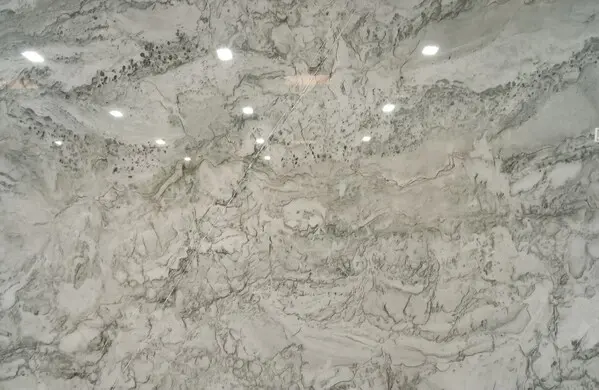
The Surface Character of Emerald Green Quartzite
Recognized for its deep, rich green base, this quartzite
features natural mineral deposits and veining that introduce movement and tonal
contrast across the surface. The depth and distribution of those mineral
deposits can shift noticeably from one slab to the next, which is part of what
makes each piece distinct. The material is available in polished, honed, and
leathered finishes, as well as specialty surface options, making it adaptable
to a range of interior and exterior design preferences.
The finish selected can
affect how the slab reads in a given space, so the application and lighting
conditions are worth considering during the selection process. For guidance on
how different stone finishes perform across applications, Use Natural Stone's finish selection guide is a helpful resource. Our team is
available to help review finish options and slab selections across our four
showroom locations. Those looking for discounted natural stone options can also
explore our overstock
sale for current availability.
How Emerald Green Quartzite Performs Over Time
This quartzite slab is durable and well suited for high-use
surfaces, but proper care can help preserve its appearance over time. The
material is known for strong resistance to scratching, but cutting directly on
the surface is not recommended. A cutting board is a good practice to help
protect the finish. The surface can handle normal heat exposure, but direct
contact with very hot items should be avoided, as thermal shock can affect the
stone or its sealant. Trivets or heat pads are recommended when placing hot
items on the surface. The material offers good moisture resistance, but
standing water should not be left for extended periods, particularly around
edges and seams.
Quartzite is generally UV resistant and can be used in outdoor
applications, but performance may vary depending on the finish, color, and
exposure conditions. The surface offers stain resistance, but spills should be
cleaned promptly to reduce the risk of absorption. For a broader look at how
natural stone surfaces perform across applications, This Old House's guide to stone countertops covers useful considerations. The Natural Stone
Institute also publishes consumer resources on caring for natural stone.