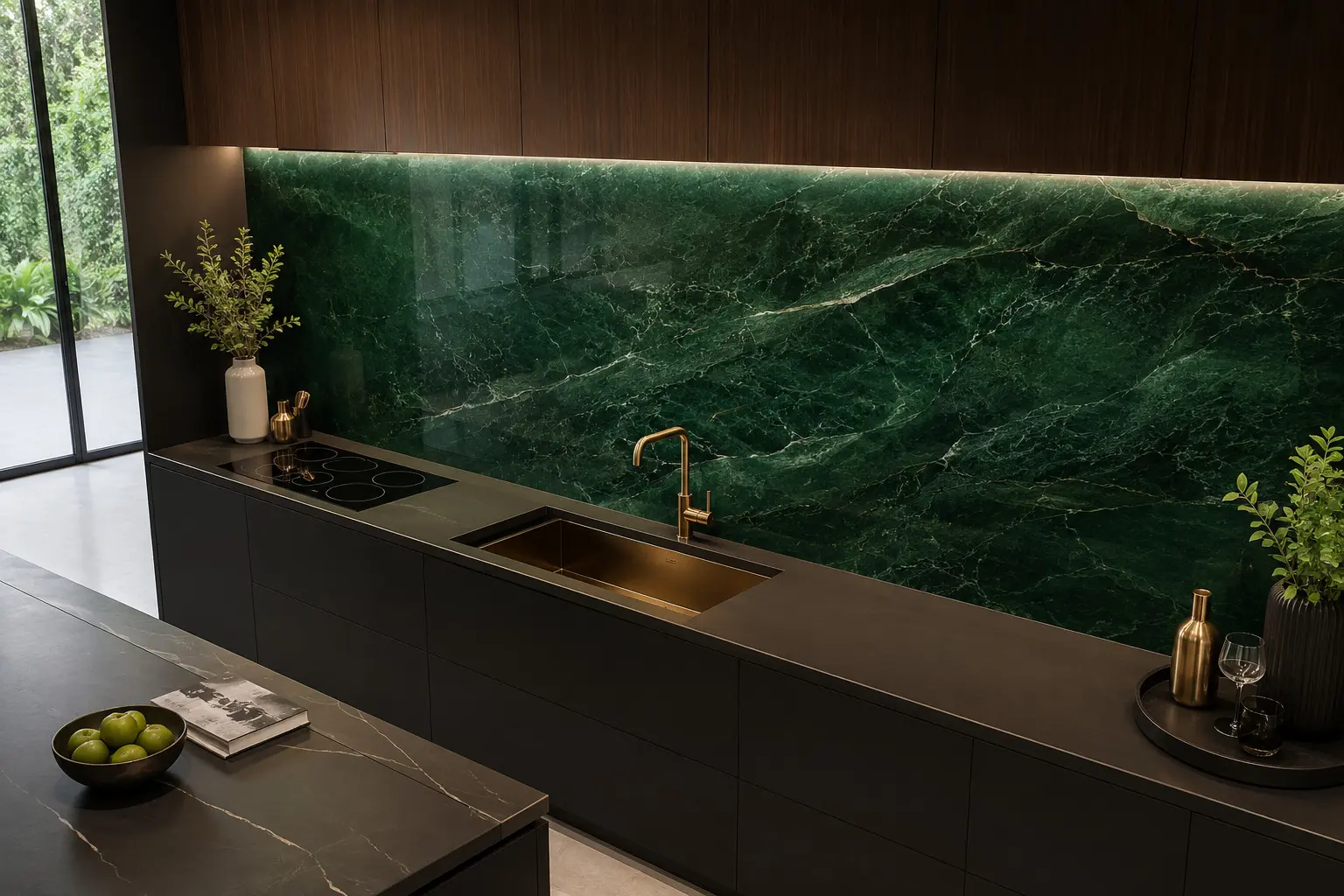
A backsplash finished in emerald green natural stone or
engineered material is a design choice that works across kitchens and
bathrooms, typically installed behind a range, sink, or vanity. Common material
options include marble, quartzite, granite, and porcelain, each available in
deep green tones and suited to different performance needs and finish
preferences. The wall surface serves as both a protective covering and a design
focal point, and the depth of the color can shift noticeably depending on the material
and finish selected.
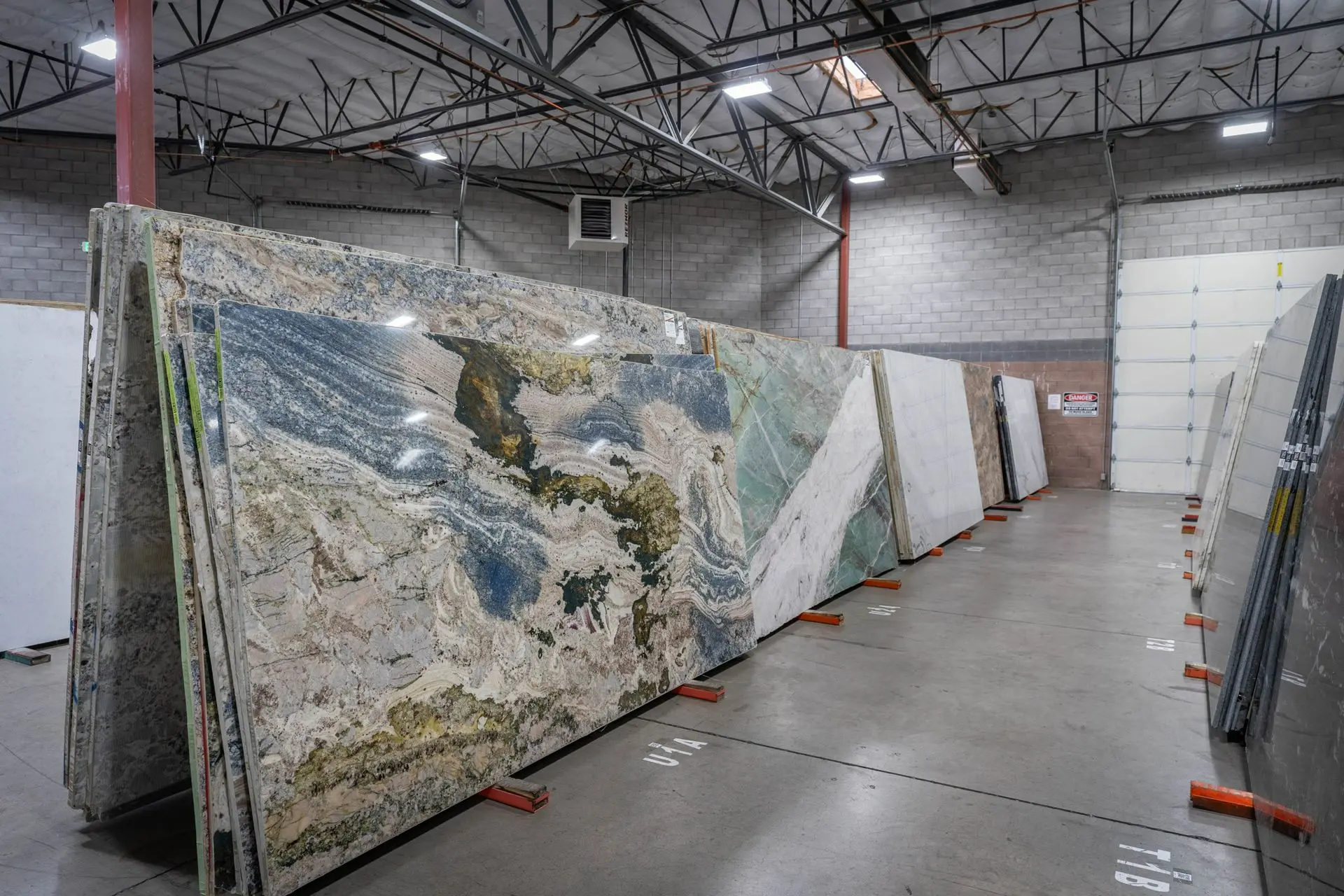
At our showrooms, we carry a curated selection of natural
stone and engineered options in green tones, and our team is available to help
match the right material and finish to each space. Whether the goal is a rich,
veined marble wall or a dense quartzite surface built for daily use, stone in
these tones can add depth and character to any backsplash wall. You can explore
what we currently carry through our slab and tile offerings, and our team is happy to walk you through everything in
person.
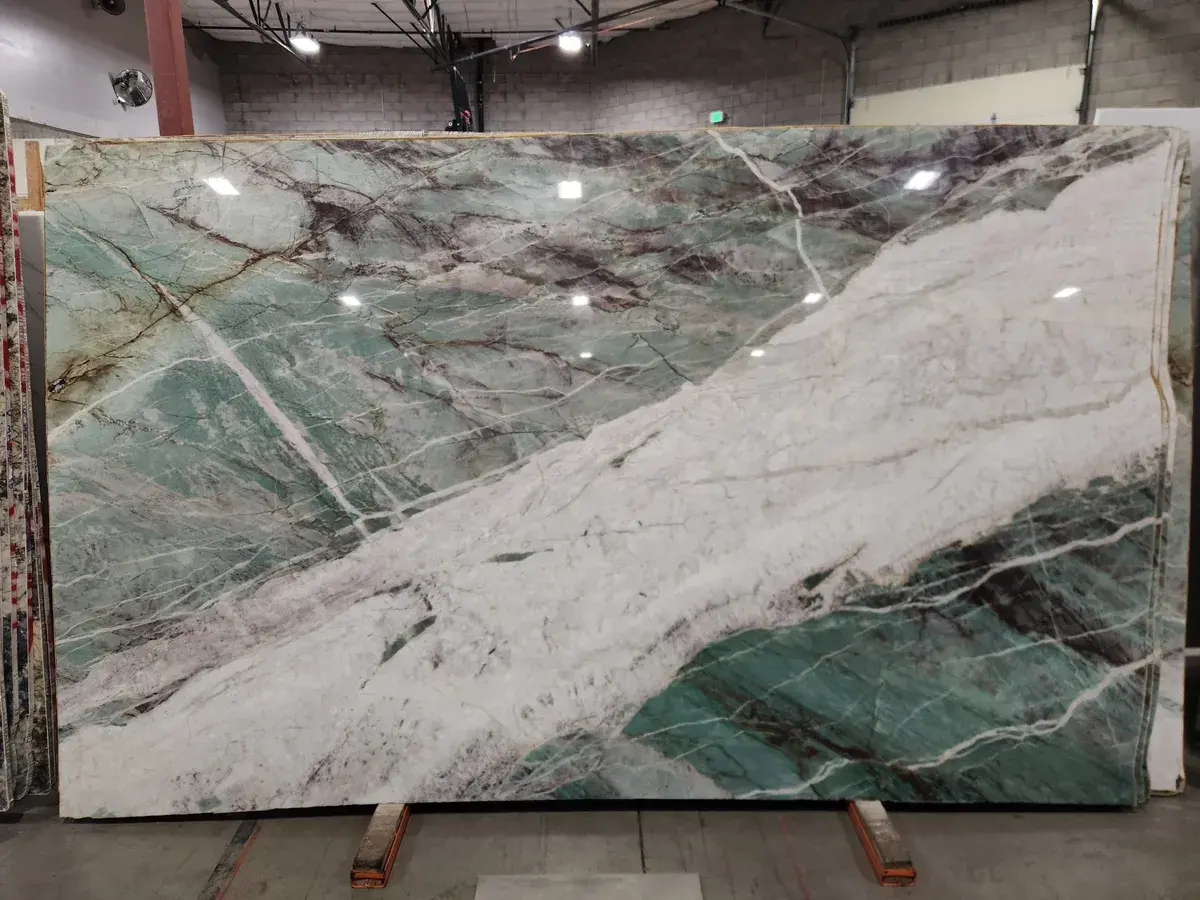
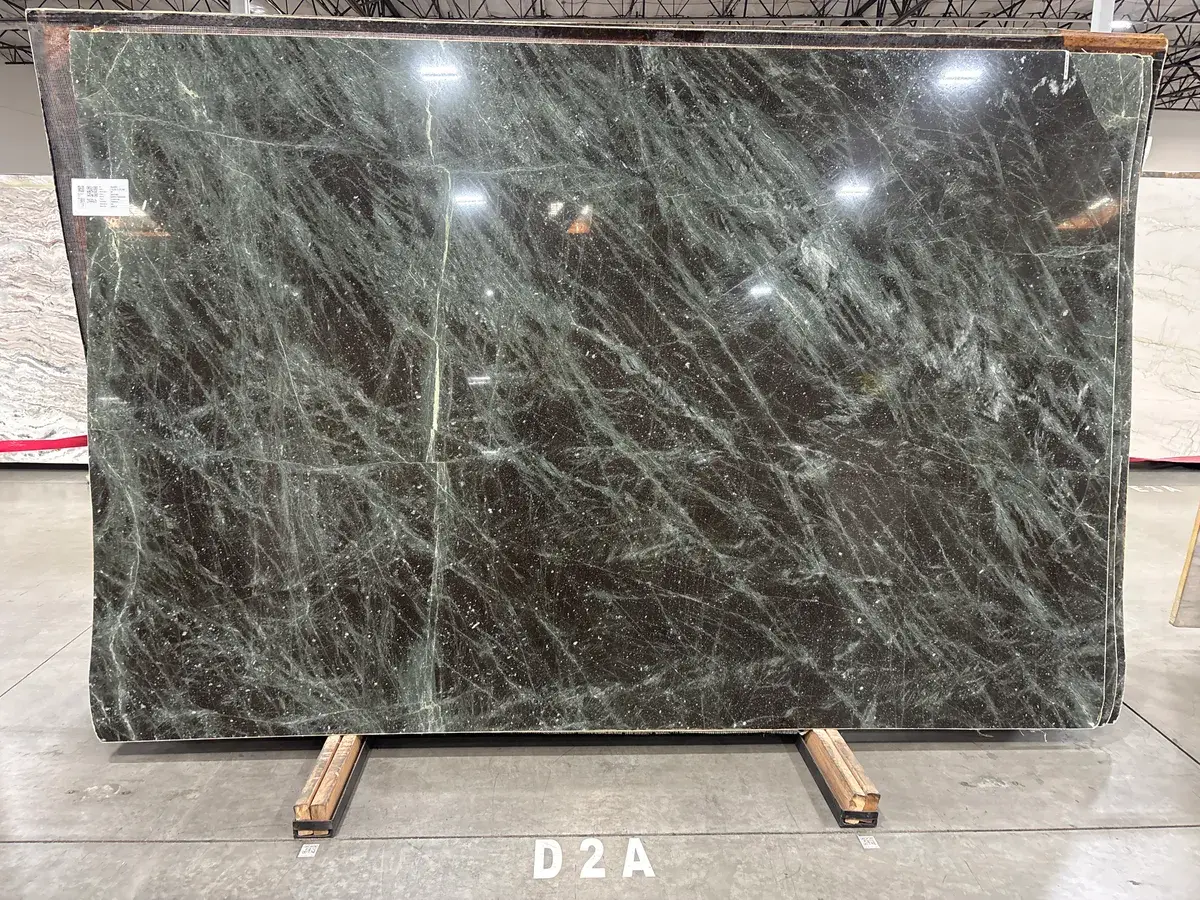
Green Pantanal
Patagonia Green
Here are some green options from our collection that would work beautifully for your backsplash:
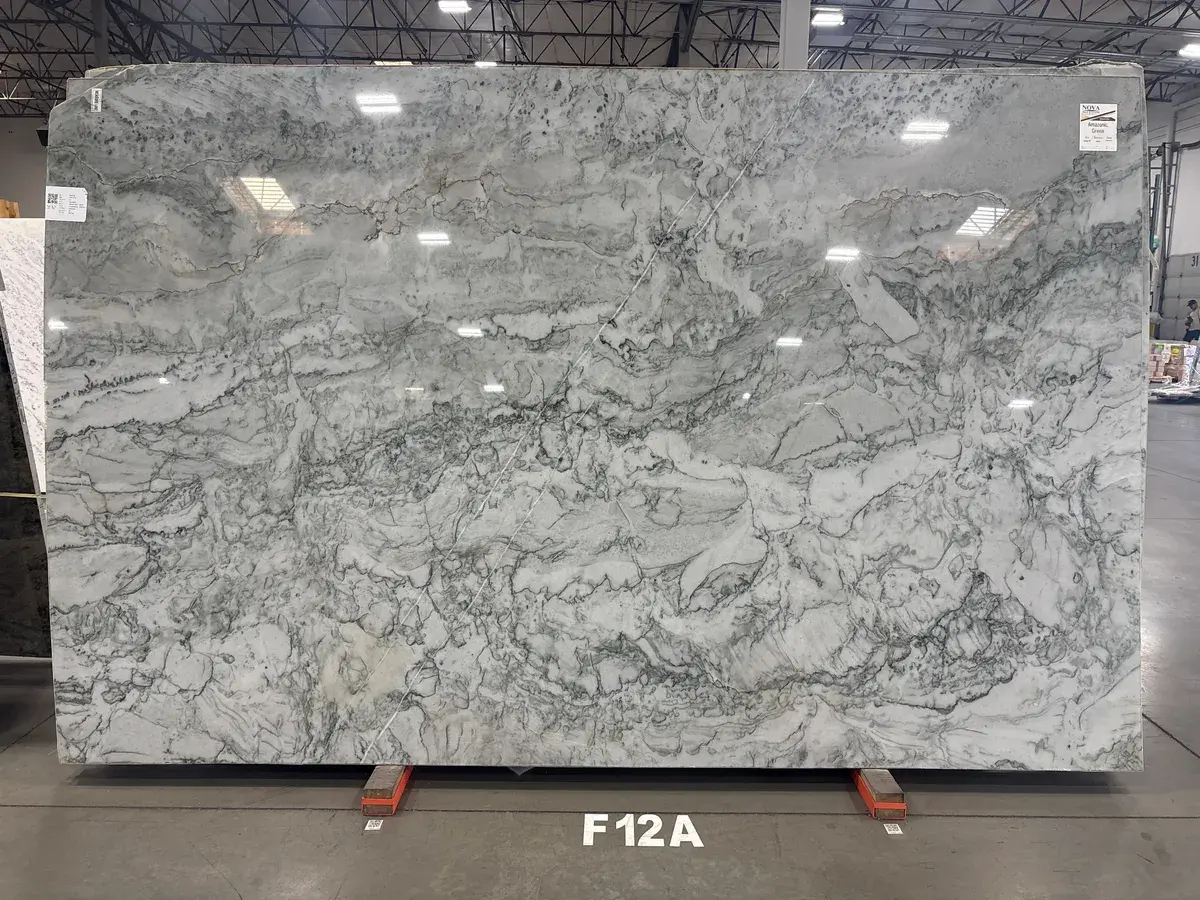
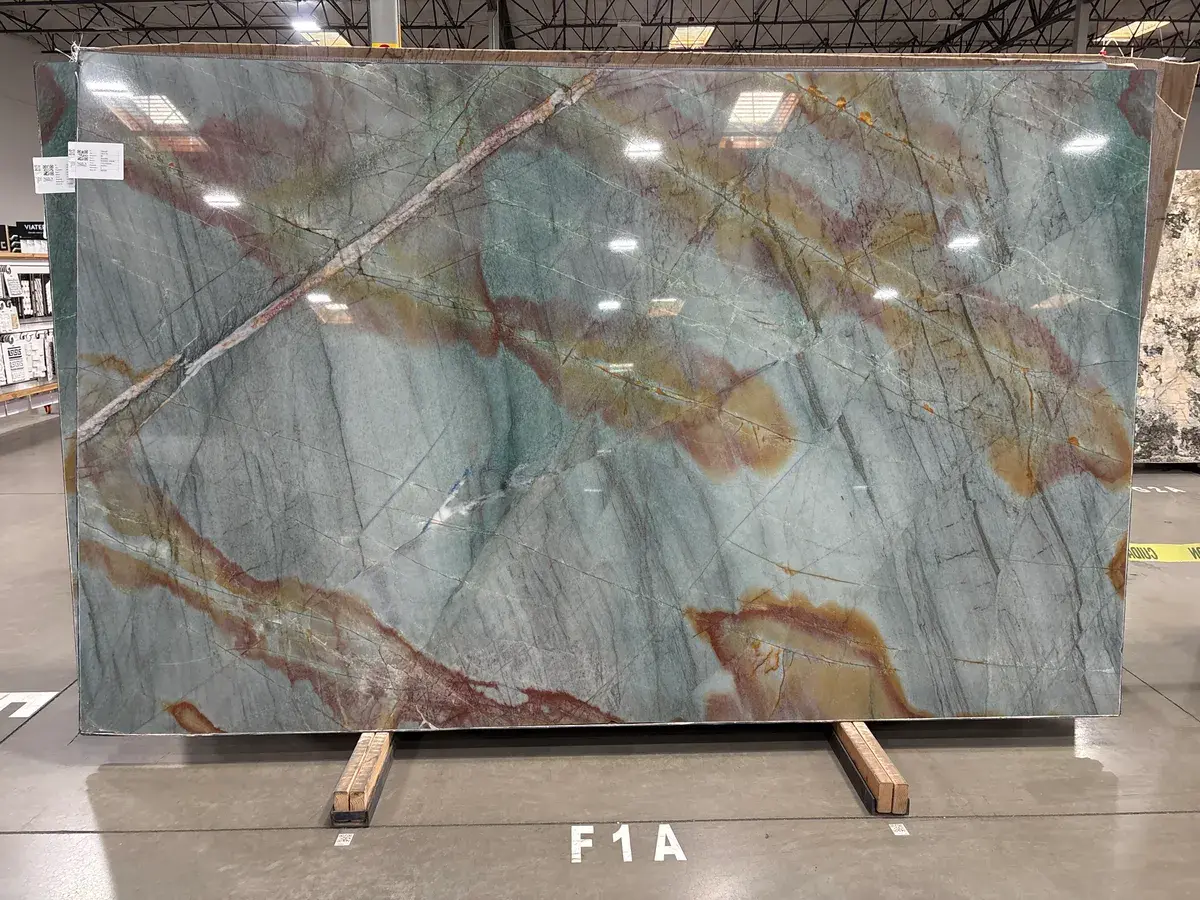
Amazonic Green
Dominic Green
Stone That Earns Its Color
Deep green tones appear across several stone types, and each
material brings its own surface character to a backsplash wall. Marble tends to
have a polished, refined surface with natural veining that can add movement and
contrast to the overall color. Quartzite tends to be denser and can hold up
well with proper care and maintenance, making it a practical choice for wall
surfaces that see regular use. Granite brings a tighter grain and mineral depth
that reads differently up close, particularly under direct light.
Porcelain in
these tones is engineered for more uniform color and can perform well in
moisture-prone settings, though each application should be evaluated on its own
terms. Our natural
stone backsplash page covers additional material options if you are
exploring more than one direction. For those considering an engineered surface,
our quartz
backsplash page is a good place to start. Selecting the right material also
involves thinking through finish, and this stone finish guide can help frame those decisions before you visit a showroom.
Why Emerald Green Stone Gets Its Color
Emerald green tones in natural stone are generally linked to the presence of minerals such as chlorite, fuchsite, or serpentine, which form within the stone over time as part of its natural geological composition.
How Finish Changes Everything on a Green Stone Backsplash
The grout color selected alongside an emerald green stone backsplash can influence how the overall wall reads, with lighter grouts tending to contrast the stone and darker grouts allowing the green tones to carry more visual continuity across the surface.
Emerald green backsplash options bring rich color and natural character to your space. Browse our current slab inventory and find your perfect match. Shop today!
Built for the Wall Behind Your Range
A backsplash sits in a zone that sees splashes, steam, and
daily cleaning, so the material choice matters. Natural stone options like
quartzite and granite can perform well in this environment, but sealing is
important and should be maintained over time. Marble is generally suited for
indoor use and works well on backsplash walls, but it is more prone to etching
from acidic liquids, so spills should be cleaned promptly. Porcelain can
perform well in moisture-prone settings when properly installed and maintained,
but grout lines and installation quality still affect the overall result.
Polished finishes tend to reflect light and bring out the depth of the stone,
but they may require more frequent wiping in a kitchen environment. Matte and
honed finishes can soften the look and may be easier to maintain in high-use
areas, but the right choice depends on the specific material and the conditions
of the space. Harsh chemical cleaners and abrasive scrubbing pads should always
be avoided regardless of the material. The Natural Stone
Institute care page has additional guidance that applies across most
natural stone surfaces.
Keeping the Green Looking Its Best
- Wipe surfaces regularly with a soft cloth and a pH-neutral cleaner to prevent buildup, particularly around cooking areas.
- Avoid abrasive scrubbing pads and harsh chemical cleaners, as they can damage the finish over time.
- Reseal natural stone surfaces on a schedule appropriate to the material and the finish, as sealing helps protect against moisture and staining.
- Clean spills promptly, especially those involving acidic substances, as prolonged contact can affect the surface depending on the stone.
- Use non-abrasive cleaning products rated for natural stone or porcelain depending on the material installed.
- Inspect grout lines and sealed edges periodically, particularly in areas exposed to steam or regular water contact.
- Follow the manufacturer or fabricator recommendations for long-term care, as performance can vary depending on the specific slab, finish, and installation conditions.
Frequently Asked Questions
Several stone types come in deep green tones suitable for a backsplash wall, including quartzite, marble, granite, and porcelain. Quartzite tends to be denser and can hold up well with proper care in wall applications. Marble offers a more refined look but requires careful maintenance, particularly around acidic liquids. Granite brings a tighter mineral texture, and porcelain provides a more uniform color with generally lower maintenance demands. The right choice depends on the specific space, how the surface will be used, and the finish selected. Our team can help evaluate each option based on the project. You can also browse upcoming industry events through the Natural Stone Institute to learn more about stone selection and trends.
Stone in deep green tones used as a backsplash can work in both settings, though the material selection may differ. In a bathroom, the wall surface sees steam and water more consistently, so sealing and material density matter. Quartzite and porcelain can perform well in humid environments when properly installed and sealed, but ongoing maintenance is still important. Marble can be used in bathrooms but should be sealed regularly and kept dry between uses. Each application should be reviewed individually to confirm the material and finish are appropriate for the conditions.
Regular care involves wiping the surface with a soft cloth and a pH-neutral cleaner. Abrasive pads and harsh chemical cleaners should be avoided. Natural stone surfaces benefit from periodic resealing, and spills should be cleaned quickly, especially those that are acidic. Our team can provide guidance based on the specific material selected.
Finish selection depends on the material and how much the wall surface will be exposed to water, steam, and regular cleaning. Polished finishes can bring out the depth of the stone and are easier to wipe down, but they may show smudges and water marks more readily in active areas. Honed and matte finishes tend to be more forgiving in high-use spaces, but the right finish should always be matched to the specific stone. Our team can walk through available options based on the material and the conditions of the space. You can also book an appointment to see finish samples in person at one of our showroom locations.
Natural stone and porcelain installed on a backsplash wall can generally manage the heat and steam of a cooking or bathroom environment, but performance depends on the material, the finish, and how well the surface is sealed and maintained. Quartzite and granite tend to be denser and can perform well in warmer zones, but neither should be exposed to direct flame or extreme concentrated heat. Porcelain can be stable in humid and warm conditions when properly installed, but grout lines and edge sealing still matter for long-term results. Marble works well on indoor backsplash walls but benefits from consistent sealing, particularly in steam-heavy environments. Our team can help identify which materials in our current inventory are best suited to the specific conditions of your space.