Subway tiles are rectangular ceramic tiles that originated in New York City's subway stations in the early twentieth century. These versatile tiles feature a glossy white finish and have become one of the most enduring design elements in modern interiors, particularly for kitchen backsplashes and bathroom walls.
Key characteristics of subway tiles include:
- Classic rectangular shape with traditional proportions
- Originally white ceramic with high-gloss finish
- Named after NYC subway station installations
- Timeless appeal that works with both traditional and contemporary designs
Popular subway tile materials: ceramic, porcelain, glass, marble, and natural stone options provide different aesthetics and performance benefits for various applications.
Common installation patterns: horizontal (traditional), vertical (space-elongating), herringbone (sophisticated zigzag), and stacked (modern grid-style) layouts offer design flexibility.
Best applications: kitchen backsplashes, bathroom shower walls, fireplace surrounds, and accent walls where easy maintenance and classic style are priorities.
Why subway tiles remain popular: Their affordable cost, easy maintenance, water resistance, and ability to complement any design style make them a go-to choice for homeowners and interior designers seeking reliable, attractive wall coverings that increase home value.
Understanding Subway Tile
Subway tiles are glossy, elongated ceramic tiles in white that derive their name from the New York City transit system stations constructed during the early 20th century. These tiles originated when transit architects required cost-effective, easy-to-maintain surfacing materials and developed the polished subway tiles recognized today. Their effectiveness stemmed from the lustrous, light-bouncing surface that illuminated the dim underground stations while creating an airy, spacious atmosphere for public transportation that was gaining popularity and consequently becoming more congested at that period. The architects aimed to establish an energetic and welcoming environment for commuters; what started as a functional approach to public space design has transformed into a widespread aesthetic adopted by numerous commercial and residential properties.
Currently, interior design professionals commonly incorporate subway tiles as wall coverings in areas including kitchens, bathrooms, fireplace features, and entryways. The glossy surface treatment of subway tiles ensures simple maintenance and performs excellently for shower enclosures, kitchen backsplashes, and zones susceptible to discoloration. This shiny coating presents a drawback, though, since it creates slippery conditions and proves unsuitable for floor installations.
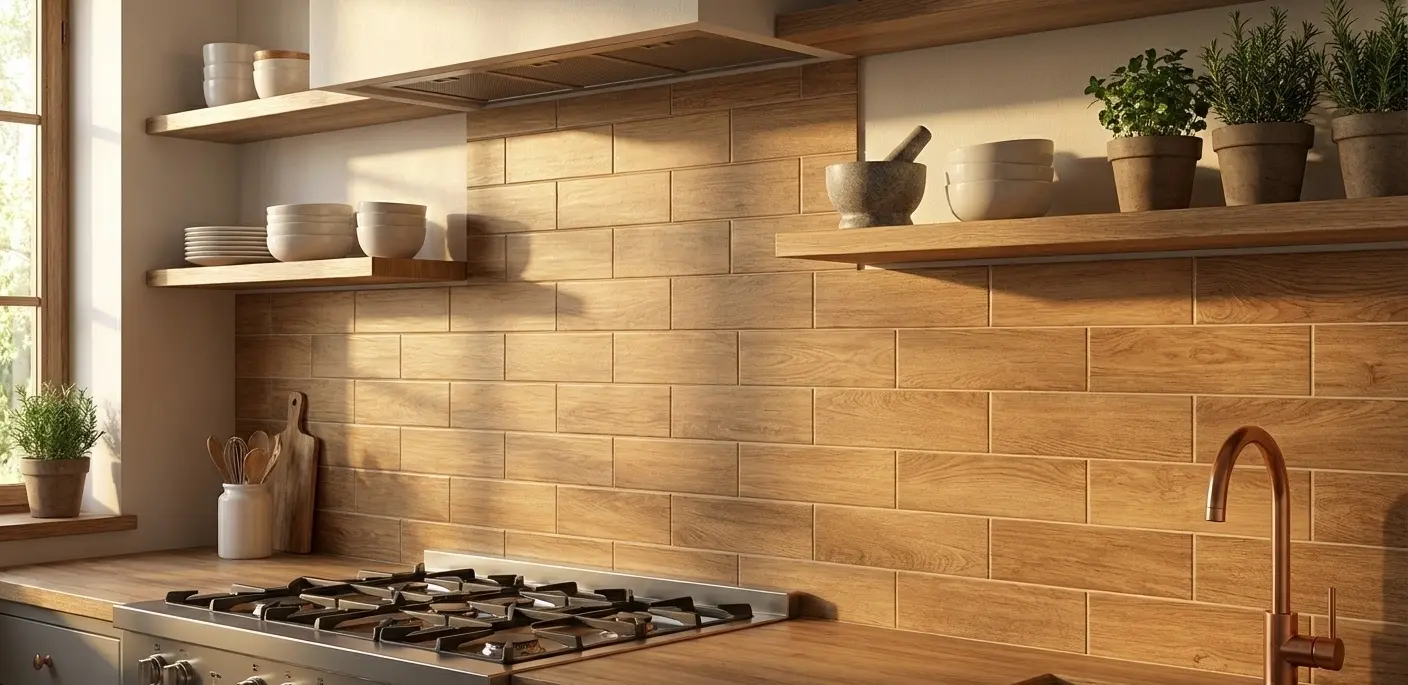
5 Subway Tile Material Options
Subway tiles are available in several material variations that deviate from the original versions found in New York's transit system. This material diversity enables you to direct clients toward selections that best suit their specific environments.
Ceramic
Representing the classic subway tile composition, ceramic originates from clay fired at moderate temperatures. This material offers both budget-friendly pricing and design flexibility, available in numerous hues and designs beyond the standard white, rectangular, polished format subway tiles are recognized for. When browsing tiles by color, you'll find ceramic surfaces can feature glazed or unglazed finishes. Glazed varieties provide superior resistance to stains and scratches, while unglazed options deliver a more natural appearance. Ceramic can incorporate textural elements such as waves, raised dots, or dimensional surfaces to introduce visual interest to the conventional subway aesthetic, as seen in options like the Fresco 6x6 Glossy Ceramic Wall Tile.
Porcelain
Also clay-based, porcelain appears virtually indistinguishable from ceramic. Yet examining a broken piece reveals porcelain maintains consistent texture and coloration throughout, while ceramic typically displays a glazed exterior with an unfinished interior. This occurs because porcelain undergoes firing at significantly elevated temperatures compared to ceramic, resulting in enhanced durability.
Porcelain tiles present smooth, non-porous surfaces, making them perfect for bathrooms, kitchen backsplashes, and moisture-exposed areas. While porcelain typically costs more than ceramic, leading to ceramic's preference for subway applications, porcelain's exceptional strength allows professional installation around fireplaces or exterior locations, expanding subway tile placement possibilities. For those seeking quality porcelain options in various dimensions, explore tiles by size or consider the Imagine 3x12 matte subway tile for modern applications.
Glass
Glass tiles deliver superior shine compared to ceramic options and create striking subway installations. Although glass produces comparable visual results to ceramic, it offers extensive color and finish selections, enabling you to steer clients toward contemporary interpretations of traditional subway designs. Glass tiles receive translucent glaze firing that provides stain resistance, making them excellent for kitchen backsplashes, countertops, and bathrooms due to easy maintenance and moisture tolerance.
Marble
Marble subway tiles create contemporary, pristine yet captivating appearances that are less prevalent than ceramic or porcelain subway options. Its bright, light-reflecting properties generate effects similar to traditional subway patterns, while the veined characteristics add particular sophistication. Marble represents a premium tile choice, frequently installed on shower walls and bathroom floors, though it requires careful handling due to scratch susceptibility. When searching tiles by style, consider the Mozart Hexagon Marble Look Porcelain Tile for a luxurious aesthetic that combines marble's elegance with porcelain's durability.
Natural Stone
Natural stone varieties encompass sandstone, slate, granite, travertine, limestone, and additional options. Their organic appearance makes them desirable for fireplaces, wall applications, and outdoor patios. Combining natural stone with subway patterns can produce distinctive variations on the classic design since it contrasts with the typical high-gloss, white ceramic associations. Natural stone delivers more subdued, earth-toned aesthetics. For complementary modern textures, consider options like the Terrazzo-look 24x24 inch matte finish porcelain tile or the Paradise 2x2 concrete look mosaic tile.
Due to their porous nature, natural stone tiles require glazing or sealing for protection against moisture and humidity, particularly in bathroom and kitchen installations. Natural stone options typically command higher prices than alternative tile materials.

Subway Tile Design Variations
Subway tiles can be modified while preserving their timeless appeal. Consider these popular layout options:
Vertical
Vertical subway tile represents a favored variation from the conventional horizontal layout. Installing subway tiles in a vertical orientation stretches the visual perception of space, proving beneficial in compact, restricted areas, particularly shower stalls or full wall applications, since it pulls the gaze upward.
Herringbone
Within interior design, the herringbone technique gained prominence in 17th and 18th century European settings, where wooden flooring was installed using staggered rectangular sections, producing an alternating, chevron-like appearance. This herringbone design experienced renewed popularity during America's Art Deco era, spanning from the 1920s to the 1930s.
The herringbone arrangement represents a favored configuration for tiles, especially subway varieties, as it merges two timeless design elements to generate a refined, classic appearance. This pattern's enduring appeal stems from its ability to blend traditional craftsmanship with contemporary applications, making it suitable for both historical renovations and modern installations.
Stacked
Stacked subway tile arrangements most closely mirror the original design, yet their grid-style formation offers a modern design variation. Rather than offsetting the rectangular pieces, stacked configurations position tiles in completely aligned rows. For unique geometric interpretations, the Perfection 7x8 hexagon matte porcelain tile offers an interesting alternative to traditional rectangular shapes.
Like vertical installations, stacked subway tile directs visual attention upward and can extend the perceived dimensions of a space, especially across wall lengths. Stacked and vertical patterns can be merged to create an unconventional subway tile design approach.
Conclusion
Subway tiles remain one of the most versatile and enduring design elements in interior spaces, offering countless possibilities for customization while maintaining their classic appeal. From their practical origins in New York's early transit system to today's diverse material options including ceramic, porcelain, glass, marble, and natural stone, these rectangular tiles continue to evolve with contemporary design trends. Whether you choose traditional horizontal layouts, dramatic vertical installations, sophisticated herringbone patterns, or modern stacked arrangements, subway tiles provide an excellent foundation for creating both timeless and innovative spaces. Their durability, easy maintenance, and adaptability make them suitable for various applications, from kitchen backsplashes to bathroom walls and beyond. By understanding the different materials and installation patterns available, you can guide clients toward subway tile solutions that perfectly complement their design vision and functional requirements.
For expert guidance on selecting the perfect subway tiles for your project, contact us at Nova Tile and Stone or explore our extensive selection when you shop tiles by type. Visit our shop local showrooms to see samples in person or learn more about the products we carry.
Frequently Asked Questions
What are the standard dimensions for subway tiles?
Traditional subway tiles follow classic rectangular proportions, though modern variations are available in various formats ranging from compact to oversized options. The classic dimensions remain the most popular choice for authentic subway tile installations.
Can subway tiles be used on floors?
While subway tiles can technically be used on floors, they're not recommended for high-traffic areas due to their typically glossy finish, which can be slippery when wet. If using subway tiles for flooring, opt for matte or textured finishes and ensure proper slip resistance ratings.
How do I choose the right grout color for subway tiles?
Grout color depends on your desired aesthetic. White or light gray grout creates a seamless, clean look that emphasizes the tile pattern. Dark grout provides contrast and highlights individual tiles, creating a more dramatic grid effect. Consider maintenance requirements, as darker grout typically shows less dirt and staining.
Are subway tiles suitable for outdoor applications?
Certain subway tile materials work well outdoors, particularly porcelain and natural stone varieties that can withstand temperature fluctuations and moisture. Ensure the tiles are rated for exterior use and have proper freeze-thaw resistance if you live in areas with cold winters.
How do subway tile expenses compare across different materials?
Subway tile investment varies significantly based on material choice. Basic ceramic versions offer budget-friendly options, while premium materials like marble or handcrafted glass represent higher-end selections. Natural stone varieties typically fall somewhere in between, with installation expenses varying depending on complexity.