Subway tile is a rectangular ceramic or porcelain tile, most commonly sized 3x6 inches, used for kitchen backsplashes, bathroom walls, and shower surrounds. In Carson Valley homes, including those in Gardnerville, Genoa, and Minden, popular options include classic white and neutral glazes, bold color and textured finishes, and layout patterns such as running bond, herringbone, and vertical stack. This guide from Nova Tile and Stone covers how to choose subway tile color, finish, size, and layout for a kitchen or bathroom project, and how to pair it with granite, quartzite, or marble countertops. Homeowners can browse the full range of tile and stone materials before narrowing down a direction for a specific room.
A Timeless Choice for Kitchens and Bathrooms
The rectangular tile shape traces back to early twentieth century transit stations, where the glossy surface and rounded edges made cleaning easier in high traffic public spaces, and that same practicality carried directly into residential design. A glazed surface resists staining behind a stovetop and sheds moisture around a sink or shower, but spills and standing water should still be wiped up promptly to keep the surface looking its best over time. A 3x6 piece reads as understated and traditional, while larger formats like 4x12 or 4x16 create a more contemporary feel, so the same basic tile can suit a compact powder room or a wide open kitchen wall equally well.
For visual examples, HGTV has compiled a range of ways homeowners have reworked this format at home. For Carson Valley homes, where interiors often blend rustic and modern elements, this adaptability matters even more, since the same basic shape can support a farmhouse kitchen, a mountain lodge bathroom, or a sleek urban style remodel depending largely on the finish and color selected.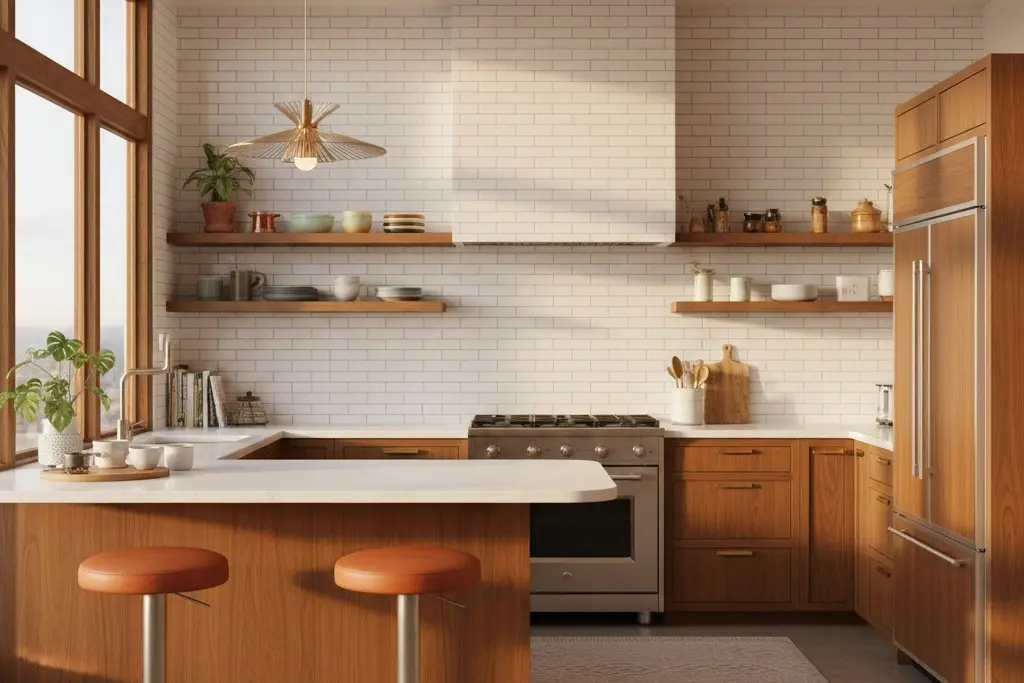
Classic White and Neutral Tile Options
White and off white tones remain the most requested colors, largely because a light surface reflects available light around a room, which helps smaller bathrooms and galley kitchens feel more open. Cooler, bright whites tend to pair well with stainless steel appliances and matte hardware, while warmer, creamier whites feel softer next to wood cabinetry and brass fixtures. Neutral tile also pairs easily with almost any cabinetry or countertop, which reduces the risk of a design becoming dated quickly compared to a trend driven color choice. Soft gray and warm ivory shades offer a slight departure from bright white while keeping that same versatility. Homeowners who want to compare a wider range of looks can shop tiles by style to see how different finishes and color families are grouped together. The surface is stain resistant, but spills should be cleaned promptly to keep grout lines looking fresh over time.
Bold Color and Textured Variations
Colored and textured tile has become increasingly popular for accent walls and statement backsplashes as homeowners look for ways to add personality without committing to a full room remodel. Deep green, navy, and terracotta tones bring character to a kitchen without overwhelming the room, especially when paired with simple cabinetry and minimal hardware, since the tile itself becomes the visual focal point. Apartment Therapy has covered small styling adjustments that can modernize this familiar format, and one approach worth considering is choosing a single confident accent color rather than mixing several bold tones in the same space. For homeowners drawn to dimension rather than color, 3D subway tile options add raised patterns and shadow play to a wall while keeping the familiar rectangular format.
Glossy vs Matte Finishes for Everyday Spaces
A glossy glaze reflects more light and tends to feel crisp and clean, which works well in smaller bathrooms or powder rooms that rely on a single light fixture. A matte or textured finish absorbs more light and often suits kitchens with a more relaxed design, and it also tends to show water spots and fingerprints less obviously than a glossy surface near a sink. Handmade looking glazes, which include slight irregularities from piece to piece, add depth to a wall even when produced through a consistent manufacturing process.
Pairing Subway Tile with Natural Stone Countertops
Choosing a subway tile that works well with a natural stone countertop comes down to balancing visual busyness so one material does not compete with the other. Granite, quartzite, and marble each bring distinct veining and color variation, and the right rectangular tile can either complement or contrast that pattern. A busy stone surface with dramatic veining, such as a bold quartzite or a heavily veined marble, often pairs best with a simple, single tone tile so the countertop remains the visual centerpiece of the room, while a more subdued countertop leaves room for a bolder tile choice. The material is easy to maintain, but harsh cleaners should be avoided on both tile grout and natural stone surfaces.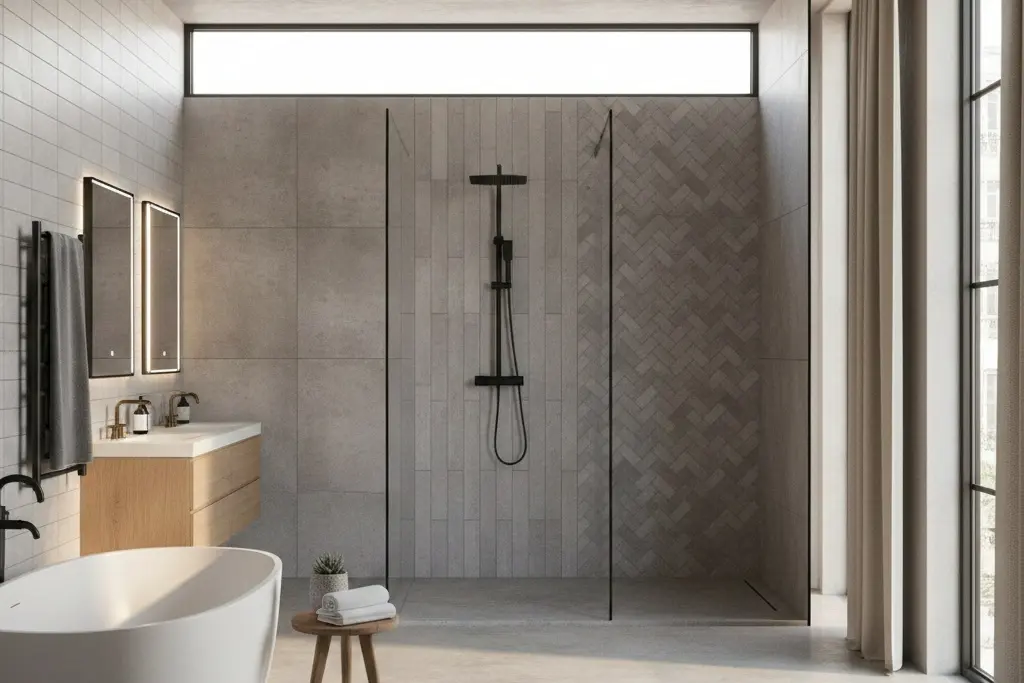
Layout Patterns That Change the Look
The classic offset brick pattern is still the most common layout, but it is far from the only option. A straight stack layout creates a more modern, grid like appearance and suits larger format tiles well, while herringbone and vertical stack arrangements add movement to a wall, with a vertical stack in particular able to visually raise a low ceiling in a smaller bathroom. Construction2Style has documented a dozen layout variations for this tile shape, ranging from simple rotations of the standard brick pattern to more elaborate chevron and basketweave arrangements. Grout color also plays a meaningful role, since matching grout keeps a wall looking uniform while a contrasting grout emphasizes each individual piece. Homeowners who want a closer look at how layouts come together can review our installation resources online, though every project should still be evaluated individually before work begins.
Mixing Tile Shapes for Added Detail
Mixing tile shapes within a single space is a common way to add detail without overwhelming a room, and it typically works best when one shape stays dominant while a second shape plays a supporting role. A small mosaic or hexagon accent strip along the base of a wall can draw the eye while keeping the palette consistent, which works particularly well behind a range or within a shower niche. Comparing dimensions side by side through shop tiles by size can help homeowners see how a smaller accent relates to a larger field tile before deciding on a final combination.
Choosing Tile for Carson Valley's Climate and Lifestyle
Homes in four season climates like Carson Valley's benefit from tile that holds up to daily use across a range of conditions, from summer heat to winter snow. Porcelain options tend to have lower water absorption than standard ceramic, making them a common choice for shower surrounds and other areas where consistent moisture exposure is a daily reality. The slab is moisture resistant, but standing water should not be left for long periods, particularly around grout lines and edges. For entryways and mudrooms, where snow and moisture are more likely to be tracked indoors during winter months, a denser, slightly textured tile can help with traction. The surface is scratch resistant, but cutting or dragging heavy objects directly across it is not recommended.
Kitchen vs Bathroom Considerations
A kitchen backsplash tends to see more grease and food splatter than a bathroom wall, so a glossy or semi gloss finish can make daily wiping easier, and homeowners focused specifically on that room can browse subway tiles for kitchen spaces to compare relevant sizes and finishes. Bathroom walls and shower surrounds deal with more consistent moisture than most kitchen backsplashes, which is where porcelain's lower absorption becomes especially relevant, and a dedicated look at subway tiles for bathroom spaces can help narrow down options suited to wetter conditions. Neither space requires a completely different tile line, but the finish and format chosen can be adjusted to fit how each room is actually used day to day.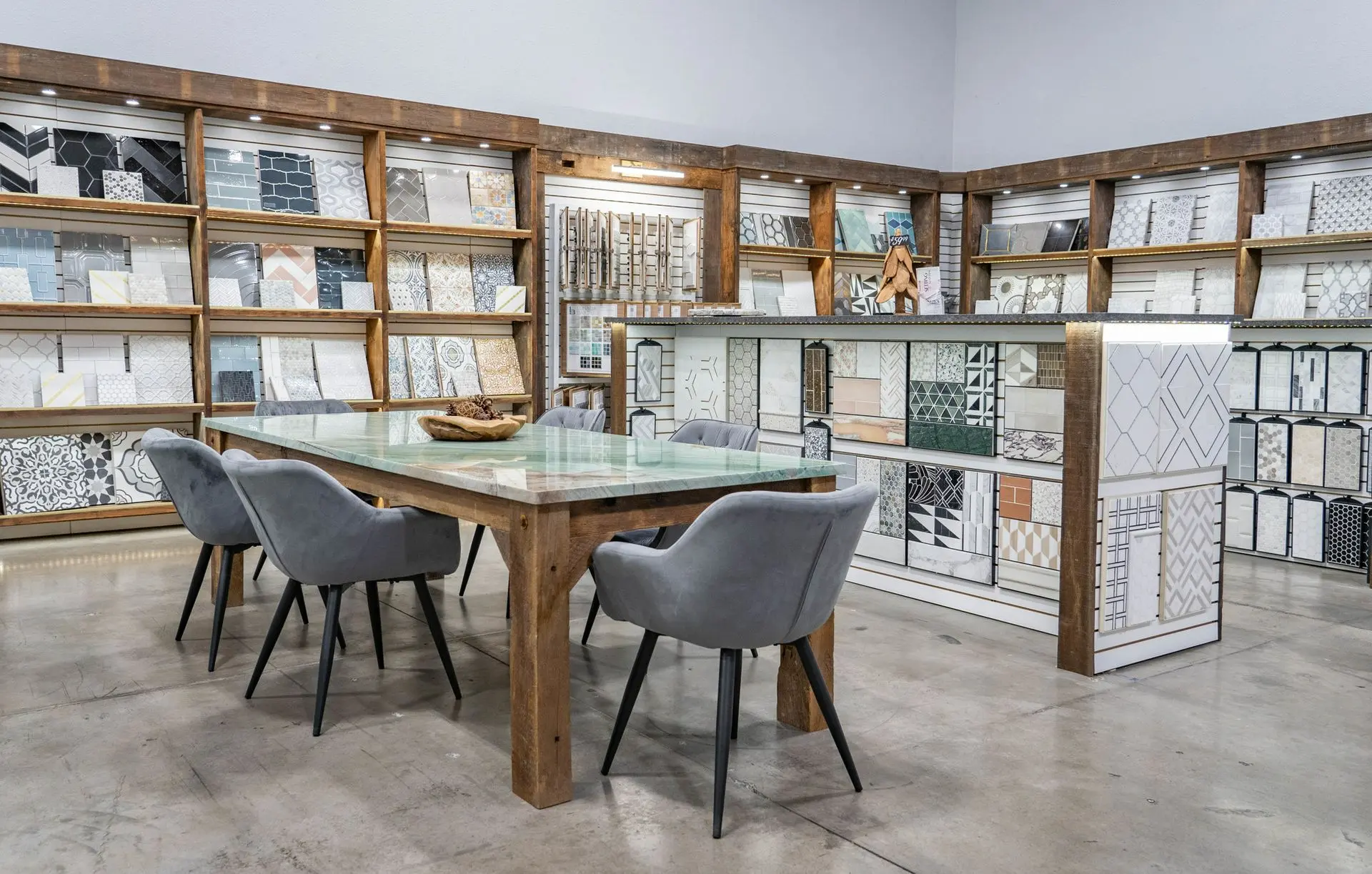
Why Local Homeowners Trust Quality Materials
Higher quality ceramic and porcelain options tend to offer more consistent sizing from piece to piece, which allows for tighter, more even grout lines, and a well made glaze also holds its color better over years of use, reducing the likelihood of noticeable fading in high traffic zones. The material offers good resistance to wear, but long term performance depends on maintenance and how consistently surfaces are cleaned. Homeowners interested in comparing quality differences in person can request a free design consultation to see samples side by side under real lighting conditions, which tends to reveal differences in glaze consistency and color depth that are difficult to judge from a small sample photo online.
Grout shade also affects long term appearance, since even a well chosen tile color can look inconsistent if grout lines darken unevenly over time, which is why some households prefer a grout shade close to the tile itself rather than a stark contrast. Lighting matters as well: a kitchen with strong natural light may show a glossy finish differently once evening lighting takes over, and warm toned bulbs can shift white tile toward a creamy cast while cooler bulbs preserve a crisper appearance. Reviewing samples under the same lighting conditions expected in the finished space helps avoid surprises once a full order is installed, and a timeless format paired with a neutral color also tends to appeal to a wider range of tastes if a home is ever sold.
Conclusion
Subway tile continues to earn its place in Carson Valley homes because it adapts to nearly any design direction while remaining practical for daily life. Pairing tile thoughtfully with countertops, understanding how different finishes perform in local conditions, and choosing a layout that fits the space are all part of building a cohesive, lasting design. For homeowners ready to explore options, the Minden showroom offers a wide selection of ceramic and porcelain styles alongside natural stone materials, and the full shop online makes it easy to browse the same collection ahead of an in person visit.
Frequently Asked Questions
Its glazed surface resists staining and sheds moisture, and both the classic 3x6 size and larger formats work well in either room. That flexibility, combined with over a century of consistent use, is part of why it remains a common choice for both spaces.
White and neutral tile reflects available light, which helps smaller bathrooms and kitchens feel more open, and it pairs easily with almost any cabinetry or countertop. This versatility reduces the risk of a design feeling dated as trends change.
A busy stone surface with heavy veining, such as a bold quartzite or a heavily veined marble, generally pairs best with a simple, single tone tile, while a more subdued countertop leaves room for a bolder tile choice.
The classic offset brick pattern remains the most common, though straight stack, herringbone, and vertical stack arrangements are also popular for adding movement or a more modern look to a wall.
A kitchen backsplash tends to see more grease and food splatter, so a glossy or semi gloss finish can simplify daily cleanup, while bathroom walls deal with more consistent moisture, where porcelain's lower absorption becomes especially relevant.