White Travertine Countertop
A white travertine countertop is a limestone-based natural stone formed from mineral deposits near hot springs, featuring cream and ivory tones with distinctive porous textures. This sedimentary material provides durable options for various residential applications with organic warmth and subtle veining that suits traditional and contemporary designs.
It requires sealing every 6-12 months for stain and moisture protection but offers good heat resistance and develops an attractive patina over time. Pricing varies based on grade and finish, while delivering unique geological characteristics that engineered alternatives cannot replicate,
making it a suitable option for homeowners who value authentic aesthetics and understand its maintenance needs.
Benefits of Choosing This Material for Various Applications
Travertine is often chosen for bathroom countertops because it has a softer, more natural appearance than many polished surfaces. Proper sealing is important to help reduce water absorption and staining in areas with regular moisture exposure. With consistent care, many homeowners choose travertine for its warm tone, natural variation, and timeless look.
Its pores, movement, and tonal variation can also make minor wear less noticeable over time than on more uniform, highly polished materials. Neutral travertine tones pair well with a wide range of finishes, which makes the material easy to integrate into both traditional and contemporary spaces.
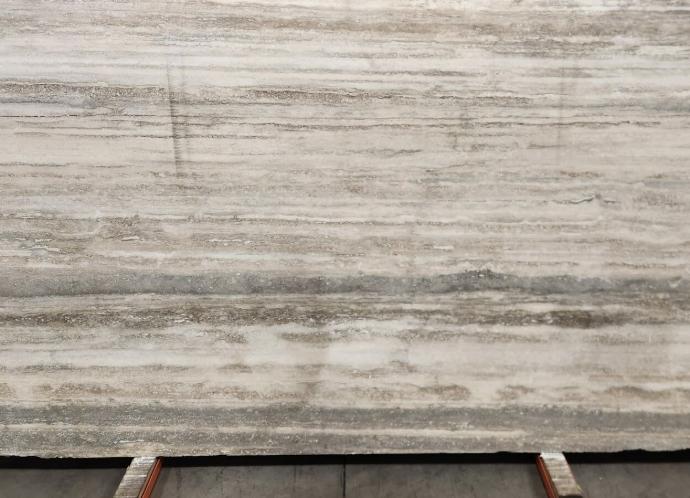
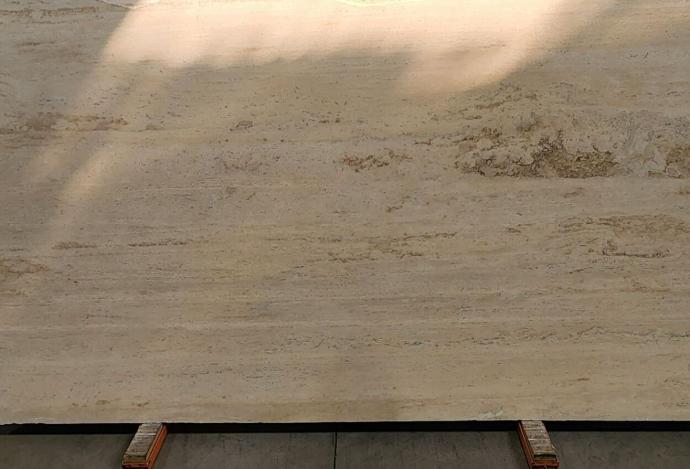
Why This Stone Stands Out for Kitchen Surfaces
The limestone-based option offers exceptional visual warmth
that manufactured alternatives struggle to replicate, with naturally occurring
holes and troughs that create tactile interest. Its calcium carbonate
composition produces soft cream and beige undertones that shift subtly under
different lighting conditions throughout the day.
Unlike stark white stone
countertop options, it introduces organic movement through fossil
impressions and mineral deposits, establishing a connection to geological
processes spanning thousands of years. Homeowners appreciate how it ages
gracefully, developing a patina that enhances rather than diminishes its
character, delivering understated sophistication suitable for both modern
minimalist kitchens and rustic farmhouse aesthetics.
White travertine countertops are manageable to maintain with the right care routine. When properly sealed, the surface is better protected against everyday spills and moisture, and routine cleaning usually involves a soft cloth, mild soap, and water. Because travertine is naturally porous, periodic resealing is important to help preserve its appearance and reduce the risk of staining over time. Avoiding harsh chemicals and abrasive cleaners also helps maintain its warm, creamy tones.
With consistent care, white travertine can remain a practical and attractive option for kitchens, bathrooms, and other interior spaces. Requesting a slab quote can also help clarify pricing based on slab size, finish, and project requirements.
Frequently Asked Questions
Regular sealing is essential, typically recommended every 6-12 months depending on usage intensity. Quality sealers penetrate the porous structure, creating a protective barrier against stains from oils, acids, and liquids while maintaining the original appearance.
The calcium carbonate composition makes it vulnerable to etching from acids, which can dull the finish or create light spots. Immediate cleanup of spills prevents damage effectively.
It provides adequate structural support when properly installed with appropriate substrate reinforcement. The compressive strength handles everyday use well, though avoiding impact from dropped objects protects against chipping.
Standard slabs typically come in 2cm or 3cm thicknesses, with 3cm offering enhanced durability without requiring plywood backing. Thicker options provide a more substantial appearance and better edge profile choices.
This option requires attentive care due to its porous nature, needing more frequent sealing than granite and similar maintenance to marble. Regular sealing, gentle pH-neutral cleaning products, and prompt spill cleanup are essential to prevent staining and etching.