Travertine Flooring
Selecting the right flooring material involves weighing
durability, finish options, and how well a surface holds up under regular use.
For spaces where natural stone is the preferred direction, Travertine flooring
is a material worth serious consideration. It is a sedimentary natural stone
formed through the deposit of calcium carbonate minerals in mineral-rich water,
producing a dense surface with warm, earthy toning and natural variation across
each slab. It is suitable for both indoor and outdoor floor applications,
including living spaces, hallways, covered patios, pool surrounds, and exterior
walkways. The material is available in polished, honed, leathered, and
specialty finishes, and sealing is recommended to protect the surface from
staining and moisture absorption.
Our team has helped homeowners, interior
designers, and contractors source natural stone flooring since the company was
founded in 2005 by the Hartman family. Current slab inventory can be browsed at
our website, and clients
looking for value-priced options may find suitable selections through our overstock slab options.
How to Care for Travertine Floors
Consistent care helps preserve the surface quality and long-term appearance of the floor. The following practices are recommended.
Seal the floor surface according to the fabricator's or installer's recommendations to reduce staining and surface absorption.
Clean the floor regularly using a soft mop and a pH-neutral cleaner suited for natural stone.
Avoid abrasive cleaners and harsh chemicals, as these can damage the surface finish over time.
Clean spills promptly, as the stone can absorb liquids if the surface is left unattended.
Avoid standing water on the floor, as prolonged moisture exposure is not recommended.
Place protective pads under furniture legs to reduce the risk of surface scratching.
Do not drag heavy objects across the floor, as this may affect the finish over time.
Inspect the surface periodically for any changes in finish or color that may indicate the sealant needs to be reapplied.
Looking for more ideas? Read more on our blog:
Choosing a Finish for Travertine Flooring
This natural stone forms through a geological process that produces a surface with natural tonal variation and a character that holds up well across a range of floor applications. It is suited for both indoor and outdoor use, making it a versatile option for interior living spaces, covered patios, pool surrounds, and exterior walkways. The material is available in polished, honed, leathered, and specialty finishes, each producing a different surface quality suited to different design and performance needs. Understanding which finish works best for a specific floor application is an important part of the selection process, and this guide to selecting the ideal stone finish offers helpful context for making that decision.
A honed finish produces a flat, matte surface that performs well under regular foot traffic. A leathered finish adds subtle surface texture, while a polished finish reflects more light and brings out additional surface detail. For clients exploring this material across multiple applications, travertine fireplace surrounds and beige travertine slabs are related options our team can assist with. As a natural stone, each slab carries its own variation in tone and surface character.
Travertine Flooring Durability and Sealing
The stone is durable by nature, but long-term performance on a floor depends on how it is installed, sealed, and maintained. It has a naturally porous structure, which makes proper sealing important for floor applications where foot traffic, moisture, and spills are regular factors. Sealing helps reduce surface absorption and protects against staining. The frequency of resealing depends on the finish selected and the level of use the floor receives.
The surface resists moisture reasonably well, but standing water should not be left for extended periods, particularly on surfaces that have not been properly sealed. The material performs well in both dry and moderately humid interior environments, but each installation should be evaluated individually based on the conditions of the space. The Natural Stone Institute's consumer care resources provide reliable guidance on maintaining natural stone floors over time. The Natural Stone Institute events calendar is also a useful resource for connecting with industry professionals who work with natural stone.
Scratch resistance may vary depending on the finish and color selected. Placing protective pads under furniture legs is a reasonable precaution, and the material is built for lasting use, but correct installation and ongoing maintenance remain essential to preserving its appearance.
Browse our Travertine flooring for a natural stone surface with warm toning, finish versatility, and lasting character. Visit our 4 showrooms and shop with us!
Note: Some images on this page are conceptual renderings created to illustrate design possibilities and may not depict actual installations.
Frequently Asked Questions about Travertine Flooring
It is a natural stone rated for both indoor and outdoor floor applications. It is used in interior living spaces, covered outdoor areas, pool surrounds, and exterior walkways. Performance depends on the finish selected and the conditions of the installation, but the material handles a range of environments well. Correct installation and proper sealing are important for both settings.
The right finish depends on the specific application and design direction. A honed finish is a practical choice for floor use, as it produces a flat, matte surface that holds up well under regular foot traffic. A leathered finish adds subtle texture, while a polished finish reflects more light and brings out additional surface detail. Our team can help identify which finish suits a specific project.
Sealing is generally recommended for this type of natural stone floor. The stone has a naturally porous structure, and sealing helps reduce staining and surface absorption. The frequency of resealing depends on the finish, the level of foot traffic, and the sealer product applied. Following the guidance of the fabricator or installer is recommended for the appropriate sealing schedule.
Yes, store pickup is available at all four showroom locations. A properly rated truck and A-frame are required to safely transport natural stone slabs. Our team will assist with loading at the time of pickup. Scheduling an appointment in advance is recommended to ensure the slabs are ready upon arrival.
Yes, slab delivery is available to any of the 48 contiguous U.S. states. Natural stone slabs require special handling and are securely strapped to an A-frame and loaded onto a dedicated truck for transport. Delivery is made directly to a fabricator's address, and the receiving facility must have a forklift and slab boom or clamp available for unloading. Contact the team directly for a custom freight quote based on delivery location.
Featured Products:
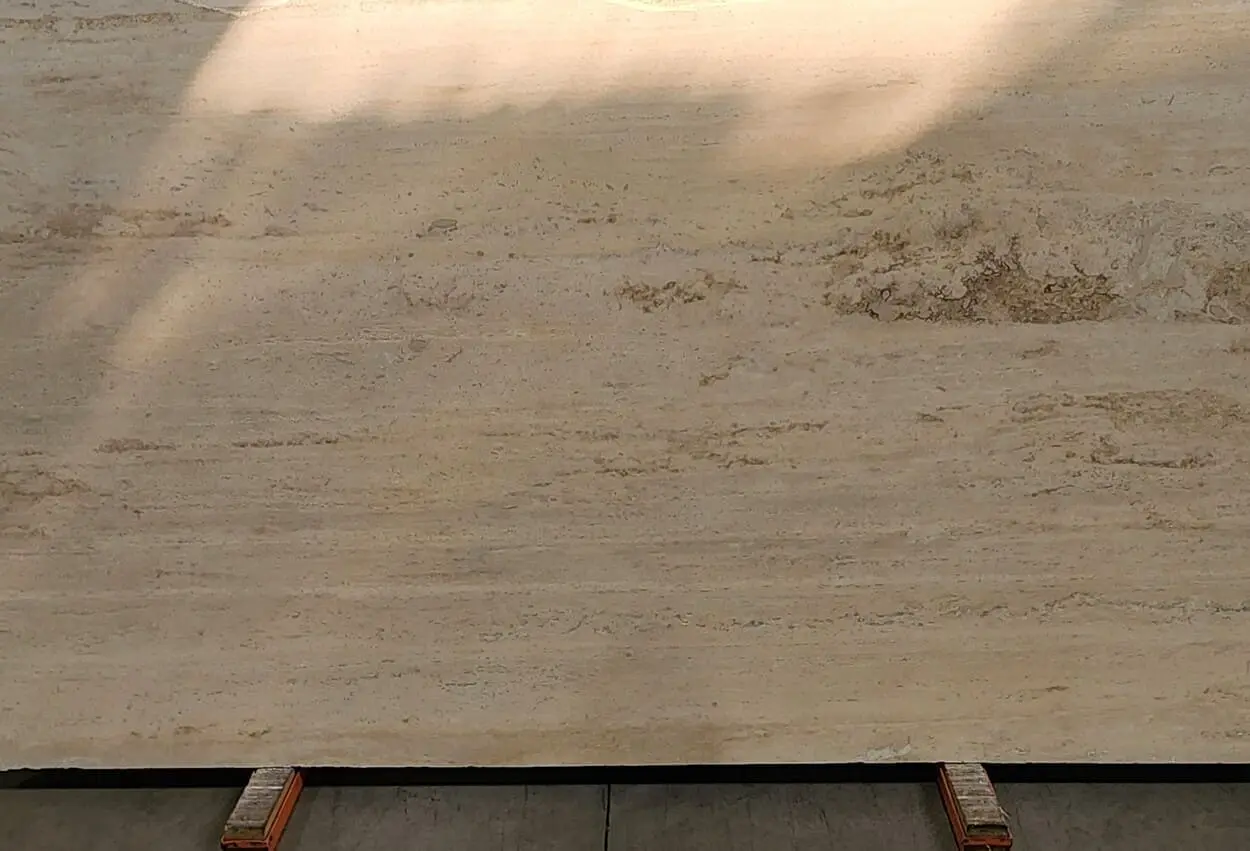
Thickness: 2.0 cm
Finish: Honed (matte)
Store Location: Minden, NV
Warehouse: U2B
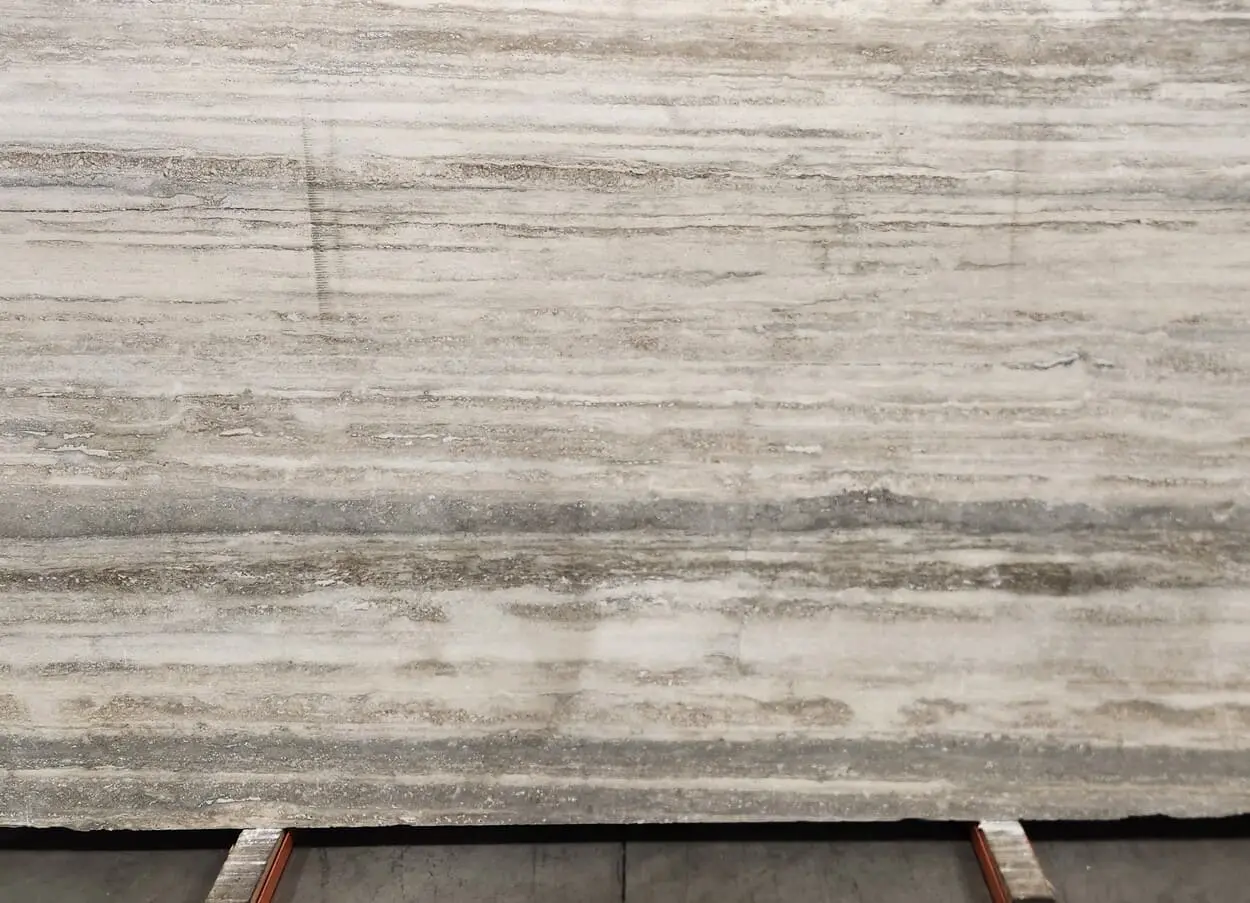
Veracruz Veincut Travertine
Italian Silver Veincut Travertine
Thickness: 2.0 cm
Finish: Honed (matte)
Store Location: Minden, NV
Warehouse: U2B