Stacked 3x6 Subway Tile
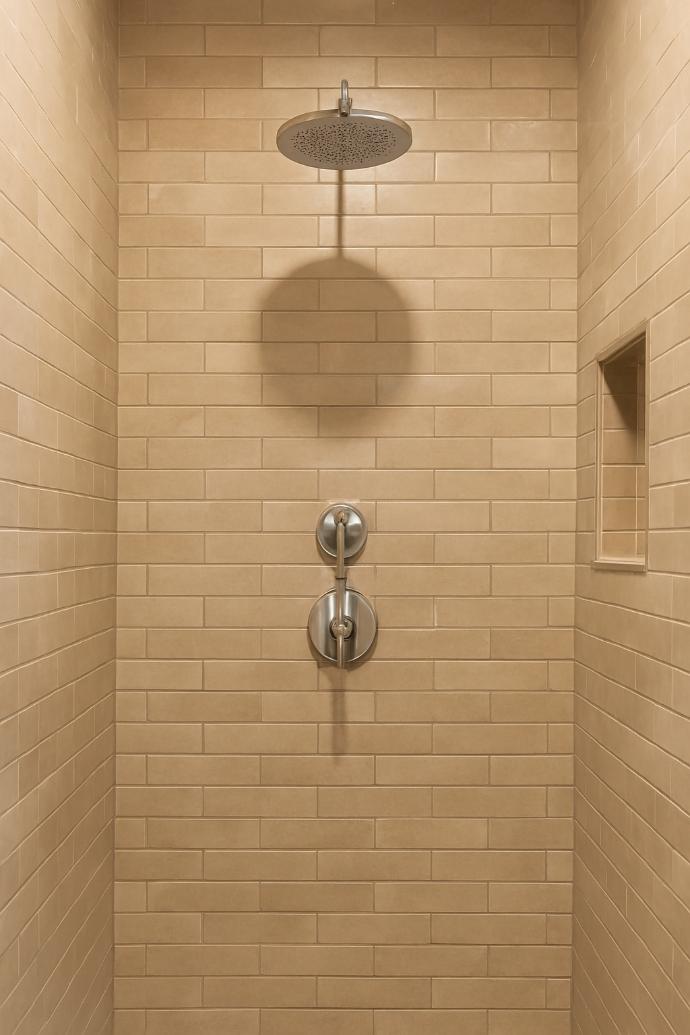
Stacked 3x6 subway tile delivers a bold, contemporary twist on the classic rectangular format that has defined interior design for over a century. This pattern arranges tiles in vertical columns rather than the traditional offset layout, creating clean, uninterrupted lines that draw the eye upward and give rooms a fresh, architectural quality. Available in both porcelain and ceramic materials with multiple finishes and colors, this versatile wall tile works beautifully in bathrooms, kitchen backsplashes, and shower spaces where you want to make a statement without overwhelming your design.
Explore More Tiles
What Makes Stacked Subway Tile Different
Unlike traditional brick-pattern installations where each tile overlaps the one below by half its length, the stacked 3x6 subway tile arrangement aligns every edge perfectly. The 3-inch by 6-inch dimensions create a grid pattern that emphasizes vertical or horizontal movement depending on your orientation choice.
Porcelain options provide superior water resistance with absorption rates below 0.5%, making them ideal for shower walls and high-moisture areas. Ceramic versions offer excellent durability at a more accessible price point while maintaining the glazed surface that makes cleaning effortless. Both materials feature rectified edges that produce minimal grout lines, which enhances the sleek, modern appearance this pattern is known for.
The key difference from standard subway tile layouts becomes immediately visible. Where offset patterns create a woven texture with staggered joints, stacked arrangements produce graphic precision. This makes the pattern particularly effective when you want architecture to feel intentional rather than decorative. The straight sight lines work especially well in modern kitchen design, where minimalist aesthetics demand visual clarity.
Design Applications and Layout Versatility
Stacked 3x6 subway tile adapts to multiple installation approaches. Horizontal stacking creates width emphasis, making narrow bathrooms appear more spacious. Vertical subway tile arrangements push ceilings higher visually, which benefits rooms with standard 8-foot heights. You can also rotate to a diagonal orientation for unexpected visual interest, though this requires more precise cutting and planning.
The pattern pairs naturally with contemporary fixtures and hardware. In bathrooms, it provides a neutral backdrop that allows statement mirrors, lighting, and vanities to command attention. For kitchen backsplash applications between counters and cabinets, the uniform grid creates rhythm without competing with other design elements. Accent walls in living spaces gain architectural presence when featuring stacked tile in bold colors or textured finishes.
Beyond standard applications, consider using stacked 3x6 subway tile for fireplace surrounds, laundry room utility walls, or mudroom wainscoting. The pattern's geometric nature complements both herringbone subway tile installations when you mix patterns and the clean simplicity of solid-color walls when you want consistency.
Long-Term Investment Value
Choosing stacked 3x6 subway tile means selecting materials that maintain value throughout your home ownership. The pattern's modern appeal resists trending cycles that date other design choices within a few years. Both porcelain subway tile and ceramic options feature manufacturing standards that produce consistent sizing and coloration across production runs, simplifying future repairs or expansions.
Quality materials paired with professional tile installation create walls that last 50 years or more with minimal intervention. The non-porous surface of glazed tiles prevents moisture infiltration that degrades wall structures, protecting your investment in the surrounding construction. Unlike painted walls requiring repainting every few years, tiled surfaces maintain their finish indefinitely with basic cleaning.
The timeless rectangular format provides flexibility for future redesigns. When you want to refresh bathroom walls or update kitchen aesthetics, new fixtures and accessories transform the space while the tile remains relevant. This reduces remodeling costs significantly compared to trendy materials that demand complete replacement when styles shift.
Frequently Asked Questions
Labor costs remain similar between stacked and offset patterns since both require the same tile-setting techniques. The primary difference lies in layout precision. Stacked installations demand more attention to alignment since any deviation becomes immediately visible in the straight sight lines. Some installers charge a modest premium for this extra care, but many include it in standard pricing. The tile material cost stays identical regardless of pattern choice.
While technically possible, this size and pattern work better for vertical wall surfaces. The 3x6 format lacks the stability larger tiles provide underfoot, and the increased grout lines create more maintenance on horizontal surfaces subject to foot traffic. Floor applications typically benefit from 12x24 or larger formats that cover more area with fewer seams.
Consider your lighting conditions and maintenance preferences. Glossy finishes reflect light beautifully, making small bathrooms feel larger and brighter. However, they show water spots and fingerprints more readily. Matte surfaces hide these imperfections while providing contemporary aesthetics. In shower areas, matte finishes often prove more practical. For kitchen backsplashes receiving less water exposure, glossy tiles offer stunning visual impact.
Matching grout to tile color creates seamless expanses that emphasize the overall field rather than individual tiles. Contrasting grout highlights the geometric pattern, making the grid structure a focal point. For modern designs, consider gray grout with white tiles for subtle definition. Dark grout with light tiles produces dramatic effect but requires more cleaning to maintain appearance. Epoxy grout options resist staining better than traditional cement-based products.
For bathroom walls and shower wall tile installations, porcelain's superior water resistance justifies the price difference. The material's density prevents moisture absorption that can lead to efflorescence and substrate damage over time. Kitchen backsplash applications see less moisture exposure, making ceramic a cost-effective choice that performs well. Consider your specific installation location and budget when deciding between materials.
Ready to Transform Your Space?
Order your $1 sample today and experience the quality difference yourself. Explore our full selection of subway tile options and take advantage of free shipping on all samples. Transform your vision into reality with stacked 3x6 subway tile that combines timeless design with modern performance.