Slate Look Subway Tiles For Kitchen Walls
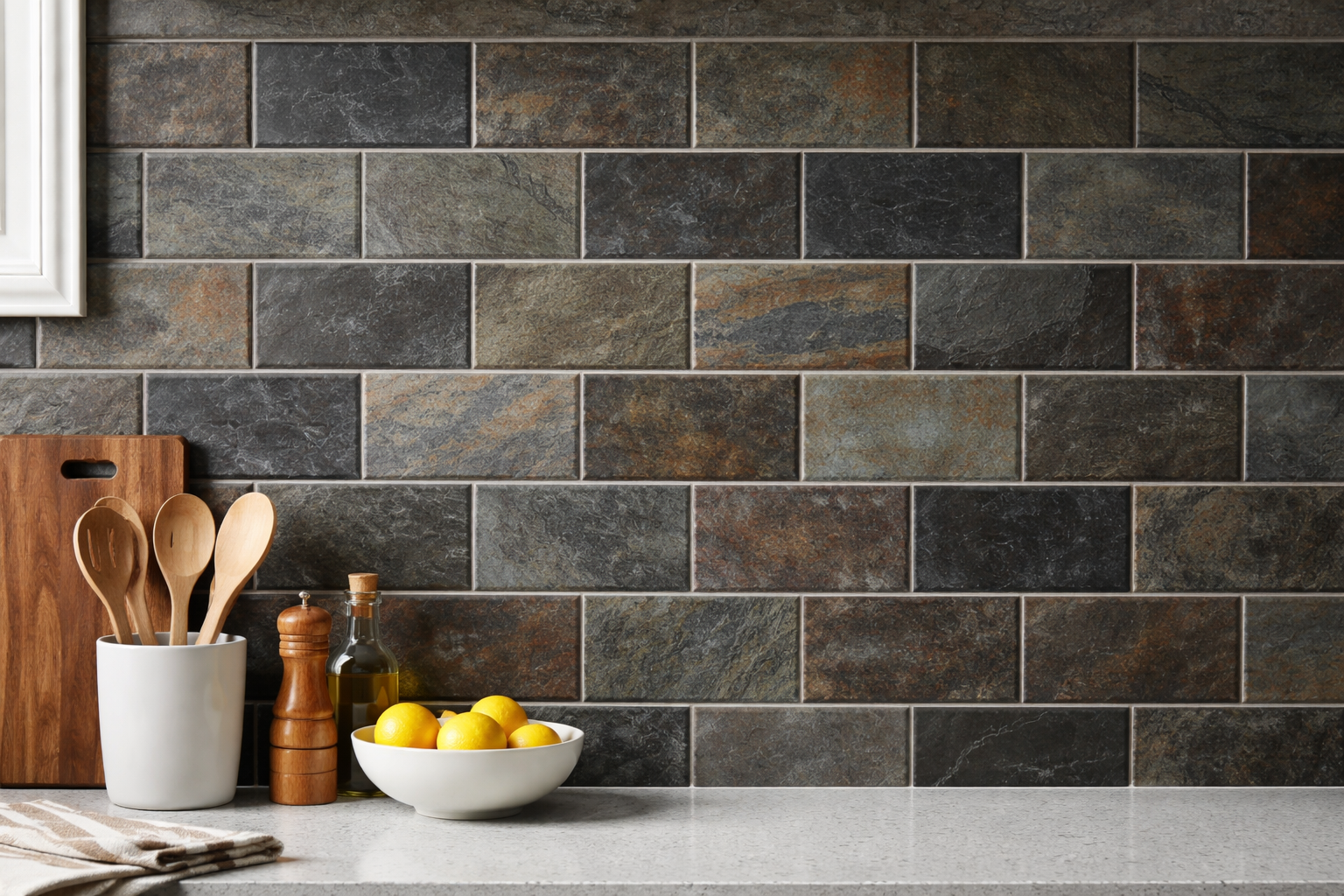
Slate look subway tiles for kitchen walls are porcelain tiles designed to mimic natural slate's texture and appearance while offering superior durability and low maintenance. These tiles typically measure 3x6 or 4x12 inches, feature dimensional surface variations with natural color shifts in charcoal, graphite, taupe, and greige tones, and resist staining from cooking oils and acidic ingredients without requiring sealing.
Transform your kitchen with the timeless beauty of natural slate without the hassle of sealing or maintenance.
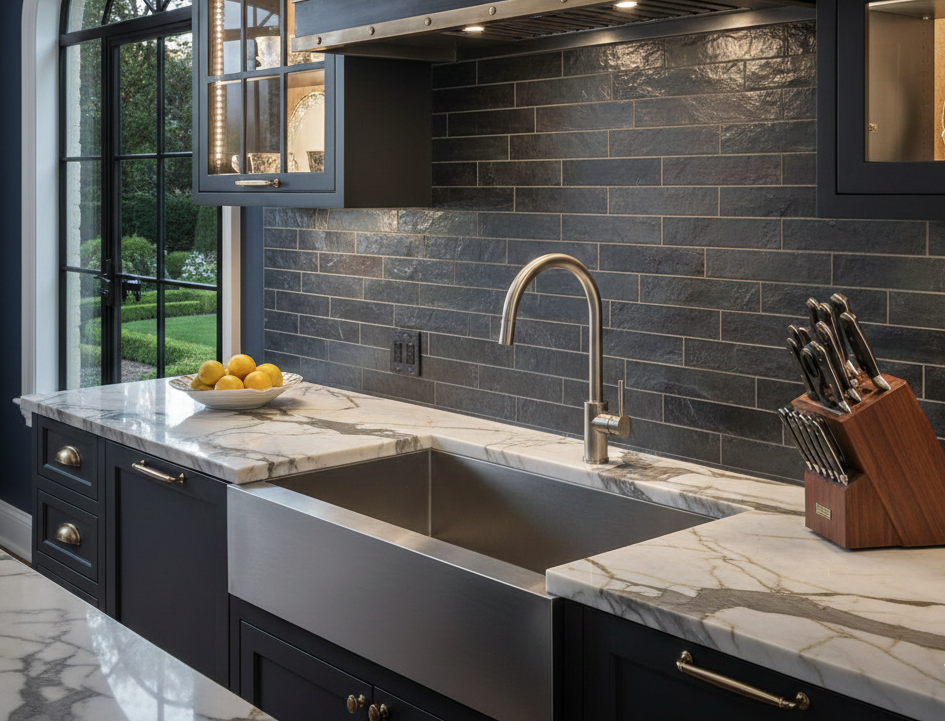
Best used for backsplashes and full-height wall applications, they pair well with both modern and traditional kitchen styles, coordinate with light or dark cabinetry, and can be installed in running bond, vertical stack, or herringbone patterns. The porcelain composition withstands heat and moisture typical in cooking environments while maintaining easier cleaning than authentic sedimentary stone.
Choose from our subway tile collection now!
Installation and Design Flexibility of Slate Look Subway Tiles for Kitchen Walls
The versatility of these surfaces extends beyond slate
look subway tiles backsplash applications to full-height treatments that
create cohesive visual flow.
Whether you're covering the area behind your range
or extending coverage from countertop to ceiling, the uniform sizing simplifies
layout planning and reduces material waste.
The neutral tonal ranges from
charcoal and graphite to warmer taupe and greige coordinate seamlessly with
both light and dark cabinetry, allowing design flexibility as your style
evolves.
For those considering broader applications, slate look subway tiles for kitchen installations can extend to adjacent dining areas or create feature sections that define specific zones within open-concept floor plans. The format's proportions lend themselves to various laying patterns, from traditional running bond to more contemporary vertical stacks or herringbone arrangements that add architectural interest.
Textured
Authentic
Coordinating with Existing Elements
Success in vertical surface selection depends on thoughtful coordination with countertops, cabinetry finishes, and flooring materials. The subtle color variations inherent in slate-inspired designs provide enough visual interest to stand alone yet remain neutral enough to serve as a backdrop for decorative accessories and functional elements like open shelving. When planning your project, consider how lighting conditions throughout the day will interact with the surface texture the dimensional quality becomes more pronounced under directed task lighting, while ambient illumination reveals the color depth.
The geological aesthetic pairs particularly well with natural wood tones, matte black fixtures, and both warm and cool metal finishes. For additional inspiration on creating cohesive designs, exploring slate look subway tiles accent walls demonstrates how this format can extend beyond utilitarian zones to create focal points in adjacent living spaces. Starting your selection process at our home page provides access to the complete range of coordinating products.
Frequently Asked Questions
Porcelain versions offer the same visual appeal without requiring periodic sealing, resist staining from acidic foods and oils, and maintain consistent thickness for easier installation compared to natural sedimentary stone.
Yes, porcelain withstands temperature fluctuations and moisture exposure without degrading, making it ideal for areas near sinks, stoves, and other high-humidity zones.
Standard pH-neutral cleaners and soft cloths effectively remove cooking residue without harsh scrubbing, and the non-porous surface prevents bacterial growth in grout lines when properly sealed.
Medium to dark gray grout complements the natural color variations while minimizing the appearance of staining over time, though specific selection depends on your overall design vision.
The geological aesthetic's timeless appeal works across design periods contemporary spaces appreciate the textural contrast, while traditional settings benefit from the organic, earthy character.