Peach Porcelain Tile
Peach porcelain tile is a warm-toned ceramic surface material featuring soft orange and pink undertones, available in matte, glossy, and textured finishes for walls and floors.
Key features of peach porcelain tile:
- Water absorption rate below 0.5%, making it moisture-resistant
- Scratch-resistant and stain-resistant surface
- Compatible with kitchens, bathrooms, backsplashes, and accent walls
Best color pairings: white, cream, brass, copper, gold, navy blue, and forest green
Maintenance: Sweep and damp mop with pH-neutral cleaners. Glazed typically does not require sealing.
This tones gained popularity after Pantone named "Peach Fuzz" the 2024 Color of the Year, making this tile color a trending choice for modern interiors.
Practical Benefits of Peach Porcelain Tile
Porcelain tile offers advantages that make it a smart choice for busy households. The dense surface resists scratches, stains, and moisture, so spills wipe up easily without leaving marks. Unlike natural stone, glazed typically doesn't require sealing to maintain its appearance.
Peach porcelain tile holds its color beautifully over time, even in sunlit rooms where other materials might fade. The fired surface stands up to daily wear in kitchens and bathrooms without showing age. For families with children or pets, this durability means less worry about damage and easier cleanup after everyday messes.
Porcelain Tile Products
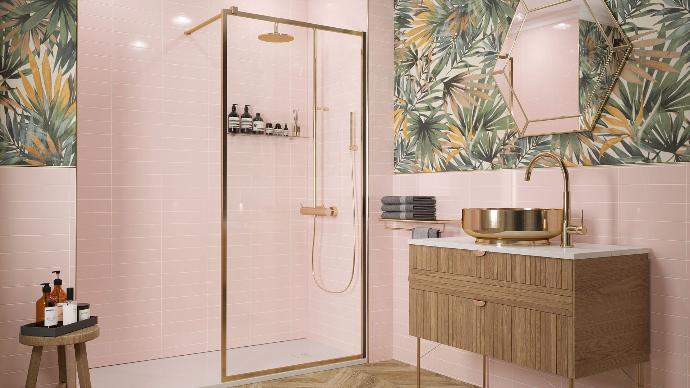
Design Applications and Color Pairings
White remains the most popular pairing, offering clean contrast that lets the warm tones shine. Soft creams and ivory shades create monochromatic schemes with subtle depth. For bolder approaches, navy blue porcelain tile or forest green accents provide complementary contrast that enhances the peach undertones. If you prefer a more eclectic look, consider pairing it with multicolor porcelain tile for added visual interest.
Grout selection significantly impacts the final appearance. White grout creates a soft, cohesive look, while gray grout adds contemporary definition. Subway tile formats remain popular for peach-colored installations, and hexagon shapes add geometric interest to floors and accent walls.
Maintenance and Care
This tile requires minimal maintenance compared to natural stone alternatives. The non-porous surface resists staining from food, beverages, and household chemicals. Regular sweeping and damp mopping with pH-neutral cleaners keeps tiles looking new. Avoid acidic products that can damage glazed surfaces over time.
Order Your $1 Tile Sample Today
Our $1 sample program ships 4"x4" cut-to-order pieces directly to your door, letting you evaluate color in your home's lighting conditions. Visit one of our showrooms for personalized design guidance.
Reno | Minden | Fernley | Sacramento
.
Frequently Asked Questions
Peach porcelain tile works exceptionally well in bathrooms, kitchens, and powder rooms where warm, inviting atmospheres are desired. The color reflects flattering light in bathroom settings and creates welcoming kitchen environments. Accent walls in living rooms also benefit from peach tones when balanced with neutral furnishings.
White and cream tones create classic combinations with peach tiles. Brass, copper, and gold metallic accents enhance the warm undertones beautifully. For contrast, navy blue and forest green provide complementary balance. Grout color also matters. White grout creates a soft, cohesive look while gray grout adds contemporary definition.
Yes, porcelain tile is an excellent choice for busy households. The dense, non-porous surface resists scratches, stains, and moisture, making cleanup quick and easy. Spills wipe up without leaving marks, and the durable surface stands up to daily wear from kids and pets without showing age.
No, porcelain tile holds its color beautifully over time, even in rooms with significant natural light. Unlike vinyl, laminate, or hardwood flooring that can fade or discolor from sun exposure, the fired surface of porcelain remains stable and maintains its original appearance for years.
Maintenance is simple. Regular sweeping and damp mopping with pH-neutral cleaners keeps tiles looking new. Avoid acidic products like vinegar-based cleaners that can damage glazed surfaces over time. Unlike natural stone, glazed porcelain typically doesn't require sealing, making it a low-maintenance flooring option.