Benefits and Durability
Slabs of this material generally rate around 7 on the Mohs hardness scale, with some varieties reaching higher depending on finish and manufacturing process, placing them on par with or harder than granite, which typically rates between 6 and 7. This translates to strong resistance against everyday scratching and surface wear.
This engineered surface is also etch-resistant, meaning acidic substances such as citrus juice, vinegar, and wine will not discolor or damage it, a key advantage over marble and other calcite-based stones. Its non-porous composition further resists staining and bacterial absorption, supporting a hygienic environment in both kitchens and bathrooms.
Because porcelain undergoes vitrification at extreme kiln temperatures, the resulting slab is dimensionally stable, it does not expand, contract, or warp with shifts in temperature or humidity the way some other surface materials can. This makes it a particularly reliable choice for outdoor kitchen installations and indoor applications near high-heat zones, where long-term structural integrity matters as much as surface performance.
Porcelain also holds its color and finish under prolonged sun exposure, unlike some quartz composites that can fade or yellow over time, a meaningful advantage in kitchens with large windows or any space where natural light plays a significant role in the design. For buyers comparing options, this UV stability is one of the more overlooked performance differentiators between porcelain and other engineered surfaces at a similar price point.
One consideration worth noting is that edges can be vulnerable to chipping under heavy impact, making professional installation by an experienced fabricator strongly recommended.
Aesthetic Appeal of Warm-Toned Porcelain Slabs
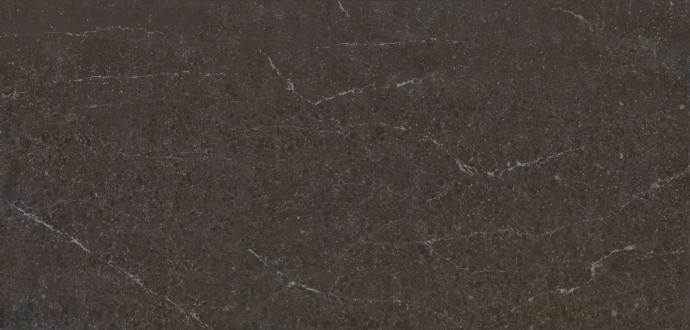
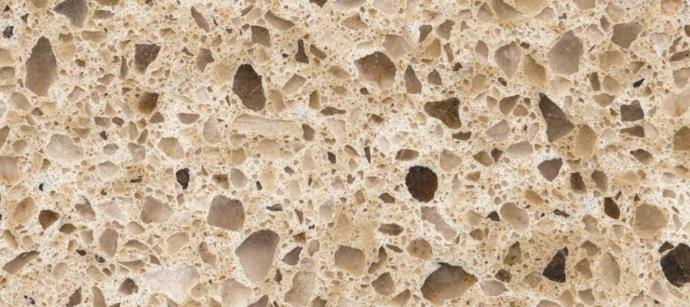
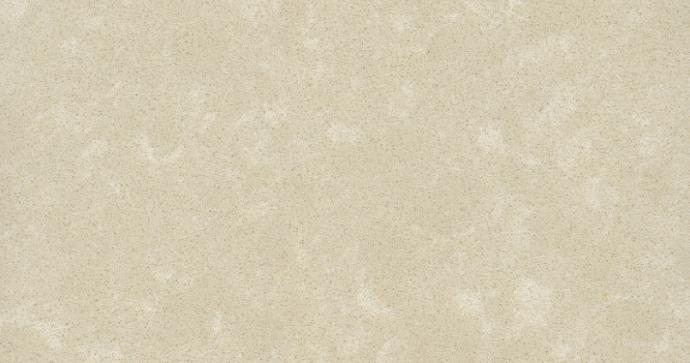
These slabs range from subtle matte finishes that replicate the texture of natural stone to high-gloss surfaces that add depth and warmth to any interior. Earthy tones pair naturally with wood cabinetry, matte black hardware, and neutral wall palettes, making them a strong fit for both a kitchen remodel and a bathroom vanity upgrade.
Unlike natural stone, porcelain offers a more consistent pattern across slabs, an advantage for large kitchen islands or projects requiring a uniform appearance. For those drawn to organic variation and one-of-a-kind patterning, a brown natural stone countertop remains a compelling alternative worth exploring.