Zellige-look subway tiles are Moroccan-inspired ceramic tiles featuring irregular hand-glazed finishes, subtle color variations, and textured surfaces that replicate traditional artisanal craftsmanship. These tiles work exceptionally well in homes for kitchen backsplashes, bathroom shower surrounds, entryway accent walls, and living room feature walls. The key benefits include authentic handcrafted aesthetics, superior durability, water resistance, and versatile applications across multiple room types.
Homeowners can choose from color palettes including sage green, dusty blue, terracotta, cream, taupe, and gray to complement various interior design styles from contemporary minimalist to traditional Mediterranean. Installation options include running bond, vertical stack, and herringbone patterns with either contrasting or matching grout. These tiles pair well with natural wood elements, brass or matte black metal accents, stone countertops, and textile furnishings.
Proper maintenance involves pH-neutral cleaners, soft brushes for textured surfaces, and grout sealing every one to three years. The glazed ceramic construction ensures decades of longevity when installed correctly, making them both aesthetically pleasing and practically functional for residential spaces seeking Moroccan-inspired character without traditional handmade tile costs.
Understanding the Zellige Aesthetic
Traditional zellige tiles originated in Morocco centuries ago, crafted by skilled artisans who hand-cut and glazed each piece. The resulting surfaces display intentional imperfections that modern manufacturing techniques now replicate. Contemporary versions maintain the visual appeal while offering improved durability and easier installation, meeting industry standards for ceramic tile quality.
The distinctive characteristics include subtle color variations within each tile, irregular glaze distribution, and slightly uneven surfaces. These features catch and reflect light differently throughout the day, creating dynamic visual effects. The handcrafted appearance adds an authentic, lived-in quality that complements both traditional and contemporary interiors.
Modern production methods allow these designs to maintain aesthetic authenticity while providing consistent sizing for straightforward installation. The glazing techniques create the signature crazing and color pooling associated with handmade Moroccan tiles, ensuring each installation feels unique.
Kitchen Applications
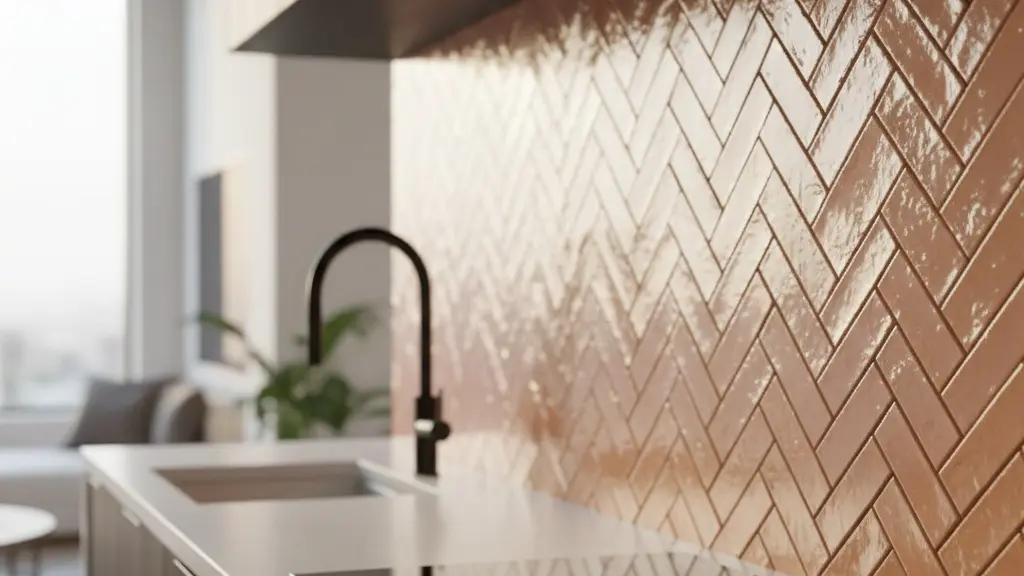
Kitchens present numerous opportunities for incorporating zellige-style designs. Backsplash installations remain the most popular choice, offering protection for walls while serving as focal points. The textured glaze handles splashes and cooking residue well, though the irregular surface requires appropriate cleaning methods.
Full-wall installations create dramatic statements in open-concept kitchens. Extending tiles from countertop to ceiling amplifies the visual impact and establishes a cohesive design narrative. This approach works particularly well when paired with minimalist cabinetry that allows the tilework to command attention.
Kitchen islands provide another canvas for these decorative surfaces. Wrapping the island sides or back panel in zellige-look tiles distinguishes this workspace from surrounding areas. The contrasting textures between smooth stone countertops and irregular tile surfaces add dimensional interest to the room's centerpiece.
Color selection significantly influences the overall kitchen atmosphere. Soft sage greens and dusty blues evoke Mediterranean calm, while terracotta and warm ochres channel desert warmth. Neutral tones like cream, taupe, and gray integrate seamlessly with various cabinet finishes and hardware styles.
Bathroom Transformations
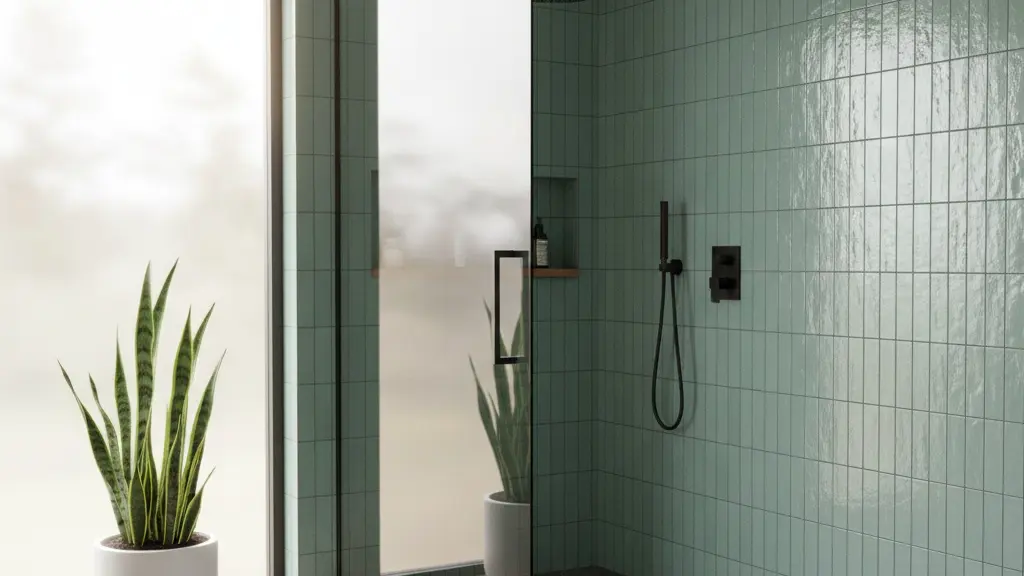
Bathrooms become personal sanctuaries when designed with intentional material choices. Zellige-inspired subway tiles introduce spa-like qualities through their organic textures and soothing color palettes. Shower surrounds benefit particularly from full-coverage installations that immerse bathers in cohesive visual environments, following current bathroom tile trends.
Accent walls behind freestanding tubs create luxury hotel aesthetics without extensive renovations. The vertical expanse of tilework draws eyes upward, making bathrooms feel more spacious. Positioning these installations opposite entry points ensures immediate visual impact upon entering the room.
Vanity backsplashes offer smaller-scale opportunities to experiment with bold colors or patterns. These focal areas frame mirrors and provide decorative interest without overwhelming compact powder rooms. The reflective qualities of glazed surfaces bounce light around small spaces, enhancing brightness.
Wet room designs embrace full tile coverage for seamless, waterproof environments. Floor-to-ceiling installations in zellige-look ceramics create enveloping spaces that feel both modern and timeless. Coordinating floor tiles by type in complementary tones unifies the entire room.
Living Spaces and Feature Walls
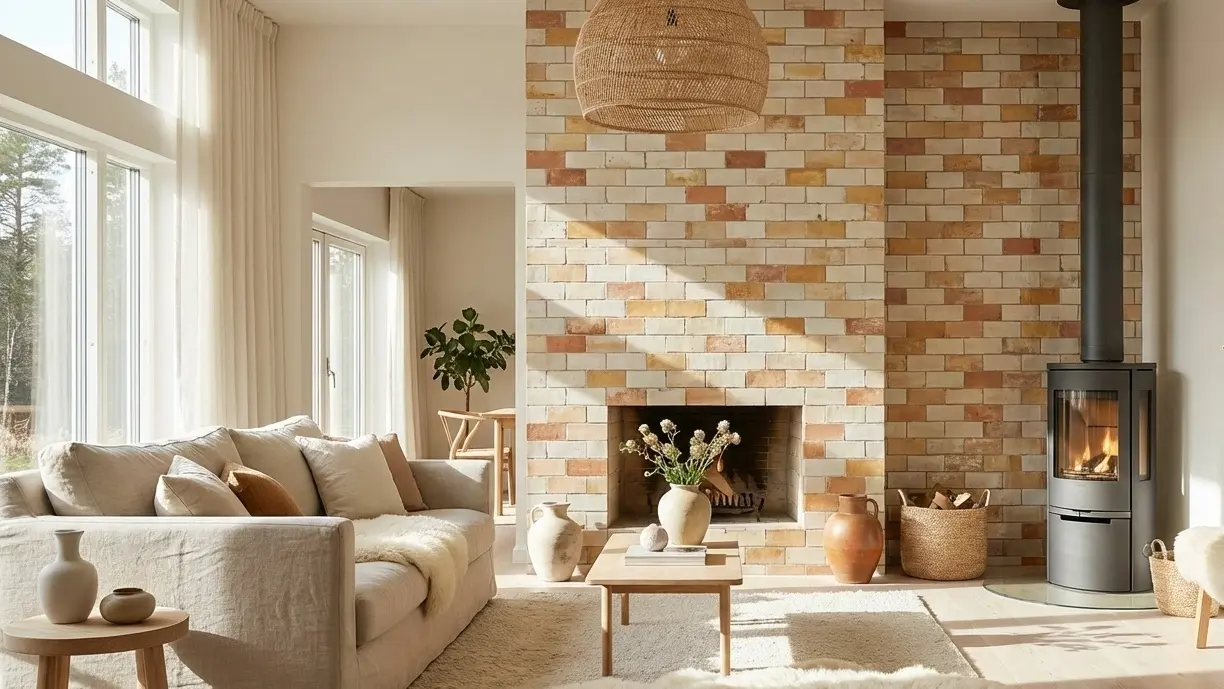
Residential living areas traditionally reserved hardwood, paint, or wallpaper for wall treatments, but tile installations now challenge these conventions. Feature walls behind media centers or fireplaces introduce unexpected textural elements that elevate everyday rooms into designer spaces.
Entryways set the tone for entire homes, making them ideal locations for statement tilework. A zellige-inspired accent wall immediately communicates design sophistication to guests. The durable surface withstands high traffic while maintaining its beauty through years of use.
Dining room installations behind buffets or bar areas establish restaurant-quality ambiance. The play of candlelight or pendant lighting across irregular glazed surfaces creates intimate atmospheres perfect for entertaining. These installations become conversation pieces that reflect personal style, often showcased at industry design exhibitions.
Home office spaces gain character through thoughtfully placed tilework. A single wall of zellige-look subway tiles provides visual interest during video calls while creating an inspiring work environment. The artisanal quality reminds remote workers of human craftsmanship in digital-age surroundings.
Color Coordination Strategies
Successful tile installations depend on harmonious color relationships between surfaces, furnishings, and architectural elements. Zellige-style tiles work within monochromatic schemes by introducing textural variety without color competition. Single-hue installations in varying shades create sophisticated, gallery-like environments.
Complementary color approaches pair tiles with opposite-spectrum hues in surrounding elements. Warm terracotta tiles gain vibrancy against cool sage cabinetry, while cobalt blue tilework pops against honey-toned wood. These high-contrast combinations require careful balance to avoid visual chaos.
Analogous color schemes utilize adjacent palette positions for harmonious results. Combining seafoam tiles with aqua accessories and teal textiles creates layered, cohesive spaces. This approach suits those seeking colorful interiors without jarring contrasts.
Neutral-based designs allow zellige textures to shine without chromatic distraction. White, cream, and gray color options integrate with virtually any design style while providing the signature irregular glaze characteristics. These versatile options adapt as surrounding decor evolves over time.
Grout Selection and Layout Patterns
Grout color dramatically influences the final installation appearance. Contrasting grout emphasizes individual tiles and geometric patterns, creating graphic, defined looks. This choice suits contemporary spaces where clean lines and precision matter.
Matching grout minimizes visual boundaries between tiles, allowing colors and textures to flow seamlessly. This approach enhances the handcrafted, organic quality of zellige-inspired designs. The resulting surfaces appear more unified and less segmented.
Traditional running bond patterns provide timeless appeal and straightforward installation. Offset rows create subtle visual movement appropriate for conservative designs. This classic layout never feels dated and complements various architectural styles, as recommended by professional tile installation guidelines.
Vertical stacking introduces modern sensibility to familiar subway shapes. This unexpected orientation draws eyes upward and makes rooms feel taller. The pattern works particularly well in narrow spaces like hallways or galley kitchens.
Herringbone arrangements add sophistication and visual complexity. The diagonal pattern creates dynamic energy suitable for feature walls or high-impact areas. This layout requires more cutting and precise installation but delivers stunning results.
Pairing with Complementary Materials
Natural wood elements balance the cool, hard surfaces of ceramic tiles. Floating shelves, cutting boards, and wooden accessories introduce warmth and organic texture. The combination feels grounded and inviting rather than sterile.
Metal accents in brass, copper, or matte black create beautiful contrasts against glazed tiles. Hardware, lighting fixtures, and plumbing finishes should coordinate with tile undertones for cohesive results. Warm metals complement earthy tile colors, while cooler metals suit blue and gray palettes.
Stone countertops provide textural variety while maintaining natural material continuity. Marble, granite, or quartzite surfaces offer different visual weights that prevent tile-heavy rooms from feeling monotonous. Veining in stone creates organic patterns that echo the irregular glaze characteristics. For those who appreciate geometric designs, terrazzo-look options offer complementary visual interest.
Textile elements soften hard-surface dominance. Window treatments, rugs, and upholstered furnishings introduce pattern, color, and comfort. These flexible decor items allow easy updates without renovating permanent installations.
Maintenance and Longevity
Glazed ceramic surfaces resist staining and moisture when properly sealed. Regular cleaning with pH-neutral products maintains appearance without damaging finishes. Avoid abrasive cleaners that might scratch irregular glazed surfaces or erode grout lines, following certified tile care specialist recommendations.
The textured nature of zellige-look tiles means cleaning requires slightly more attention than flat surfaces. Soft brushes help remove debris from recessed areas without excessive scrubbing. Establishing regular maintenance routines prevents buildup that becomes difficult to remove.
Grout sealing protects against moisture penetration and staining. Reapplication every one to three years maintains waterproofing and simplifies cleaning. This preventive step extends installation lifespan significantly, as outlined in tile edge protection guidelines.
Quality tiles from our showroom withstand decades of use when installed correctly. The timeless aesthetic ensures designs remain stylish through changing trends. Investment in proper materials pays dividends in lasting beauty and functionality.
Lighting Considerations
Natural light reveals the full complexity of zellige-inspired glazes. South-facing installations receive consistent illumination that showcases color variations throughout the day. Window placement relative to tilework affects how shadows and highlights play across surfaces.
Artificial lighting choices influence nighttime appearance dramatically. Warm LED bulbs enhance terracotta and cream tiles, while cooler temperatures suit blue and green palettes. Dimmer switches allow adjustment based on mood and time of day, aligning with kitchen and bath design standards.
Directional lighting creates dramatic effects across textured surfaces. Under-cabinet strips graze kitchen backsplashes, emphasizing dimensional qualities. Picture lights or sconces positioned to wash feature walls generate gallery-like presentations.
Layered lighting approaches combine ambient, task, and accent sources for versatile environments. This strategy ensures tiles look beautiful under all conditions while providing functional illumination for daily activities.
Choosing the Right Tile Size
When selecting zellige-look tiles, size considerations play a crucial role in achieving your desired aesthetic. Traditional 3x6 subway formats offer classic proportions that work beautifully in most spaces, while larger formats create modern statements with fewer grout lines.
Understanding the differences between porcelain and ceramic options helps homeowners make informed decisions based on durability needs and application areas. Both materials can beautifully replicate the zellige aesthetic while offering distinct performance characteristics, as explained by tile industry resources.
For those seeking unique dimensional effects, 3D decorative options add sculptural interest that enhances the handcrafted quality. These specialized tiles create shadow play that amplifies the artisanal character throughout the day. Similarly, matte porcelain finishes offer refined elegance with reduced glare for sophisticated interiors.
Working with Design Professionals
Collaborating with experienced designers ensures your zellige-look tile project achieves professional results. Many homeowners benefit from consulting with experts who understand material properties, installation requirements, and design principles. Professional guidance helps avoid costly mistakes while maximizing aesthetic impact.
Exploring available product lines allows homeowners to understand the full range of possibilities before committing to specific designs. Viewing samples in person reveals subtle color variations and texture details that photographs cannot capture. This hands-on approach ensures confident decision-making.
For those preferring to shop locally, visiting physical showrooms provides opportunities to see installed examples and receive personalized recommendations. Experiencing materials in three dimensions helps visualize how they will perform in your specific space. Our team's expertise in tile selection and design guidance has helped countless homeowners achieve their vision while staying within budget and timeline constraints.
Conclusion
Zellige-look subway tiles offer homeowners an accessible pathway to incorporating artisanal character and Moroccan-inspired elegance into residential spaces. The distinctive irregular glazes and subtle color variations transform ordinary rooms into personalized sanctuaries filled with warmth and visual interest. From kitchen backsplashes to bathroom retreats, these versatile ceramics adapt to numerous applications throughout the home.
Successful implementations balance color coordination, pattern selection, and complementary materials to create cohesive environments. Understanding how lighting interacts with textured surfaces ensures installations look beautiful throughout the day and evening. Proper maintenance preserves the investment for decades, making these tiles both aesthetically pleasing and practically sound choices.
The enduring appeal of zellige-inspired designs lies in their ability to feel simultaneously timeless and contemporary. They bridge traditional craftsmanship with modern living requirements, offering durability without sacrificing beauty. Whether creating subtle elegance through neutral palettes or bold statements with vibrant hues, these tiles provide creative freedom limited only by imagination. Browse the complete tile collection to discover options that perfectly match your vision.
Frequently Asked Questions
What rooms work best for zellige-style subway tiles?
These tiles excel in kitchens, bathrooms, entryways, and living spaces. Moisture-prone areas like showers and backsplashes benefit from the glazed surface's water resistance. Feature walls in dining rooms or home offices create unexpected focal points. The versatility allows creative applications throughout residential interiors based on personal design preferences.
How do I choose between contrasting and matching grout?
Contrasting grout emphasizes individual tiles and creates defined geometric patterns suitable for modern aesthetics. Matching grout allows colors and textures to flow seamlessly, enhancing the handcrafted organic quality. Consider the overall design style and whether you want tiles to read as individual elements or unified surfaces. Test samples with different grout colors before making your final selection.
Can zellige-look tiles work in contemporary minimalist interiors?
Absolutely. Neutral-toned tiles in white, gray, or cream provide textural interest without chromatic complexity. The irregular glaze adds subtle dimension that prevents minimalist spaces from feeling cold or sterile. Pair with clean-lined cabinetry and simple fixtures to let the tilework provide necessary warmth and character within restrained palettes.
What lighting best showcases these textured tiles?
Combine natural light with layered artificial sources for optimal results. Warm LED bulbs enhance earthy tones, while neutral temperatures suit cooler palettes. Directional lighting like under-cabinet strips or wall sconces grazes surfaces to emphasize texture. Install dimmer switches for flexibility in creating different moods and highlighting the dimensional qualities throughout the day.
How much color variation should I expect in zellige-inspired tiles?
Quality reproductions display intentional variation that mimics handmade originals without extreme inconsistency. Expect subtle shifts in tone, glaze thickness, and surface texture between tiles. This organic quality creates visual depth and prevents monotonous appearances. Viewing large samples helps set appropriate expectations for the specific product selected for your project.