Subway tiles are 3x6-inch rectangular ceramic or porcelain tiles originally used in New York transit stations, now widely popular for residential kitchens, bathrooms, and accent walls. Learning about subway tiles helps homeowners make informed decisions about materials, patterns, colors, and installation methods that enhance property value and create timeless aesthetics.
Key benefits of understanding subway tiles include:
- Versatility: Suitable for kitchens, bathrooms, living rooms, and offices with multiple pattern options (herringbone, vertical stack, running bond)
- Durability: Last decades with minimal maintenance, resist moisture, stains, and daily wear
- Cost-effectiveness: Mid-range pricing ($2-15 per square foot) delivers high-end visual results
- Design flexibility: Available in ceramic, porcelain, glass, and marble with endless color and finish combinations
- Timeless appeal: Maintain relevance across design trends, protecting long-term investment value
Subway tiles have evolved from their practical origins in early 20th-century New York transit stations into one of the most enduring design elements for residential interiors. These rectangular pieces, traditionally measuring 3x6 inches, have captivated homeowners and designers for over a century. Understanding this versatile material transforms your ability to create beautiful, functional living environments.
Timeless Appeal That Never Fades
Appreciating subway tiles begins with recognizing their unique position in design history. Unlike trendy materials that lose favor within years, this format has maintained relevance across multiple eras. Such enduring quality makes them a smart selection for homeowners seeking environments that remain stylish for decades.
Classic white variations have become synonymous with clean, fresh aesthetics. However, today's market offers options in countless colors, finishes, dimensions, and materials from ceramic to luxurious marble, featuring matte to high-gloss surfaces. Educating yourself about these choices enables informed decisions about which variations best serve your vision through exploring different tile types.
Versatility Across Every Room
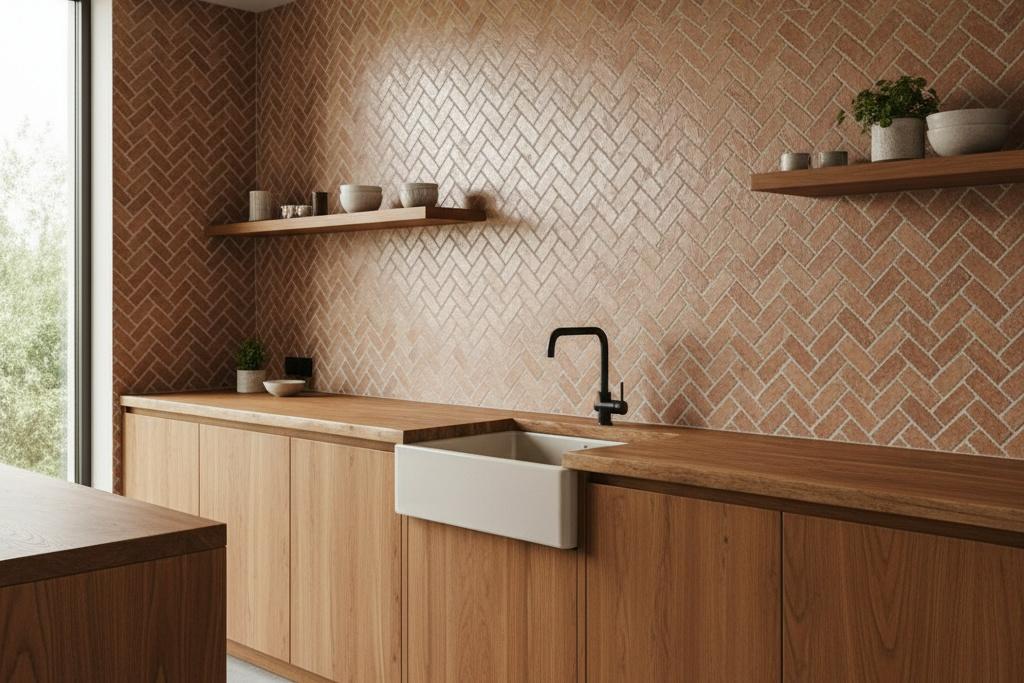
One compelling reason to explore this format is remarkable adaptability. In kitchens, they serve as quintessential backsplash material, protecting walls while adding visual interest. Different installation patterns and layout techniques such as herringbone, vertical stack, or brick lay allow customization that matches your kitchen's personality.
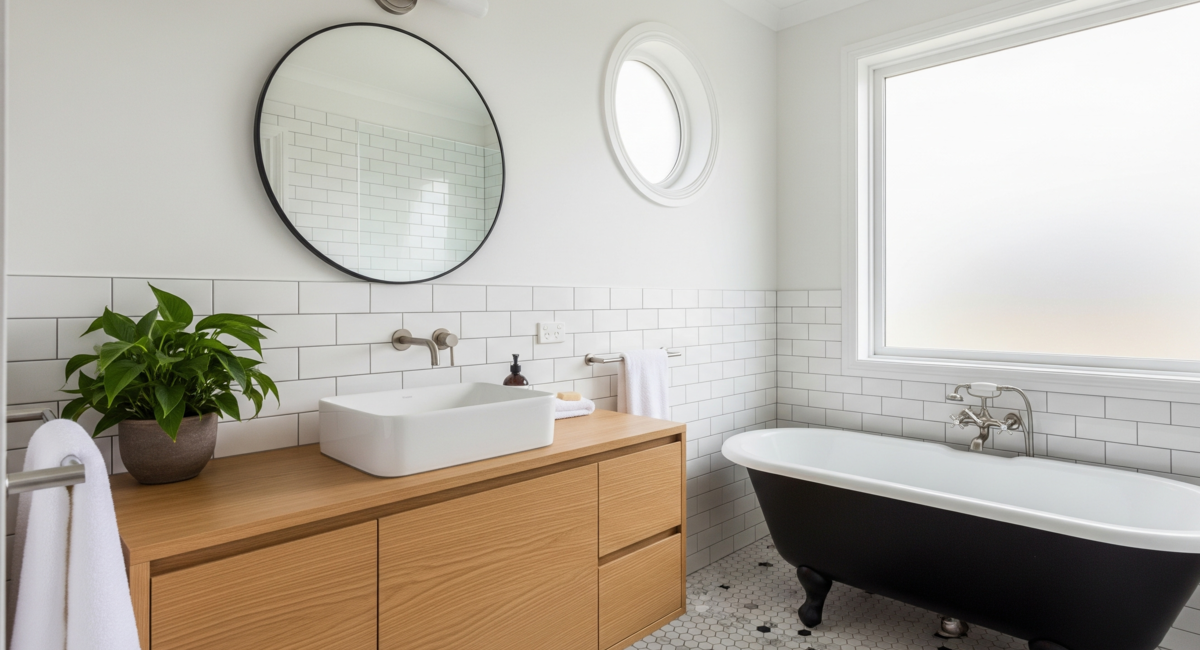
Bathrooms represent another prime application. From shower walls to tub surrounds, understanding how these perform in wet environments helps create spa-like retreats. Beyond conventional areas, homeowners discover creative applications in living rooms as fireplace surrounds, in entryways as statement walls, and in home offices for industrial-chic aesthetics inspired by current bathroom design trends.
Understanding Design Investment Economics
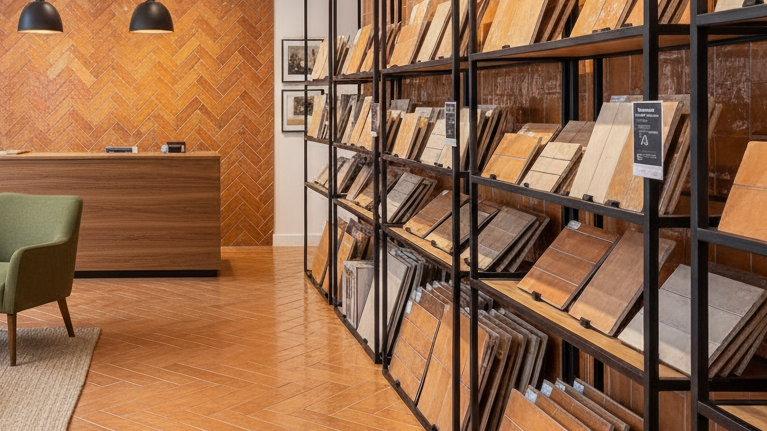
Exploring this material helps you appreciate its position as mid-range flooring delivering high-end results. Basic ceramic options remain remarkably affordable, often costing just a few dollars per square foot, while understanding the full spectrum allows strategic budget allocation when you browse tiles by style.
This format demonstrates incredible durability, often lasting decades without replacement. Easy to clean, resistant to moisture and stains, it maintains appearance with minimal maintenance. Such characteristics represent sound financial investment in your property's value. Industry-certified quality standards ensure timeless appeal means they won't look dated in five years, and they're considered neutral features that appeal to broad audiences, potentially enhancing resale value.
Mastering Pattern and Layout Artistry
Perhaps the most exciting aspect is discovering how different laying patterns dramatically impact spatial appearance. Identical pieces create entirely different visual effects depending on arrangement.
Classic running bond creates casual, traditional looks that work in almost any setting. Vertical stack bond delivers more modern, structured appearance that can make walls appear taller. Herringbone adds dynamic visual interest and sophistication. Understanding these arrangements allows manipulation of visual perception horizontal configurations make narrow rooms appear wider, while vertical ones create height illusions. Explore our 3x6 subway tile collection to see these patterns in action.
Color Psychology and Cohesion
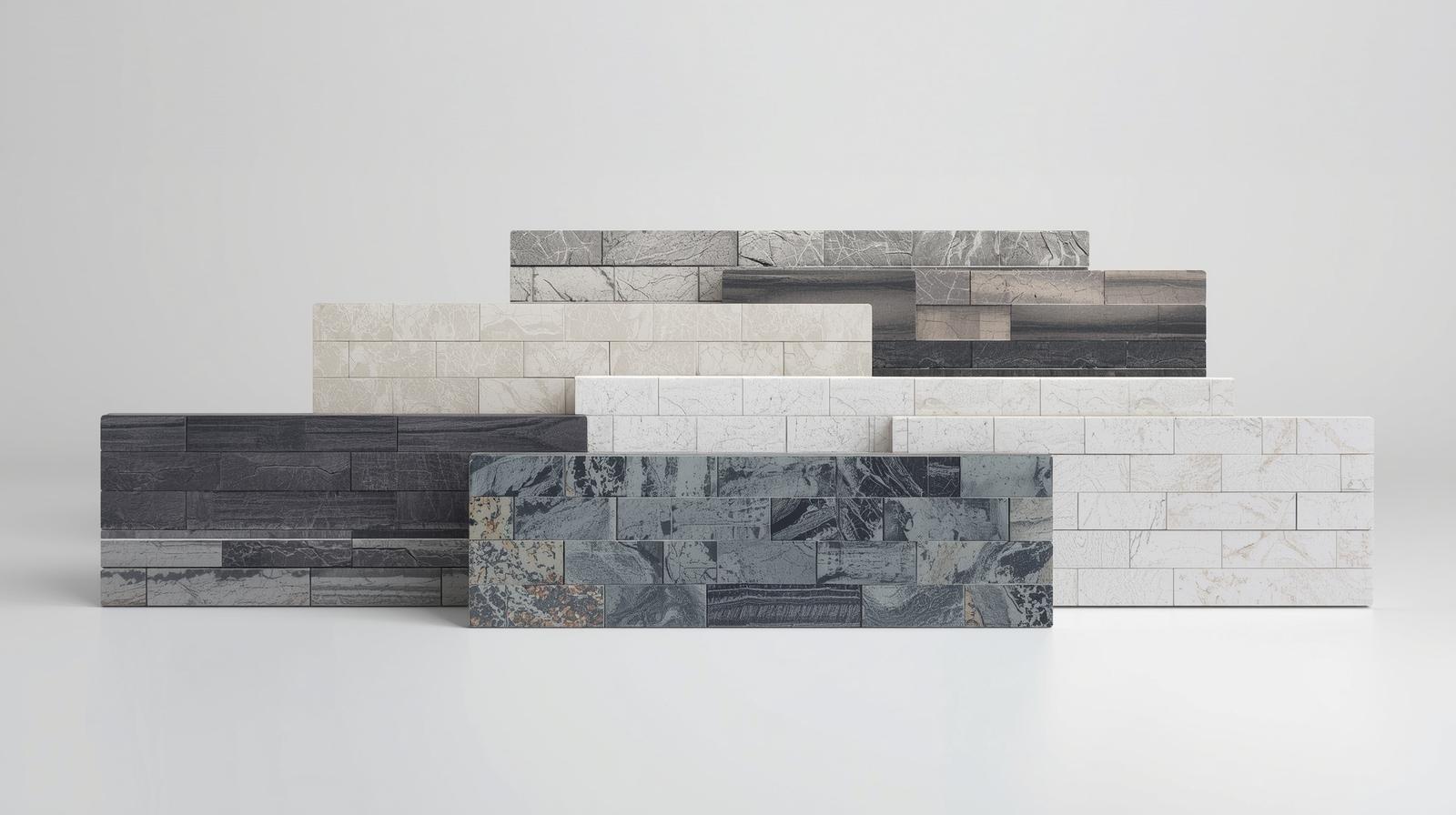
While white remains most popular, exploring the full color spectrum opens exciting possibilities. White and light neutral options create bright, airy environments that feel clean and spacious. They reflect light, making small rooms appear larger. Cool gray variations offer contemporary sophistication, while warm beige and cream create cozy, inviting atmospheres.
Bold colored selections such as deep blues, rich greens, or dramatic blacks make powerful statements. Understanding when and how to use these prevents overwhelming environments while allowing personal expression. Shop tiles by color to discover your perfect palette. Recognizing how different finishes interact with color is equally important. Glossy surfaces make hues appear more vibrant and reflect light, while matte finishes like our 3x12 matte porcelain subway tile create subdued, sophisticated looks.
Intersection of Form and Function
Studying this material means understanding functional benefits alongside aesthetic qualities. Smooth, non-porous surfaces resist moisture, making them ideal for areas exposed to water and humidity. Such resistance prevents mold and mildew growth, contributing to healthier indoor environments certified by tile installation professionals. Their durability withstands daily wear and tear, resisting chips, cracks, and scratches better than many other wall treatments.
Ease of cleaning represents another significant advantage. Smooth surfaces don't trap dirt or grime, and most spills can be wiped away with simple solutions. This low-maintenance quality proves particularly valuable in busy households where time for extensive cleaning is limited.
Flexibility and Future Adaptability
One often overlooked reason to explore this format is remarkable flexibility in accommodating changing preferences over time. Unlike more specific materials that lock you into particular aesthetic directions, these serve as neutral canvases adapting to evolving styles.
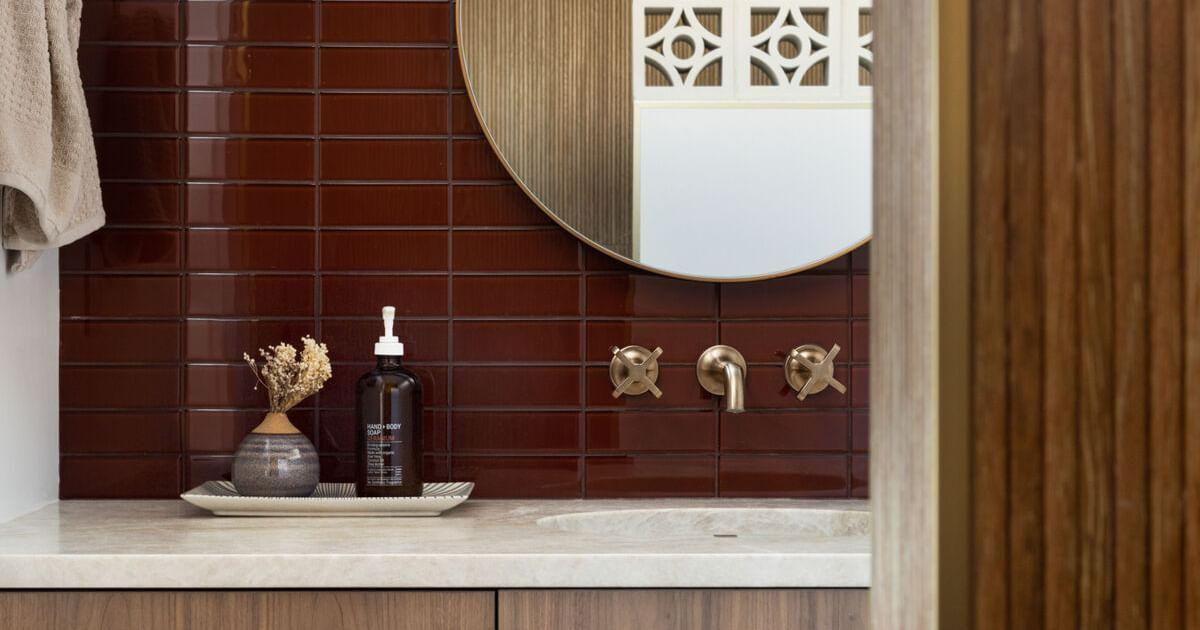
White options allow transformation simply by updating accessories, paint colors, or decorative elements without replacing anything. They complement natural wood beautifully, contrast effectively with industrial metals, and harmonize with natural stone materials for spa-like bathrooms. Their widespread availability means replacements or additions remain possible if you damage a piece or want to expand tiled areas years later.
Material Considerations for Every Application
Understanding material options helps align selections with specific needs. Ceramic varieties offer affordability and extensive color ranges, suitable for most residential applications. Porcelain provides enhanced durability and moisture resistance, ideal for high-traffic or wet areas according to porcelain vs non-porcelain standards. Glass options deliver modern, luminous aesthetics that reflect light beautifully. Marble selections bring luxury and natural variation, creating upscale appearances.
Each type serves different purposes. High-moisture environments benefit from porcelain's water resistance, while accent walls might showcase glass' reflective properties like our Linear 5x10 glossy 3D decorative subway tile. Contact us for a free consultation to help navigate these options effectively.
Grout Selection Impacts Overall Aesthetic
Grout color significantly influences final appearance. Matching grout creates seamless, continuous looks that emphasize tile color and minimize grid patterns. Contrasting grout highlights shape and layout, adding definition and visual interest. Professional tile edge protection methods ensure durable results.
Light grout brightens environments and maintains airy feels but requires more frequent cleaning. Dark grout conceals stains better and creates dramatic contrast with light variations. Gray represents practical middle ground, hiding imperfections while maintaining sophistication. Width also matters narrow lines suit contemporary styles, while wider spacing complements traditional or rustic aesthetics. Visit our local showroom to see various grout combinations in person.
Making Informed Decisions for Your Property
Ultimately, understanding this material empowers informed, confident decisions about your property's interior. Rather than relying solely on contractors' suggestions or following trends blindly, you develop knowledge to evaluate options critically and choose solutions that truly serve your needs, preferences, and lifestyle aligned with kitchen and bath design standards.
This education helps avoid common pitfalls. You'll understand why certain subway tile color combinations might create cleaning challenges. You'll recognize when trendy patterns might become dated quickly versus when they represent timeless choices. Exploring these versatile options opens your eyes to possibilities you might not have considered discovering that they work beautifully in unexpected rooms or that particular colors or configurations perfectly solve challenges. Browse our complete tile shop for comprehensive selections.
Conclusion
Understanding subway tiles represents investment in your ability to create beautiful, functional, and enduring home environments. This versatile material provides flexible tools that adapt to countless styles, serve multiple functions, and maintain relevance across changing trends. By grasping history, variations, applications, and potential, you equip yourself to make informed decisions that enhance your property's value, beauty, and livability. Whether planning major renovations or considering updates to single rooms, this knowledge empowers you to approach projects with confidence and creativity. Discover inspiration at international tile exhibitions or explore all the products we carry at Nova Tile and Stone.
Frequently Asked Questions
Are subway tiles only appropriate for kitchens and bathrooms?
No, while kitchens and bathrooms are most common applications, they work beautifully in many other locations. They make excellent fireplace surrounds, accent walls in living rooms, mudroom wainscoting, and commercial-style home office walls. Their versatility extends throughout properties wherever you want durable, attractive wall treatments. Shop tiles by size to find the perfect dimensions for any space.
Will this choice make my home look like everyone else's?
This format offers remarkable customization through colors, sizes, finishes, patterns, and grout choices. While the basic shape is common, combinations are nearly endless. Herringbone in colored variations with contrasting grout creates completely different looks from classic white in running bond, ensuring your environment reflects personal style. Explore our terrazzo-look tile selection for unique contemporary variations.
How do I know which size is right for my environment?
Dimensions affect spatial perception and style. Traditional 3x6-inch measurements suit most applications and create classic looks. Smaller formats work well in compact areas and vintage-inspired interiors. Larger formats create contemporary, streamlined appearances and work better in spacious rooms. Consider room size, ceiling height, and desired aesthetic when selecting dimensions.
What should I consider when choosing between glossy and matte finishes?
Glossy surfaces reflect light, making environments feel brighter and more open, but they show water spots and fingerprints more readily. Matte surfaces hide imperfections better and create sophisticated, contemporary looks, but they absorb rather than reflect light. Consider your room's natural illumination, willingness to maintain surfaces, and aesthetic preference when making this choice.
Can this format work in both traditional and modern schemes?
Absolutely. Enduring popularity stems from ability to adapt to various styles. In traditional settings, classic white with beveled edges and light grout create timeless elegance. In modern environments, flat variations in bold colors with minimal grout lines deliver contemporary sophistication. Styling elements around the installation ultimately determine overall aesthetic. Learn more about our design expertise and visit our website for inspiration.