Subway tiles have dominated kitchen backsplash trends for over a century because they offer timeless elegance, exceptional versatility, and practical benefits that modern alternatives struggle to match. Their classic rectangular shape, typically measuring 3x6 inches, creates clean lines that complement any kitchen style from traditional to contemporary. When homeowners visit our website searching for the perfect kitchen backsplash solution, subway tiles consistently emerge as the top choice, and for good reason.
The enduring popularity of subway tiles isn't just about following trends. These versatile tiles have proven their worth through generations of kitchen renovations, adapting to changing design preferences while maintaining their fundamental appeal. Whether you're planning a complete kitchen remodel or simply refreshing your backsplash, understanding why subway tiles continue to reign supreme will help you make an informed decision for your space.
The Timeless Appeal of Subway Tiles
Historical Significance and Modern Relevance
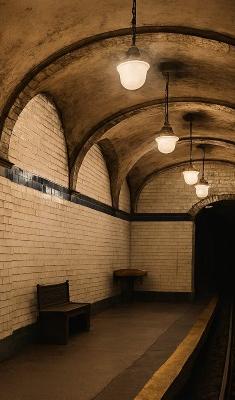
Subway tiles first appeared in New York City's underground stations in 1904, chosen for their durability, easy maintenance, and reflective qualities that brightened dimly lit spaces. Today, these same characteristics make them ideal for kitchen environments where functionality meets style. The transition from public infrastructure to residential design speaks volumes about their versatility and enduring appeal.
Modern homeowners appreciate how subway tiles bridge the gap between vintage charm and contemporary aesthetics. Unlike trend-driven options that quickly become dated, subway tiles have maintained their relevance across multiple design movements, from Art Deco to mid-century modern to today's minimalist trends featured in 2025 bathroom and kitchen designs.
Visual Versatility That Works With Any Style
The beauty of subway tiles lies in their simplicity. Their rectangular shape provides a neutral canvas that complements various design elements without overwhelming the space. Whether your kitchen features rustic farmhouse elements or sleek modern appliances, subway tiles adapt seamlessly to your existing décor.
Consider how different laying patterns transform the same basic tile:
- Traditional horizontal brick pattern creates classic appeal
- Vertical stacking offers contemporary linear aesthetics
- Herringbone patterns add sophisticated visual interest
- Diagonal installations create dynamic movement
Practical Benefits That Make Subway Tiles Unbeatable

Durability and Longevity
When you invest in quality subway tiles from Nova Tile and Stone's extensive collection, you're choosing materials designed to withstand decades of kitchen use. Ceramic and porcelain subway tiles resist scratches, stains, and heat damage better than many alternative backsplash materials.
The dense composition of porcelain subway tiles, like the 3x12 Porcelain Subway Tile, provides exceptional resistance to moisture and temperature fluctuations common in kitchen environments. This durability translates to lower maintenance costs and fewer replacements over time, making subway tiles a smart long-term investment.
Easy Maintenance and Cleaning
Kitchen backsplashes face constant challenges from cooking splatter, steam, and spills. Subway tiles excel in this demanding environment because their smooth, non-porous surfaces resist staining and allow for easy cleaning. A simple wipe with mild detergent keeps them looking pristine, following basic porcelain tile cleaning guidelines.
The grout lines between subway tiles, often cited as a maintenance concern, actually provide practical benefits when properly sealed. They create natural breaking points that prevent crack propagation and allow for thermal expansion, contributing to the installation's longevity.
Cost-Effectiveness Analysis
Industry research confirms that ceramic and porcelain subway tiles represent one of the fastest-growing segments in the U.S. tile market, with demand driven by renovation trends and their proven durability-to-cost ratio.
Comparison Table: Subway Tiles vs. Alternative Backsplash Materials
Material | Initial Cost (per sq ft) | Installation Difficulty | Maintenance Requirements | Expected Lifespan | Resale Value Impact |
Subway Tiles | $3-15 | Moderate | Low | 50+ years | High |
Natural Stone | $15-50 | High | High | 30-50 years | High |
Glass Tiles | $7-30 | High | Moderate | 20-30 years | Moderate |
Stainless Steel | $15-30 | Moderate | Moderate | 25-35 years | Moderate |
Laminate | $5-10 | Low | Moderate | 10-15 years | Low |
Long-Term Value Proposition
While subway tiles might not always be the cheapest upfront option, their combination of durability, timeless appeal, and minimal maintenance requirements delivers exceptional value over time. Properties featuring subway tile backsplashes consistently appeal to broader buyer demographics, positively impacting resale values.
Design Flexibility and Customization Options
Color and Finish Variations
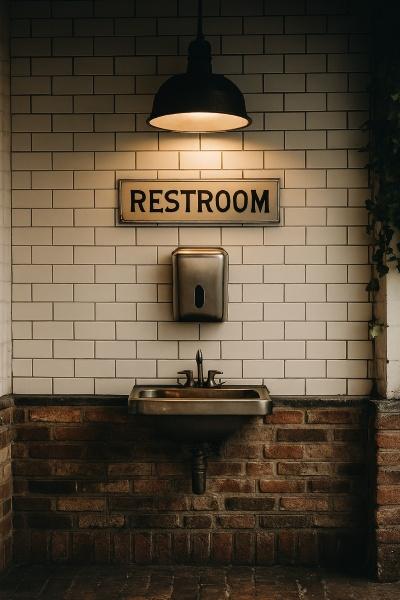
Today's subway tiles extend far beyond traditional white ceramic. Browse tiles by color at Nova Tile and Stone to discover options ranging from bold blues to subtle grays, allowing complete creative control over your kitchen's color palette.
Popular finish options include:
- Glossy surfaces that reflect light and expand visual space
- Matte finishes for contemporary, understated elegance
- Textured surfaces adding dimensional interest
- Handmade variations providing artisanal character
Size and Shape Evolution
While the classic 3x6 inch format remains popular, modern subway tiles come in various proportions to suit different design visions. Larger formats like 4x12 or 6x12 create fewer grout lines for a more seamless appearance, while smaller 2x4 tiles offer vintage charm. Explore different tile sizes to find the perfect scale for your kitchen.
Installation Considerations
Mini Step-by-Step Installation Guide
Installing subway tiles requires precision but remains achievable for experienced DIYers following proper subway tile installation techniques:
- Prepare the Surface: Ensure walls are clean, dry, and level. Remove outlet covers and protect countertops with drop cloths.
- Plan Your Layout: Measure carefully and dry-fit tiles to determine the best starting point, typically centering the pattern on focal areas like behind the stove.
- Apply Adhesive: Spread thin-set mortar evenly using a notched trowel, working in small sections to prevent drying.
- Set Tiles: Press tiles firmly into place using spacers for consistent grout lines, checking level frequently.
- Grout and Seal: After adhesive cures, apply grout, clean excess, and seal both grout and tiles if necessary.
Professional vs. DIY Installation
While many homeowners successfully install subway tiles themselves following comprehensive tile installation guides, professional installation ensures optimal results, especially for complex patterns or challenging spaces. Contact Nova Tile and Stone's experts for installation recommendations in your area.
Pros and Cons of Subway Tiles
Advantages:
- Timeless Design: Never goes out of style, protecting your investment
- Versatile Application: Works with any kitchen style or color scheme
- Easy Maintenance: Simple cleaning requirements and stain resistance
- Durability: Withstands heat, moisture, and daily wear
- Budget-Friendly Options: Available across various price points
- DIY-Friendly: Straightforward installation for experienced homeowners
- Increases Home Value: Appeals to broad buyer demographics
Disadvantages:
- Common Choice: May lack uniqueness in some markets
- Grout Maintenance: Requires periodic sealing and cleaning
- Installation Precision: Demands careful planning for professional results
- Limited Texture Options: Primarily flat surfaces compared to dimensional tiles
- Potential for Damage: Individual tiles can crack and require replacement
Complementary Design Elements
Pairing With Other Materials
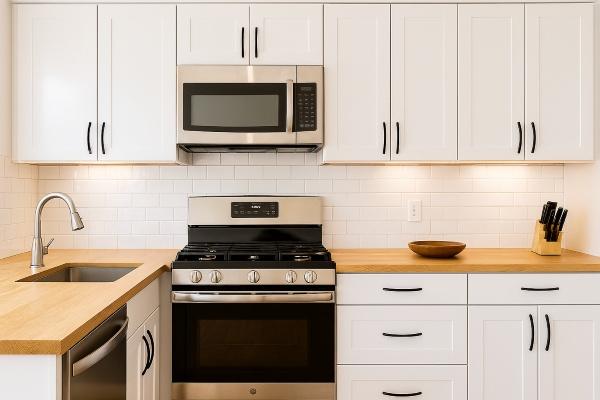
Subway tiles excel when combined with complementary materials throughout your kitchen. Consider pairing classic white subway tiles with:
- Natural wood countertops for warmth and organic texture
- Bold terrazzo flooring for sophisticated contrast
- Decorative accent tiles like the Fresco 6x6 Glossy Ceramic Decorative Wall Tile for visual interest
- Metal fixtures and hardware for industrial appeal
Creating Focal Points
Transform your subway tile installation from simple to spectacular by incorporating design focal points. Create a feature wall behind your range using contrasting grout colors, or integrate a decorative border using mosaic tiles for added visual interest.
Current Trends and Future Outlook
Emerging Patterns and Layouts
While traditional brick patterns remain popular, homeowners increasingly experiment with creative installations. Vertical stacking creates modern linear appeal, while herringbone and chevron patterns add sophisticated movement. These variations demonstrate how subway tiles continue evolving while maintaining their fundamental appeal.
Color Trends for 2025 and Beyond
Current trends favor both ends of the color spectrum. Crisp whites remain eternally popular for their clean, bright appearance, while darker shades like charcoal and navy create dramatic, sophisticated backdrops. Mint green and sage tones are emerging as fresh alternatives for homeowners seeking subtle color without overwhelming their space.
Environmental Considerations
Sustainable Material Choice
Many subway tiles, particularly porcelain options, represent environmentally responsible choices. Their longevity reduces replacement frequency, minimizing waste. Additionally, ceramic and porcelain tiles often contain recycled materials and require less energy to maintain than alternative backsplash options.
Indoor Air Quality Benefits
Unlike some synthetic backsplash materials, quality ceramic and porcelain subway tiles emit no volatile organic compounds (VOCs), contributing to healthier indoor air quality. This characteristic proves especially important in kitchen environments where families spend significant time.
Making the Right Choice for Your Kitchen
Assessing Your Needs
Before selecting subway tiles, consider your specific requirements:
- Daily cooking habits and maintenance preferences
- Overall kitchen design and existing elements
- Budget constraints for materials and installation
- Long-term plans for your home
Visit Nova Tile and Stone's showroom to see subway tile options in person and discuss your project with knowledgeable staff who understand both design trends and practical considerations.
Coordinating With Existing Elements
Successful subway tile integration requires careful coordination with existing kitchen elements. Consider your cabinet style, countertop material, and flooring when selecting tile colors and finishes. Browse tiles by style to find options that complement your kitchen's aesthetic.
Regional Considerations and Local Expertise
Climate and Environmental Factors
Different regions present unique challenges for kitchen materials. In humid climates, porcelain subway tiles provide superior moisture resistance compared to natural stone alternatives. For homes with significant temperature fluctuations, properly installed subway tiles accommodate thermal expansion better than rigid materials.
Local Design Preferences
While subway tiles enjoy universal appeal, regional preferences influence specific choices. Coastal areas often favor light, bright tiles reflecting natural light, while mountain regions might prefer warmer tones complementing natural wood elements. Nova Tile and Stone's local experts understand regional preferences and can guide your selection.
Maintenance Best Practices
Daily and Weekly Care
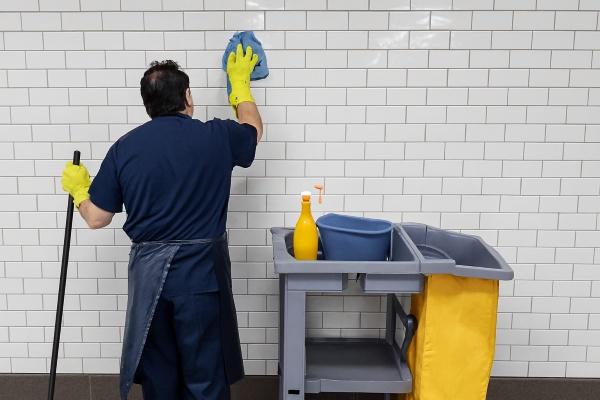
Maintaining subway tiles requires minimal effort when following proper care routines. Daily wiping with a damp cloth removes cooking residue before it sets. Weekly cleaning with pH-neutral cleaners preserves both tile and grout appearance without causing damage.
Annual Maintenance Tasks
Schedule annual grout sealing to maintain water resistance and prevent staining. Inspect tiles for any cracks or loose pieces, addressing issues promptly to prevent water damage. These simple maintenance tasks ensure your subway tile backsplash maintains its beauty for decades.
Investment Return Analysis
Immediate Impact on Home Value
Kitchen updates consistently deliver strong returns on investment, with backsplash improvements offering particularly attractive cost-benefit ratios. Subway tiles appeal to broad buyer demographics, from young professionals appreciating modern aesthetics to families valuing practical durability.
Long-Term Financial Benefits
Beyond immediate value increases, subway tiles reduce long-term maintenance costs compared to high-maintenance alternatives. Their resistance to damage and staining means fewer repairs and replacements over time, contributing to overall household savings.
Conclusion
Subway tiles remain the most popular kitchen backsplash choice because they successfully balance timeless aesthetics, practical functionality, and long-term value. Their versatility allows them to complement any design style while providing durability that withstands decades of kitchen use. From classic white ceramics to modern large-format porcelains, subway tiles offer options for every taste and budget.
The enduring popularity of subway tiles isn't accidental. They've earned their position through consistent performance across countless kitchens, adapting to changing trends while maintaining their fundamental appeal. Whether you're planning a complete renovation or simple refresh, subway tiles provide a reliable foundation for beautiful, functional kitchen design.
Ready to explore subway tile options for your kitchen? Visit Nova Tile and Stone to discover our extensive collection and speak with design experts who can help bring your vision to life. With our showrooms locations near you and comprehensive online resources, finding perfect subway tiles for your kitchen has never been easier.
Frequently Asked Questions
The classic 3x6 inch subway tile remains most popular for kitchen backsplashes, offering ideal proportions for most spaces. However, larger formats like 4x8 or 4x12 inches work well in spacious kitchens, creating fewer grout lines for easier maintenance. Smaller 2x4 inch tiles suit compact kitchens or vintage-inspired designs.
Subway tile installation typically costs between $15-40 per square foot, including materials and labor. Basic ceramic tiles start around $3-5 per square foot for materials alone, while premium porcelain or handmade options range from $8-15. Professional installation adds $10-25 per square foot depending on pattern complexity and regional labor costs.
Yes, subway tiles can be installed over existing tile if the surface is stable, level, and properly prepared. The existing tile must be thoroughly cleaned, lightly sanded for adhesion, and checked for loose pieces. However, removing old tile often provides better long-term results and allows for proper waterproofing installation.
Grout color dramatically impacts your subway tile appearance. Matching grout creates seamless, modern looks while contrasting grout highlights the tile pattern. White or light gray grout with white tiles offers classic appeal, while dark grout creates graphic, contemporary effects. Consider maintenance requirements, as lighter grout shows stains more readily than darker options.
Subway tiles show no signs of declining popularity after more than a century of residential use. Their timeless appeal transcends temporary trends, and manufacturers continue introducing new sizes, colors, and finishes that keep them relevant. Rather than going out of style, subway tiles continue evolving while maintaining their classic foundation.