Subway tiles are easy to maintain because their glazed, non-porous surfaces resist staining and moisture, require only mild soap and water for daily cleaning, and feature fewer grout lines than smaller tile formats. These classic rectangular tiles last 20-50 years with minimal upkeep, making them ideal for busy kitchens and bathrooms where durability meets effortless care.
Homeowners choose subway tiles not just for their timeless aesthetic appeal, but for their practical advantages in daily life. The protective glazed coating prevents liquids from penetrating the surface, while larger formats like 3x12 and 4x12 dimensions reduce grout joint quantity by up to 50% compared to mosaics. Whether you select porcelain for superior water resistance or ceramic for cost-effective beauty, these tiles deliver surfaces that stay fresh with simple weekly cleaning routines.
The Practical Nature of Smooth Surfaces
The glazed finish found on most subway tile options creates a naturally protective barrier that resists moisture penetration and staining. This smooth, non-porous surface prevents liquids from seeping into the material, making spills and splashes simple to wipe away before they become permanent marks. Whether you choose classic white or explore warmer beige tones from the collection at Nova Tile and Stone, that protective glaze works constantly to keep surfaces looking fresh.
Porcelain varieties offer exceptional density with water absorption rates below 0.5%, making them particularly resistant to moisture-related issues. According to ANSI standards for ceramic tile, ceramic options provide beautiful glazed finishes that similarly repel water and resist staining. Both materials deliver surfaces that don't harbor bacteria or mold when properly cleaned, contributing to healthier indoor environments.
The rectangular format itself contributes to cleaning efficiency. Larger formats like 3x12 dimensions or 4x12 sizes create fewer grout lines per square foot compared to smaller mosaics or intricate patterns. Fewer joints mean fewer crevices where dirt, soap residue, and cooking oils accumulate over time.

Simple Cleaning Requirements
Daily maintenance requires nothing more than gentle wiping with mild soap and warm water. A soft cloth or sponge removes everyday dust, fingerprints, and light splashes without special products or techniques. This straightforward approach keeps surfaces looking pristine between deeper cleaning sessions.
For slightly stubborn spots, pH-neutral cleaners formulated for tile surfaces handle most situations effectively. These gentle solutions maintain the integrity of both the glazed surface and surrounding grout without causing damage or dulling shine over time. The Ceramic Tile Foundation recommends avoiding harsh chemicals, abrasive scrubbers, and acidic cleaners to protect the finish and extend the lifespan of your surface.
Weekly deep cleaning involves slightly more attention but remains manageable. Spray surfaces with appropriate cleaner, allow brief contact time, then wipe thoroughly with a damp microfiber cloth. This routine removes accumulated cooking oils in kitchens or soap scum in bathrooms, keeping everything hygienic and attractive.
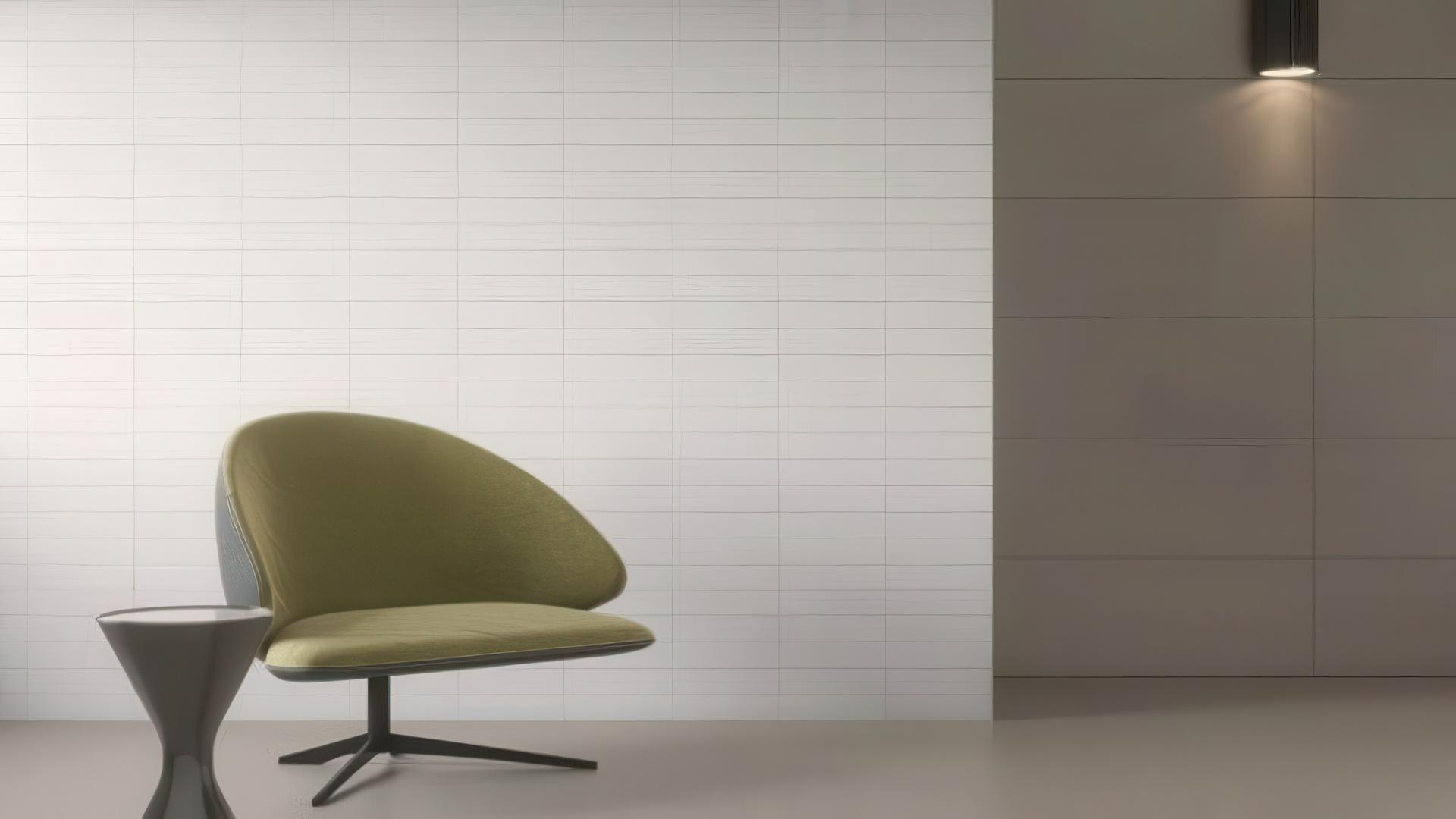
The reflective quality of glossy finishes particularly benefits from this regular attention. Light-catching surfaces like our Linear 5x10 Glossy 3D tiles reveal smudges more readily than matte alternatives but reward simple wiping with brilliant shine that enhances brightness throughout rooms. Matte finishes offer different advantages, naturally concealing water spots and fingerprints while requiring less frequent buffing to maintain their sophisticated appearance.
Grout Line Considerations
While the tiles themselves demand minimal care, grout joints require periodic attention to maintain overall appearance. The good news: fewer grout lines mean less work. Extended formats available through our collection create sleek horizontal bands with reduced joint quantity, cutting down on areas needing focused cleaning.
Sealed grout resists staining and moisture penetration far better than unsealed joints. Professional sealing after placement, followed by reapplication every one to three years depending on usage levels, creates protective barriers that make routine cleaning more effective. The Tile Council of North America emphasizes this preventive measure keeps joints looking fresh longer with less scrubbing effort.
Regular attention prevents buildup that becomes difficult to remove. Quick weekly cleaning of grout lines using a soft brush and tile-safe cleaner stops accumulation before it sets. This proactive approach proves far easier than attempting to restore heavily stained joints later.
Color selection impacts visible wear over time. Mid-tone grout blends with neutral tile colors, camouflaging minor discoloration between deep cleanings. Darker grout conceals dirt effectively in high-traffic areas. Lighter grout creates fresh, bright aesthetics but may show wear more readily, requiring slightly more frequent attention in busy kitchens or family bathrooms.
Durability That Reduces Replacement Needs
Long-lasting materials mean less frequent renovation cycles. Properly placed subway tiles from quality sources maintain their beauty for decades without chipping, cracking, or fading. This durability extends the maintenance story beyond daily cleaning to include the broader picture of long-term care requirements.
Porcelain options demonstrate exceptional hardness that resists scratches from everyday use. Dropped utensils, sliding cookware, and accidental impacts rarely damage these robust surfaces. This resilience means maintaining original appearance requires only cleaning rather than repairs or replacements over the years.
Ceramic varieties similarly offer impressive longevity when appropriate for their application. Kitchen backsplashes and bathroom walls with moderate moisture exposure benefit from ceramic's beautiful glazed finishes and cost-effective value. Both materials withstand repeated cleaning cycles without surface degradation, maintaining consistent coloring and shine across decades of use.
Stain Resistance Across Color Options
Different hues offer varying levels of stain concealment between cleanings. Classic white showcases cleanliness but reveals every splash immediately, encouraging prompt attention that prevents set-in stains. This transparency actually simplifies maintenance by making messes visible before they become problems.
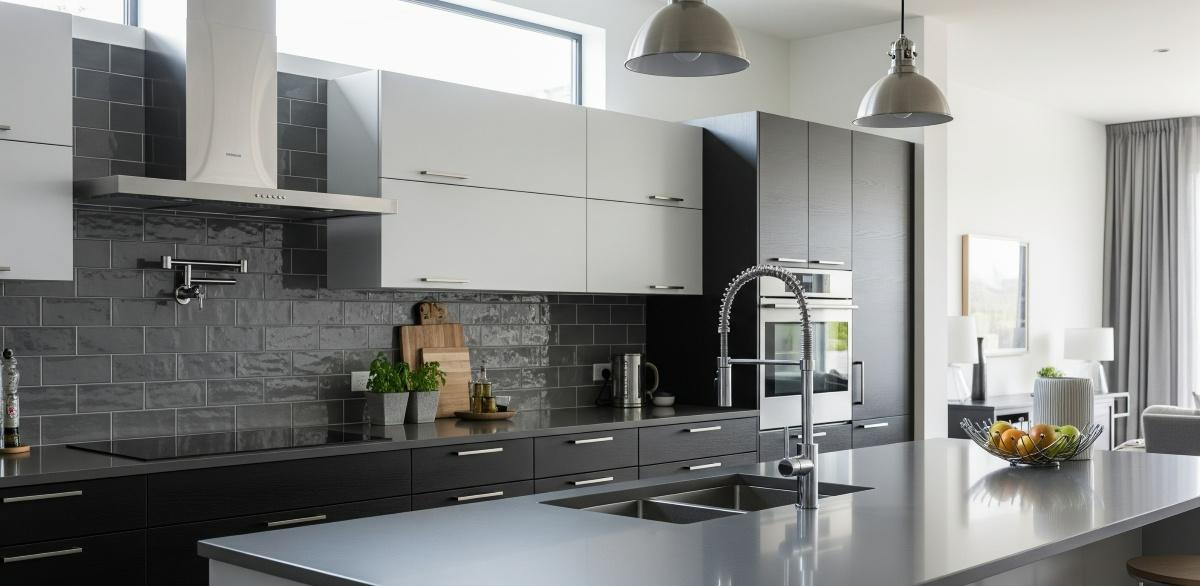
Warmer beige and taupe tones demonstrate superior camouflage properties for high-traffic areas. Light splashes and minor discoloration remain less noticeable on these mid-tone surfaces, meaning spaces look cleaner longer between detailed attention. The 3x6 beige subway tiles prove particularly practical for busy kitchens where cooking activities generate frequent splashes.
Rich brown and chocolate shades excel at hiding everyday wear in commercial settings or family kitchens experiencing heavy use. These darker options maintain polished appearances with standard cleaning routines, requiring less frequent intensive scrubbing to look their best.
Moisture Performance in Wet Areas
Bathrooms and kitchens present unique challenges that subway tiles handle admirably. The combination of glazed surfaces and dense material composition creates barriers against moisture-related damage that could complicate maintenance in these environments.
Shower walls benefit particularly from porcelain's superior water resistance. The minimal absorption rate prevents moisture from penetrating behind surfaces where mold and mildew could develop unseen. According to the Natural Stone Institute, this protection means cleaning visible surfaces addresses hygiene concerns thoroughly without worrying about hidden growth.
Kitchen backsplashes behind sinks and cooktops encounter frequent water exposure and steam. The glazed protection sheds moisture easily, allowing quick wipe-downs to prevent water spots and mineral deposits. This responsive surface means maintenance happens in moments rather than requiring extended scrubbing sessions.
Format Advantages for Quick Cleaning
Size matters when considering maintenance efficiency. The 3x6 format offers classic proportions with manageable surface area per tile. Larger 4x12 options create even more streamlined surfaces with extended horizontal lines that reduce grout joint quantity significantly.
Flat profile surfaces remain easier to clean than dimensional or textured alternatives. While textured surfaces add visual interest and architectural character, they also create more surface area and small crevices where dirt accumulates. Standard smooth subway tiles provide the aesthetic appeal of rectangular format without added cleaning complexity, as noted in contemporary bathroom tile trends.
Consistent sizing ensures uniform grout lines that clean predictably. The regular pattern means establishing efficient cleaning motions that cover entire surfaces quickly. This predictability speeds up routine maintenance compared to varied tile sizes requiring adjusted techniques, according to professional tile layout guidelines.
Selecting Low-Maintenance Options
Material choice impacts long-term care requirements. Porcelain delivers superior performance for wet areas and high-traffic zones where durability matters most. Ceramic provides excellent value for applications with moderate demands. Both offer glazed surfaces that resist staining and moisture effectively through products we carry.
Finish selection influences cleaning frequency and technique. Glossy surfaces show smudges readily but reward quick wiping with brilliant shine. Matte finishes conceal fingerprints and water spots while delivering contemporary sophistication. Consider lifestyle factors and aesthetic preferences when choosing between options available in our shop.
Size format affects grout line quantity directly. Extended formats like 3x12 or 4x12 create fewer joints requiring attention. Traditional 3x6 dimensions offer classic proportions with moderate joint quantity. Balance visual preference with maintenance priorities when selecting dimensions.
Color selection involves weighing aesthetic goals against practical considerations. Lighter tones create bright, spacious feelings but may show every mark. Mid-tones balance beauty with stain concealment. Darker shades excel at hiding wear but may show water deposits.
Professional Consultation Benefits
Expert guidance helps navigate options effectively. Design consultations available through Nova Tile and Stone connect homeowners with knowledgeable professionals who understand both aesthetic goals and practical requirements. These conversations, supported by NKBA design principles, ensure selections align with maintenance expectations and lifestyle realities.
Sample evaluation proves essential before committing to full orders. The convenient $1 sample program with free shipping allows testing materials under actual home lighting conditions. Seeing exact colors, finishes, and textures in context prevents surprises and ensures confident decisions. Visit our showroom locations to experience the full range firsthand.
Conclusion
Subway tiles earn their reputation for easy maintenance through multiple complementary features. Glazed surfaces resist staining and moisture naturally, while simple rectangular formats reduce grout line quantity requiring attention. Durable materials withstand decades of use without degradation, and straightforward cleaning techniques using basic products keep everything looking fresh.
Whether updating a kitchen backsplash, renovating a bathroom, or designing new construction, these tiles offer timeless appeal backed by minimal care requirements. Learn more about us and explore how our homepage showcases the extensive collection with options across colors, finishes, and formats to match any design vision. For those interested in complementary styles, our terrazzo-look tiles pair beautifully with subway tile installations while maintaining similar easy-care benefits. For inspiration on contemporary applications, visit industry events like Coverings to see the latest trends in tile design.
Frequently Asked Questions
How often should I clean subway tiles?
Daily wiping with a damp cloth removes light dust and splashes effectively. Weekly cleaning with pH-neutral tile cleaner maintains hygienic surfaces and prevents buildup. Deep cleaning every few months addresses any accumulated residue in grout lines, though regular weekly attention typically keeps this minimal.
Do matte or glossy finishes require more maintenance?
Glossy finishes show fingerprints and water spots more readily but wipe clean easily with simple buffing. Matte surfaces naturally conceal marks better between cleanings but may require slightly more attention when removing stuck-on residue. Both options remain easy to maintain with appropriate techniques.
What's the best way to clean grout between subway tiles?
Use a soft brush with pH-neutral cleaner weekly to prevent buildup. Avoid abrasive scrubbers that could damage grout or surrounding tiles. For stubborn stains, allow cleaner to sit briefly before gentle scrubbing. Maintaining sealed grout prevents most staining issues from developing.
Can I use vinegar to clean subway tiles?
Avoid acidic cleaners including vinegar, as they can degrade grout sealant over time and potentially damage certain tile finishes. Stick with pH-neutral cleaners specifically formulated for tile surfaces to protect both materials and maintain warranties.
How long do properly maintained subway tiles last?
Quality surfaces with appropriate maintenance easily last 20-50 years or longer. Porcelain and ceramic materials don't degrade from normal use when cleaned properly. The timeless design ensures aesthetic relevance throughout this extended lifespan, making them excellent long-term investments.