Subway tiles consistently look clean and fresh due to their glazed, non-porous surface that prevents dirt and bacteria from penetrating, combined with their reflective properties that enhance room brightness.
Originally designed for New York City subway stations in the early 1900s, these 3x6 inch rectangular tiles maintain their spotless appearance through smooth ceramic or porcelain glazing that resists stains, water spots, and soap scum better than textured or porous materials.
White subway tiles particularly excel at appearing pristine because they reflect light rather than absorb it, while their uniform geometric pattern creates visual order that our brains associate with cleanliness.
The tiles' durability, timeless design, and ability to wipe clean easily make them ideal for high-moisture areas like kitchen backsplashes and bathroom showers, maintaining their like-new appearance for decades with minimal maintenance.
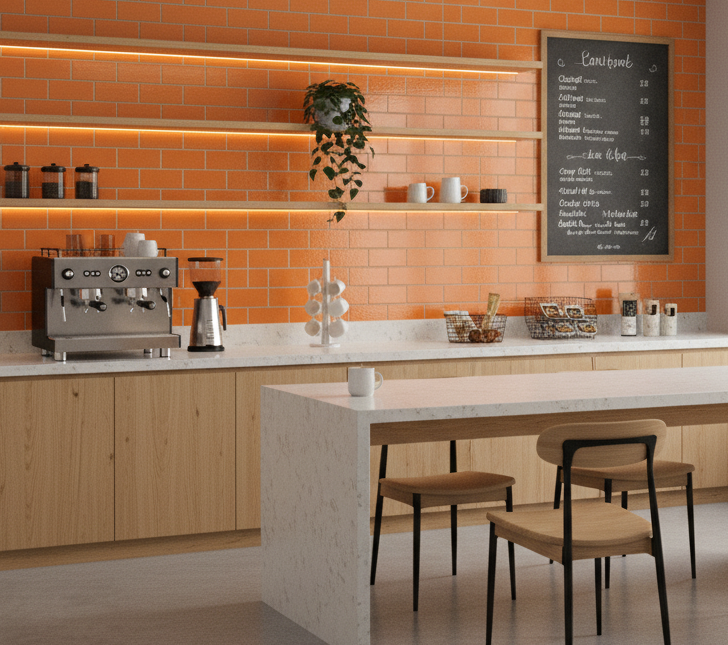
The Lasting Attraction of Subway Tiles
Subway tiles received their name from their introduction in New York City's subway stations during the early 1900s. Designers selected these rectangular tiles for functional purposes: they were resilient, simple to maintain, and their glossy surface reflected illumination in the frequently dim underground stations. Over a century later, these identical qualities make subway tiles a preferred choice for homeowners and designers seeking spaces that appear perpetually well-kept.
The traditional 3x6 inch rectangular format has become synonymous with refined, sophisticated design. While subway tiles now arrive in various dimensions, colors, and finishes, their fundamental attraction remains anchored in their ability to create spaces that feel fresh, organized, and impeccably maintained.
The Science Behind Their Pristine Appearance
Smooth, Non-Porous Surfaces
The primary reason subway tiles appear so pristine is their typically glazed, non-porous surface. Unlike textured or porous materials that capture dirt, moisture, and bacteria, glazed subway tiles establish a barrier preventing these elements from penetrating the surface. This smooth finish means dirt, grease, and grime sit atop the tile rather than seeping into it, making them appear cleaner even before maintenance begins.
The glazed ceramic or porcelain surface functions as a protective barrier, resisting stains and discoloration that affect other materials. This proves particularly valuable in areas exposed to splashes, steam, and humidity, where porous materials would quickly display signs of wear and water damage. According to industry standards set by ANSI A137.1, porcelain tiles meet strict water absorption requirements that contribute to their durability.
The Influence of Uniform Color
Most traditional subway tiles arrive in white or light neutral colors, inherently appearing cleaner than darker surfaces. White subway tiles particularly have a psychological effect on how we perceive cleanliness. We connect bright white surfaces with sterility, freshness, and hygiene. Even when requiring maintenance, white subway tiles maintain their pristine appearance better than expected because they reflect illumination rather than absorb it.
Light-colored subway tiles also have a functional advantage: they don't display water spots, soap scum, or mineral deposits as readily as dark tiles or glass surfaces. While not invisible on white tiles, these common bathroom and kitchen challenges are significantly less noticeable, extending the time between cleanings while maintaining that fresh appearance.
Reflective Qualities That Enhance Brightness
The glossy finish of traditional subway tiles serves a dual purpose. Beyond establishing that non-porous surface, the reflective quality bounces illumination around the room, generating an impression of cleanliness and spaciousness. Bright, well-lit spaces naturally appear cleaner and more inviting than dim, shadowy areas where dirt and grime can hide.
This reflective property proves especially valuable in smaller bathrooms, compact kitchens, or spaces without abundant natural light. The tiles effectively multiply available illumination, generating an airy, open feeling that reinforces the perception of cleanliness.

Design Elements That Preserve the Pristine Look
Classic Layout Patterns
The arrangement of subway tiles contributes significantly to their pristine appearance. The traditional running bond pattern (brick-style layout) establishes clean horizontal lines that guide the eye smoothly across the surface. This ordered, geometric pattern feels organized and intentional, which our brains interpret as well-maintained.
Unlike busy patterns or irregular tile arrangements that can appear cluttered, the simple repetition of subway tiles in a running bond generates visual calm. There's a meditative quality to the uniform rows suggesting order and cleanliness, even in high-traffic areas experiencing daily use.
Grout Lines and Their Role
The grout lines between subway tiles perform a surprisingly important role in their pristine appearance. When properly maintained, these lines establish a subtle grid emphasizing the tile's organization and structure. The slightly recessed grout lines also generate gentle shadows adding depth and dimension without compromising the overall aesthetic.
Many homeowners and designers select white or light-colored grout with white subway tiles, generating a seamless, monochromatic look maximizing the pristine appearance. Alternatively, contrasting grout (such as gray or black) can establish a graphic look that still reads as well-maintained because it emphasizes the tile's orderly arrangement and intentional design. Professional installers often reference tile edge protection techniques to ensure grout lines remain clean and durable.
Minimal Visual Noise
Subway tiles excel at generating clean-looking spaces because they lack visual complexity. There are no intricate patterns to distract the eye, no varied colors to generate busy-ness, and no texture to catch shadows or dirt. This minimalism proves inherently calming and pristine-looking.
In an era where lives are filled with visual stimulation, the simplicity of subway tiles offers a refreshing break. This visual quietness makes spaces feel more serene, organized, and naturally cleaner.

Why They Stay Looking Pristine Longer
Resistance to Common Stains
Glazed subway tiles resist common enemies of cleanliness remarkably well. Cooking oils, food splatters, soap scum, hard water deposits, and even mildew have difficulty adhering to the smooth, non-porous surface. This resistance means even in the busiest kitchens or most frequently used bathrooms, subway tiles maintain their fresh appearance longer than many alternative materials.
When spills or splashes occur, they typically wipe away easily without leaving lasting marks or stains. This proves particularly valuable around kitchen stoves, where cooking oils can accumulate, or in showers, where soap and shampoo residue are constant challenges.
Durability and Longevity
Part of appearing pristine is appearing new, and subway tiles excel at maintaining their like-new appearance for years, even decades. The durable glazed surface resists scratches, chips, and fading that make other surfaces appear worn and dirty over time. This longevity means subway tiles installed today will still appear fresh years from now with only routine maintenance.
The classic nature of subway tiles also works in their favor. Because they're not trendy or dated to a particular era, they always appear current and intentional rather than old-fashioned or neglected. The Ceramic Tile Distributors Association certifies professionals who understand proper tile selection for long-lasting installations.
The Psychology of Pristine Subway Tiles
Cultural Associations
Our collective experience with subway tiles reinforces their pristine appearance. We've encountered them in hospitals, restaurants, bakeries, and other commercial spaces where cleanliness is paramount. These associations run deep in cultural consciousness. When we see subway tiles, we subconsciously recall these environments and their emphasis on hygiene and sanitation.
This psychological connection proves powerful. Even if a space with subway tiles isn't perfectly spotless, our brains still register them as maintained because of these ingrained associations.
The Satisfaction of Visual Order
Humans are pattern-seeking creatures, and we find satisfaction in order and symmetry. The regular, predictable pattern of subway tiles appeals to this innate preference. When we observe a well-tiled wall, our brains register the order and interpret it as a sign of care and cleanliness.
Subway tiles provide instant visual order. The uniform rectangles, consistent spacing, and predictable pattern generate a sense of control and intentionality that we associate with well-maintained spaces.
Versatility Across Design Styles
Modern and Contemporary Spaces
In modern and contemporary design, subway tiles shine as a minimalist choice. Their simple geometry aligns perfectly with the sleek lines and uncluttered aesthetic of modern spaces. The reflective surface of glossy subway tiles complements modern materials like stainless steel, chrome, and glass, generating a cohesive look emphasizing cleanliness and sophistication.
Traditional and Transitional Settings
Subway tiles work equally well in traditional spaces, where their classic origins feel right at home. In traditional kitchens and bathrooms, white subway tiles provide a fresh backdrop for more ornate fixtures, cabinetry, and accessories. They anchor these spaces with a sense of timeless cleanliness while allowing other decorative elements to take center stage.
Industrial and Farmhouse Aesthetics
The industrial and farmhouse design movements have embraced subway tiles enthusiastically. In industrial spaces, the tiles' utilitarian origins and sleek lines fit perfectly with exposed brick, metal fixtures, and concrete floors. Farmhouse design finds subway tiles ideal for generating spaces that are both beautiful and functional. According to current bathroom tile trends, subway tiles remain a top choice across multiple design aesthetics.
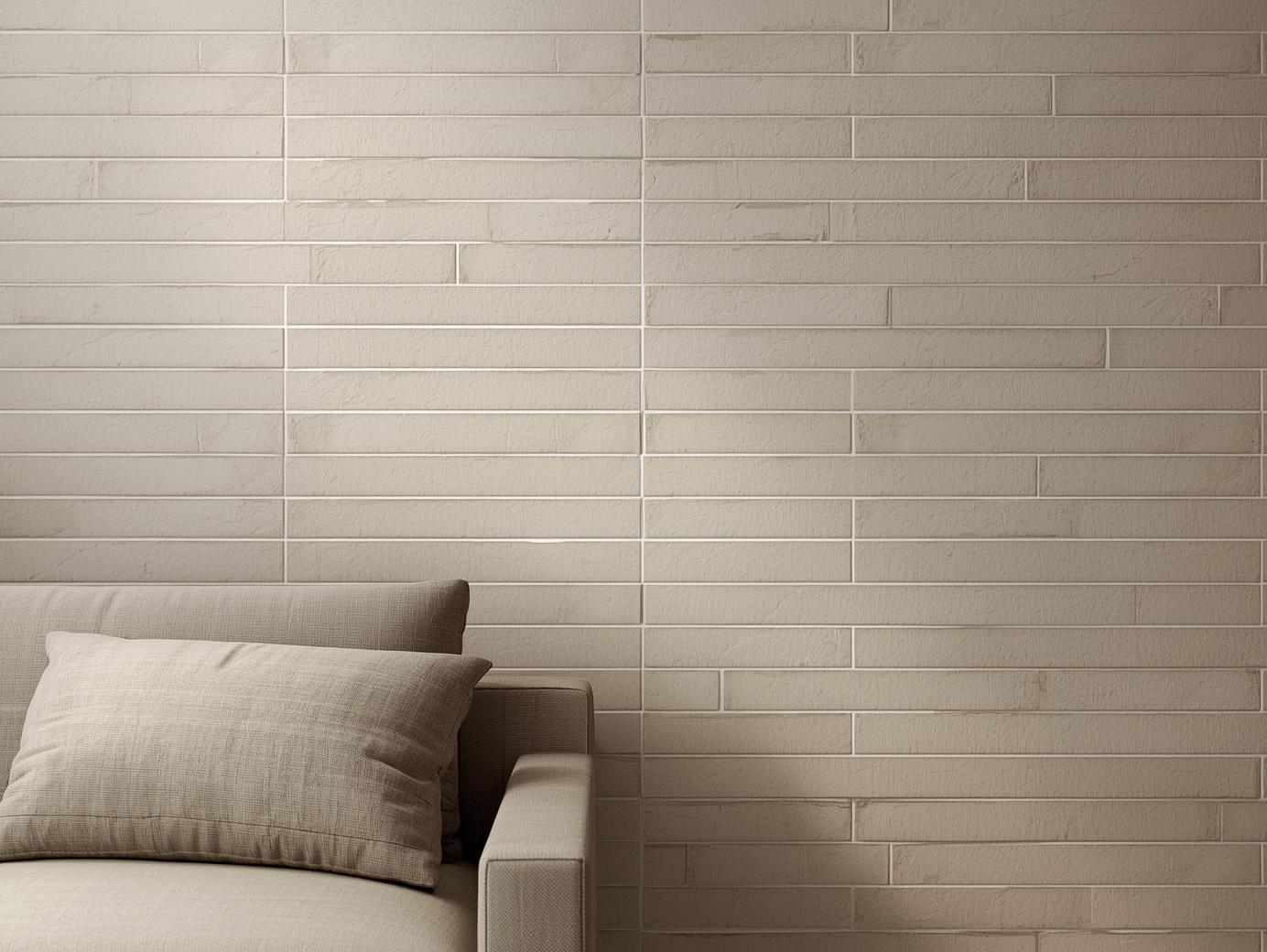
Color Variations and Their Pristine Factor
Classic White
Classic white subway tiles remain the gold standard for clean-looking spaces. Their association with cleanliness is unmatched, and their ability to brighten and enlarge spaces makes them perpetually popular. White subway tiles work in virtually any design scheme, providing a fresh canvas that never goes out of style.
Soft Neutrals
Light gray, beige, and pale blue subway tiles offer a twist on the classic while maintaining the fresh aesthetic. These soft neutrals provide subtle color that adds warmth and personality without sacrificing the look that makes subway tiles so appealing. Explore our full range of tile colors to discover options that match your design vision.
Bold Colors
Even in bolder colors like navy, emerald, or black, subway tiles maintain a pristine appearance thanks to their glossy finish and geometric order. Dark subway tiles generate dramatic, sophisticated spaces that still feel intentional and well-maintained.
Real-World Applications
Kitchen Backsplashes
Kitchen backsplashes may be where subway tiles shine brightest. Positioned behind stoves and sinks where splashes, grease, and moisture are constant challenges, subway tiles prove their worth daily. They protect walls while appearing perpetually maintained, even in the face of cooking chaos. The National Kitchen & Bath Association recognizes subway tiles as a timeless backsplash solution.
Bathroom Walls and Showers
In bathrooms and showers, subway tiles generate spa-like environments that feel fresh every day. Their resistance to moisture, mildew, and soap scum makes them ideal for wet areas where other materials would quickly display signs of wear. Full-wall applications of subway tile in showers establish bright spaces that feel luxurious and well-maintained. Options like decorative 3D subway tiles add texture while maintaining easy-clean properties.
Commercial Spaces
Subway tiles continue to be popular in commercial applications, from restaurant kitchens to coffee shops to retail spaces. Business owners choose them for the same reasons homeowners do: they appear pristine, stay maintained, and generate positive impressions on customers. The Natural Stone Institute provides resources for commercial tile applications that emphasize durability and hygiene.
Conclusion
At Nova Tile and Stone, we understand why subway tiles continue to captivate homeowners and designers alike. Their ability to appear perpetually pristine isn't accidental it's the result of thoughtful design, quality materials, and timeless appeal. The smooth, glazed surface resists stains and dirt, while the classic rectangular shape and orderly arrangement generate visual calm that reads as cleanliness.
From their practical origins in New York's subway system to their current status as a design staple showcased at events like Coverings, subway tiles have proven that functional beauty endures. Whether you're drawn to classic white tiles or exploring colored options, whether you prefer traditional or contemporary design, subway tiles from our collection offer a reliable way to generate spaces that appear pristine, feel fresh, and remain beautiful for years to come. Learn more about us and discover why we're passionate about helping customers find the perfect tile solution. Visit our local showroom or contact us for a free consultation to explore how subway tiles can transform your space.
Frequently Asked Questions
Why do white subway tiles always appear so fresh and pristine?
White subway tiles maintain their fresh appearance due to their glazed, non-porous surface that resists stains and dirt penetration. The bright white color reflects illumination, generating an airy atmosphere, while the smooth finish prevents grime from adhering to the surface. The psychological association between white surfaces and cleanliness also plays a significant role in why we perceive them as perpetually fresh. Browse products we carry to see our selection of premium white subway tiles.
Do subway tiles in darker colors still appear as pristine as white ones?
Yes, darker subway tiles can maintain a pristine appearance thanks to their glossy, glazed finish and orderly geometric pattern. While they may display water spots or soap residue differently than white tiles, their smooth surface still resists staining and the uniform pattern generates visual order associated with cleanliness. Understanding the differences between porcelain and ceramic helps in selecting the right material for your needs.
What makes subway tiles appear cleaner than other tile types?
Subway tiles' appearance comes from their smooth, non-porous glazed surface, simple rectangular shape, and orderly installation pattern. Unlike textured or patterned tiles that can appear busy, subway tiles generate visual calm through their uniform, predictable arrangement. Their reflective surface bounces illumination around rooms, enhancing brightness and the perception of cleanliness. For comparison, explore terrazzo-look tiles which offer a different aesthetic.
How does grout color affect the pristine look of subway tiles?
Grout color significantly impacts the overall aesthetic. White or light-colored grout generates a seamless, monochromatic look maximizing the appearance and makes spaces feel larger. Contrasting grout colors like gray or black establish a graphic, intentional look that still appears maintained because it emphasizes the tile's orderly arrangement.
Why do subway tiles make small bathrooms and kitchens appear cleaner and bigger?
Subway tiles make small spaces appear more spacious through several mechanisms. Their glossy surface reflects available illumination, brightening the room and reducing shadows where dirt appears to hide. The uniform, horizontal pattern guides the eye smoothly across surfaces, generating visual flow that makes spaces feel more expansive. Consider larger format options like 3x12 subway tiles for even more dramatic effects in compact spaces.