White subway tile with black grout is an excellent design choice that creates dramatic visual contrast and emphasizes tile patterns. This combination works well for kitchens, bathrooms, and backsplashes, though it requires consideration of maintenance factors like hard water staining and regular cleaning.
The pairing delivers three primary benefits: it creates striking depth through high contrast, highlights your chosen tile layout (whether herringbone, straight-set, or offset patterns), and taps into timeless black-and-white design appeal that has remained popular since subway tiles first appeared in 1904. Black grout acts like an outline around each tile, making patterns significantly more visible and giving standard 3x6 subway tile diverse personalities depending on installation style.
However, homeowners should understand the maintenance requirements before installation. Hard water can cause visible mineral deposits on black grout, requiring proactive water quality management. Unlike lighter grout that shows dirt, black grout displays soap scum and light-colored residue more readily, necessitating consistent cleaning with pH-neutral products.
The decision ultimately depends on your aesthetic goals and willingness to maintain the look. If you want a bold focal point with maximum pattern definition, white subway tile with black grout delivers exceptional results. For those seeking lower maintenance or working with significant hard water issues, alternative grout colors may prove more practical.
Let's explore everything you need to know about this popular combination so you can make an informed decision for your project.
Should You Use Black Grout With White Subway Tile?
The straightforward answer is yes, you absolutely can pair black grout with white subway tile. However, it's important to recognize that this combination isn't for everyone, and there are several factors to consider before moving forward.
At Nova Tile and Stone, we've seen countless installations, and while this pairing creates stunning results, we encourage our customers to carefully evaluate whether it's the right fit for their space and lifestyle.
The Visual Impact of Black Grout on White Tile
Creating Dramatic Contrast
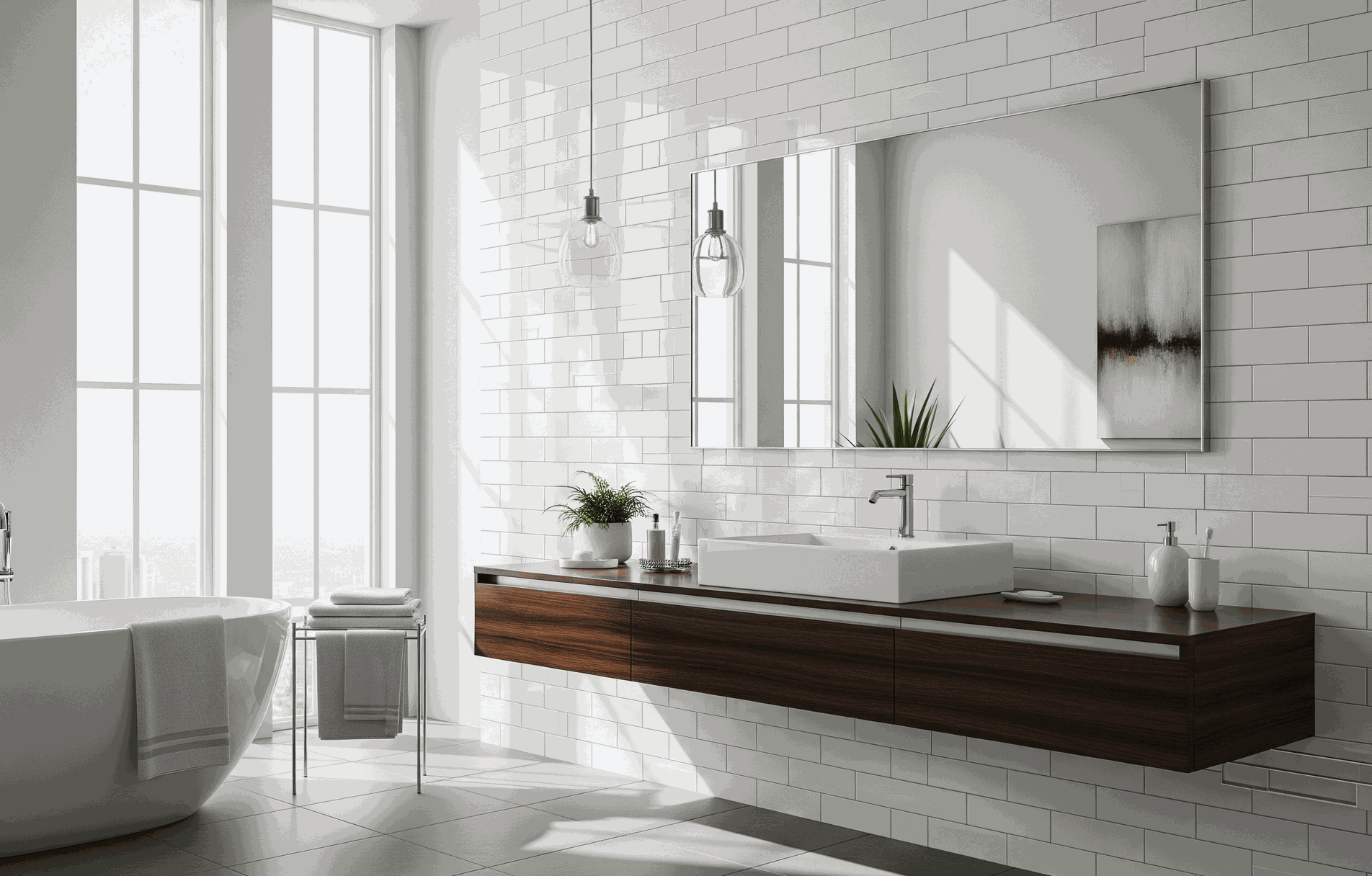
Black grout against white tile delivers an immediate visual punch that's hard to ignore. This sharp contrast introduces depth and dimension to your wall or floor, making it far more engaging than an all-white installation. The combination taps into the timeless appeal of black and white design, a pairing that's remained popular across decades and design movements according to bathroom design trends.
Highlighting Your Tile Pattern
One of the most compelling reasons to choose black grout is its ability to showcase your tile layout. The dark grout lines act like outlines, drawing attention to the pattern you've selected. Whether you opt for a classic half-offset (running bond) pattern for traditional charm, a straight-set grid for contemporary appeal, or a vertical orientation for modern sophistication, black grout amplifies that design choice.
Pattern selection plays a crucial role in overall design impact, as detailed in these tile layout tips. Standard 3x6 subway tile can take on completely different personalities depending on how it's laid. Dark grout makes these pattern variations even more pronounced, giving your installation distinct character and personality.
Grout Joint Width Considerations
The width of your grout joints significantly affects the boldness of your design. Narrow joints create delicate, pencil-thin lines that provide definition without overwhelming the tile. Wider joints, on the other hand, increase the visual weight of the grout, making the pattern more dominant and the overall effect more dramatic.
Consider your desired aesthetic when selecting joint width. Smaller grout lines offer subtlety and refinement, while wider joints deliver maximum pattern emphasis and visual interest. Professional guidance from organizations like the National Kitchen & Bath Association can help you determine optimal joint sizing for your project.
Understanding the Maintenance Requirements
Hard Water Staining Issues
While black grout offers undeniable visual appeal, it's not entirely maintenance-free. One of the primary concerns is hard water staining. If your home has hard water, the mineral deposits can leave visible marks on both black grout and black tiles, creating a cloudy or discolored appearance over time.
Before committing to black grout, assess your water quality. If you have significant hard water issues, you may need to implement a regular cleaning routine or consider water softening solutions to keep your grout looking its best.
Regular Cleaning and Upkeep
Black grout requires consistent attention to maintain its rich, dark appearance. Unlike lighter grout colors that may hide certain types of dirt, black grout can show soap scum, hard water deposits, and cleaning product residue more readily. The Ceramic Tile Foundation recommends planning for routine cleaning with appropriate products to preserve the crisp contrast between your white tile and dark grout.
The Enduring Appeal of Subway Tile
A Design Classic Since 1904
Subway tile has maintained its position as a design staple for over a century. First introduced in New York City's subway stations in 1904, these tiles were chosen for their clean appearance, bright surface, and easy maintenance. That practical foundation has translated into residential design, where subway tile continues to be a versatile, timeless choice.
The style hasn't faded in 2022, and it shows no signs of disappearing in 2023 or beyond. With an extensive range of colors available (over 100 options in many collections), subway tile serves as the foundation for both traditional and innovative designs year after year. Industry events like Coverings continue to showcase new subway tile innovations and applications.
Grout Color Selection: A Personal Design Choice
The decision to use grout that's darker, lighter, or matched to your tile color is entirely subjective and based on your personal design preferences. There's no universal "right" answer, only the right choice for your specific vision.
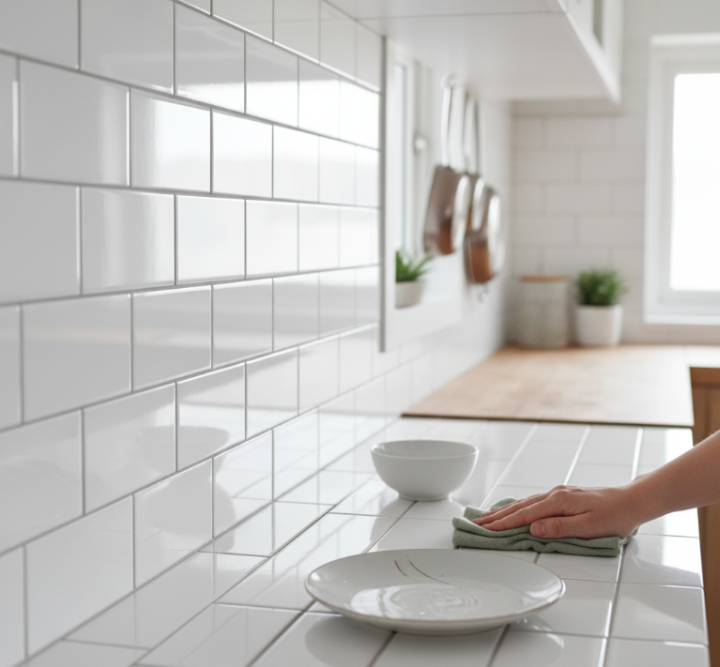
Your selection will largely depend on the tile color you've chosen and whether you're seeking visual contrast or a more seamless, monochromatic appearance. White tile with black grout creates maximum contrast and pattern definition, while white tile with white grout offers a clean, unified look that emphasizes the tile itself rather than the grid.
Making the Right Decision for Your Space
Consider the overall aesthetic you're trying to achieve. Do you want your tile installation to be a bold focal point, or do you prefer a more understated backdrop for other design elements? Black grout on white tile commands attention and makes a definitive style statement, while matching grout creates a softer, more subtle effect.
Think about your long-term satisfaction as well. Design trends come and go, but the combination you choose will be with you for years. Black and white is a classic pairing that transcends temporary trends, making it a relatively safe choice for those concerned about longevity.
Exploring Your Tile and Grout Options
Before finalizing your decision, take time to explore various tile options and grout combinations. Many tile retailers, including Nova Tile and Stone, offer sample programs that allow you to see materials in your actual space. Lighting, surrounding colors, and room dimensions all influence how a tile and grout combination will ultimately look.
Understanding the differences between ceramic and porcelain options is also important when selecting subway tile. At our showroom, we offer a $1 sample program that lets you test tiles in your home before making a larger investment. This hands-on approach helps eliminate guesswork and ensures you're completely satisfied with your selection.
Whether you're interested in traditional 3x6 formats, larger 3x12 options, decorative 3D variations, or even terrazzo-look tiles for a unique twist, testing samples helps you visualize the final result.
Getting Expert Design Guidance
If you're feeling uncertain about tile and grout combinations or any aspect of your tile project, professional design consultation can provide valuable clarity. Experienced tile specialists can offer insights based on your specific space, lighting conditions, and design goals. Working with Certified Tile Consultants ensures you receive expert guidance throughout your project.
Our team provides complimentary design consultations at our showrooms in Reno, Minden, Sacramento, and Fernley. Our tile experts can walk you through product options, discuss grout colors, provide cost estimates, and offer step-by-step guidance for your project. These services are completely free. We're here to help you make confident decisions about your tile selection.
Our team stays current with industry standards and best practices from the Natural Stone Institute to ensure you receive accurate, professional advice. We can also help you explore different tile styles and sizes to find the perfect match for your project.
Bringing Your Vision to Life
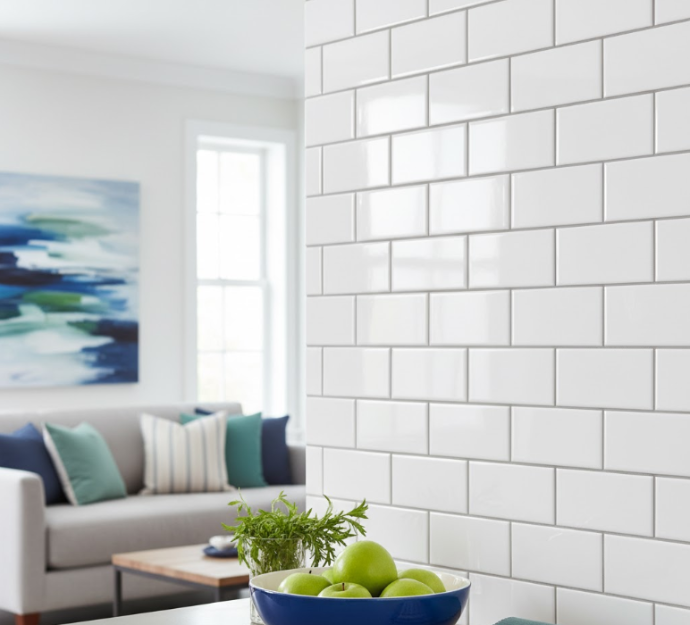
Whether you ultimately choose black grout with white subway tile or decide on a different combination, the key is selecting materials that align with your aesthetic preferences and practical needs. Don't rush the decision. Take advantage of samples, professional advice, and careful consideration of your space's unique characteristics.
Understanding the technical aspects, such as the differences between porcelain and non-porcelain tiles, helps ensure you select the right material for your application. Browse our complete product selection to see all available options.
Conclusion
White subway tile with black grout delivers a timeless, high-contrast look that adds drama and personality to any space. The combination highlights your chosen tile pattern, creates visual depth, and taps into the enduring appeal of black and white design. However, it's important to weigh these aesthetic benefits against practical considerations like hard water staining and ongoing maintenance requirements.
The classic nature of subway tile means your investment will remain stylish for years to come, and the versatility of this material allows it to work across virtually any design style. Whether you're renovating a kitchen backsplash, updating a bathroom, or tackling another tile project, understanding both the advantages and challenges of black grout will help you make the best choice for your space.
Remember, there's no single "correct" grout color, only the right choice for your specific vision and circumstances. Take time to evaluate your options, test samples in your actual environment, and consult with tile professionals who can provide personalized guidance. With careful planning and informed decision-making, you'll create a tile installation that you'll love for years to come.
Ready to explore your options? Contact us or visit Nova Tile and Stone at any of our Northern Nevada or Northern California locations to see our extensive subway tile collection, discuss grout options, and get expert advice tailored to your project.
Featured Products
Frequently Asked Questions
Will black grout make my bathroom or kitchen feel darker?
Black grout lines create visual definition but typically don't make a space feel significantly darker overall. Since the grout lines are relatively thin compared to the large expanses of white tile, the white tile remains the dominant visual element. The contrast actually creates visual interest that can make a space feel more dynamic rather than darker. However, if you're working with a very small space or one with limited natural light, you may want to consider using a narrower grout joint to minimize the amount of black in the design.
How difficult is it to keep black grout clean?
A: Black grout requires regular maintenance but isn't necessarily more difficult to clean than lighter colors. It just shows different types of staining. Light-colored grout tends to show dirt and discoloration, while black grout is more likely to show hard water deposits, soap scum, and light-colored residue. Using a pH-neutral cleaner regularly and addressing hard water issues proactively will help maintain the rich, dark appearance of black grout. Sealing your grout after installation provides an additional layer of protection.
Can I change my grout color after installation if I don't like the black?
Yes, you can change grout color after installation, though it requires significant effort. Options include applying grout colorant (a coating that changes the color), removing and replacing the grout entirely, or using grout paint. Grout colorant is the least invasive option and can be a DIY project, though it requires careful application and periodic reapplication. Complete grout removal and replacement is more labor-intensive but provides the most permanent solution. Given the work involved, it's worth taking time upfront to ensure you're happy with your grout color choice.
Does black grout work with subway tile in other colors besides white?
Absolutely. Black grout pairs beautifully with many subway tile colors beyond white. It creates striking contrast with lighter shades like cream, beige, light gray, or soft pastels. Black grout can also work with medium-toned tiles like sage green, dusty blue, or warm gray, though the contrast will be less dramatic. The key is considering how much definition you want. More contrast creates more visual impact, while less contrast creates a subtler, more cohesive look. At Nova Tile and Stone, our design team can help you visualize different tile and grout combinations.
Is black grout more expensive than standard grout colors?
Black grout is typically priced similarly to other grout colors. The cost difference between grout colors is usually minimal. Most of your grout expenses come from the product type (sanded vs. unsanded, epoxy vs. cement-based) rather than the color selection. Where you might see cost differences is in specialty products like epoxy grout, which is more expensive than cement-based grout regardless of color but offers superior stain resistance and durability. The labor cost for installation remains the same regardless of grout color, so black grout won't significantly impact your overall project budget.