The best material for subway tiles depends on your specific application: porcelain subway tiles are the top choice for high-moisture areas like showers due to their less than 0.5% water absorption rate, while ceramic subway tiles offer the best value for kitchen backsplashes and dry areas. Glass subway tiles work best as decorative wall accents where their light-reflecting properties shine, and natural stone subway tiles (marble, travertine, slate) deliver luxury aesthetics but require sealing every 6-12 months.
Quick Material Comparison:
- Porcelain: Most durable, water-resistant (under 0.5% absorption), best for showers and high-traffic areas, costs 20-40% more than ceramic
- Ceramic: Versatile, budget-friendly, fade and stain-resistant, ideal for backsplashes and low-moisture spaces
- Glass: Scratch-prone but moisture-resistant, creates luminous effect, use only on walls for decorative purposes
- Natural Stone: Unique veining, porous (requires regular sealing), best for statement walls with proper maintenance
Strength and Lifespan
Evaluating the strength and lifespan of subway tile materials proves vital when making your selection. Various materials provide different degrees of moisture protection, scratch resistance, and wear tolerance, all of which impact their sustained functionality and aesthetic quality.
Ceramic and Porcelain Options for Subway Tiles
Ceramic and porcelain subway tiles both deliver durability, though ceramic tiles present a trustworthy solution for diverse installations. Ceramic subway tiles demonstrate strength against daily use, offering protection from fading, staining, and surface scratches. Their lighter weight simplifies installation procedures, while their durability preserves their look throughout extended use. Ceramic tiles work wonderfully for kitchens, backsplashes, and spaces with minimal moisture exposure, and their somewhat lower density versus porcelain creates an artisanal character with an airier quality.
Porcelain subway tiles undergo firing at elevated temperatures, resulting in substantially higher density, increased hardness, and enhanced water resistance. Featuring an absorption rate below 0.5%, they perform exceptionally in moisture-heavy locations such as showers, entrance areas, and exterior applications. Their outstanding resistance to scratches, stains, and freezing conditions means they preserve both aesthetic appeal and functionality across decades. Though both materials offer lasting durability, porcelain subway tiles provide superior strength, positioning them as the ideal choice for spaces requiring maximum resilience and extended lifespan.
Glass and Natural Stone Options for Subway Tiles
Glass and natural stone subway tiles deliver unmistakable elegance, though their durability differs considerably. Glass subway tiles, recognized for their light-reflecting and spacious qualities, repel moisture and stains yet remain vulnerable to scratching. Their fragile surface positions them more appropriately for wall installations rather than high-traffic or moisture-heavy zones where durability takes priority.
Natural stone subway tiles, encompassing marble, travertine, and slate deliver enduring luxury, with individual pieces displaying distinctive veining and surface character. Their porous composition, however, increases susceptibility to water penetration and staining, necessitating consistent sealing and maintenance routines. According to ceramic tile market research, natural stone requires more diligent care compared to porcelain or ceramic's greater resilience to maintain structural integrity across time. While both materials contribute sophistication, they need strategic placement and attentive maintenance to guarantee enduring beauty and functionality.
Visual Appeal and Design
Your material selection for subway tiles significantly influences your space's aesthetic character. Whether pursuing a classic, contemporary, or dramatic design direction, various materials enable you to realize your vision. When planning your design approach, explore our collection to see how different materials can transform your space.
Ceramic and Porcelain Design Options for Subway Tiles
Ceramic and porcelain subway tiles present extensive design flexibility, enabling homeowners to create everything from traditional to contemporary aesthetics. Ceramic subway tiles, celebrated for their adaptability, deliver a comprehensive array of colors, patterns, and surface treatments. Whether selecting traditional white for enduring appeal or exploring vibrant shades like emerald green or turquoise through our shop tiles by color options, ceramic tiles unlock unlimited creative potential. Their lighter weight additionally simplifies cutting and installation, making elaborate arrangements such as herringbone, vertical stacks, and diagonal configurations more achievable without substantially raising labor expenses. For inspiration on creative layouts, check out these subway tile pattern layouts that showcase various installation techniques.
Porcelain subway tiles represent modern sophistication. Their streamlined, polished appearance suits contemporary and minimalist environments, delivering a refined, continuous look that amplifies a room's spatial quality. Offered in glossy, matte, and textured surfaces, porcelain tiles supply customized aesthetics matching any interior approach. For example, the Perfection 2.5x8 matte porcelain subway tile exemplifies how matte finishes deliver subtle elegance. Glossy porcelain amplifies light and establishes a luxurious atmosphere, while matte versions deliver more understated sophistication.
Spanning color selections from gentle neutrals to rich, dramatic tones, porcelain subway tiles maintain their status as a stylish and enduring enhancement for any environment. Whether gravitating toward ceramic's traditional appeal or porcelain's contemporary polish, both materials facilitate stunning, customized designs that enhance any interior. You can compare different material categories by visiting shop tiles by type to evaluate options side by side.
Glass and Natural Stone Design Options for Subway Tiles
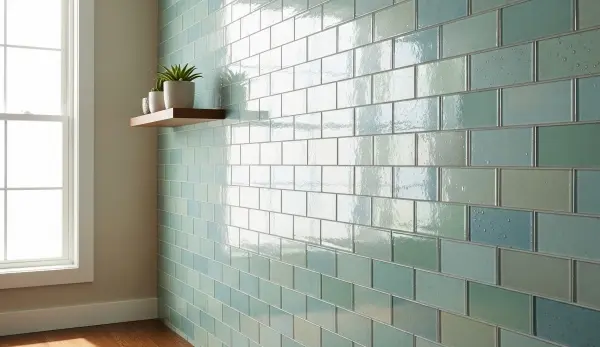
Glass and natural stone subway tiles each deliver a distinctive combination of contemporary refinement and natural elegance. Glass tiles, featuring their smooth, lustrous finish, boost brightness and expand perceived space by bouncing natural and artificial illumination. Offered in frosted, glossy, and iridescent treatments, they supply flexible design options, whether applied as a complete backsplash or an ornamental highlight. While requiring minimal upkeep, their delicate character positions them more suitably for walls than high-activity zones.
Iridescent glass subway tiles distinguish themselves through their color-changing effect, generating a captivating light interaction that echoes the sparkle of mother-of-pearl or sunrise-lit water. This radiant characteristic positions them perfectly for kitchens and bathrooms, particularly when combined with under-cabinet illumination or natural daylight.
Conversely, natural stone subway tiles including marble, travertine, and slate, introduce warmth and dimension through abundant veining and individual variations. Unlike glass's consistent appearance, stone contributes an organic, singular quality to interiors. It does require sealing for moisture and stain protection, establishing it as a moderately higher-maintenance selection. You can shop tiles by style to find complementary materials that work beautifully together.
For a visually compelling yet harmonious aesthetic, combining iridescent glass with natural stone produces a remarkable contrast, merging glass's shimmer with stone's earthy richness for a refined and multidimensional design.
Care Requirements and Cleaning
Practicality represents a critical factor when selecting subway tiles. This section reviews the maintenance demands for popular materials, supporting homeowners in making knowledgeable decisions regarding upkeep. You can also shop tiles by size to find the perfect dimensions that align with your design vision and spatial requirements.
Ceramic and Porcelain Care for Subway Tiles
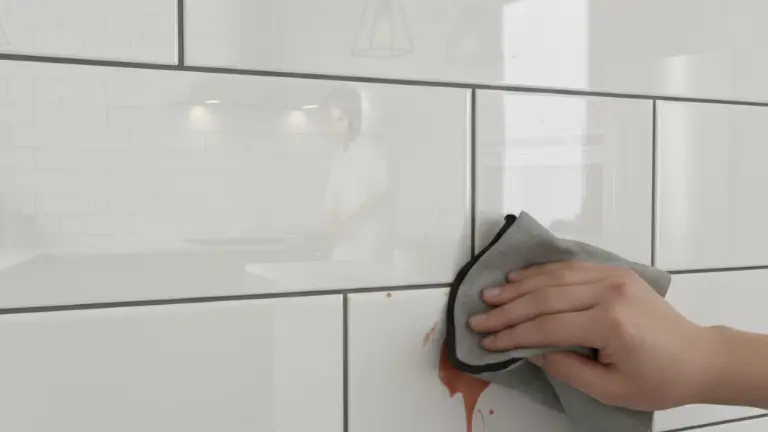
Ceramic and porcelain subway tiles earn recognition for their durability and minimal maintenance demands, establishing them as practical selections for various environments. Their smooth, hard surfaces repel dirt, grime, and moisture, enabling effortless cleaning with a damp cloth or mop and gentle soap. This straightforward upkeep positions them ideally for kitchens, bathrooms, and other zones susceptible to spills or humidity. Both materials need routine grout attention to prevent dirt and moisture accumulation. Consistent cleaning with a grout brush and gentle cleaner, combined with periodic sealing, maintains grout lines and prevents discoloration. For detailed guidance on proper maintenance, review grouting tile tutorials that demonstrate professional techniques.
Glass and Natural Stone Care for Subway Tiles
Glass subway tiles, featuring their lustrous surfaces, clean easily using a gentle glass cleaner or mild soap mixture. Their reflective finish, however, displays fingerprints, smudges, and water spots more prominently, requiring frequent wiping to preserve their brilliance. Furthermore, grout lines separating glass tiles may require sealing to prevent moisture penetration, especially in locations like shower walls or kitchen backsplashes. For specialized applications like borders and transitions, explore bullnose tile applications that provide professional finishing touches to your installation.
Natural stone subway tiles likewise require meticulous attention given their porous composition. Sealing proves essential to shield these tiles from stains, water damage, and etching from acidic materials. To preserve their natural beauty, cleaning with pH-neutral products is advised, as stronger cleaners can harm the surface. Grout maintenance holds equal importance, as moisture and debris can collect over time, potentially affecting the tiles' appearance and longevity. Should damage occur, learn about tile replacement techniques to restore your installation properly. The Ceramic Tile Foundation installation resources provide comprehensive guidance for proper tile care and maintenance.
Through following appropriate care protocols and reviewing manufacturer recommendations for tiles and grout, homeowners can appreciate the refined aesthetics of subway tiles while reducing maintenance requirements.
Selecting the Ideal Subway Tile Material for Your Project
Choosing the appropriate subway tile material proves essential to achieving the optimal combination of durability, functionality, and aesthetics. Porcelain subway tiles, specifically, provide exceptional strength, minimal water absorption, and stain resistance, positioning them as a dependable option for both flooring and moisture-intensive areas. When planning your project according to NKBA planning guidelines, material selection becomes even more critical for meeting industry standards.
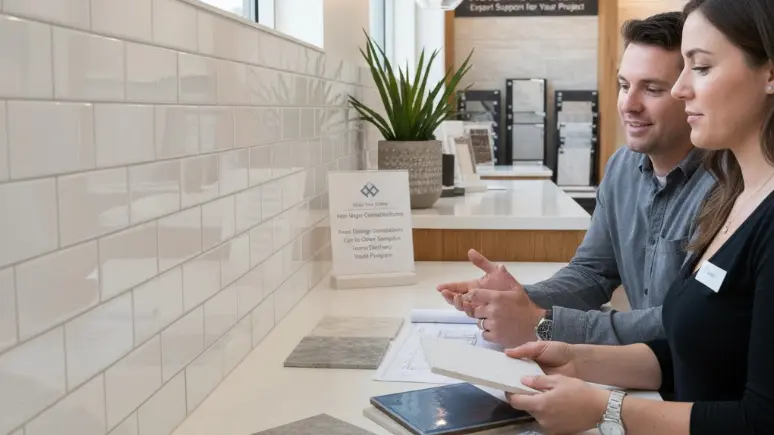
From material selection through layout planning, Nova's tile specialists offer tailored assistance to guide you through your project with expertise and creativity. Browse our subway tile collection to discover materials that match your specific requirements.
Conclusion
Choosing the best material for subway tiles ultimately depends on your specific needs, lifestyle, and design preferences. Ceramic tiles offer versatility and affordability for everyday applications, while porcelain provides unmatched durability and moisture resistance for high-performance areas. Glass tiles introduce luminous elegance and modern appeal, perfect for creating focal points and enhancing light. Natural stone brings organic beauty and timeless sophistication, though it requires dedicated maintenance to preserve its character.
Consider your space's functional demands alongside your aesthetic vision. High-moisture environments like showers benefit from porcelain's water-resistant properties, while kitchen backsplashes can showcase the creative possibilities of ceramic or the striking brilliance of glass. For spaces where you want to make a statement, natural stone delivers unparalleled uniqueness with its distinctive veining and texture. You might also consider complementary options like terrazzo mosaic tile options for accent areas that add visual interest and texture variation.
By weighing factors such as durability, maintenance requirements, visual impact, and budget, you can select subway tile material that not only transforms your space but continues to perform beautifully for years to come. The right choice creates a foundation for a design that reflects your personal style while meeting the practical demands of daily life. To learn more about available options and receive expert guidance, contact us or visit our company page to discover how our team can help bring your vision to life.
Frequently Asked Questions
Can I use ceramic subway tiles in my shower, or should I choose porcelain?
While ceramic subway tiles can be used in showers, porcelain is the superior choice for this application. Porcelain's absorption rate of less than 0.5% makes it significantly more water-resistant than ceramic, preventing moisture penetration that could lead to mold, mildew, or tile damage over time. For shower walls and floors that experience constant water exposure, porcelain subway tiles provide the durability and moisture protection needed for long-term performance. If you prefer ceramic for aesthetic reasons, reserve it for bathroom walls outside the shower enclosure or for backsplashes in low-moisture areas. For comprehensive guidance on bathroom flooring choices, consult this bathroom flooring guide that covers various moisture-resistant options.
Do glass subway tiles scratch easily, and where should I avoid installing them?
Yes, glass subway tiles are prone to scratching due to their delicate surface, making them better suited for wall applications rather than high-traffic or work-intensive areas. Avoid installing glass tiles in locations where they might contact abrasive materials, heavy cookware, or frequent physical contact. They work beautifully as kitchen backsplashes behind the range or sink, bathroom accent walls, and decorative borders. For areas requiring both durability and visual appeal, consider combining glass tiles with more resilient materials like porcelain or ceramic for a balanced design that maximizes both beauty and functionality. Browse products we carry to find complementary materials for mixed-material installations.
How often do I need to seal natural stone subway tiles?
Natural stone subway tiles typically require sealing every 6 to 12 months, depending on the stone type, location, and usage level. Porous stones like marble and travertine need more frequent sealing, especially in moisture-prone areas such as bathrooms and kitchens. To test if resealing is needed, place a few drops of water on the tile surface, if the water absorbs quickly rather than beading up, it's time to reseal. Always use a penetrating sealer specifically formulated for natural stone, and follow the manufacturer's guidelines for application. Regular sealing protects against stains, water damage, and etching, preserving your stone's natural beauty and extending its lifespan.
What's the price difference between ceramic and porcelain subway tiles?
Porcelain subway tiles generally cost 20-40% more than ceramic tiles due to their superior density, durability, and manufacturing process. While ceramic tiles offer excellent value for budget-conscious projects, porcelain's higher upfront cost translates to long-term savings through reduced replacement needs and lower maintenance requirements. The price gap narrows when you factor in porcelain's extended lifespan, especially in high-moisture or high-traffic areas where ceramic might need earlier replacement. Consider your project's specific demands and longevity expectations when evaluating cost investing in porcelain for demanding applications often proves more economical over time. To compare pricing and availability in your area, shop local options for the most current information.
Can I mix different subway tile materials in one space?
Absolutely! Mixing subway tile materials creates visual interest and allows you to leverage each material's strengths. Popular combinations include pairing iridescent glass with natural stone for a dynamic contrast between shimmer and earthy texture, or using durable porcelain for floors while featuring decorative ceramic or glass on walls. When mixing materials, maintain consistency through color palette, grout color, or tile size to ensure a cohesive look. Consider each material's maintenance requirements and ensure they're appropriate for their specific application, for example, use moisture-resistant porcelain in wet zones while reserving delicate glass for decorative accents. This approach delivers both aesthetic sophistication and practical functionality. For artisan-crafted options that pair well with contemporary materials, explore handmade ceramic tile techniques that showcase unique manufacturing processes.