Subway tiles have three major disadvantages for kitchen backsplashes: challenging grout maintenance, difficult installation requiring specialized tools, and susceptibility to chipping from daily kitchen use. While subway tiles remain popular for their classic look and variety of colors and sizes, these drawbacks require serious consideration before installation.
The primary issue homeowners face is grout maintenance. Grout between tiles is porous and absorbs cooking oils, moisture, and food particles, leading to discoloration, mold growth, and eventual deterioration. Even with regular cleaning, you may need to regrout or completely replace your backsplash within a few years.
Installation presents the second major challenge. DIY installation requires expensive equipment like tile saws and oscillating tools, plus considerable skill to achieve straight, evenly spaced rows. Without precision, mistakes become obvious once grout is applied, and the time-consuming process can leave your kitchen unusable for multiple weekends.
Finally, ceramic subway tiles chip easily when struck by pots, pans, or cutting boards during normal cooking activities. The glazed surface, while beautiful and easy to clean, cracks when impacted, exposing the porous tile body underneath. Repairing or replacing damaged tiles proves both difficult and expensive, especially if your original tile has been discontinued.
The Grout Dilemma: A Persistent Challenge
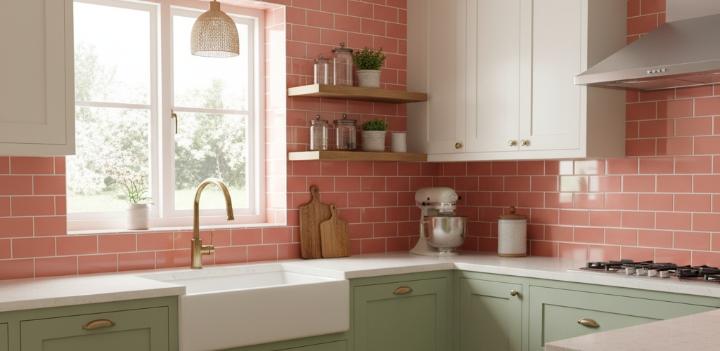
The majority of complications homeowners face with subway tile backsplashes stem from the grout filling the gaps between individual tiles. Regular cleaning becomes necessary because of grout's porous composition, yet despite frequent attention, it remains vulnerable to mold and mildew development from moisture exposure. Staining and peeling present additional ongoing concerns.
The porous nature of grout makes it act like a sponge, absorbing cooking oils, food particles, and general kitchen grime. Over time, light-colored grout transforms from pristine white to an unsightly gray or yellow. Steam from boiling pots and splatters create the perfect environment for mildew spores to take hold in those tiny spaces between tiles.
Eventually, you might need to regrout the entire backsplash or remove it completely. Regrouting involves scraping out old, deteriorated grout from between every tile, a tedious and time-intensive task. Complete removal means dealing with potential wall damage, disposal costs, and starting from scratch with a new installation.
Before committing to subway tiles, consider working with professionals who understand these challenges. At Nova Tile and Stone, we offer free design consultations where our experts help you select not just the right tiles, but also the best grout options for your specific needs. Our design team can recommend epoxy-based grouts that resist staining better than traditional cement-based options.
Installation Complexity: More Challenging Than It Appears
Installing a subway tile backsplash presents another significant disadvantage. The process proves time-consuming and creates substantial mess for those without prior tile installation experience. Putting up a tile backsplash requires heavy-duty equipment including a tile saw and an oscillating tool, equipment that isn't part of everyone's standard toolkit. Hiring a contractor represents one solution, though budget constraints make this option impractical for many homeowners.
The precision required for subway tile installation shouldn't be underestimated. Each tile must be perfectly level and evenly spaced, or the final result will look distinctly unprofessional. Small errors compound quickly. If your first row isn't perfectly straight, every subsequent row magnifies that mistake.
Cutting ceramic or porcelain tiles creates fine particulate matter that settles throughout your kitchen. The adhesive and grout application stages add their own mess, with potential for spills that require immediate cleanup. According to ANSI standards for ceramic tile, proper installation techniques are critical for long-term performance.
Nova Tile and Stone provides $1 samples that ship free, allowing you to examine the exact product you'll be working with. This small investment helps you understand the tile's weight, thickness, and how it cuts before committing to the full project.
Chips, Cracks, and Damage: Everyday Hazards
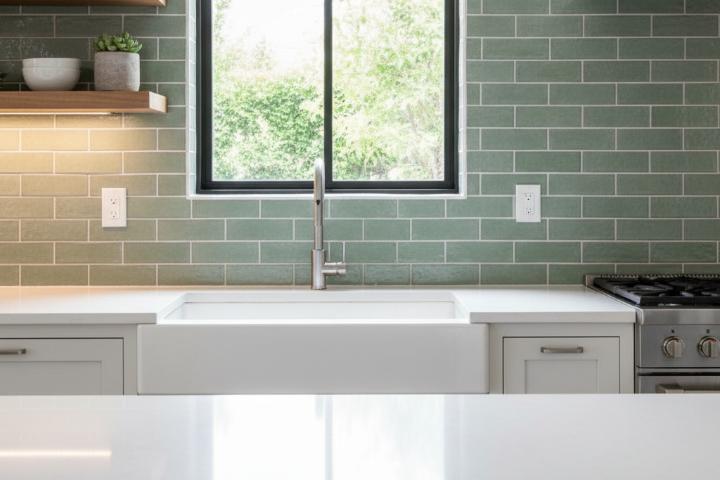
A less prominent but still significant issue with subway tiles centers on their susceptibility to chipping. Daily kitchen activities involving pots, pans, and cutting boards create opportunities for these items to strike against the backsplash, causing cracks and chips in the tile surface.
Kitchen backsplashes sit in a high-traffic zone. Setting down a heavy Dutch oven or reaching for items on overhead shelves means your backsplash faces constant potential impacts. While ceramic and porcelain tiles possess considerable strength, their glazed surface represents their most vulnerable point. The Ceramic Tile Foundation recommends proper edge protection during installation to minimize damage risks.
When a tile chips, you face several unappealing options. Small chips might be concealable with touch-up paint or epoxy fillers, but these repairs rarely achieve an invisible result. Larger chips or cracks necessitate complete tile replacement.
Replacing individual tiles sounds straightforward but presents its own challenges. You must carefully remove the damaged tile without cracking adjacent tiles, clean away all old adhesive, then install and grout the new tile to match the existing pattern. Finding replacement tiles that perfectly match your original installation can prove difficult, especially if years have passed. Browsing tiles by type when initially selecting can help you choose more durable options.
The Ubiquity Problem: Standing Out in a Sea of Similarity
While not a functional disadvantage, subway tiles' overwhelming popularity creates a design challenge. Walk through any home improvement store or browse design magazines, and you'll encounter subway tiles repeatedly. This saturation means your kitchen risks looking like countless others.
The classic white subway tile with gray grout has become so common it's almost a cliché. Many homeowners desire something that reflects their unique style rather than following the crowd. If you're seeking a distinctive backsplash, standard 3x6 subway tiles might leave you disappointed. Industry events like Coverings showcase emerging tile trends that can help you discover fresh alternatives.
This ubiquity extends beyond residential kitchens. Restaurants, coffee shops, and commercial spaces have embraced subway tiles for their clean appearance. NKBA design standards emphasize creating personalized spaces that reflect individual homeowner preferences.
For those who love the subway tile format but want something special, Nova Tile and Stone's trade program offers access to custom pricing and unique products not commonly available. Industry professionals can discover distinctive finishes like our 3D decorative subway tiles and specialty sizes that help your project stand out.
Exploring Alternative Backsplash Solutions
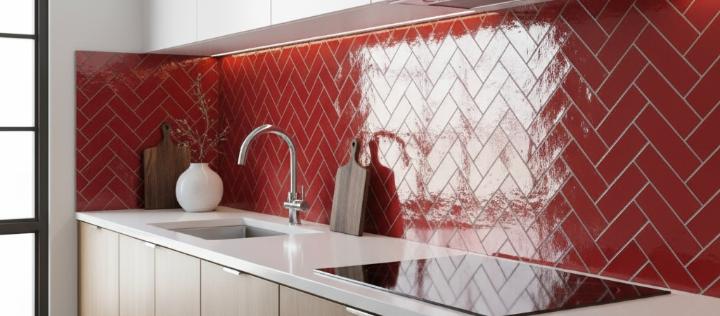
After learning about these drawbacks, you might conclude that subway tiles aren't suitable for your kitchen. Fortunately, alternatives exist. For those wanting a tiled backsplash without grout concerns, consider zellige tile or other clay tile varieties. These tiles install without spacers, positioned directly against each other, significantly reducing maintenance.
Zellige tiles offer a handcrafted appearance with natural color variations and subtle irregularities that create visual interest. The Natural Stone Institute provides guidelines for alternative tile materials and installation methods.
Peel-and-stick backsplash products offer another alternative. These faux tile sheets install quickly and require minimal time investment. However, moisture gradually breaks down the adhesive over time, and the glue can damage the wall surface when removed.
Glass tile backsplashes reflect light beautifully, creating luminous effects in your kitchen. Glass is non-porous, making it naturally resistant to mold and mildew without the grout maintenance concerns. However, glass shows water spots and fingerprints more readily than ceramic. You can explore different tile styles to compare various backsplash materials.
Stainless steel backsplashes deliver a sleek, professional appearance popular in modern kitchens. Stone slabs, whether marble, granite, or quartz, create a seamless, luxurious look that eliminates grout lines entirely. For a unique contemporary option, consider terrazzo-look tiles that combine the benefits of porcelain with distinctive visual appeal.
Conclusion
Subway tiles have earned their popularity through timeless design and versatility, but they're far from a perfect solution for every kitchen. The persistent challenges of grout maintenance, installation complexity, vulnerability to damage, and design ubiquity require serious consideration before making your final decision.
For some homeowners, the classic beauty of subway tiles outweighs the maintenance demands and installation challenges. Others might discover that alternative backsplash materials better suit their lifestyle and design vision. The key lies in honest assessment of your priorities, capabilities, and long-term commitment to maintenance. Certified Ceramic Tile Installers can provide professional guidance on material selection and installation.
Before making your final choice, examine actual tile samples and consult with design professionals. Consider your kitchen's specific conditions: how much cooking you do, how much moisture your backsplash will face, and how much time you can realistically dedicate to maintenance. Understanding the differences between porcelain and non-porcelain tiles can also inform your decision.
At Nova Tile and Stone, we understand that selecting the right backsplash involves more than just choosing attractive tiles. Visit one of our local showrooms to see and touch samples in person, or browse our complete tile collection online. Whether you ultimately choose subway tiles or explore alternatives like our 3x12 matte porcelain options, making an informed decision ensures your satisfaction with the final result for years to come.
Featured Products
Frequently Asked Questions
What is the biggest maintenance issue with subway tile backsplashes?
Grout maintenance represents the most significant ongoing challenge with subway tile backsplashes. The grout between tiles is porous and absorbs cooking oils, food splatters, and moisture, leading to discoloration, staining, and potential mold or mildew growth. Even with regular cleaning, grout requires periodic deep cleaning and may eventually need complete replacement. Using epoxy-based grout or darker grout colors can minimize visible staining, and applying grout sealer after installation provides additional protection. However, expect to invest regular time in grout maintenance to keep your backsplash looking fresh.
Can I install subway tiles myself, or should I hire a professional?
While DIY subway tile installation is possible, it demands considerable skill, patience, and specialized tools including a tile saw, trowel, spacers, and grout float. The process is more complex than it appears. Achieving perfectly straight, evenly spaced rows requires precision, and mistakes become glaringly obvious once grout is applied. If you have previous tiling experience and feel confident working with power tools, DIY installation can save money. However, for high-visibility kitchen backsplashes, professional installation often proves worthwhile to ensure a polished, professional result.
How do I prevent subway tiles from chipping in my kitchen?
Preventing chips entirely is challenging given normal kitchen activity, but several strategies minimize damage. Install tiles with adequate wall coverage. Thicker tiles generally resist impact better than thin ones. Exercise care when handling heavy cookware near the backsplash, and avoid banging pots and pans against the wall. Consider extending your countertop's backsplash height slightly to create a buffer zone where most impacts occur. When chips do happen, keep spare tiles from your original installation for repairs.
Are there grout alternatives that require less maintenance?
Yes, several alternatives can reduce grout maintenance burden. Epoxy grout offers superior stain resistance and durability compared to traditional cement-based grout, though it costs more and proves trickier to install. Some manufacturers produce grout with built-in antimicrobial properties that resist mold and mildew growth. Rectified tiles (tiles with precisely cut edges) can be installed with extremely thin grout lines, minimizing the visible grout area requiring maintenance. For a grout-free option, consider zellige or other clay tiles that install edge-to-edge without spacers.
What makes subway tiles chip more easily than other backsplash materials?
Subway tiles, particularly ceramic varieties, feature a hard but brittle glazed surface. While the glaze provides the beautiful glossy finish and easy-clean properties people love, it's also the tile's most vulnerable point. When struck with sufficient force, the glaze can crack or chip away, exposing the porous clay body underneath. This differs from materials like stainless steel, which dents rather than chips, or stone, which has consistent hardness throughout without a vulnerable surface layer. Porcelain subway tiles offer somewhat better chip resistance than ceramic due to their denser composition, though they're still susceptible to damage from sharp impacts.