Vintage subway tile sizes range from 2x8 inches to 4x16 inches, with the most common dimensions being 3x6 inches (classic standard), 3x9 inches (modern elongated), 3x12 inches (contemporary extended), and 4x12 inches (large format). The original 3x6-inch size, first used in New York City subway stations in 1904, remains the most popular choice for authentic period aesthetics, while larger formats like 3x9 and 3x12 inches have gained popularity for their reduced grout lines and streamlined contemporary appearance. Each size directly impacts grout line frequency, maintenance requirements, visual scale perception, installation complexity, and pattern layout possibilities.
Size selection depends on specific application areas and room dimensions: small bathrooms (8x10 feet or less) work best with 3x6 or 3x9-inch tiles to maintain proportional scale, standard kitchen backsplashes (18-20 inches high) pair naturally with 3x6 or 3x9 inches that divide evenly without cutting, shower walls benefit from 3x9 or 3x12-inch formats that minimize grout joints for easier cleaning, and large feature walls showcase 4x12 or 4x16-inch tiles for bold minimalist impact. Smaller tiles create detailed grid patterns ideal for herringbone or basketweave layouts, while larger formats limit pattern options but reduce maintenance through fewer grout lines.
Practical considerations vary significantly by size: 3x6-inch tiles require approximately twice as many grout joints as 3x12-inch tiles covering the same area, larger formats (4x12+ inches) demand flatter wall preparation to prevent lippage issues, narrow formats (2x8 or 2.5x8 inches) offer flexibility around outlets and obstacles, and oversized tiles reduce installation time but increase handling difficulty. Grout line width typically ranges from 1/16 to 1/8 inch for smaller tiles and up to 1/4 inch for larger formats, with color contrast between tile and grout creating more prominent patterns in small-format installations.
The Classic 3x6 Inch Standard
The 3x6-inch dimension represents the original subway tile size, directly referencing tiles used in New York City subway stations beginning in 1904. This proportion became standard because it balanced practical concerns: the size was large enough for efficient installation yet small enough to navigate curves and irregular surfaces common in underground transit construction. The 2:1 length-to-width ratio creates pleasing visual rhythm that remains popular today.
In residential applications, 3x6 tiles deliver authentic vintage character that larger formats cannot replicate. The modest size creates detailed grid patterns that add textural complexity to walls without overwhelming spaces. This dimension works exceptionally well in smaller bathrooms where proportional scale matters—oversized tiles can make compact rooms feel awkward, while 3x6 tiles maintain appropriate visual balance.
The tile size also offers remarkable pattern versatility. Running bond, herringbone, vertical stack, and basketweave patterns all work beautifully at this scale. The manageable dimensions make pattern installation feasible even for complex layouts, whereas larger tiles become unwieldy when attempting intricate arrangements.
Modern 3x9 Inch Elongated Format
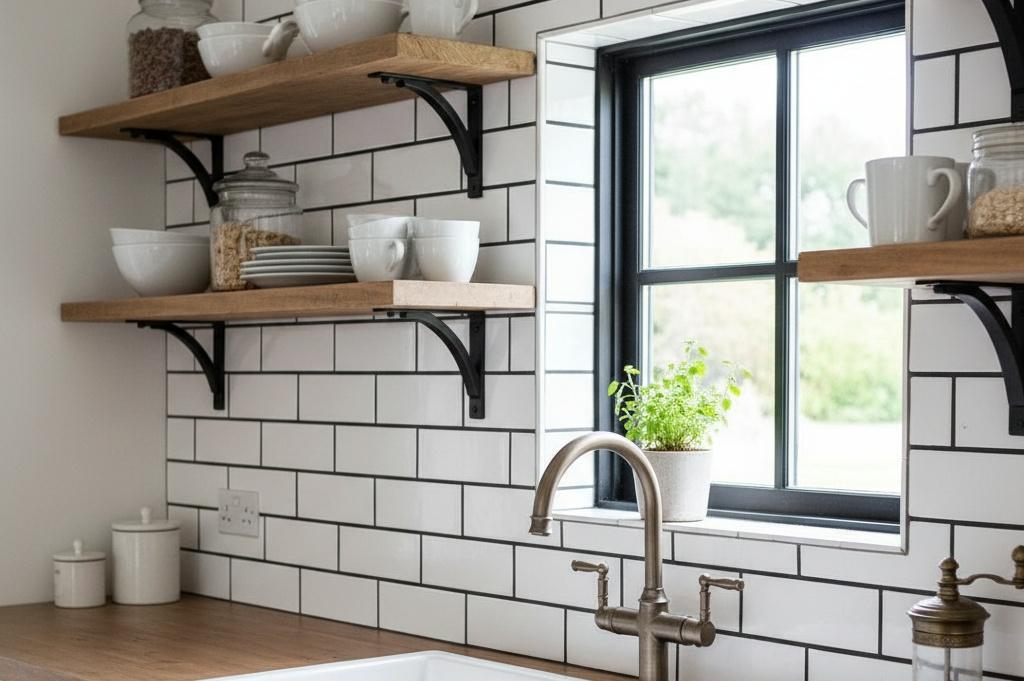
The 3x9-inch format extends traditional proportions while maintaining the classic width, creating a more contemporary interpretation of subway tile aesthetics. This elongated dimension gained popularity as design preferences shifted toward cleaner lines and less visual busyness. The additional length reduces grout line frequency compared to 3x6 tiles, delivering smoother wall surfaces that feel more refined and modern.
This size particularly excels in kitchens where backsplash height typically ranges from 18 to 24 inches. The vertical dimension divides evenly into standard backsplash heights, minimizing cutting and waste. When installed in horizontal running bond, 3x9 tiles create elegant horizontal striping that visually expands narrow kitchens.
The 3x9 format bridges traditional and contemporary design successfully. It maintains enough historical reference to feel authentic while appearing fresh and updated compared to smaller formats. For those wanting vintage charm without dated appearance, this dimension provides ideal compromise.
Substantial 3x12 Inch Proportions
Moving to 3x12-inch dimensions creates dramatic departure from traditional sizing while preserving the iconic rectangular subway tile shape. This larger format delivers distinctly modern appearance characterized by horizontal emphasis and minimal grout lines. The substantial length creates strong linear elements that draw the eye horizontally across walls, making this size effective for expanding perceived room width.
The reduced grout line frequency offers practical advantages for maintenance. Fewer seams mean less cleaning effort and reduced potential for grout discoloration over time. In shower applications, minimizing grout lines decreases water penetration points, though proper waterproofing remains essential regardless of tile size.
However, the larger size requires careful consideration of wall dimensions to minimize cutting. Planning installations around full tile layouts prevents awkward partial tiles at corners or edges. The increased surface area also makes each tile more prone to lippage issues if wall surfaces aren't perfectly flat.
Compact 2x8 and 2.5x8 Inch Variations
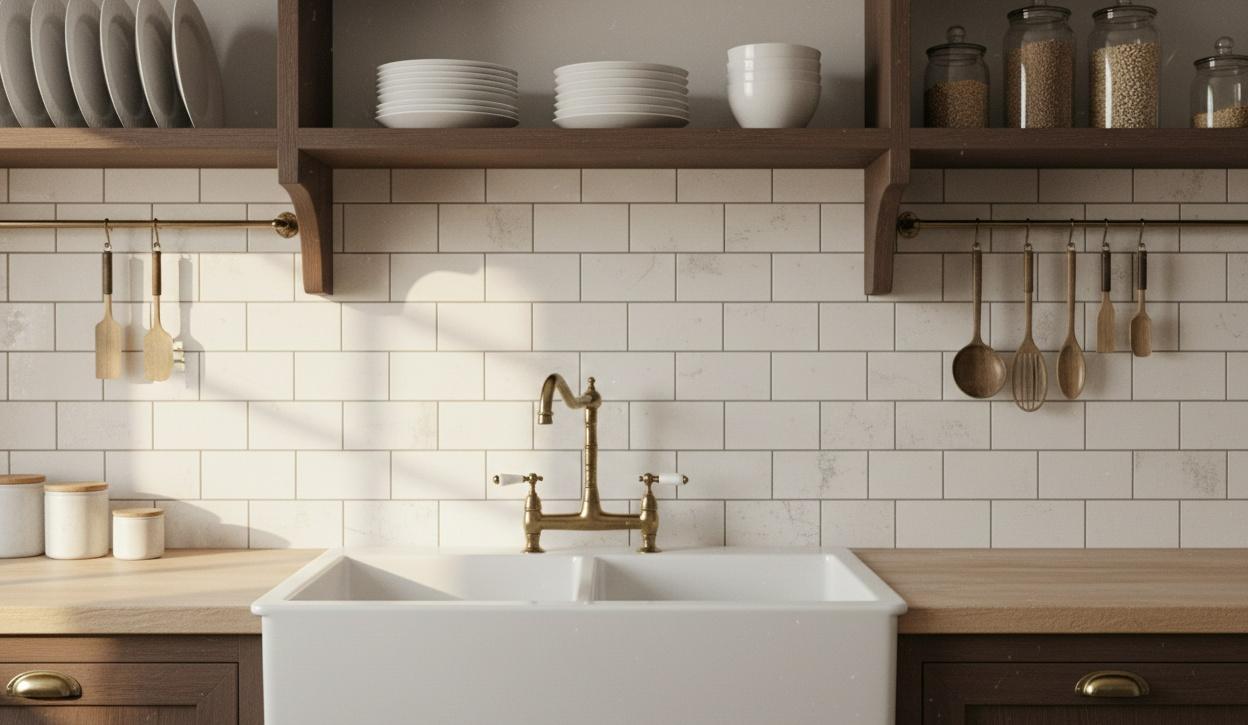
Narrower formats like 2x8 and 2.5x8 inches offer unique aesthetic qualities that differentiate them from wider subway tiles. The slender width creates delicate, refined appearance with increased grout line density that produces intricate patterns. These proportions work beautifully for vertical installations where the narrow width emphasizes upward movement and enhances perceived ceiling height.
The compact width makes these sizes ideal for smaller-scale applications including niche surrounds, decorative borders, or accent areas where standard subway tiles might appear too chunky. The dimensions also suit spaces where material costs matter the reduced surface area per tile can provide budget advantages while maintaining sophisticated appearance.
Installation with narrow tiles requires attention to maintaining consistent grout lines, as the increased number of joints makes irregularities more noticeable. However, the smaller scale offers flexibility when working around electrical outlets, windows, or other obstacles that interrupt wall surfaces.
Oversized 4x12 and 4x16 Inch Formats
Large-format subway tiles measuring 4x12 or 4x16 inches represent the contemporary extreme of subway tile evolution. These substantial dimensions create bold, dramatic installations with minimal grout lines that emphasize the tile material itself rather than the pattern created by multiple pieces. The clean, streamlined appearance aligns perfectly with modern minimalist design principles.
The larger surface area showcases tile finish and color more prominently since grout lines don't interrupt visual flow as frequently. This characteristic makes oversized formats ideal when featuring premium glazes, unique colors, or special finishes where you want maximum material visibility. Browse different color options to see how various hues appear across different tile sizes.
Installation challenges increase with larger tiles due to weight and handling requirements. Proper substrate preparation becomes critical any wall irregularities become more apparent with large-format tiles. The size also limits pattern possibilities, as complex layouts become impractical with such substantial pieces.

How Size Affects Visual Scale
Tile dimensions dramatically influence how spaces feel regardless of actual room measurements. Smaller tiles like 3x6 inches create busy, detailed surfaces that can make large rooms feel more intimate but might overwhelm tiny spaces with excessive visual complexity. The frequent grout lines create grid patterns that segment walls into smaller visual units.
Larger formats like 3x12 or 4x12 inches create calmer, more expansive feeling through reduced visual interruption. Fewer grout lines mean eyes travel across surfaces more smoothly, potentially making rooms feel larger. However, oversized tiles in genuinely small spaces can appear disproportionate, creating awkward visual relationships between tile scale and room dimensions.
The relationship between tile size and room proportions requires careful consideration. Standard-height backsplashes around 18-20 inches pair naturally with tiles that divide evenly into those dimensions. Planning tile size based on actual installation dimensions prevents awkward partial tiles that compromise finished appearance. Understanding current bathroom design trends can help inform your size selection.
Grout Line Considerations Across Sizes
Different tile sizes generate varying grout line frequencies that significantly impact maintenance requirements and visual appearance. A 3x6-inch tile installation contains roughly twice as many grout joints as 3x12-inch tiles covering the same area. More grout lines mean increased cleaning effort and greater potential for discoloration or mildew over time.
Grout line width also interacts with tile size to affect overall aesthetics. Smaller tiles typically use narrower grout joints (1/16 to 1/8 inch) to prevent grout from dominating the installation, while larger tiles can accommodate wider joints (up to 1/4 inch) without appearing excessive.
Color contrast between tiles and grout becomes more or less prominent depending on grout line frequency. High contrast grout with small tiles creates bold graphic patterns, while the same contrast becomes more subtle with larger tiles featuring fewer joints. Subway tile color selection significantly influences how grout lines appear, while exploring different tile styles helps visualize grout color combinations across various sizes.
Selecting Size for Specific Applications
Kitchen backsplashes typically work well with any subway tile size, but 3x6 and 3x9 inches remain most popular due to their manageable scale and pattern flexibility. The moderate dimensions suit standard 18-20 inch backsplash heights without requiring extensive cutting. Larger formats like 4x12 inches create more contemporary statements but require careful planning.
Bathroom shower walls benefit from larger formats that minimize grout lines and simplify cleaning. Sizes like 3x9 or 3x12 inches balance authentic subway aesthetics with practical maintenance advantages. Feature walls showcase tile material most effectively with larger formats where fewer grout lines interrupt visual flow. Consider decorative 3D alternatives for accent areas that need dimensional interest, or explore terrazzo-look options for complementary accent pieces.
Quality Standards Across Different Sizes
Tile manufacturing precision becomes increasingly important as dimensions increase. Larger tiles require tighter dimensional tolerances to prevent lippage issues where adjacent tile edges don't align perfectly. Quality products meet industry standards for dimensional consistency, ensuring successful installations regardless of size.
Understanding the difference between ceramic and porcelain tiles helps inform size selection, as porcelain typically offers superior dimensional stability in larger formats. Quality materials from reputable sources, including those certified by the Natural Stone Institute, ensure reliable performance. At Nova Tile and Stone, we provide carefully selected subway tiles across multiple sizes, all manufactured to strict quality standards. Our product testing ensures dimensional accuracy, glaze consistency, and structural integrity regardless of format.
Professional organizations like the National Kitchen & Bath Association provide guidelines for selecting appropriate tile sizes based on application and space requirements. Additionally, understanding porcelain versus non-porcelain characteristics ensures you choose materials with performance characteristics matching your size selection.
Conclusion
Vintage subway tile sizes range from compact 2x8 inches to substantial 4x16 inches, with each dimension offering distinct aesthetic and practical characteristics. The classic 3x6-inch format delivers authentic historical reference with detailed pattern possibilities, while larger formats like 3x9, 3x12, and beyond provide increasingly contemporary interpretations with reduced grout lines and streamlined appearance.
Your tile size selection should balance aesthetic preferences with practical considerations including room dimensions, existing architectural features, and maintenance expectations. Smaller formats excel in compact spaces and situations requiring pattern flexibility, while larger tiles suit expansive areas where minimizing grout lines matters most.
We offer expert guidance through free consultations that help match tile dimensions to your particular needs. Our experienced team understands how different sizes perform across various applications and can recommend optimal choices based on your space, style preferences, and practical requirements. Explore our complete collection or browse by tile size to find your perfect match.
Frequently Asked Questions
What is the most popular vintage subway tile size?
The 3x6-inch dimension remains the most popular vintage subway tile size due to its historical authenticity and versatile application potential. This format originated in early 20th-century subway systems and continues dominating residential installations because it balances detailed visual interest with manageable installation complexity. The size works effectively in both small bathrooms and large kitchens while accommodating diverse pattern layouts from running bond to herringbone. However, 3x9-inch tiles have gained significant popularity recently as homeowners seek updated interpretations that feel fresh while maintaining classic rectangular proportions. Organizations like the Ceramic Tile Distributors Association provide certification for quality subway tiles across all standard sizes.
Can I use different subway tile sizes in the same room?
Yes, mixing subway tile sizes within the same room creates custom designs when done thoughtfully. The key to successful size mixing involves maintaining dimensional relationships tiles sharing width or length coordinate more harmoniously than random size combinations. Common approaches include using one size for main wall surfaces and transitioning to different dimensions for accent bands, niche interiors, or decorative borders. This strategy adds visual interest while preserving cohesive aesthetics. However, avoid combining too many different sizes, which can appear chaotic rather than intentionally designed. Explore different tile types to see how various formats complement each other.
Do larger subway tiles cost more than smaller ones?
Larger subway tiles typically cost more per square foot than smaller formats due to increased material usage and manufacturing complexity. However, the total project cost might not differ significantly because larger tiles require less installation labor and fewer individual pieces. The reduced grout line frequency also decreases long-term maintenance costs. When comparing prices, consider both material and installation expenses rather than focusing solely on tile cost. Additionally, larger formats generate less cutting waste in appropriately sized spaces, potentially offsetting higher per-square-foot pricing. Industry events like Coverings showcase innovations in tile manufacturing that affect pricing across different size categories.
What subway tile size is best for small bathrooms?
Small bathrooms generally work best with 3x6 or 3x9-inch subway tiles that maintain proportional scale appropriate to room dimensions. These moderate sizes prevent overwhelming compact spaces while providing enough visual interest to create appealing surfaces. Oversized tiles like 4x12 inches can appear disproportionate in genuinely small bathrooms, creating awkward visual relationships between tile scale and room size. However, strategic use of larger formats on single feature walls can actually make small bathrooms feel more expansive by reducing visual complexity through fewer grout lines. View our products to compare how different sizes appear in various bathroom settings.
How does tile size affect grout maintenance?
Tile size directly impacts grout maintenance requirements larger tiles create fewer grout lines, significantly reducing cleaning effort and potential for discoloration. A wall covered in 3x6-inch tiles contains approximately twice as many grout joints as the same area tiled with 3x12-inch pieces. More grout lines mean increased surface area susceptible to mildew, staining, and deterioration, particularly in wet environments like showers. For homeowners prioritizing low maintenance, larger subway tile formats offer practical advantages through reduced grout line frequency while maintaining classic rectangular aesthetics. Contact us for personalized advice on selecting tile sizes for your maintenance needs, or learn more about our company and commitment to quality products.