Elevating Your Space with Vertical Orientation
Traditional horizontal patterns have dominated interiors for decades, but vertical subway tiles are rewriting design rules. This unexpected orientation creates visual drama that elongates walls and adds contemporary sophistication. Homeowners seeking fresh alternatives to conventional layouts are discovering how this simple rotation transforms ordinary spaces into striking focal points.
The vertical arrangement offers more than aesthetic appeal. It delivers practical benefits including enhanced perception of ceiling height and unique texture. Whether renovating a compact powder room or reimagining your entire home, this layout strategy delivers maximum impact. This guide explores why designers embrace this trend, how different tile materials perform, and actionable tips for successful implementation.
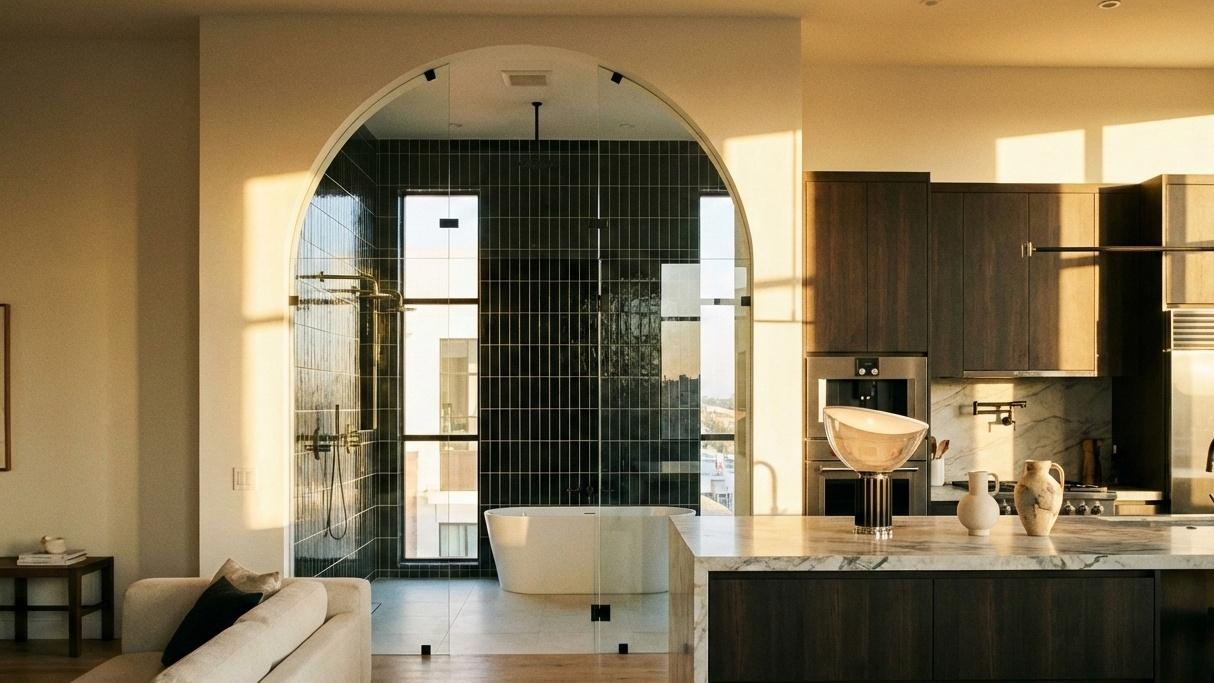
Why Vertical Layouts Transform Interior Spaces
Vertical subway tile installation fundamentally changes how rooms feel and function. The orientation redirects the eye upward rather than horizontally across walls. This creates an illusion of taller ceilings, particularly valuable in spaces with standard eight-foot heights. Interior designers frequently specify this pattern for contemporary bathroom projects where spatial perception matters most.
Beyond visual tricks, vertical arrangements offer distinct practical advantages. The pattern naturally guides attention toward architectural features like crown molding or statement lighting fixtures. For kitchen backsplash applications, vertical lines complement tall cabinetry and reduce visual clutter from busy countertops below. The orientation also minimizes grout line accumulation in horizontal channels where moisture and debris typically collect.
Key Advantages of Vertical Orientation:
- Creates immediate perception of increased ceiling height in any room
- Introduces contemporary aesthetic that distinguishes spaces from conventional designs
- Directs visual focus toward upper architectural elements and decorative features
- Complements vertical cabinet lines in kitchen environments seamlessly
- Reduces maintenance concerns associated with horizontal grout channel buildup
- Provides versatile backdrop that accommodates various decorating styles effortlessly
Professional installers note that vertical patterns can also disguise minor wall imperfections more effectively. The strong directional lines draw attention away from subtle surface irregularities. This makes the layout particularly suitable for older homes undergoing renovation where wall surfaces may have settled over time.
Design Applications Across Colors and Materials
Material selection dramatically impacts how vertical subway tile layouts perform in different environments. Each surface finish and color choice creates distinct visual effects when oriented vertically. Understanding these combinations helps homeowners make informed decisions that align with both aesthetic preferences and practical requirements for specific rooms.
Classic White Subway Tiles for Timeless Appeal
White subway tiles in vertical formation deliver clean, sophisticated ambiance perfect for Scandinavian or minimalist interiors. The bright surface reflects natural light upward, amplifying the height-enhancing effect of vertical orientation. This combination works exceptionally well in bathrooms where crisp, hygienic appearance remains paramount. Pair with black or brass fixtures to create high-contrast focal points.
Bold Black Subway Tiles for Dramatic Statements
Black subway tiles arranged vertically produce striking, gallery-like walls that anchor contemporary kitchens and bathrooms. The dark surface intensifies the directional impact of vertical lines. Consider matte porcelain finishes to avoid excessive reflection while maintaining depth. This approach suits spaces with abundant natural light that can balance the darker palette without creating cave-like atmosphere.
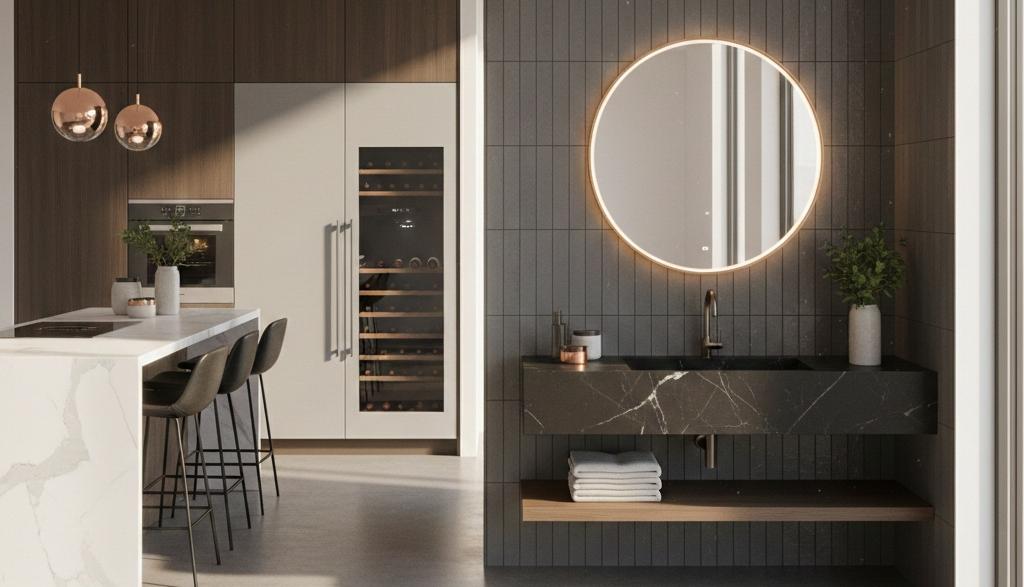
Versatile Grey Subway Tiles for Balanced Sophistication
Grey subway tiles offer middle-ground versatility that complements both warm and cool color schemes. Vertical installation in greige or charcoal tones creates understated elegance without overwhelming smaller spaces. This neutral approach allows bold countertop materials or colorful accessories to command attention. Grey works particularly well in transitional designs bridging traditional and contemporary elements.
Coastal Blue Subway Tiles for Serene Environments
Blue subway tiles in vertical patterns evoke coastal tranquility perfect for bathroom retreats. Lighter aqua shades enhance the airy feeling created by upward-drawing lines. Deeper navy tones add richness while maintaining the calming water-inspired aesthetic. Vertical blue installations pair beautifully with natural wood vanities and brass hardware for spa-inspired bathroom designs.
Refreshing Green Subway Tiles for Organic Warmth
Green subway tiles in vertical orientation connect interiors with nature-inspired design trends. Sage and olive tones create soothing, organic ambiance increasingly popular in modern kitchens. The vertical lines emphasize the natural growth associations inherent in green hues. This combination works especially well in homes featuring extensive houseplant collections or views of outdoor gardens.
Luxurious Marble Subway Tiles for Upscale Elegance
Marble subway tiles deliver unmatched luxury when installed vertically. The natural veining creates dynamic visual movement that complements the directional flow of vertical orientation. Consider Carrara or Calacatta varieties for classic appeal. The natural stone composition requires appropriate sealing but rewards owners with distinctive, unrepeatable patterns unique to each installation.
Durable Porcelain Subway Tiles for High-Performance Areas
Porcelain subway tiles offer superior durability and moisture resistance ideal for vertical kitchen backsplash installations. The material withstands temperature fluctuations and heavy cleaning better than natural alternatives. Modern manufacturing produces porcelain that convincingly mimics marble, concrete, or ceramic textures while delivering enhanced performance. Explore options at specialized tile retailers offering extensive porcelain collections.
Traditional Ceramic Subway Tiles for Budget-Friendly Projects
Ceramic subway tiles provide cost-effective solutions without sacrificing visual impact in vertical layouts. The material offers excellent color consistency and ease of installation. While less dense than porcelain, ceramic performs admirably in residential wall applications. This makes it accessible for homeowners managing renovation budgets while pursuing contemporary design aesthetics.
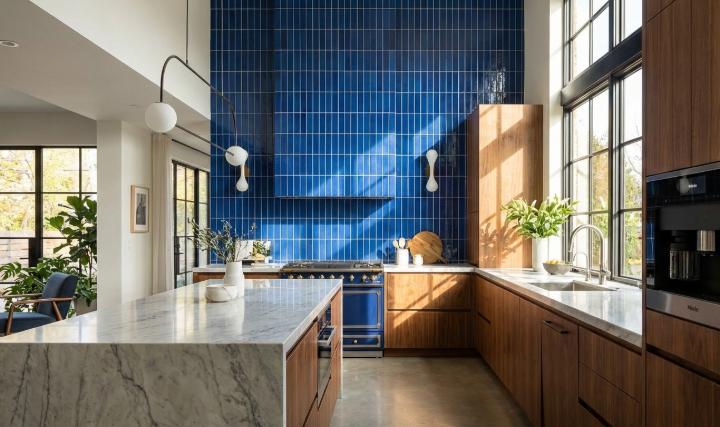
Glossy Subway Tiles for Light-Reflecting Brilliance
Glossy subway tiles maximize light reflection when arranged vertically, brightening spaces dramatically. The shiny surface creates almost mirror-like quality that amplifies both natural and artificial illumination. This finish works best in windowless bathrooms or narrow kitchens needing luminosity enhancement. Consider 3D decorative options that add dimensional interest to glossy installations.
Matte Subway Tiles for Contemporary Sophistication
Matte subway tiles deliver refined, contemporary aesthetic increasingly favored in high-end residential projects. The non-reflective surface creates subtle depth that emphasizes texture over shine. Vertical matte installations hide water spots and fingerprints more effectively than glossy alternatives. This practical advantage combined with modern appeal makes matte finishes popular for both kitchen and bathroom vertical applications.
Material Comparison for Vertical Installations
Material Type | Durability Rating | Maintenance Level | Best Application |
Porcelain | Excellent (High Impact) | Low | Kitchen Backsplash |
Ceramic | Good (Moderate Use) | Low to Medium | Bathroom Walls |
Marble | Fair (Requires Care) | High | Accent Walls |
Glossy Finish | Good (Shows Wear) | High (Water Spots) | Feature Areas |
Matte Finish | Excellent (Hides Wear) | Low | High-Traffic Spaces |
Vertical Layout: Advantages and Considerations
Advantages
- Enhances perceived ceiling height significantly
- Creates modern, distinctive aesthetic appeal
- Reduces horizontal grout line maintenance
- Complements tall architectural elements naturally
- Offers flexibility across design styles
Considerations
- Requires precise measurement and planning
- May increase material waste with cuts
- Installation time slightly longer than horizontal
- Less familiar to some contractors
- Limited historical design references available
Planning Your Vertical Tile Project: 5 Essential Steps
- Measure and Calculate Materials: Determine exact wall dimensions and calculate tile quantities accounting for 10-15% overage. Vertical layouts may require additional planning for top and bottom termination points. Use professional layout techniques to minimize cuts.
- Select Appropriate Materials: Choose tile type based on installation location, moisture exposure, and traffic levels. Review available product lines comparing durability ratings and maintenance requirements for your specific application.
- Consult Professional Installers: Interview certified tile contractors experienced with vertical patterns. Discuss layout preferences, grout color selection, and realistic timeline expectations. Request references from previous vertical installation projects.
- Prepare Surface Properly: Ensure walls are level, clean, and structurally sound before installation begins. Address any moisture issues or underlying damage that could compromise tile adhesion. Proper substrate preparation prevents future problems with vertical installations.
- Review Final Layout Before Installation: Conduct dry-fit mockup to confirm pattern alignment and aesthetic satisfaction. Make any necessary adjustments to starting points or tile orientation. This preview prevents costly corrections after adhesive application.
Finding Quality Subway Tile for Your Vertical Installations
Sourcing appropriate materials determines project success as much as installation expertise. Specialized tile suppliers offer curated collections specifically suited for contemporary vertical applications. Look for retailers providing comprehensive material specifications including water absorption rates, hardness ratings, and recommended installation environments.
Quality suppliers distinguish themselves through customer support services that extend beyond product sales. Complimentary design consultations help homeowners visualize how different tile colors and finishes will perform in specific spaces. Sample programs allow hands-on evaluation of texture and color accuracy before committing to full orders. This reduces uncertainty inherent in selecting materials from digital images alone.
Consider retailers offering diverse inventory across multiple price points and style categories. Comprehensive selections enable comparison shopping within single locations rather than visiting numerous suppliers. Browse extensive options through organized online catalogs filtered by color, size, or material type. Many suppliers also maintain physical showrooms where lighting conditions better replicate actual installation environments.
Shipping logistics significantly impact project timelines and budgets. Prioritize suppliers offering transparent delivery estimates and protective packaging preventing transit damage. Some retailers provide free shipping thresholds making larger orders more economical. For local projects, investigate nearby showroom locations enabling same-day pickup and immediate project commencement.
Technical guidance proves invaluable when planning vertical installations. Seek suppliers whose staff understand industry installation standards and can recommend appropriate adhesives, grout types, and sealing products. This expertise helps prevent common mistakes that compromise installation longevity. Many retailers maintain relationships with trusted installation professionals available for customer referrals.
Explore specialty options like terrazzo-look tiles that add unexpected visual interest to vertical patterns. These contemporary interpretations of classic styles bridge traditional and modern design sensibilities. Shopping resources organized by color, size, or stylestreamline decision-making when comparing numerous options.
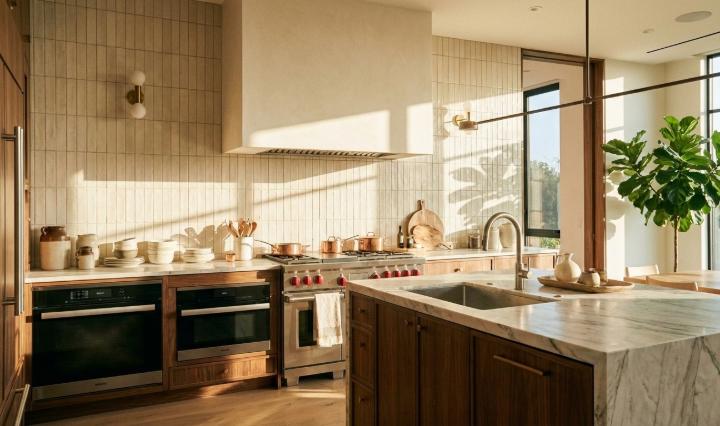
Conclusion
Vertical subway tiles represent more than passing design trend. They offer tangible spatial benefits while delivering fresh aesthetic that distinguishes interiors from conventional installations. The orientation amplifies perceived height, creates contemporary sophistication, and provides practical maintenance advantages. Whether selecting classic white ceramics or luxurious marble varieties, vertical layouts adapt beautifully to diverse style preferences.
Success depends on thoughtful material selection, proper surface preparation, and skilled installation execution. Working with knowledgeable suppliers and experienced contractors ensures projects meet quality expectations and timeline requirements. The investment in vertical orientation delivers lasting value through distinctive visual impact and enhanced spatial perception.
Ready to explore vertical subway tile possibilities for your renovation project? Connect with tile specialists who can guide material selection and provide samples for in-home evaluation. Transform ordinary walls into architectural features that elevate your entire living environment.
Frequently Asked Questions
Does vertical orientation work in small bathrooms?
Yes, vertical layouts excel in compact bathrooms by creating illusion of taller ceilings. The upward visual movement makes cramped spaces feel more open and airy. Pair with light-colored tiles and minimal grout contrast to maximize height-enhancing effects.
What grout color works best with vertical patterns?
Matching grout color to tile minimizes visual interruption and emphasizes the clean vertical lines. For dramatic contrast, select grout several shades darker than tile color. This choice highlights the pattern geometry and creates bold graphic impact.
Are vertical installations more expensive than horizontal?
Installation costs typically remain comparable as labor requirements stay similar. However, vertical layouts may generate slightly more material waste depending on wall height and tile dimensions. Overall project costs depend more on tile quality and total square footage.
Can I mix vertical and horizontal tile patterns?
Yes, combining orientations creates dynamic visual interest and defines separate zones within open spaces. Consider vertical backsplash behind stove with horizontal pattern elsewhere in kitchen. Ensure transition points align with natural architectural breaks for cohesive appearance.
Which tile sizes work best for vertical layouts?
Traditional 3x6 inch dimensions remain popular for vertical installations, offering balanced proportions. Larger formats like 4x12 or 3x12 inches create more dramatic vertical emphasis with fewer grout lines. Select size based on wall height and desired visual impact.