Subway tiles are rectangular ceramic or porcelain tiles measuring 3x6 inches that originated in New York City subway stations in the early 1900s. These versatile tiles work in kitchens, bathrooms, living rooms, and entryways, available in ceramic (more affordable, easier to install) and porcelain (more durable, water-resistant) materials.
Key subway tile benefits include:
- Easy maintenance - Non-porous surfaces resist stains and clean easily
- Versatile design - Works with traditional, modern, and contemporary styles
- Multiple finishes - Glossy reflects light for brightness, matte provides slip resistance
- Layout flexibility - Install in herringbone, running bond, stack bond, or diagonal patterns
- Cost-effective - Affordable option that adds long-term value to homes
Popular subway tile sizes:
- 3x6 inches (classic traditional size)
- 2x8 inches (elongated modern format)
- 4x8 inches (larger contemporary option)
- 3x9 inches (Mediterranean-inspired style)
Subway tiles have established themselves as a foundation of interior design, delivering an exceptional combination of enduring style and contemporary adaptability. Our simple rectangular shape, crisp edges, and flexibility make them a superior choice for kitchens, bathrooms, and numerous other applications. Whether positioned in a traditional brick layout or an eye-catching herringbone design, subway tiles introduce dimension, personality, and sophistication to every space.
Brief History of Subway Tiles
Subway tiles originated in the early 1900s when architects George C. Heins and Christopher Grant La Farge developed them for the walls of New York City's subway stations. Created for both strength and cleanliness, these tiles showcased a smooth, lustrous surface that bounced light, making underground stations appear brighter and more welcoming. Our non-porous finish also simplified cleaning, which was essential for maintaining a hygienic public transportation system.
Beyond practical advantages, subway tiles rapidly earned appreciation for visual appeal. Our clean, rectangular form matched the developing Art Deco and early modernist movements, making them appear in public buildings, hospitals, and eventually, residential homes. Over decades, they became associated with cleanliness and refinement, shaping mid-century modern interiors.
As design trends transformed, subway tiles grew beyond utilitarian origins. The classic white, glossy tiles stayed popular, but designers started experimenting with new colors, finishes, and arrangements. For instance, matte, textured, and handcrafted variations appeared, expanding our versatility. Today, subway tiles remain a design staple, effortlessly combining nostalgia with modern innovation. Whether applied in traditional spaces or contemporary interiors, our lasting appeal and adaptability keep them relevant across generations.
Design Principles with Subway Tiles
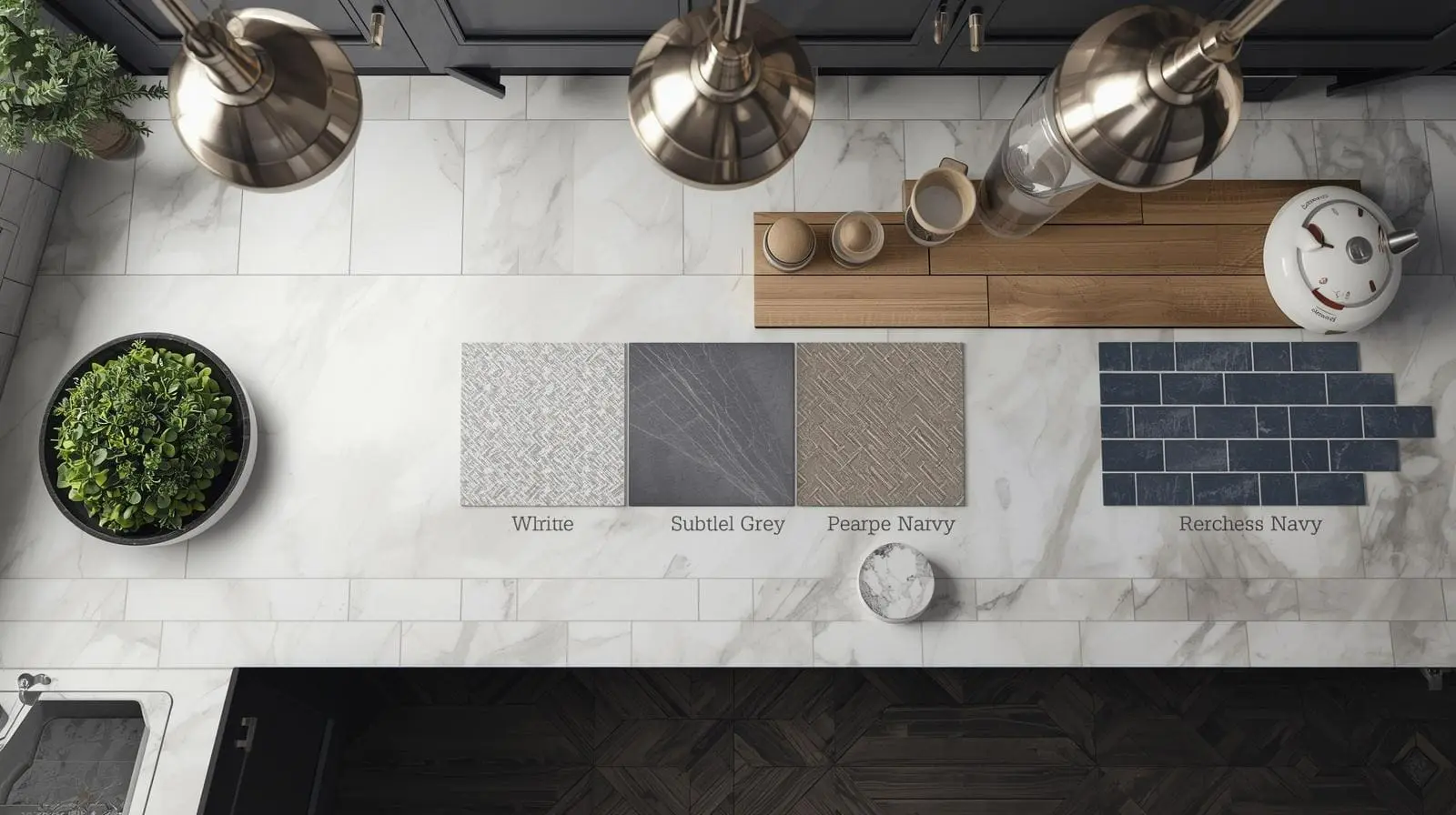
Subway tiles provide a flexible range of design opportunities through varied colors, finishes, and layout patterns. From classic whites to bold hues and different patterns like herringbone and stack bond, these tiles can significantly influence the atmosphere and style of any space with proper installation guidance from a non-profit organization like the Ceramic Tile Foundation.
Color Choices
The color of subway tiles serves a crucial role in establishing a room's character. Classic white stays a favorite for its timeless elegance and capacity to brighten and visually expand smaller spaces, effortlessly fitting both traditional and modern designs. Alternatively, darker tones, like black, create striking contrast and sophistication, perfect for making a bold statement in kitchens or bathrooms. Gentle pastels, such as mint green and blush pink, establish a soothing ambiance, making them ideal for bathrooms and bedrooms. For a more dynamic touch, bold shades like cobalt blue and emerald green bring personality and energy, transforming accent walls or feature areas into standout elements.
Deep blue tones offer a perfect balance between boldness and versatility. These rich, muted blues complement both modern and rustic interiors, adding depth without overwhelming the space. Whether used as a backsplash in a kitchen or as an accent in a bathroom, matte finishes enhance the design with refined yet understated elegance. Browse our complete shop by color selection to find your perfect shade.
Finish Choices
Different finishes enhance both the style and functionality of subway tiles. Glossy finishes bounce light, brightening rooms and creating a clean, polished appearance, particularly in small or dim spaces like hallways or kitchens. They also resist fingerprints and smudges, making maintenance easier. Matte finishes, conversely, provide a soft, subdued aesthetic by absorbing light, making them ideal for contemporary spaces and high-traffic areas where durability and low maintenance matter. Matte subway tiles also provide superior slip resistance, making them perfect for bathrooms and wet areas. Meanwhile, textured finishes add dimension and visual interest, often used for feature walls and backsplashes to create a more dynamic effect.
Tile Layout Patterns
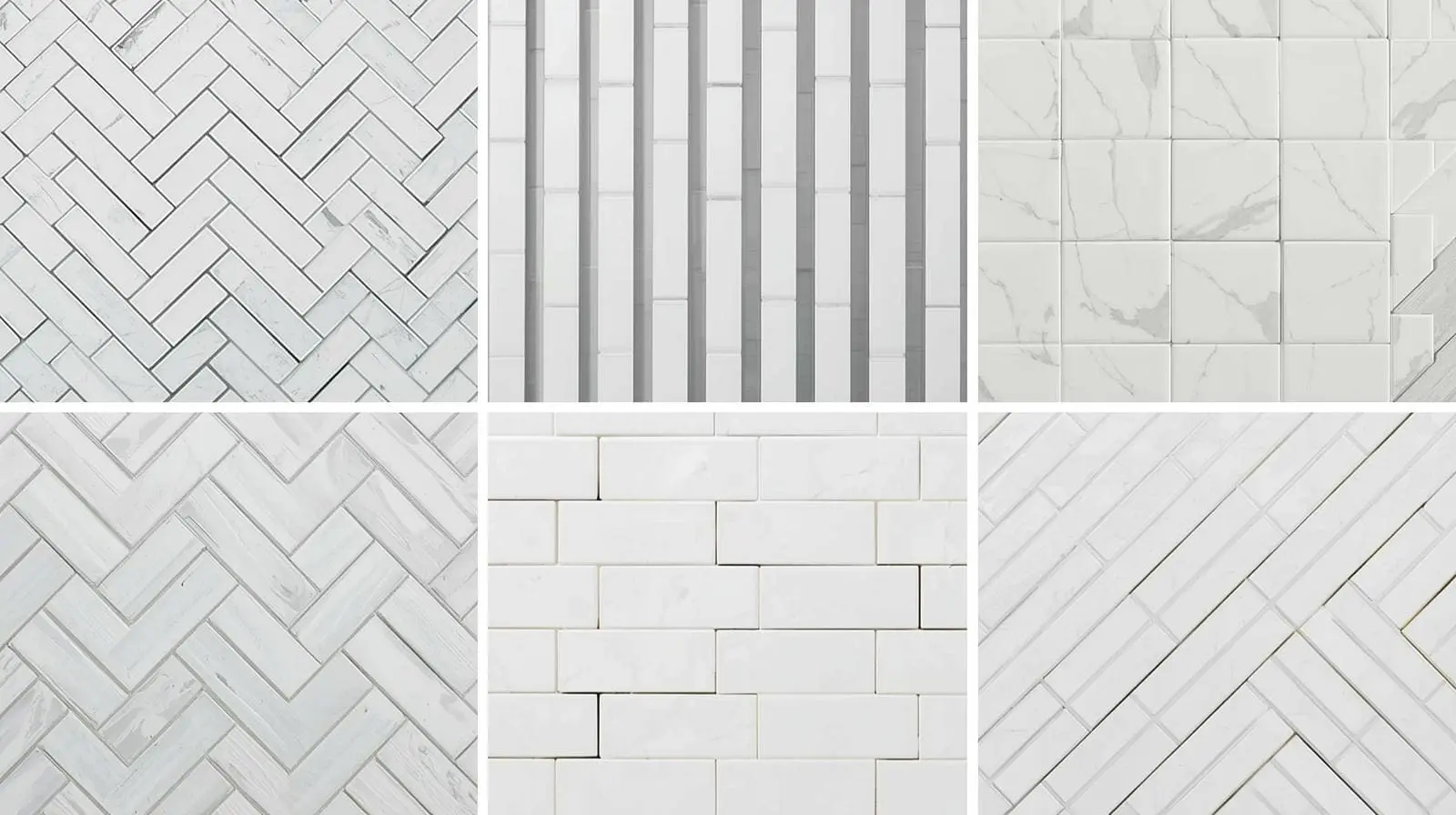
The layout of subway tiles serves a crucial role in shaping a space's visual appeal, providing creative ways to experiment with geometry and style. Below are some popular patterns and tips for choosing the right one.
Herringbone
This classic pattern arranges tiles in a zigzag formation, adding movement and texture to a space. The herringbone layout works well for accent walls and backsplashes, drawing attention with its dynamic effect. It also creates depth and dimension, making it an excellent choice for smaller rooms where visual interest is needed.
Stack Bond (Vertical Stacking)
In a stack bond pattern, subway tiles are aligned in a precise grid with perfectly straight horizontal and vertical edges. This clean, uniform appearance enhances the tile's shape and suits modern or minimalist designs. Its simplicity keeps spaces looking sleek and uncluttered, making it an excellent choice for contemporary interiors.
Running Bond (Traditional Brick Pattern)
The classic running bond pattern offsets each row by half a tile length, creating the traditional brick appearance. This timeless layout works beautifully in both traditional and modern settings, providing a balanced, familiar look that never goes out of style.
Diagonal
Placing subway tiles at a 45-degree angle forms a diagonal pattern that adds energy and a sense of spaciousness to a room. This layout works especially well in small bathroom updates or narrow kitchens, where it can create the illusion of more space while offering a fresh take on traditional designs.
When selecting a pattern, consider the room's size and design theme. In smaller spaces, layouts like herringbone or stack bond prevent the design from feeling overwhelming, while larger areas can accommodate more intricate patterns like diagonal or custom designs. Mixing patterns can also add character, but maintaining cohesion is key to a balanced look.
Subway Tiles in Different Spaces
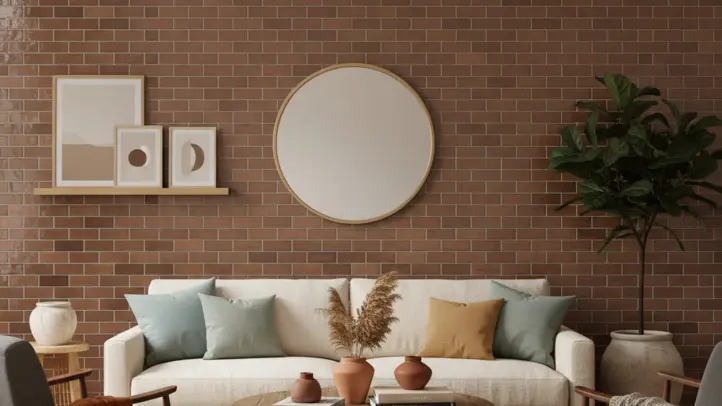
Subway tiles are incredibly versatile and can enhance various areas of your home, from kitchens to entryways. Our adaptability allows them to be used creatively in different applications, each providing its own set of benefits and design possibilities.
Kitchens
Ceramic and porcelain subway tiles are a cornerstone in kitchen design, providing both durability and timeless appeal. They are especially popular for backsplashes, where our smooth surface makes cleaning up cooking splatters effortless. Our versatility also allows for a wide range of styles, from classic white to bold colors and textured finishes.
Beyond aesthetics, the practical aspects of subway tiles make them a preferred choice for kitchens. Our easy-to-clean surface ensures low maintenance, while our resistance to moisture and stains makes them ideal for high-use areas. Grout selection also serves a significant role in kitchen design, allowing for customization through contrasting or color-matched options. The choice of layout pattern further enhances the design, with classic running bond, herringbone, or vertical arrangements influencing the overall visual appeal.
For a refined yet inviting kitchen, consider our Lucida 3x9 glossy ceramic subway tiles or Montera 2.5x9 glossy porcelain subway tiles from our products we carry collection. These options feature premium finishes that blend effortlessly with warm wood cabinetry and light countertops, creating an airy and elegant backdrop. The glossy finish enhances brightness, adding depth and dimension while maintaining a clean, sophisticated look. Whether used as a full backsplash or an accent, these tiles bring warmth and balance to a kitchen space, elevating both functionality and style.
Beyond backsplashes, porcelain subway tiles are also a durable choice for countertops and islands, seamlessly extending the backsplash or adding texture and color to the space. For comprehensive kitchen renovation projects, opting for high-quality subway tiles ensures they withstand daily wear while maintaining a cohesive kitchen design. This balance of practicality and aesthetic versatility makes subway tiles an enduring favorite for kitchen applications.
Bathrooms
Porcelain and ceramic subway tiles are practical and stylish choices for bathrooms, providing both durability and water resistance. Our sleek, non-porous surface helps maintain a clean environment while preventing mold and mildew buildup, making them ideal for shower walls and other moisture-prone areas.
With a wide range of colors, finishes, and patterns available in our collection, subway tiles can complement any design, from classic white for a bright, timeless look to bold or textured styles for added visual interest. Our smooth surface also makes cleaning effortless, while proper grout sealing ensures long-term moisture protection.
For shower floors and wet areas, consider our matte finish subway tiles which provide superior slip resistance compared to glossy alternatives. Our 3x6 inch classic size works beautifully for traditional looks, while 4x8 inch formats create fewer grout lines in larger master bathrooms. For modern designs, consider our 2x8 inch elongated tiles that emphasize horizontal lines. For unique design elements, explore our Odyssey hexagon options that complement subway tiles beautifully. Explore flooring choices for your home to understand all your options.
Living Rooms and Entryways
Subway tiles can add texture and visual interest to living rooms and entryways, enhancing both walls and flooring. In living rooms, they create striking feature walls behind fireplaces or media centers, with different finishes influencing the ambiance. Glossy subway tiles brighten the space, while matte or textured options add warmth and depth.
In entryways, porcelain subway tiles with a matte finish are a practical choice due to our durability and low maintenance. They resist stains and simplify cleaning, making them ideal for busy areas. Tile color and pattern selection also impact the overall feel. Lighter subway tiles can make smaller entryways feel more open, while darker shades add sophistication while masking dirt and scuffs.
To explore how subway tiles can transform your space, visit one of our local showrooms in Nevada or California, or use our $1 sample program to see exactly how our products will look in your home. Our 4x4 samples are cut to order so you know what your product will actually look like before committing to your project.
Material Options: Ceramic vs Porcelain
Understanding the differences between ceramic and porcelain subway tiles helps you make the best choice for your specific needs and budget.
Ceramic Subway Tiles
Ceramic subway tiles offer remarkable adaptability across design applications with an extensive selection of colors, configurations, dimensions, and surface treatments. Our ceramic options provide excellent value while delivering the classic subway tile aesthetic you love. Benefits include:
- Affordability: More budget-friendly option for larger projects
- Easy Installation: Softer composition allows for easier cutting and shaping
- Design Flexibility: Available in numerous colors and finishes
- Interior Applications: Perfect for walls, backsplashes, and decorative applications
When selecting ceramic options, explore our shop by type to find the perfect match for your project.
Porcelain Subway Tiles
Porcelain subway tiles provide superior strength and versatility, making them suitable for both residential and commercial applications. Advanced production methods enable porcelain to authentically replicate natural materials including stone, wood, marble, and concrete. Benefits include:
- Superior Durability: Exceptional strength for high-traffic areas
- Water Resistance: Minimal water absorption makes them ideal for wet areas
- Versatile Applications: Suitable for both floors and walls
- Premium Performance: Long-lasting beauty and functionality
Consider our Montera collection, which features premium color body porcelain for depth of color and strength, available in both matte anti-slip and glossy options for walls and floors. For specialty applications, our Mozart elongated hexagon tiles and Mozart hexagon tiles offer unique geometric alternatives to traditional rectangular formats. For premium applications, our Mozart marble-look porcelain tiles offer exceptional beauty and durability.
Current Trends and Innovations
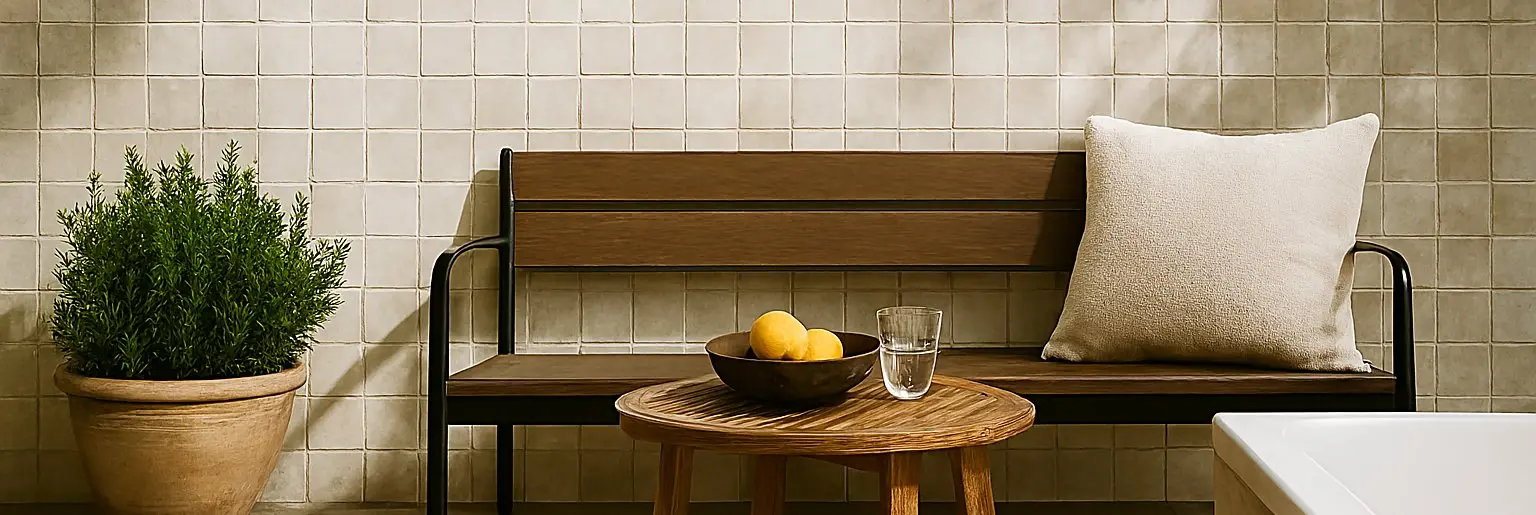
The world of subway tiles continues evolving, reflecting shifts in design preferences and technological advancements. At Nova Tile And Stone, we stay current with the latest trends to bring you the most sought-after styles.
Popular Finishes
Glossy Finishes remain popular for our ability to reflect light and create brighter, more spacious-feeling rooms. They're particularly effective in smaller spaces and are easiest to clean, making them ideal for backsplashes and wall applications.
Matte Finishes are gaining popularity for our contemporary, understated look with reduced glare. They provide superior slip resistance and excel at concealing dirt, scratches, and wear while offering sophisticated elegance. Our matte options are perfect for creating spa-like atmospheres in bathrooms. Design professionals at Style by Emily Henderson frequently recommend matte finishes for modern applications.
Size Variations
While the classic 3x6 inch subway tile remains timeless, we're seeing increased interest in various types of tiles and sizing options:
- 2x8 inch elongated tiles for modern, horizontal-emphasis designs
- 4x8 inch larger formats for fewer grout lines and contemporary looks
- 3x9 inch options like our Lucida collection for Mediterranean-inspired styles
Browse our shop by size selection to explore all available dimensions.
Color Trends
Classic white subway tiles continue as a favorite, but bolder choices are emerging:
- Deep blues and greens for sophisticated accent walls
- Soft pastels for calming, spa-like environments
- Dramatic blacks for high-contrast, modern statements
- Neutral tones that complement natural materials
For comprehensive design inspiration, platforms like Houzz showcase current subway tile applications in real homes.
Design Resources and Getting Started
Ready to begin your subway tile project? Nova Tile And Stone makes it easy to find the perfect tiles for your vision.
Our Sample Program
Take advantage of our industry-leading $1 sample program. Our 4x4 samples are cut to order from the actual product, ensuring you see exactly what your finished project will look like. This eliminates guesswork and ensures complete satisfaction with your selection.
Free Design Consultations
Our design experts are ready to help you create the home of your dreams. With over 50,000+ tile designs in our collection, we'll help you find the perfect subway tiles for your specific project and style preferences.
Convenient Locations and Services
Visit our showrooms in Northern Nevada (3 locations) and Northern California (1 location) to see our extensive collections in person. Can't make it to a showroom? We offer home delivery throughout our service areas, making it easy to get the materials you need. Our shop by style collection helps you find tiles that match your aesthetic preferences.
Trade Professional Program
Industry professionals can apply for our Trade Program to access free samples, custom pricing, and expert service tailored specifically for contractors, designers, and other trade professionals. Professional installations should follow ceramic tile standard guidelines for optimal results. To complete installations properly, consider our Mozart bullnose tiles for finished edges and transitions.
Designing with Subway Tiles
Subway tiles combine timeless elegance with exceptional versatility, making them a staple in interior design. Available in our extensive range of colors, finishes, materials, and sizes, they can be used for backsplashes, shower surrounds, feature walls, and flooring applications. Our clean, classic look complements both traditional and modern interiors while offering durability and easy maintenance.
Whether you're planning a kitchen renovation, bathroom update, or accent wall installation, subway tiles provide the perfect foundation for your design vision. By understanding the differences between ceramic and porcelain options, selecting appropriate finishes for your specific needs, and choosing layout patterns that enhance your space, you can create stunning, functional areas that will remain beautiful for years to come.
The key to subway tile success lies in careful material selection, proper planning, and working with quality products from trusted suppliers. At Nova Tile And Stone, we're committed to helping you achieve exceptional results with our extensive collection, expert guidance, and convenient services.
Conclusion
Subway tiles represent the perfect intersection of timeless design and modern functionality, making them an invaluable asset for any home renovation or design project. From our humble beginnings in New York City's subway stations to becoming a cornerstone of contemporary interior design, these versatile tiles have proven our enduring appeal across multiple generations and design movements.
At Nova Tile And Stone, we understand that choosing the right subway tiles involves more than just selecting a beautiful product, it requires understanding how different materials, finishes, and layouts will perform in your specific space. Whether you're drawn to the affordability and ease of installation that ceramic subway tiles provide, or you need the superior durability and water resistance of porcelain options, our extensive collection offers solutions for every project and budget.
The beauty of subway tiles lies in our adaptability. A classic white glossy finish can create a bright, clean backdrop for a traditional kitchen, while the same tile in a matte finish can establish a contemporary, spa-like atmosphere in a modern bathroom. Our herringbone patterns add dynamic visual interest to feature walls, while running bond layouts provide timeless elegance that never goes out of style.
Most importantly, subway tiles offer the confidence that comes with choosing a proven design element. Unlike trendy options that may feel dated in a few years, subway tiles have maintained our relevance for over a century. This makes them not just a safe choice, but a smart investment in your home's long-term value and appeal.
Ready to experience the transformative power of subway tiles in your own space? Our team at Nova Tile And Stone is here to guide you through every step of the process, from initial design concepts to final product selection. With our industry-leading sample program, expert design consultations, and convenient showroom locations, we make it easy to bring your vision to life with confidence and style.
Frequently Asked Questions
What's the difference between ceramic and porcelain subway tiles?
Ceramic subway tiles are more affordable and easier to work with during installation due to our softer composition, making them perfect for DIY projects and interior wall applications. Porcelain subway tiles offer superior durability and water resistance, making them ideal for high-traffic areas, floors, and wet locations like shower surrounds. Porcelain tiles also have minimal water absorption and can authentically replicate natural materials like stone and marble. At Nova Tiles & Stone, we carry both options, including our Lucida ceramic collection and Montera porcelain collection, so you can choose based on your specific needs and budget.
Which finish should I choose: matte or glossy?
The choice between matte and glossy finishes depends on your priorities and the room's function. Glossy finishes reflect light, making spaces appear brighter and larger while being easiest to clean, perfect for backsplashes and smaller rooms. Matte finishes provide superior slip resistance, making them ideal for bathroom floors and shower areas, plus they hide water spots and scratches better while creating a contemporary, sophisticated look. For kitchens, glossy works well for backsplashes, while matte is better for floors. In bathrooms, consider matte for floors and shower floors, with glossy for walls to maximize light reflection.
What size subway tile should I choose for my project?
The classic 3x6 inch subway tile works beautifully for traditional looks and fits any room size. For larger spaces like master bathrooms, consider 4x8 inch tiles to create fewer grout lines and a more contemporary appearance. If you want to emphasize horizontal lines in modern designs, our 2x8 inch elongated tiles are perfect. For Mediterranean or European-inspired styles, try our Lucida 3x9 inch collection. Smaller rooms benefit from classic 3x6 sizes, while larger areas can accommodate bigger formats. Visit our showrooms or order $1 samples to see how different sizes look in your actual space.
Can I use subway tiles on floors, or are they just for walls?
Subway tiles can definitely be used for flooring, especially porcelain options that offer superior durability and strength. For floors, we recommend porcelain subway tiles with matte finishes for better slip resistance, particularly in bathrooms and entryways. Our Montera collection features premium color body porcelain available in both matte anti-slip and glossy options suitable for both walls and floors. Ceramic subway tiles are typically better suited for walls and backsplashes, while porcelain handles foot traffic beautifully. Consider the room's traffic level and moisture exposure when selecting materials and finishes for floor applications. For high-durability applications, our Odyssey square porcelain tiles offer exceptional strength.
How do I know which subway tiles will look best in my space?
The best way to ensure you love your subway tile selection is to see them in your actual environment. Our $1 sample program provides 4x4 samples cut to order from the actual product, so you can see exactly how the color, finish, and texture will look under your specific lighting conditions. Test samples on your walls at different times of day to see how natural and artificial light affects the appearance. Additionally, schedule a free design consultation with our experts who can help you consider factors like room size, existing décor, maintenance requirements, and your personal style preferences. Visit our Nova Tile & Stone showrooms to see our full collections and get hands-on experience with different options.