Subway tiles are 3x6-inch rectangular ceramic or porcelain tiles originally designed in 1904 for the New York City Subway system by George C. Heins and Christopher Grant LaFarge. These tiles remain one of the most popular choices for kitchen backsplashes, bathroom walls, shower surrounds, and flooring in 2025 due to their durability, easy maintenance, and timeless aesthetic appeal.
The defining feature of subway tiles is their 1:2 dimensional ratio and traditional running bond installation pattern with a 50% offset, though modern applications include straight stack and herringbone layouts. Originally created as practical, waterproof wall coverings for high-traffic industrial spaces, subway tiles have evolved into versatile design elements suitable for residential and commercial interiors.
Homeowners and designers choose subway tiles for multiple applications: kitchen backsplashes that resist grease and splatter, bathroom floors with heated tile compatibility, entryway flooring in pet-friendly homes, and shower walls requiring moisture resistance. Available in sizes ranging from 2x4 inches to 6x12 inches, subway tiles accommodate both small intricate spaces and large open areas while maintaining their characteristic proportions and clean aesthetic. If you're looking to explore options across different dimensions, browse our shop tiles by size collection to find the perfect fit for your project.
Understanding Subway Tile: Its History and Definition
The traditional subway tile featured a straightforward 3x6-inch white glazed ceramic design installed in an offset running-bond arrangement, which still represents the most widespread installation method for subway tiles today. This style traces back to 1904 when designers George C. Heins and Christopher Grant LaFarge created it for the New York City Subway system's walls.
Practical needs drove this functional design. The New York City Transit Authority's rapid expansion required a resilient, low-maintenance material suitable for busy public spaces. During that era, ceramic floor tiles surpassed more conventional materials like stone and wood, which struggled with moisture damage, bacterial growth, and cleaning challenges. These tiles also met rigorous ANSI standards for ceramic tile, ensuring quality and performance that lasted decades.
The practical efficiency of subway tile installation made it revolutionary. Their consistent dimensions and design allowed for economical and simplified coverage of entire walls or floors. Additionally, their easy-clean properties and compatibility with various architectural styles while maintaining a crisp, refined look established subway tiles as an enduring design selection.
Contemporary design still embraces the running bond pattern of subway tiles as a fundamental element. Though less frequently applied to flooring than historically, porcelain has become the material of choice for floor applications due to its enhanced durability versus ceramic. Understanding the differences between these materials is crucial, learn more about porcelain vs non-porcelain distinctions to make an informed decision.
The traditional one-over-two arrangement, featuring its 50% staggered offset configuration, consistently demonstrates subway tiles' lasting appeal and adaptability. This pattern appears regularly in commercial kitchen and bathroom design resources or commercial guides for designers pursuing both functionality and visual appeal.
Applications for Subway Tiles
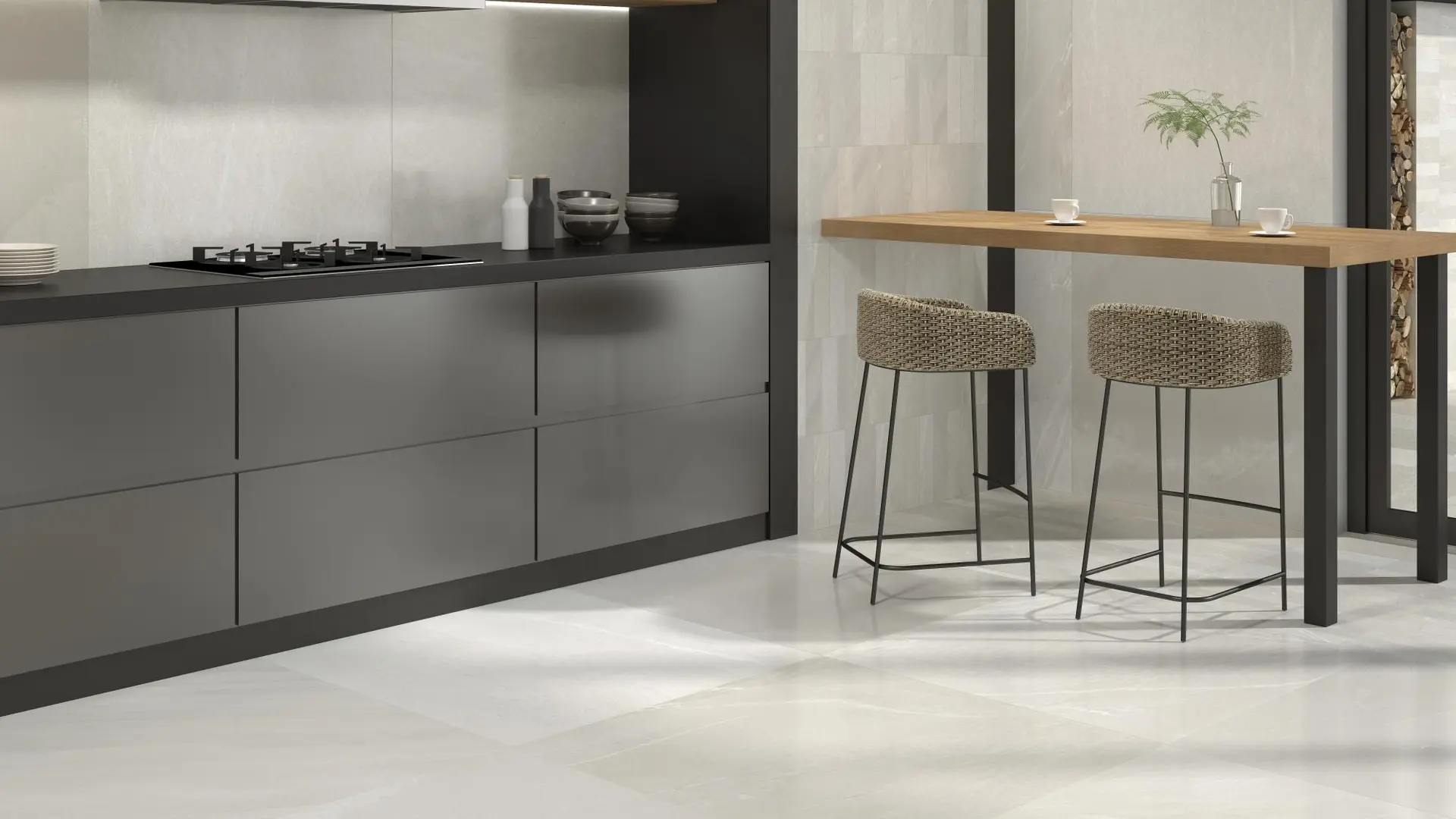
Kitchen Backsplashes and Flooring
For those asking, "What defines a subway tile backsplash?" here's your answer! A kitchen backsplash serves as a vertical surface mounted behind the countertop, usually running from the counter up to where wall cabinets begin.
Subway backsplash tiles, whether crafted from ceramic, porcelain, or marble, offer simple maintenance. This quality proves especially valuable for kitchen backsplashes, which regularly encounter splashes, oil residue, and various cooking-related debris. When selecting materials, it helps to understand ceramic vs porcelain tile characteristics to choose what's best for your specific application.
Kitchen Floor Surfaces
Subway tiles extend beyond backsplash applications. They've become a favored option for kitchen flooring. When considering kitchen floor tile ideas, explore the resilience and aesthetic value of subway tile flooring. When choosing between ceramic and porcelain floor tiles, evaluate the stress and usage kitchen floors endure. Porcelain flooring earns our recommendation for busy areas as it provides the best material for floor tiles.
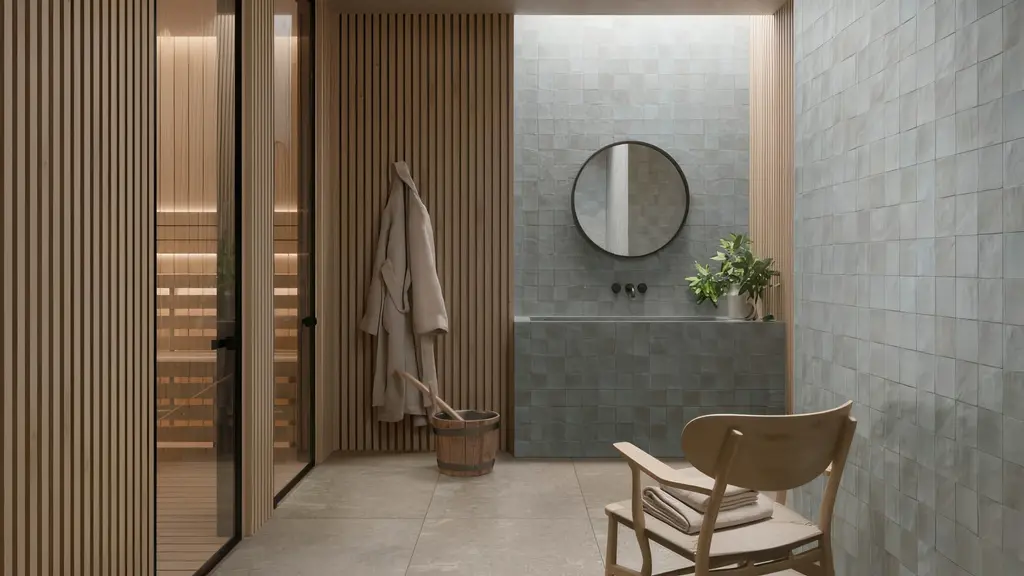
Bathroom Flooring and Shower Areas
Explore the lasting sophistication of subway tile ideas for bathroom spaces. Recognized for their strength and simple upkeep, these tiles deliver a functional and refined solution that works with nearly any design aesthetic. For design inspiration, check out today's bathroom tile trends to see how subway tiles are being used in contemporary spaces.
For homeowners considering heated tile flooring options, porcelain subway floor tiles make an outstanding selection because they hold heat effectively and introduce a premium element to bathrooms. Regarding installation over existing vinyl flooring, the answer is affirmative. Through proper preparation, subway tiles can successfully be installed over vinyl, streamlining your bathroom remodel. For professional results, consider working with Certified Ceramic Tile Installers who understand proper substrate preparation techniques.
Entry Areas and Mudrooms
Subway tile floors prove excellent for entryways and mudrooms in residential settings, and they perform particularly well in pet-friendly homes. When weighing tile vs. hardwood flooring options, wood-look tile presents an attractive alternative. Discover various products we carry that can complement your entryway design, including durable options that withstand heavy foot traffic.
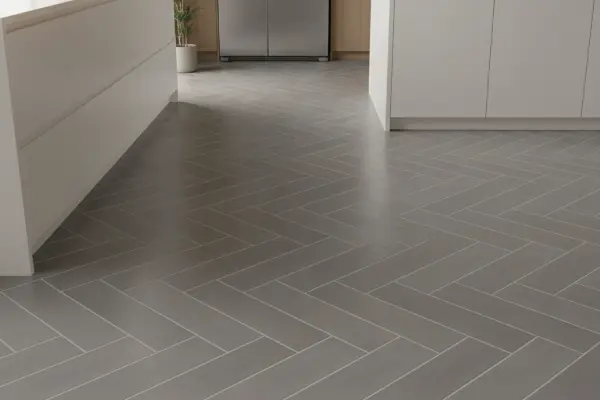
Subway Tile Design Variations
According to subway tile history, original installations used a 50% subway tile offset, positioning the tile's center aligned with the two tiles positioned above or below it. This offset subway tile layout pattern combined with the rectangular tile's 1 to 2 dimensional ratio became the defining characteristic of "subway tile."
Since that time, several other subway tile trends in 2025 have gained popularity in the industry, including these options. Professional installers often reference tile layout tips and tricks when planning these distinctive patterns to achieve optimal results.
Straight Stack
The traditional straight-stacked subway tile appearance represents the most straightforward and classic arrangement method. Position the tiles directly on top of each other moving from left to right. For a contemporary variation, arrange your subway tiles in vertical or horizontal stacks. When exploring different ways to use kitchen tiles, these alternative layouts provide an excellent opportunity to incorporate a distinctive element. Browse our shop tiles by style to see how different arrangements can transform your space.
Herringbone Design
The herringbone pattern delivers an elegant and classic option, ideal for introducing sophistication to any space. Its energetic zigzag arrangement generates visual movement, creating the illusion of larger, more welcoming rooms. Use them as kitchen wall tiles, bathroom backsplashes, or combine them with contrasting dark cabinetry for striking visual impact. For edge finishing and a polished look, reference guidance on tile edge protection for better installation results from industry experts.
Running Bond Layout
The staggered configuration stands as the essential selection when choosing between stacked and staggered subway tiles. It provides a classic design where each row begins with a half-tile offset from adjacent rows. Based on your desired pattern intensity, select a 50/50 offset for a traditional appearance, 75/25 for subtle variation, or 90/10 for enhanced dynamism to achieve your preferred level of visual movement.
In contrast, a stacked configuration creates a contemporary, streamlined look for walls. Subway tiles align perfectly in uniform rows and columns, highlighting clean lines and balanced symmetry. Consider exploring our Bristol porcelain subway tile collection, which offers glossy finish perfect for any pattern.
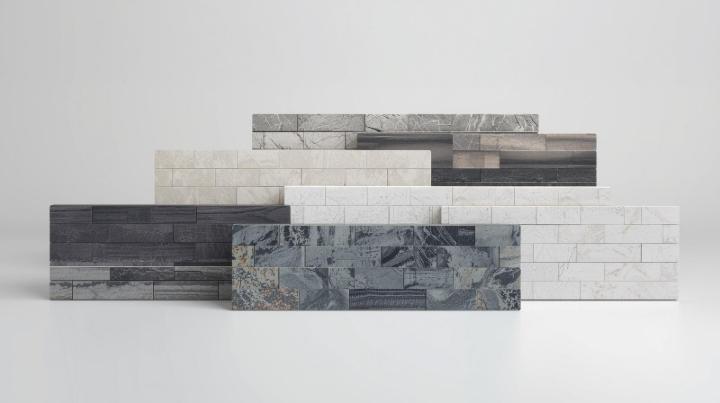
Discover Your Ideal Subway Tile Today
Whether positioned vertically or horizontally, subway tile maintains its status as a contemporary and flexible option for any environment, from kitchen floors and backsplashes to entryways and bathroom showers. Tile flooring attracts homeowners due to its longevity, minimal maintenance requirements, and versatility, and it continues as a designer favorite for identical reasons. Whether you're drawn to the classic running bond, contemporary stacked configuration, or elegant herringbone pattern, subway tiles can complement any aesthetic preference.
Visit our showroom to shop local or explore our tile and stone collection online to see the full range of possibilities, from classic whites to bold statement hues.
Conclusion
Subway tiles have proven their staying power in the design world for over a century, and their popularity shows no signs of fading in 2025. From their humble beginnings in the New York City Subway system to their current status as a design staple, these versatile tiles continue to deliver the perfect balance of durability, style, and practicality. Whether you're planning a kitchen backsplash renovation, updating your bathroom shower, or redesigning your entryway flooring, subway tiles offer endless possibilities to match your vision.
Their adaptability across multiple installation patterns, from the classic running bond to contemporary straight stacks and elegant herringbone designs, ensures you'll find the perfect configuration for your space. Industry organizations like the Natural Stone Institute and NKBA regularly showcase subway tiles at major design events, confirming their continued relevance in contemporary design.
Take the first step toward transforming your home today. With proper installation and the right material selection, your subway tile investment will enhance your space's beauty and value for years to come.
Frequently Asked Questions
What size is a standard subway tile?
The standard subway tile measures 3x6 inches, which represents the original dimensions used in the 1904 New York City Subway system. However, modern subway tiles now come in various sizes to suit different design preferences and spatial requirements. The key characteristic remains the 1:2 ratio between width and length, which maintains the classic subway tile proportions regardless of actual dimensions. Browse shop tiles by color to see how different sizes pair with various color options, or explore our full collection by visiting shop tiles by type.
Should I choose ceramic or porcelain subway tiles for my project?
Your choice between ceramic and porcelain subway tiles depends primarily on where you plan to install them. For wall applications like kitchen backsplashes and bathroom walls, ceramic tiles work beautifully and offer a cost-effective solution with excellent aesthetics. However, for floor installations especially in high-traffic areas like kitchens, entryways, and mudrooms porcelain tiles are the superior choice. Porcelain provides enhanced durability, better moisture resistance, and greater strength to withstand heavy foot traffic and wear. Explore our polished marble look porcelain tile for a luxurious finish that combines beauty with performance.
What's the difference between stacked and staggered subway tile layouts?
Stacked subway tile layouts feature tiles aligned directly on top of each other in perfect rows and columns, creating clean, straight grout lines both vertically and horizontally. This arrangement delivers a modern, minimalist aesthetic with strong geometric symmetry. Staggered layouts, also known as running bond patterns, offset each row so that tiles overlap by a certain percentage typically 50%, 75%, or 90%. This creates a more traditional, dynamic appearance with horizontal grout lines and staggered vertical lines. Staggered patterns add visual movement and interest, while stacked patterns emphasize structure and contemporary styling. To see these layouts in action and learn more installation techniques, visit industry leading tile shows where professionals demonstrate various pattern applications.
Can subway tiles make a small bathroom look larger?
Absolutely! Subway tiles can effectively create the illusion of more space in small bathrooms through strategic design choices. Installing tiles in a horizontal running bond pattern draws the eye across the wall, making the room appear wider. Choosing lighter colors like white, cream, or soft gray reflects more light and opens up the space visually. Opting for larger subway tile dimensions, such as 4x12 inches, reduces the number of grout lines and creates a cleaner, more expansive look. Additionally, installing tiles vertically can make ceilings appear higher, adding perceived height to compact bathroom spaces. Ready to start your project? Contact us for personalized guidance on selecting tiles that will maximize your bathroom's visual appeal or visit our shop to browse available options.
How do I maintain and clean subway tiles?
Subway tiles are remarkably easy to maintain, which contributes to their enduring popularity. For regular cleaning, simply wipe down the tile surface with a damp cloth or mop using warm water and a mild, pH-neutral cleaner. For grout lines, use a soft brush with a gentle cleaning solution to remove buildup and prevent discoloration. In kitchen backsplash areas prone to grease splatter, clean promptly with a degreasing dish soap solution. Learn more about us and our commitment to helping customers maintain beautiful tile installations.