Subway tile patterns offer versatile layout options including running bond (brick pattern), herringbone, vertical stack, horizontal stack, basketweave, and stepladder arrangements. Each pattern creates distinct visual effects: running bond provides classic symmetry, herringbone adds elegant zigzag drama, vertical stacks extend wall height perception, horizontal stacks widen narrow spaces, basketweave introduces woven texture, and stepladder creates dynamic directional flow. Pattern selection directly impacts room aesthetics and spatial perception.
Key considerations for subway tile installations:
- Pattern impact: Running bond suits traditional kitchens, herringbone creates focal points, stack patterns alter spatial perception
- Color strategy: Neutral tones (gray, beige, brown) offer timeless versatility; bold colors (teal, orange, green) generate dramatic statements
- Finish selection: Glossy surfaces reflect light and simplify cleaning; matte finishes provide slip resistance and hide marks; textured surfaces add dimensional interest
- Application versatility: Kitchen backsplashes, bathroom walls, shower enclosures, accent walls, fireplace surrounds
- Installation completion: Coordinating trim pieces protect edges, create seamless transitions, and deliver professional results
Subway tiles adapt to diverse design styles through strategic pattern, color, and finish combinations, making them ideal for both contemporary and traditional spaces.
Subway tiles stand as a timeless cornerstone in interior design, delivering enduring style that spans generations. Their widespread appeal stems from remarkable versatility, available in diverse materials, colors, and arrangement possibilities that adapt to virtually any design vision. The clean geometry and minimalist aesthetic of subway tiles create visual harmony across countless home styles, cementing their status as a design essential. When you explore our collection, you'll discover countless options to bring these classic patterns to life in your home.
Discover how strategic subway tile patterns and thoughtful layouts can revolutionize your living spaces. This comprehensive guide reveals creative installation techniques to craft a home that radiates warmth and personal style.
Essential Subway Tile Layout Options
Master the art of ambiance creation through strategic subway tile placement. Your pattern selection directly influences the aesthetic outcome of your project. For detailed visual examples of these arrangements, explore these subway tile pattern layouts to see how each configuration transforms a space. When you shop tiles by style, you can filter by pattern preference to find the perfect match for your design vision. Explore these fundamental installation approaches:
1. Brick Pattern/Running Bond Layout
This arrangement mirrors traditional brickwork, offsetting each tile row to create a staggered effect. The running bond delivers timeless symmetry and balanced visual flow, making it exceptionally popular for backsplash installations. Its understated elegance provides textural interest without dominating the space, an ideal foundation for transitional kitchen and bathroom designs. At our showroom, this pattern remains our customers' top choice for classic installations.
2. Zigzag Herringbone Layout
Inject elegance and refinement into your space with the herringbone arrangement. This pattern positions tiles at angles to form distinctive V-shaped zigzags that command attention. Deploy this eye-catching layout as a stunning focal element on backsplashes or accent walls. Browse our subway tile collection to find materials perfectly suited for herringbone installations.
3. Vertical Stack Pattern
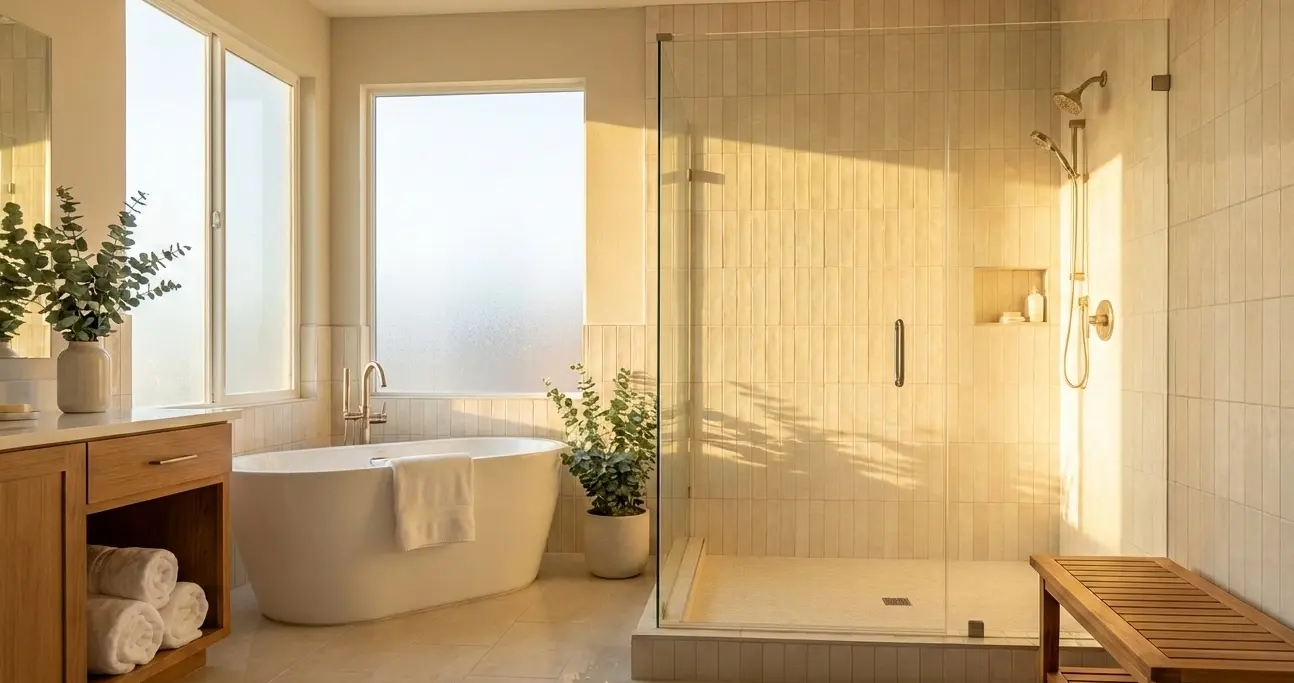
Position tiles in straight vertical columns to create this contemporary layout. The vertical alignment visually extends wall height and elevates perceived ceiling distance. Implement this pattern on statement walls in living areas or transform shower enclosures with enhanced spatial drama. According to NKBA planning guidelines, vertical patterns work exceptionally well in spaces with lower ceilings, creating the illusion of added height.
4. Horizontal Stack Layout
Stack tiles directly atop one another in horizontal rows for a crisp, geometric appearance that complements minimalist aesthetics. This grid-like arrangement delivers clean order while optically widening narrow spaces. When you shop tiles by size, consider larger format tiles for horizontal stack patterns to minimize grout lines and enhance the modern aesthetic.
5. Basketweave Configuration
Create woven textile effects by interlocking tiles in the double basketweave pattern. This dimensional approach introduces visual intrigue while preserving overall design harmony.
6. Stepladder Arrangement
Generate dynamic visual rhythm with this vertical pattern that mimics ascending stairs. The stepladder layout adapts across various décor aesthetics based on your tile color and surface treatment choices. Deploy this pattern on bathroom walls or kitchen backsplashes to introduce captivating directional flow.
Selecting Subway Tile Colors and Surface Treatments
Beyond traditional white options, contemporary design embraces expanded color palettes that satisfy diverse stylistic visions. When you shop tiles by color, you can filter options to match your exact vision. According to ceramic tile market research, homeowners increasingly favor diverse color options that express personal style. Examine these finish and hue categories:
1. Understated Neutral Shades
Opt for gray, brown, and beige tiles to establish serene sophistication that harmonizes effortlessly with varied design components. These muted tones suit both classic and modern interiors, offering grounding balance in already colorful environments.
2. Statement-Making Vibrant Hues
Command immediate visual impact with bold color selections that inject personality and dimension. Maximalist spaces thrive with dramatic shades including teal, red, pink, orange, and green tiles. Apply these energetic colors strategically in contained areas like backsplashes, ensuring cohesion with countertops, cabinetry, and surrounding elements. Browse our products we carry to see the full spectrum of available hues.
3. Polished Glossy Surface
Choose glossy finishes for their light-reflecting properties that amplify brightness and expand perceived space. Install these lustrous tiles in darker rooms requiring enhanced illumination. Their smooth surface facilitates effortless cleaning, perfect for kitchen applications and shower installations. Our porcelain subway tiles are available in stunning glossy finishes that maximize light reflection.
4. Subtle Matte Surface
Select matte finishes for their non-reflective, tactile quality that delivers understated natural appeal. This surface conceals fingerprints and marks effectively, making it practical for high-traffic kitchen backsplashes. Apply matte tiles to bathroom floors where their slip-resistant texture enhances safety. Our Perfection 2.5x8 matte porcelain subway tile exemplifies this durable, low-maintenance finish.
5. Dimensional Textured Surface
Incorporate textured finishes that showcase natural materials like stone and wood, or feature raised relief patterns. These surfaces generate visual and tactile interest, complementing rustic, farmhouse, and industrial design schemes. Learn more about handmade ceramic tile techniques that create these distinctive textures. Our terrazzo mosaic tile options offer exceptional textural variety that pairs beautifully with smooth subway tiles.
Complete Your Installation with Coordinating Trim Pieces
Ceramic, glass, and marble subway tiles offer complementary trim elements that perfect your installation aesthetic. Available in multiple profiles, these finishing pieces match your tile's material, color, and surface treatment. For comprehensive guidance on trim applications, review these bullnose tile applications techniques. Integrate trim components to enhance visual refinement and extend installation longevity.
Key advantages of incorporating tile trim include:
- Establish smooth transitions between different tile styles
- Shield tile perimeters from chips, cracks, and damage
- Achieve refined completion by concealing raw edges at wall junctions
- Deliver polished, professionally executed results
Professional installation following Ceramic Tile Foundation installation resources ensures optimal performance and longevity. When you shop tiles by type, you'll find matching trim options for seamless coordination.
Innovative Subway Tile Applications
Feature Wall Installation
Deploy subway tile patterns on accent walls to build depth and tactile dimension. Execute unique backsplash arrangements or wall features that anchor visual attention. Select neutral palettes for sophisticated restraint or embrace bold colors for striking presence. Visit our website to know more about our company and to learn how our design team helps customers create stunning feature walls.
Fireplace Framing Application
Surround your fireplace with subway-patterned tile to instantly upgrade your space. This application combines heat-resistant durability with compelling style. Shop local options to find convenient access to heat-resistant tile materials perfect for fireplace surrounds.
Kitchen Backsplash Implementation
Backsplashes represent the most widespread subway tile application. Install tiles to shield walls from cooking splashes while introducing compelling visual layers. Vibrant backsplash patterns generate lively centerpieces, while white installations provide timeless appeal. Consider mirror-finish tiles to infuse elegant sophistication. Our ceramic subway tiles offer exceptional durability for these high-use areas.
Bathroom Wall Coverage
Transform bathroom walls with subway tiles that deliver hygienic, moisture-resistant surfaces. Bold tile choices energize neutral color schemes, while classic subdued tones cultivate spa-inspired tranquility. If repairs become necessary over time, these tile replacement techniques provide step-by-step guidance.
Shower Space Design
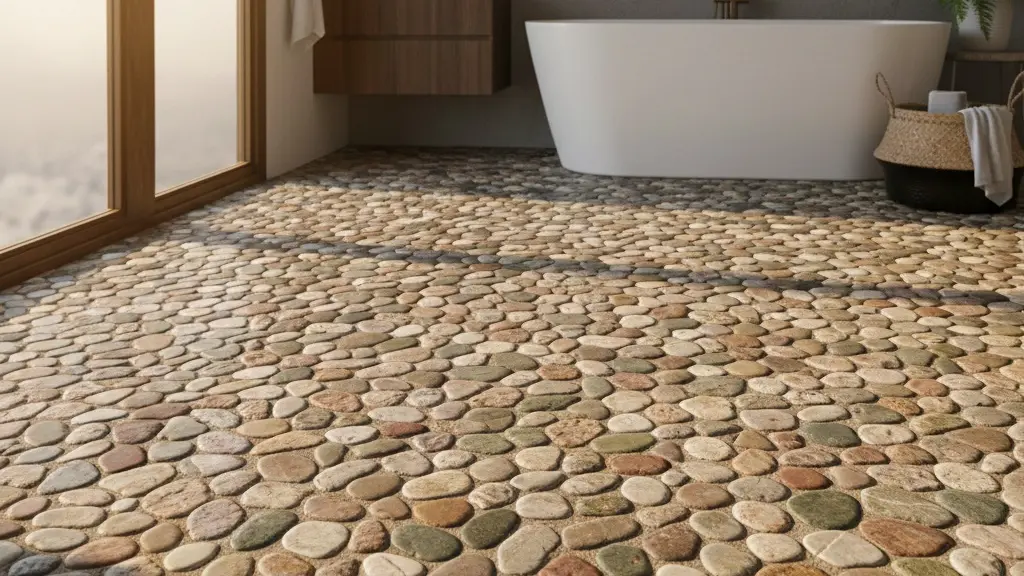
Apply subway tile patterns throughout shower walls, floors, and niche areas for practical beauty. These installations create unified, pristine appeal across wet areas. For comprehensive flooring considerations, consult this bathroom flooring guide to ensure proper material selection.
Conclusion
Transform your home with the timeless versatility of subway tile patterns and strategic layouts. From classic running bond arrangements to dramatic herringbone configurations, each pattern offers unique opportunities to express your design vision. Whether you're updating a kitchen backsplash, renovating bathroom walls, or creating a stunning accent feature, subway tiles deliver both functional durability and aesthetic appeal.
Experiment with bold colors to make powerful statements, or embrace neutral tones for enduring sophistication. Select surface finishes that match your lifestyle needs, glossy for light reflection, matte for practical maintenance, or textured for dimensional interest. By thoughtfully combining pattern, color, and finish, you'll create spaces that reflect your personal style while standing the test of time.
Ready to begin your project? Contact us to speak with our design specialists who can help you select the perfect subway tile pattern for your space. Start planning your subway tile project today and discover how these classic design elements can revolutionize your living environment.
Frequently Asked Questions
What is the most popular subway tile pattern for kitchen backsplashes?
The running bond, also known as the brick pattern, is one of the most commonly used subway tile layouts for kitchen backsplashes. Each row is offset, usually by half the length of the tile, creating a familiar pattern that works with many kitchen styles. It adds visual interest without competing with cabinetry, countertops, or other prominent finishes.
Which subway tile pattern makes a small bathroom look larger?
A vertical stack pattern can make the walls and ceiling appear taller, while a horizontal stack pattern can make a narrow wall appear wider. Light-colored tiles and glossy finishes may also reflect more light and contribute to a brighter, more open appearance. These visual effects depend on the room dimensions, lighting, grout color, and overall layout.
Can I mix different subway tile patterns in the same room?
Yes. One pattern can cover the main wall area, while a second pattern can be used in a shower niche, backsplash section, border, or other accent area. Using a shared color, finish, grout color, or tile dimension can help the two layouts feel connected. The installation should be planned carefully so that grout joints and transitions appear intentional.
What is the difference between matte and glossy subway tile finishes for showers?
Glossy subway tiles reflect more light and usually have a smooth surface that is easier to wipe clean, making them a common choice for shower walls. Matte tiles produce less reflection and may conceal water spots and minor marks more effectively. A matte finish does not automatically make a tile suitable for a shower floor. Check the slip-resistance rating, intended application, water absorption, and manufacturer recommendations for the exact product before using it on a wet floor.
How do I choose the right subway tile color for my design style?
Consider the cabinetry, countertops, flooring, fixtures, lighting, and other finishes that will remain in the room. White, gray, beige, and other neutral colors are adaptable to many traditional, transitional, and modern interiors. Stronger colors such as teal, green, orange, or pink can be used to create an accent. Compare physical tile samples in the room whenever possible because lighting can change how a color and finish appear.