Subway tiles are 3-by-6-inch rectangular tiles that originated in 1904 New York City subway stations, designed by architects Christopher Grant LaFarge and George C. Heins. These tiles remain popular in 2024 because they offer timeless design versatility, cost-effective installation, and proven durability lasting over 100 years. Key factors affecting subway tile appearance include grout color selection (white, gray, or black), finish type (glossy, matte, or satin), layout patterns (running bond, herringbone, vertical stack), and size variations (2-by-4-inch to 4-by-16-inch). At Nova Tile and Stone, we provide subway tiles in multiple colors, textures, and finishes with free design consultations to help homeowners and professionals select the right specifications for kitchens, bathrooms, and other residential or commercial spaces.
The Transit System Origins Few Discuss
Most recognize that these tiles emerged from New York City's underground transit system, but the complete narrative extends far beyond common knowledge. Back in 1904, architects Christopher Grant LaFarge and George C. Heins selected white rectangular formats for reasons extending beyond mere aesthetics. They chose this particular design because reflective white surfaces would amplify the limited electric illumination available during that era, creating safer and more welcoming underground stations for citizens hesitant about subterranean travel.
The measurements weren't chosen randomly. The 3-by-6-inch ratio was intentionally designed to be substantial enough for rapid installation across enormous station walls, while remaining compact enough that damaged individual pieces could be swiftly replaced. This utilitarian approach to metropolitan infrastructure inadvertently birthed one of history's most lasting design movements. The pieces also featured beveled edges, generating delicate shadows that provided dimension and concealed imperfections unavoidable in early twentieth-century manufacturing and application, as noted by ceramic tile industry standards.
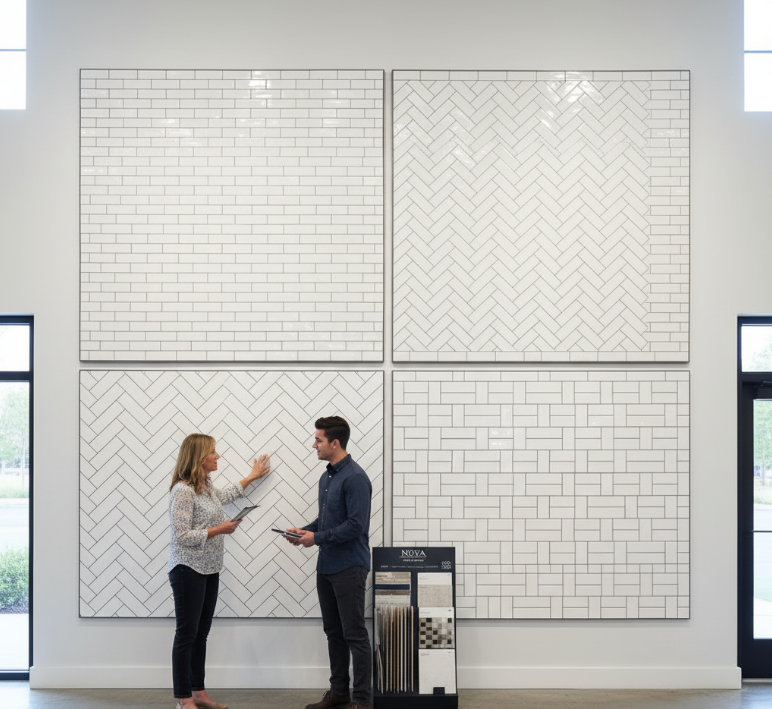
Why "White" Contains Multiple Shades
Here's an insight that astonishes even seasoned professionals: genuine subway tiles were never completely white. Original installations in New York's transit stations possessed slight cream or ivory undertones resulting from glazing techniques employed in the early 1900s. Contemporary versions often attempt replicating this warmth, though numerous manufacturers have transitioned toward stark, cool whites that appear dramatically distinct from historical counterparts.
This variation in white shades has generated an entire spectrum marketed as "white." You'll discover options labeled as polar white, cotton white, whisper white, cloud white, plus dozens of additional descriptive names, each featuring different undertones spanning warm beige to cool gray to slightly blue. The revelation is that these delicate distinctions can profoundly influence how your environment feels. Warm variations establish cozy, welcoming atmospheres, while cool versions deliver crisp and contemporary vibes. Explore our color options to grasp this nuance, which proves essential for achieving your envisioned aesthetic.
Grout Selection Transforms Everything
Industry professionals closely guard this insight: your chosen grout shade matters exponentially more than the tile selection itself. Identical white tiles can appear completely different depending on whether you select white, gray, black, or colored grout. White grout establishes a seamless, expansive appearance that enlarges spaces. Dark grout generates a bold grid configuration that emphasizes geometric qualities and introduces contemporary flair. Gray grout provides a middle ground that conceals staining while preserving definition.
But here's the deeper revelation: grout joint width proves equally transformative. Standard installations utilize joints between 1/8 inch and 1/4 inch, yet varying this measurement alters the entire wall character. Tighter joints produce sleek, modern aesthetics where tiles appear to merge together. Wider joints highlight each individual piece and evoke more artisanal, handcrafted sensations. Some upscale designers now employ unexpectedly wide grout joints of 3/8 inch or even 1/2 inch to generate dramatic visual impact and make standard formats appear completely custom and distinctive, techniques often showcased at industry events like Coverings.
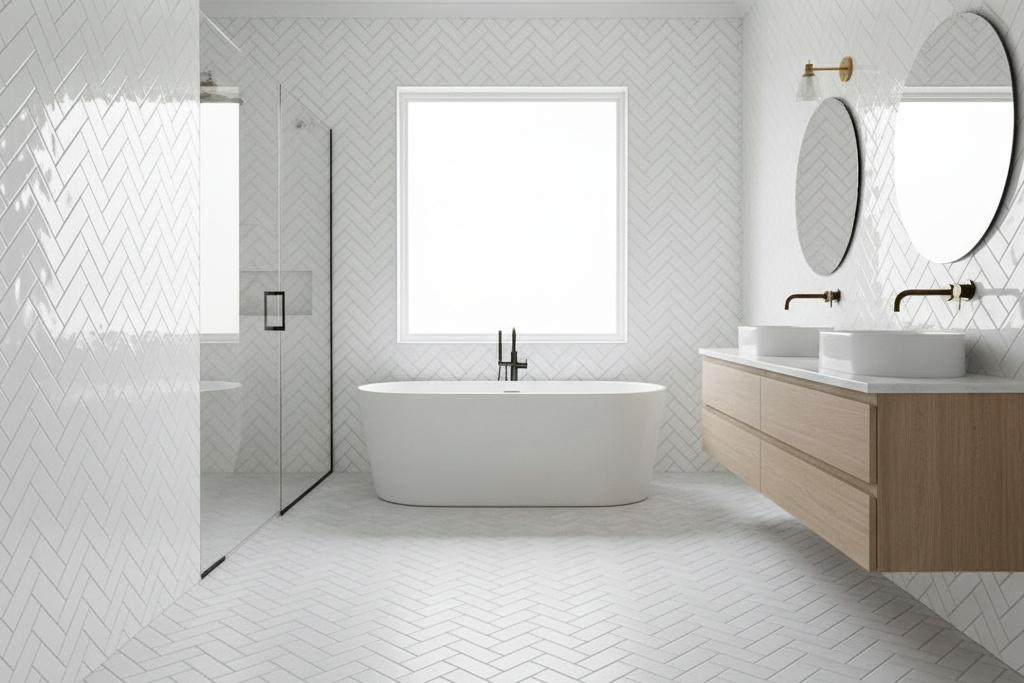
Pattern Arrangements Reveal Endless Options
Most individuals default to classic running bond patterns, where pieces are offset by half like bricks in walls. However, these tiles can be arranged in countless configurations, each establishing a distinctly different atmosphere. Vertical stacking generates clean, contemporary lines that elevate ceiling heights visually. Herringbone arrangements introduce sophisticated movement and visual intrigue. Basket weave patterns establish texture and dimension. Diagonal layouts inject energy and dynamism into environments, as detailed in professional tile layout guides.
The insider knowledge is that combining patterns within identical spaces can produce stunning feature walls without altering colors or materials. You might employ running bond for most kitchen backsplash areas but transition to herringbone behind stoves for subtle focal points. Or merge vertical stacking on upper walls with horizontal layouts on lower sections to establish visual zones in bathrooms. These pattern variations cost nothing additional in materials yet deliver high-impact design transformation. Browse our style collections for inspiration on pattern possibilities.
Dimension Variations Establish Different Characteristics
While classic 3-by-6-inch formats remain beloved, this design has spawned an entire family of proportions. Tiles measuring 2-by-4 inches establish more delicate, refined appearances perfect for compact spaces. Jumbo 4-by-12-inch or even 4-by-16-inch versions create bold contemporary statements in large, open areas. Square formats at 3-by-3 inches offer geometric versatility. The revelation is that these dimension variations can completely transform perceived scale and style within rooms.
Larger formats require fewer grout lines, establishing cleaner, more streamlined appearances that feel decidedly modern. Smaller pieces increase grout lines, contributing texture and visual complexity that reads as more traditional or vintage. Many designers employ this principle strategically, selecting dimensions based on space proportions and desired style rather than simply choosing what appears attractive in showrooms. A compact bathroom might benefit from standard pieces to preserve appropriate scale, while sprawling kitchens could accommodate dramatic 4-by-16-inch planks that create sculptural statements. Explore our size options to find the perfect dimensions for your project.
Surface Finish Fundamentally Alters Personality
Our collection includes finishes spanning high gloss to matte, and surface quality fundamentally transforms appearance and character. Glossy versions reflect light, making environments feel brighter and more open, explaining why they dominated early transit stations and remain popular in small bathrooms and kitchens. The reflective quality establishes clean, polished aesthetics that feel fresh and easy to maintain, as highlighted in current bathroom tile trends.
Matte finishes, however, have surged in popularity for sophisticated, understated elegance. They absorb rather than reflect light, establishing softer, more intimate environments. Matte versions feel organic and handcrafted, even when machine-made. They also conceal water spots and fingerprints better than glossy alternatives, making them practical for high-traffic locations. Between these extremes lies satin or semi-gloss finishes offering subtle sheen without mirror-like reflection of full gloss.
The insider revelation is that mixing finishes can establish stunning dimension. Some cutting-edge designers combine glossy and matte pieces in identical installations, generating subtle patterns through surface variation rather than color or layout changes. This sophisticated approach adds layers of visual interest that reveal themselves gradually as light shifts throughout days. Discover our type selections to explore finish options.
Beveled Edges Serve Multiple Functions
Those subtle beveled edges found on many pieces serve purposes beyond aesthetics. The angled edges generate micro-shadows that contribute three-dimensional depth to flat walls, preventing monotonous appearances. These shadows also cleverly disguise imperfections in installation, making slight variations in alignment less noticeable. In early transit installations, this forgiving quality was essential given installation technique limitations at that time, and proper edge protection techniques remain crucial for professional results.
Modern flat versions without beveling establish entirely different aesthetics, ones that appear sleeker and more minimalist. The choice between beveled and flat edges should be intentional, based on your envisioned style. Beveled pieces feel more traditional and forgiving, while flat versions appear contemporary and precise. Some manufacturers now offer varying degrees of bevel, from subtle to pronounced, allowing fine-tuned control over final appearances. Browse our decorative options for unique edge treatments.
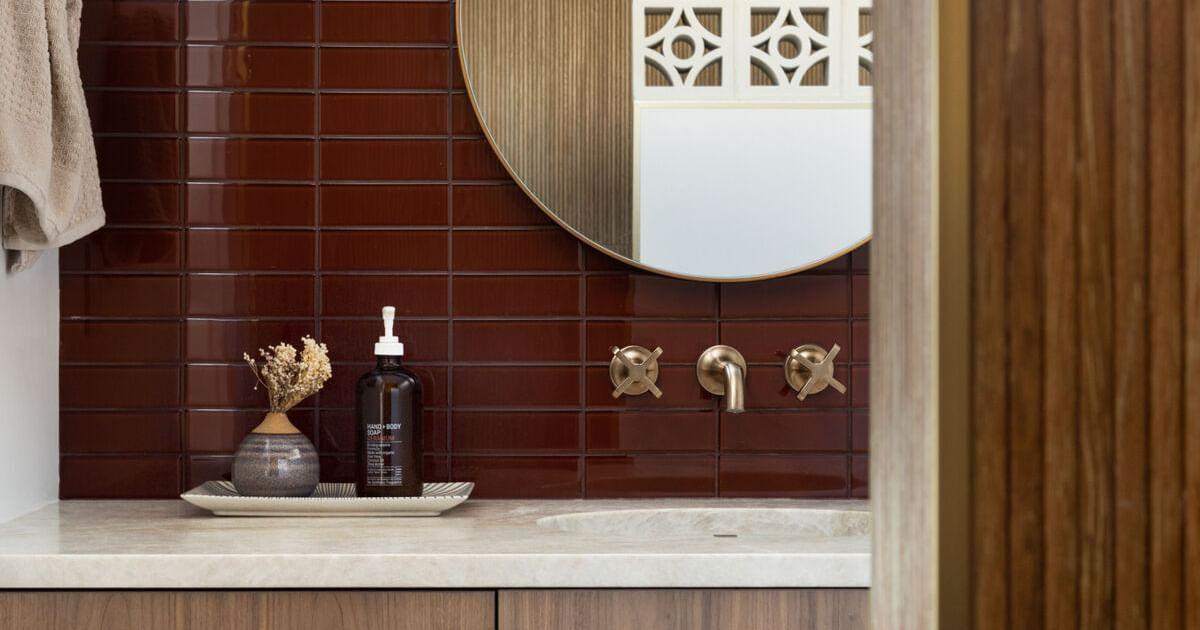
Color and Texture Selections Are Limitless
While white remains classic, our offerings now span virtually every color imaginable. Deep blues establish moody, sophisticated environments. Soft greens bring organic tranquility. Black pieces deliver dramatic impact. Terracotta and earth tones contribute warmth. The revelation is that colored versions maintain the format's timeless geometric quality while expressing completely different personalities.
Textured options represent another frontier of possibility. Crackle glazes establish vintage, time-worn appearances. Handmade pieces with irregular surfaces contribute artisanal character. Metallic finishes bring glamorous shimmer. Three-dimensional versions with ridges or waves establish sculptural wall surfaces. These textural variations transform simple backgrounds into featured design elements that command attention and define spaces, similar to the artistry celebrated by the Natural Stone Institute. For those seeking contemporary patterns with timeless appeal, explore our terrazzo-look collection that complements subway tile installations beautifully.
The Financial Advantages
Here's a financial revelation: these tiles offer exceptional value not just because they're affordable to purchase, but because their simple rectangular format minimizes waste during installation. Their modest dimensions also make them suitable for almost any space without requiring extensive cutting or complex calculations. This efficiency translates to lower labor costs, which often exceed material costs in tiling projects.
The durability of quality pieces means they can last for decades or even a century with proper care, making them investments rather than expenses. Understanding the difference between porcelain and ceramic options helps you select materials that balance initial investment with long-term value. Unlike trendy options that may fall out of fashion, these have proven staying power. Spaces featuring them remain appealing across generations, protecting property values even as design trends shift. This timeless quality is perhaps the greatest advantage in an industry obsessed with novelty.
Professional Consultation Services
At Nova Tile and Stone, we understand that selecting the right format, color, finish, and pattern can feel overwhelming given the extensive options available. That's why we offer free design consultations with experts who can guide you through the selection process. Our team helps you navigate choices based on your specific space requirements, aesthetic preferences, and practical needs, ensuring you make informed decisions that deliver beautiful, lasting results. Visit our shop to explore complete selections, shop local at one of our showroom locations, or contact us to schedule your consultation with professionals trained in NKBA design standards.
Conclusion
These rectangular tiles have endured for more than 120 years not despite their simplicity, but because of it. The revelations presented here demonstrate that these unassuming formats offer far more design flexibility, historical depth, and practical advantages than most realize. From calculated origins in New York's underground transit to countless variations in dimension, color, finish, pattern, and grout treatment, these continue evolving while maintaining essential character.
Understanding these insider insights empowers you to make informed decisions that elevate basic building material to sophisticated design choice. Whether you're drawn to classic white beveled pieces in traditional running bond or exploring contemporary variations with bold grout colors and unexpected patterns, these tiles offer proven foundation for creating spaces that are both beautiful and enduring. Learn more about us and explore our complete product range to discover how we can help transform your vision into reality. The greatest revelation might be this: true style never disappears, and these tiles are ultimate proof of that timeless principle.
Frequently Asked Questions
What distinguishes subway tiles from other rectangular formats?
These specifically refer to tiles with a 1:2 proportion, typically measuring 3-by-6 inches, with beveled edges and glossy white finish in traditional form. While the term has expanded to include various dimensions maintaining this proportion, true versions distinguish themselves through historical connection to early twentieth-century transit systems and characteristic measurements that balance efficient installation with easy replacement. Modern interpretations may vary in finish and color, but proportional relationship remains the defining characteristic, as recognized by ceramic tile certification standards.
Do subway tiles work only in bathrooms and kitchens?
Absolutely not. While bathrooms and kitchens remain most common applications due to water-resistant properties and easy maintenance, these versatile tiles work beautifully in any environment. Living rooms, bedrooms, entryways, fireplace surrounds, laundry rooms, and even exterior applications all benefit from clean lines and timeless appeal. The key is selecting appropriate finishes and colors for each space's function and adjusting scale and pattern to suit room proportions and style.
How should I choose between glossy and matte finishes?
Your choice should reflect both aesthetic preferences and practical considerations. Glossy versions maximize light reflection, making them ideal for small, dark spaces where brightness is paramount, and they're easier to clean for food-prep areas. Matte options offer sophisticated understated elegance with better slip resistance for floors and reduced glare, plus they hide water spots and require less frequent cleaning. Understanding porcelain versus non-porcelain characteristics helps inform finish selection. Consider lighting in your space, maintenance preferences, and overall mood you want to establish when making this decision.
Why do similar-looking subway tiles have different price ranges?
Price variations reflect differences in manufacturing quality, materials, and production methods. Handmade pieces command premium prices due to artisan labor and unique character variations. Machine-made versions from reputable manufacturers ensure consistency and durability through quality control and superior materials. Budget options may have inconsistent sizing, weaker glazes that chip or stain easily, and color variations between batches. The body composition, firing temperature, and glaze quality all impact longevity and appearance, making higher-priced options often more economical long-term investments.
Can these tiles make compact spaces appear larger?
Yes, when used strategically. Light-colored pieces with minimal grout contrast create visual expansion by reducing visual breaks across surfaces. Installing vertically draws eyes upward, making ceilings appear higher. Using identical materials on multiple surfaces creates continuity that makes boundaries between walls feel less defined. Glossy finishes reflect light to brighten environments. However, avoid overwhelming compact spaces with excessive coverage; balance tiled areas with other materials to prevent spaces from feeling cold or institutional.