Subway tiles are rectangular ceramic or porcelain tiles named after the tiles used in New York City subway stations in the early 1900s. The classic 3″×6″ format became iconic for its clean aesthetic, easy maintenance, and light-reflecting properties, qualities that translate perfectly to modern kitchens and bathrooms.
Key benefits of subway tiles include:
- Easy to clean and maintain
- Reflect light to brighten spaces
- Timeless, versatile design
- Available in ceramic (budget-friendly) or porcelain (water-resistant)
- Multiple pattern options: brick, herringbone, basket weave
Best uses: Kitchen backsplashes, bathroom walls, shower surrounds, and accent walls. Porcelain is recommended for high-moisture areas; ceramic works well for standard applications.
Many people assume the term "subway tile" is simply a generic descriptor for a specific style or appearance, but the name actually originates from the tiles that lined subway transit systems and their stations.
Advantages
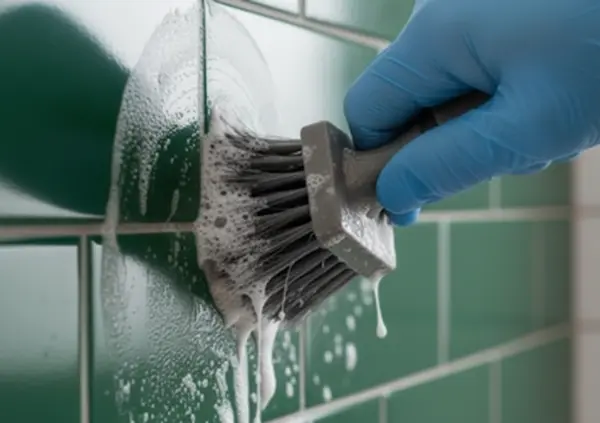
The ease of cleaning tiles made them an ideal selection for subway station environments. In earlier times, before subway stations developed their reputation as dingy, less-than-pristine spaces, they were crafted to feel sophisticated and welcoming.
Another advantage of subway tiles is their light-reflecting properties, which proved especially valuable in the dim conditions found in subterranean subway stations. While your kitchen backsplash isn't located in an underground tunnel, these same qualities, simple maintenance and light reflection offer excellent advantages for your kitchen space as well!

Choosing the Right Subway Tile for Your Space
The traditional subway tile continues to be a favored selection for kitchen backsplash projects, delivering a crisp, enduring aesthetic. While 4″×4″ square tiles have gained popularity in contemporary subway systems, the 3″×6″ subway tile format remains widely chosen thanks to its timeless character and adaptability in residential design. According to the National Kitchen and Bath Association, subway tiles remain among the top choices for homeowners renovating their spaces.
Ceramic or Porcelain
From their modest origins lining subway stations, subway tiles have evolved considerably. Today's subway tiles are crafted from materials including glass, cement, stone, and porcelain. Porcelain and ceramic represent the most widely used subway tile materials, and understanding the differences between these options is crucial when exploring tiles by type. For a comprehensive overview of products we carry, visit our full catalog.
How do ceramic and porcelain tiles differ?
Ceramic tiles – For budget-conscious projects, ceramic may be your best bet. Ceramic is also more forgiving to cut and install compared to porcelain. The ANSI A137.1-2022 Standard for Ceramic Tile provides comprehensive guidelines for ceramic tile specifications and quality standards.
Porcelain tiles – Though ceramic tiles continue to be favored for kitchen backsplash projects and installations, porcelain deserves consideration when using subway tile in moisture-prone areas. Its water absorption rate is substantially lower, rendering it nearly impervious to water. While ceramic tiles aren't inherently inferior, porcelain stands out as the premium option. Thanks to its denser composition, porcelain tiles demonstrate greater resistance to daily wear and tear too. Learn more about the differences in ceramic vs porcelain tile, and explore the Imagine 3x12 Matte Porcelain Subway Tile for exceptional quality options.
The Versatile Nature of Subway Tiles
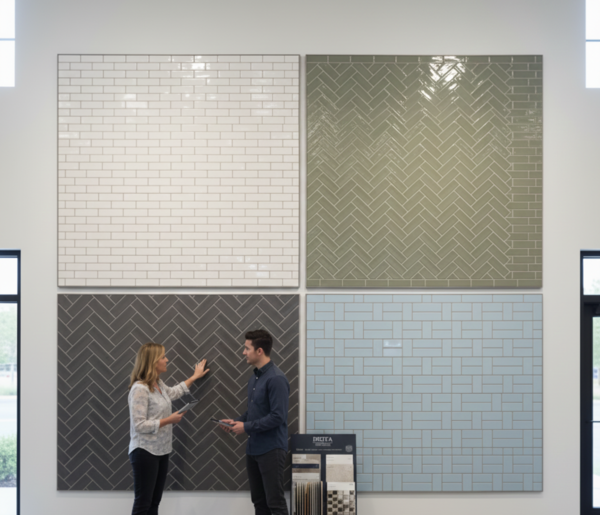
Subway tiles provide limitless creative options for your kitchen backsplash and other uses, regardless of whether your aesthetic leans traditional or modern. When browsing tiles by style, you'll discover various installation patterns that can dramatically transform your space. Below are three commonly used design arrangements for subway tiles:
Brick Pattern
Also called a running bond, this arrangement echoes the original subway station aesthetic. Here, tiles are positioned in a brick-like fashion. This installation style can appear in various orientations, including vertical or diagonal configurations. You can also have tiles positioned at angles ranging from 45 to 90 degrees. For a more contemporary appearance, stack the tiles so grout lines run vertically straight along the wall. For expert guidance on achieving perfect layouts, check out these tile layout tips and tricks, and review tile edge protection techniques for professional-looking results.
Herringbone Pattern
This subway tile arrangement comes in numerous variations. The classic, straight, and diagonal versions deliver an elegant look, particularly for kitchen backsplashes. This pattern essentially features an L-shaped configuration using two interlocking tiles, with this unit repeated consistently across the design. For those seeking dimensional interest, the Linear 5x10 Glossy 3D Decorative Subway Tile creates stunning herringbone patterns with added depth.
Basket Weave Pattern
This highly popular arrangement converts subway tiles into square modules, producing a woven effect. The basket weave configuration is a favored method for introducing visual interest to modern kitchen backsplash designs. This technique is frequently showcased at industry events like Coverings, the premier international tile and stone exhibition.
Conclusion
Subway tiles have journeyed far from their functional beginnings in transit stations to become a cornerstone of residential design. Their enduring popularity stems from a winning combination of practical benefits and aesthetic versatility. Whether you opt for budget-friendly ceramic or premium porcelain, choose the classic format or modern variations, and select from brick, herringbone, or basket weave patterns, subway tiles offer a design solution that adapts to virtually any kitchen style. The same qualities that made them perfect for subway stations over a century ago, easy maintenance, light reflection, and timeless appeal continue to make them an excellent choice for your home. As you plan your kitchen backsplash or other tiling project, browse our complete tile and stone collection or shop local to see these beautiful tiles in person.
Frequently Asked Questions
What size is a traditional subway tile?
The traditional subway tile maintains a classic rectangular shape that originated from the tiles used in early subway stations. This timeless format continues to be favored for its enduring appeal and versatility in home design. While modern subway systems often use square tiles, the traditional rectangular format remains the go-to choice for kitchen backsplashes and bathroom walls. When selecting tiles by size, you'll find that 3x6 subway tiles represent the most authentic and versatile option. For expert installation guidance, consult resources from the Natural Stone Institute.
Can subway tiles be used in shower areas?
Yes, subway tiles work excellently in shower areas, especially when you choose porcelain over ceramic. Porcelain subway tiles are ideal for high-moisture environments like showers because they resist water better than ceramic options. Their easy-to-clean surface also helps prevent mold and mildew buildup, maintaining a hygienic shower space with minimal maintenance effort. For current design trends, explore today's bathroom tile trends and visit our shop to explore waterproof porcelain options.
What's the most popular pattern for installing subway tiles?
The brick pattern, also known as running bond, is the most popular installation pattern for subway tiles. This layout mimics the way bricks are traditionally laid and reflects the original appearance of subway station walls. However, herringbone and basket weave patterns have gained significant popularity for homeowners seeking a more distinctive or contemporary look while still using classic subway tiles. The Ceramic Tile Distributors Association offers resources on proper installation techniques for various patterns.
Are subway tiles only available in white?
No, while glossy white remains the most iconic and popular color associated with subway tiles, they're now available in a vast array of colors, finishes, and materials. Modern subway tiles come in various shades including black, gray, blue, green, and earth tones. You can also find them in different finishes such as matte, glossy, textured, or even metallic, as well as materials like glass, cement, stone, porcelain, and ceramic. Explore subway tiles by color to discover the perfect shade for your project, or browse tiles by color for even more options including complementary styles like terrazzo look tiles.
How do I choose between ceramic and porcelain subway tiles?
Your choice between ceramic and porcelain should depend on your budget and installation location. Choose ceramic if you're working with a limited budget. Opt for porcelain if your subway tiles will be installed in high-moisture areas like showers or bathrooms, or if you want superior durability and resistance to wear. Porcelain offers better performance in demanding environments, though ceramic remains perfectly suitable for standard kitchen backsplashes. Learn more about porcelain vs non-porcelain tile performance differences. For personalized guidance on selecting the right tiles for your project, contact us or learn more about us and our commitment to quality.