Subway tiles dominate luxury kitchen design because they combine timeless aesthetics, exceptional durability, and unmatched versatility. Originally developed for New York's subway system in the 1900s, these rectangular tiles have evolved into a premium architectural element for high-end residential kitchens.
Key benefits of subway tiles in luxury kitchens include:
- Timeless design that complements both contemporary and classical styles
- Multiple installation patterns (herringbone, vertical stack, basketweave) for creative flexibility
- Premium material options including marble, glass, handcrafted ceramic, and porcelain
- Superior durability with stain-resistance and low maintenance requirements
- Extensive color palette from classic white to dramatic navy, charcoal, and emerald green
- Eco-friendly options through recycled glass and sustainably sourced ceramics
Best subway tile materials for high-end applications: Porcelain offers maximum durability for high-traffic kitchens, marble provides natural elegance with unique veining, glass enhances light reflection, and handcrafted ceramic adds artisanal character. When selecting premium materials, exploring a comprehensive tile and stone collection ensures you'll find the perfect match for your design vision.
Popular luxury kitchen applications: Full-height backsplashes from counter to ceiling, contrasting grout colors for visual emphasis, metallic or glossy finishes for light reflection, and mixed matte-gloss combinations for textural interest.
This guide explores why subway tiles remain a foundational choice for architects and designers creating sophisticated kitchen spaces that balance functionality with refined aesthetics.
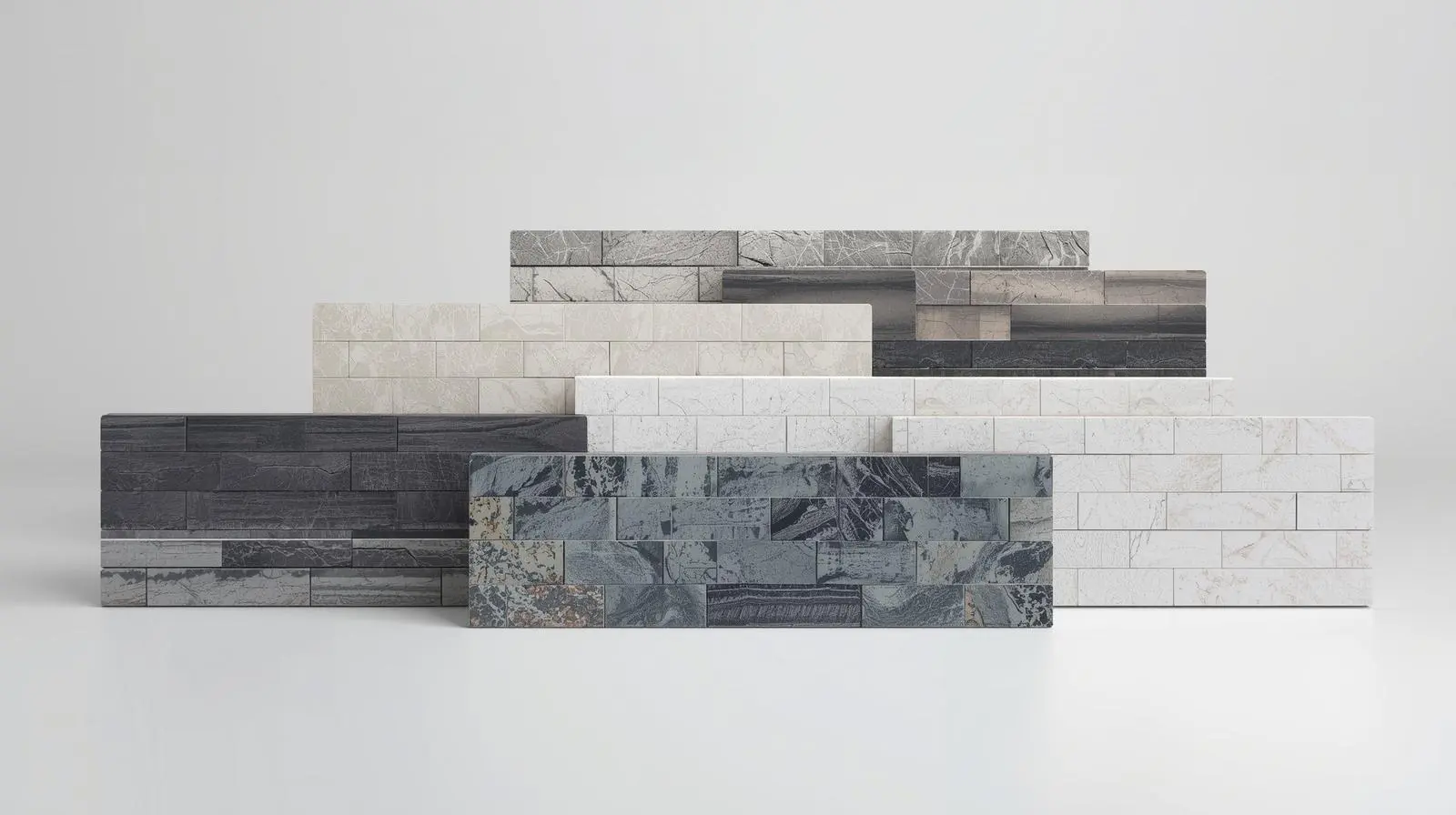
1. Timeless Design That Transcends Trends
The consistent popularity of subway tiles among design professionals stems from their perpetual relevance. Their rectangular form and minimalist character provide a neutral foundation that harmonizes with diverse kitchen styles, spanning contemporary to classical interpretations. According to industry experts at the National Kitchen and Bath Association, subway tiles consistently rank among the most requested elements in kitchen renovations. The geometric precision of these tiles establishes visual rhythm and equilibrium, securing their position in upscale kitchen environments.
Design Strategy: Elevate the conventional approach by selecting expanded-format subway tiles featuring matte surfaces or dimensional textures. For those exploring size variations beyond traditional dimensions, shopping tiles by size can reveal innovative options. These variations introduce visual complexity while preserving spatial harmony.
2. Flexible Installation Patterns for Design Innovation
Though commonly arranged in the traditional running bond configuration, subway tiles' straightforward geometry enables diverse creative arrangements. Design professionals can explore herringbone configurations, straight-stacked patterns, or woven layouts to achieve distinctive contemporary expressions. Professional installers emphasize the importance of proper layout planning, as detailed in resources like tile layout tips and tricks, to ensure flawless execution.
The advantage: This adaptability positions subway tiles as suitable for both streamlined and elaborate design schemes, empowering architects to craft distinguished spaces that retain sophistication. Whether you prefer traditional or contemporary approaches, browsing tiles by style can help visualize different pattern possibilities.
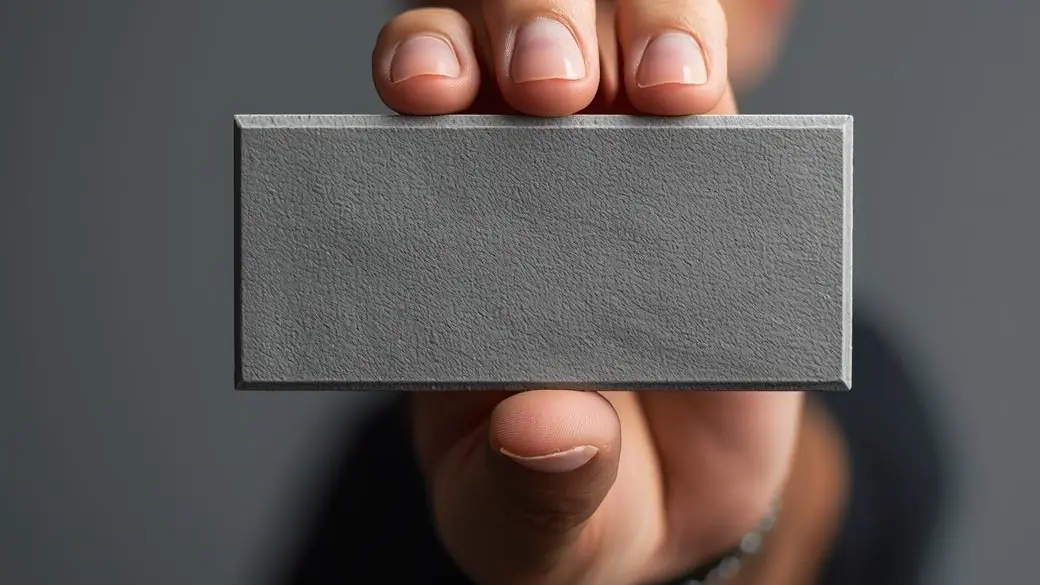
3. Premium Materials for Luxury Applications
Contemporary subway tiles extend far beyond conventional ceramic or glossy white presentations. High-end projects now incorporate subway tiles crafted from marble, glass, and artisan-made ceramic. Understanding the distinctions between materials is crucial, resources like ceramic vs porcelain tile comparisons provide valuable insights for material selection. These elevated materials transform the fundamental tile into an architectural feature ideal for luxury kitchen environments.
Expert recommendation: For authentic bespoke character, select hand-crafted subway tiles displaying subtle variations in surface texture and tonal qualities, introducing artisanal distinction to premium kitchen spaces. Products like the Linear 5x10 Glossy 3D Decorative Subway Tile exemplify how modern manufacturing techniques can create dimensional interest while maintaining classic proportions.
4. Enduring Quality in Premium Residences
The longevity of subway tiles reflects their successful balance between performance and aesthetics. In luxury residences where utility and visual appeal are paramount, subway tiles deliver an optimal combination. Industry standards such as the ANSI A137.1-2022 Standard for Ceramic Tile ensure that premium tiles meet rigorous durability requirements. Their maintenance-friendly nature, stain-resistance, and lasting appearance make them exemplary for kitchen backsplashes experiencing consistent daily use.
Material selection: Opt for porcelain subway tiles to ensure maximum longevity in active kitchens, particularly within open-concept layouts where culinary spaces become central design features. Understanding the technical differences explained in porcelain vs non-porcelain tile comparisons helps ensure optimal material selection for your specific application.
5. Exploring Palette and Visual Tension
Though white subway tiles remain eternally appropriate, luxury kitchen projects often demand bolder chromatic directions. Design professionals can incorporate deeper tones such as midnight navy, slate gray, or emerald green subway tiles to establish dramatic, high-impact backsplashes. Current kitchen trends that emphasize bold colors are equally applicable to kitchen spaces, reflecting broader design movements toward expressive interiors.
Design perspective: To amplify luxury, utilize opposing grout tones to emphasize individual tiles, or select metallic or glossy-surfaced tiles to generate an eye-catching, light-reflecting backsplash that maximizes ambient illumination. Exploring subway tiles by color makes it easier to visualize how different hues will transform your kitchen aesthetic. For those working with popular dimensions, discovering 3x6 subway tiles reveals the extensive color range available in this classic format.
6. Environmentally Conscious Material Selection
Environmental responsibility increasingly influences design decisions, particularly in high-caliber projects. Subway tiles are obtainable in sustainable options including recycled glass or responsibly harvested ceramics. Organizations like the Natural Stone Institute provide guidance on sustainable sourcing practices for natural materials. Selecting environmentally mindful materials enables designers to preserve luxurious visual results while achieving environmental objectives.
Sustainable approach: Recycled glass subway tiles deliver a contemporary, lustrous appearance for kitchen backsplash installations while minimizing ecological footprint. The industry's leading manufacturers showcase sustainable innovations at events like Coverings, where the latest eco-friendly tile technologies are unveiled annually.
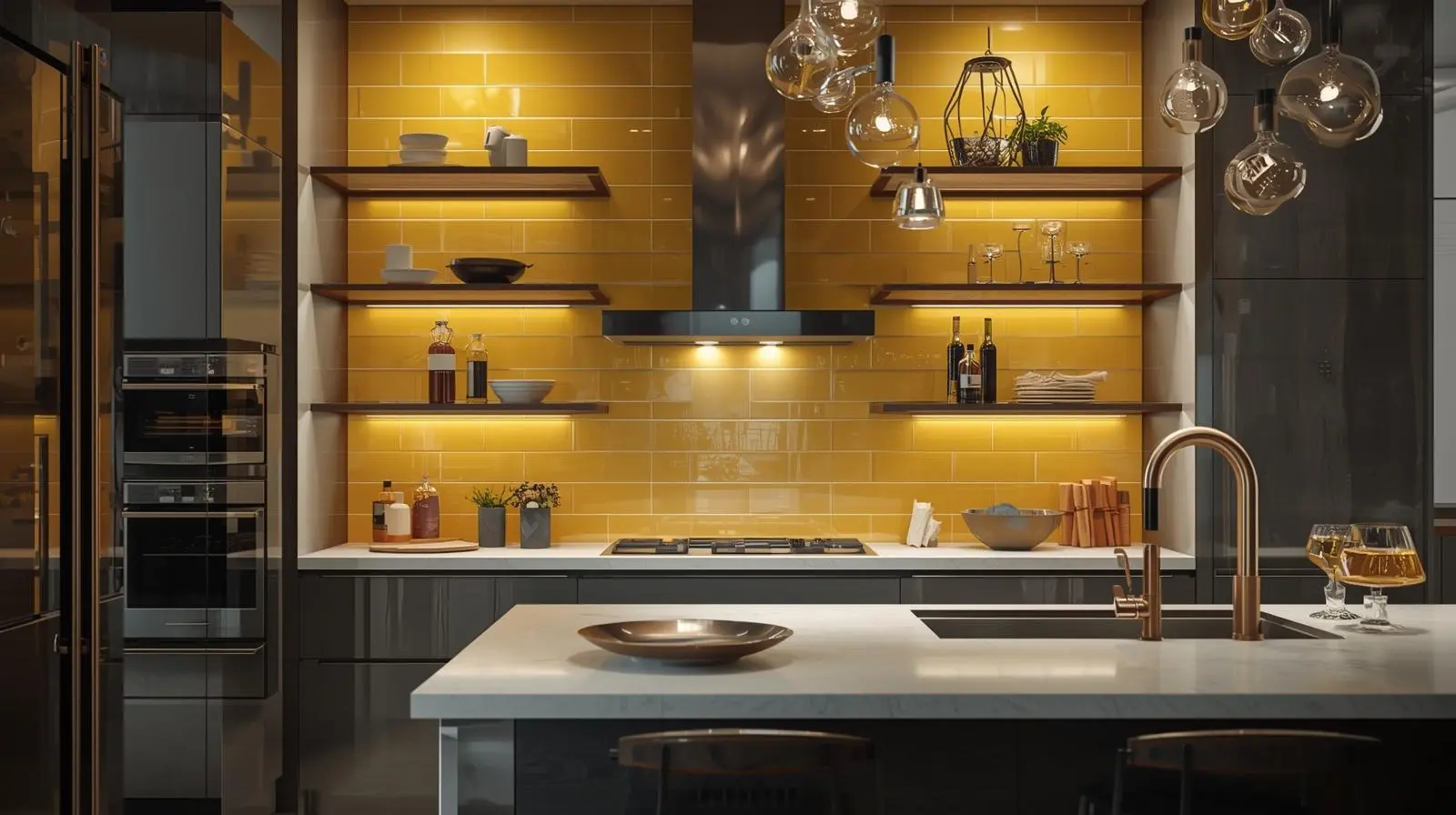
7. Subway Tiles as Statement Elements in Streamlined Kitchens
Within minimalist kitchen concepts, subway tiles achieve an ideal equilibrium between utility and aesthetic interest. Their consistency allows architectural elements and material selections to command attention without excessive visual competition. Implementing floor-to-ceiling subway tile applications can produce compelling visual impact while preserving a refined, uncluttered appearance. Professional installation techniques, including those recommended by the Ceramic Tile Distributors Association, ensure long-lasting beauty and performance.
Architectural consideration: When combined with premium elements such as brass hardware or quartz surfaces, subway tiles enhance the complete kitchen composition, establishing a cohesive, high-caliber aesthetic. For those interested in complementary decorative patterns, exploring terrazzo look tiles can provide accent opportunities that harmonize with subway tile installations.
The lasting prominence of subway tiles in luxury kitchen design reflects their adaptability, refinement, and timeless character. Whether developing a minimalist environment or an elaborately detailed layout, subway tiles provide boundless creative opportunities while sustaining sophisticated appeal. For design professionals and architects, subway tiles continue as a fundamental component in establishing luxury kitchen spaces that unite functionality with beauty.
Browse the premium tile selections when you shop at our tile and stone company, and learn how subway tiles can transform your upcoming luxury kitchen project. For personalized guidance and to explore our full range of materials, don't hesitate to contact our design experts.
Conclusion
Subway tiles have earned their place as an indispensable element in luxury kitchen design through their remarkable fusion of form and function. Their journey from utilitarian subway stations to becoming a cornerstone of high-end residential architecture demonstrates their unmatched versatility and enduring appeal. For architects and designers working on premium projects, subway tiles offer a rare combination of practical benefits and aesthetic refinement that few materials can match.
The beauty of subway tiles lies in their chameleon-like nature, they can anchor a minimalist space with quiet elegance or serve as a bold statement piece when rendered in dramatic hues and premium materials. Their adaptability across installation patterns, material choices, and color palettes ensures they remain relevant regardless of evolving design movements. Whether you're crafting a contemporary culinary space with sleek porcelain tiles or introducing artisanal character through handmade ceramic variations like the Imagine 3x12 Matte Porcelain Subway Tile, subway tiles provide the foundation for exceptional kitchen environments.
As sustainability continues shaping design decisions and clients demand both beauty and performance, subway tiles rise to meet these expectations. Their durability ensures long-term value, while eco-friendly options allow designers to align luxury with environmental responsibility. Protection during installation, as discussed in resources on tile edge protection, helps preserve the investment in premium materials. When you choose subway tiles for your next high-end kitchen project, you're selecting a material that honors tradition while embracing innovation, a timeless investment in sophisticated design that will remain beautiful for decades to come.
Frequently Asked Questions
What makes subway tiles suitable for high-end kitchen designs?
Subway tiles excel in luxury kitchens due to their timeless aesthetic, exceptional durability, and remarkable versatility. Their clean lines and geometric precision create sophisticated visual foundations that complement premium materials like marble countertops and brass fixtures. Additionally, high-end subway tiles are available in luxury materials including handcrafted ceramics, marble, and glass, transforming them from simple backsplash elements into architectural features. To explore the full spectrum of options available, reviewing the products we carry can reveal unexpected possibilities. Their stain-resistance and easy maintenance make them practical for busy kitchens without compromising elegance.
How can I create a unique look with subway tiles beyond the traditional pattern?
Subway tiles offer extensive creative possibilities through alternative installation patterns. Consider herringbone arrangements for dynamic visual movement, vertical stacking for height emphasis, or basketweave configurations for textural complexity. You can also experiment with contrasting grout colors to highlight individual tiles, mix different tile sizes within the same installation, or create focal points by combining matte and glossy finishes. Full-height installations from counter to ceiling produce dramatic impact while maintaining clean aesthetics. For inspiration on diverse color applications, shopping tiles by color can spark creative pattern and palette combinations.
What are the best subway tile materials for luxury kitchen applications?
Premium subway tile materials for high-end kitchens include porcelain for superior durability and stain resistance, marble for natural elegance and unique veining patterns, glass for reflective qualities that enhance lighting, and handcrafted ceramic for artisanal character with subtle variations. Each material offers distinct advantages, porcelain excels in high-traffic areas, marble provides unmatched luxury appeal, glass maximizes light reflection in darker spaces, and artisan ceramics introduce bespoke qualities that elevate the overall design. Learning more about us can help you understand our commitment to sourcing only the finest materials for luxury applications.
Are subway tiles appropriate for sustainable and eco-friendly kitchen designs?
Absolutely. Subway tiles align perfectly with sustainable design objectives through various eco-friendly options. Recycled glass subway tiles offer contemporary aesthetics while repurposing materials and reducing environmental impact. Sustainably sourced ceramics from responsible manufacturers provide another environmentally conscious choice. Many subway tiles also boast exceptional longevity, reducing replacement frequency and minimizing waste over time. Their timeless design ensures they won't require updating due to trend cycles, further contributing to sustainable design practices.
What color options work best for subway tiles in luxury kitchens?
While classic white subway tiles remain eternally sophisticated, luxury kitchens benefit from expanded color palettes. Deep tones like midnight navy, charcoal gray, and forest green create dramatic, high-contrast statements perfect for contemporary spaces. Soft neutrals including cream, taupe, and warm gray offer subtle elegance that complements various design styles. Metallic finishes in bronze, copper, or pewter introduce reflective luxury, while jewel tones like emerald or sapphire provide bold sophistication. The optimal color depends on your overall design vision, existing materials, and desired atmosphere, darker hues add drama and intimacy, while lighter shades enhance spaciousness and brightness. For convenient exploration of available materials, you can shop tiles by type to compare different finishes and textures across color families. Additionally, if you prefer supporting local businesses, consider shopping local to see our tile selections in person.