Subway tile maintenance is generally straightforward, requiring regular cleaning with mild soap and water, though grout lines need periodic sealing and deeper cleaning to prevent staining and mold growth. For professional guidance on tile care and maintenance standards, resources like the Ceramic Tile Distributors Association offer helpful information. The ease of maintaining subway tiles largely depends on your grout color choice, tile finish, and the layout pattern you select.
While these classic tiles offer durability and timeless appeal, understanding the real maintenance requirements helps you make informed decisions for your kitchen or bathroom renovation. If you've fallen in love with subway tile layouts for your next home project, you're not alone. These rectangular beauties have dominated design magazines and Pinterest boards for years, promising both style and simplicity.
But before you commit to that gorgeous herringbone subway tile backsplash or eye-catching vertical subway tile installation, let's talk honestly about what maintaining these surfaces actually entails. This guide cuts through the marketing hype to reveal the true maintenance story, complete with practical solutions that save you time and frustration down the road.
Understanding Subway Tile Surfaces and Maintenance Needs
The maintenance level of your subway tile installation varies significantly based on three critical factors: tile material, surface finish, and installation quality. Ceramic and porcelain subway tiles dominate the market, with porcelain options offering superior stain resistance due to their denser composition and lower porosity rating.
Glossy subway tiles show water spots and fingerprints more readily than matte finishes, requiring more frequent wiping to maintain their shine. However, glossy surfaces actually repel stains better than textured or matte tiles, which can trap dirt in their microscopic surface variations. 3D decorative subway tiles with raised patterns create additional crevices where grime accumulates, demanding more detailed cleaning attention.
Installation quality directly impacts long-term maintenance requirements. According to ANSI installation standards, professional installation following industry guidelines dramatically reduces future maintenance headaches. Working with qualified tile installers ensures your subway tile project starts with a solid foundation.

The Grout Reality: Your Biggest Maintenance Factor
Here's the truth most homeowners discover too late: grout maintenance determines whether your subway tile project remains beautiful or becomes a nightmare. Those crisp grout lines that define modern subway tile patterns are also the primary vulnerability in your installation.
Light Grout vs. Dark Grout: The Great Debate
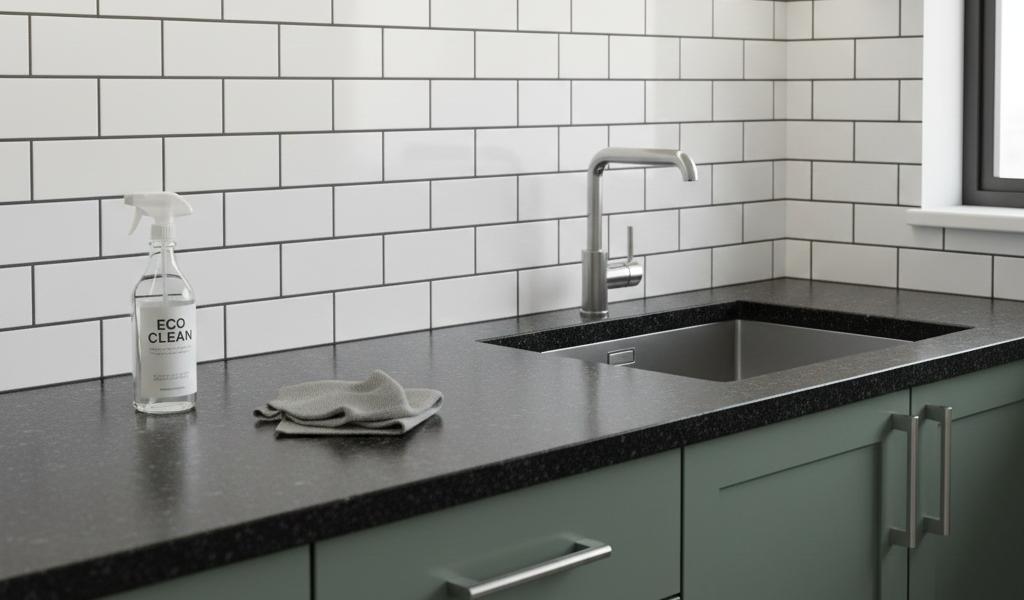
White or light gray grout creates stunning contrast with colored subway tile, but it shows every speck of dirt, soap scum, and discoloration. Dark grout with white subway tile offers a dramatic aesthetic while hiding stains effectively, though it can show efflorescence (white mineral deposits) more noticeably in wet areas. Regular maintenance using proper cleaning techniques for porcelain tile can help preserve both grout and tile appearance regardless of your color choice.
The concept of subway tile with dark grout has gained tremendous popularity precisely because it reduces visible staining. Charcoal, black, or deep gray grout lines maintain their appearance far longer between deep cleanings compared to bright white alternatives.
Grout Sealing: Non-Negotiable Maintenance
Unsealed grout acts like a sponge, absorbing liquids, oils, and staining agents that penetrate deep into the porous cement-based material. Professional sealers create a protective barrier that dramatically extends the time between intensive cleaning sessions.
Grout Sealing Schedule:
- Initial sealing: 48-72 hours after grout curing (typically 3-4 weeks post-installation)
- High-moisture areas (showers, tub surrounds): Reseal every 6-12 months
- Low-moisture areas (kitchen backsplashes): Reseal every 12-24 months
- Test water absorption annually: Drop water on grout; if it beads up, sealer is working; if it soaks in, time to reseal
Epoxy grout eliminates sealing requirements entirely by using resin instead of cement, offering superior stain resistance and durability. While more expensive initially, epoxy grout reduces long-term maintenance substantially, particularly for basketweave subway tile or chevron subway tile patterns where grout lines dominate the visual field.

How Tile Patterns Affect Cleaning Difficulty
Different subway tile layouts present varying maintenance challenges based on grout line quantity and accessibility. Standard horizontal running bond offers the simplest cleaning experience with straightforward grout lines and easy-to-reach surfaces.
Herringbone subway tile backsplash installations create approximately 40% more grout lines than traditional layouts, translating directly to increased cleaning surface area. The diagonal orientation also creates corner angles where grime accumulates more stubbornly. Similarly, chevron subway tile patterns produce continuous V-shaped joints that require careful attention during cleaning.
Vertical subway tile arrangements reduce horizontal grout lines, which typically accumulate more debris from gravity and water runoff. Basketweave subway tile patterns combine both orientations, creating intricate grout networks that demand the most cleaning time and effort.
Maintenance Comparison by Pattern
Layout Pattern | Grout Line Density | Cleaning Time (per 10 sq ft) | Difficulty Level |
Horizontal Running Bond | Standard (100%) | 15-20 minutes | Easy |
Vertical Stack | Reduced (85%) | 12-18 minutes | Easy-Moderate |
Herringbone | Increased (140%) | 25-35 minutes | Moderate-Hard |
Chevron | Increased (130%) | 22-30 minutes | Moderate-Hard |
Basketweave | Highest (150%) | 30-40 minutes | Hard |
These time estimates assume routine cleaning; deep cleaning sessions will take considerably longer depending on grout condition and staining severity.
Daily and Weekly Maintenance: Building Good Habits
Consistent light cleaning prevents the buildup that requires aggressive intervention later. For subway tile kitchen ideas to remain pristine, incorporate these habits into your routine maintenance schedule.
Daily Quick-Clean Routine (5 minutes):
- Wipe down backsplash tiles after cooking to remove grease spatter
- Squeegee shower walls after each use to prevent water spots and soap buildup
- Address spills immediately before they dry or stain grout lines
- Ventilate bathrooms to reduce moisture accumulation
Weekly Deep-Clean Routine (15-20 minutes):
- Mix warm water with pH-neutral tile cleaner (avoid acidic or alkaline cleaners that damage grout)
- Spray solution generously over entire tiled surface
- Let sit for 3-5 minutes to loosen grime
- Scrub tiles with microfiber cloth or soft sponge
- Address grout lines with dedicated grout brush or old toothbrush
- Rinse thoroughly with clean water
- Dry with clean towel to prevent water spots
The matte porcelain options available at specialty retailers require slightly different care than glossy ceramic versions. Matte surfaces hide water spots naturally but may need more frequent scrubbing to remove embedded soil from their textured finish.

Color Choice Impact: Beyond Aesthetics
Colored subway tile selections affect both visual maintenance perception and actual cleaning requirements. Pure white tiles show discoloration, yellowing, and grout darkening most dramatically, creating the impression of a dirty surface even when relatively clean.
Mid-tone colors like gray, beige, or sage green camouflage minor imperfections and slight grout discoloration naturally. These shades maintain their fresh appearance longer between deep cleaning sessions, making them practical choices for busy households. Browse tiles by color to explore how different hues impact your maintenance expectations.
Dark subway tiles hide dirt exceptionally well but magnify water spots, soap residue, and mineral deposits. Glossy dark tiles show every fingerprint and streak, requiring frequent buffing to maintain their lustrous appearance. Patterned or multicolored tiles with terrazzo effects offer the ultimate maintenance advantage by incorporating visual "noise" that disguises imperfections. Terrazzo-look options combine subway tile's classic shape with busy patterns that practically hide dirt and wear.
Troubleshooting Common Maintenance Problems
Even with excellent care routines, subway tile installations face specific challenges that require targeted solutions. Understanding these issues helps you respond effectively when they arise.
Soap Scum and Hard Water Deposits
Bathroom installations face constant assault from alkaline soap residues and mineral-rich water. These deposits build gradually, creating cloudy films that dull tile shine and discolor grout lines.
Natural solutions include white vinegar spray (50/50 with water) for light buildup, lemon juice for targeted mineral deposit removal, and commercial enzymatic cleaners that break down organic residues without harsh acids. For severe hard water staining, professional restoration services use specialized equipment unavailable to homeowners.
Mold and Mildew Growth
Moisture-rich environments encourage microbial growth, particularly in grout lines and caulked joints. Black or pink mold appears first in corners, along tub edges, or around fixtures where water pools.
Pros and Cons of Common Mold Solutions:
Bleach:
- Pros: Kills mold effectively, whitens grout, readily available
- Cons: Damages grout sealers, toxic fumes, doesn't prevent return
Hydrogen Peroxide:
- Pros: Effective antimicrobial, less toxic than bleach, doesn't damage sealers
- Cons: Slower acting, multiple applications needed
Commercial Mold Removers:
- Pros: Formulated for tile/grout, includes preventive agents, fast-acting
- Cons: Expensive, chemical-heavy, requires ventilation
Natural Solutions (Tea Tree Oil, Vinegar):
- Pros: Non-toxic, environmentally friendly, gentle on sealers
- Cons: Less effective on established growth, ongoing application needed
Prevention strategies matter more than treatment for long-term mold control. Adequate ventilation, regular drying, and maintaining grout sealer integrity create environments where mold struggles to establish.
Size Matters: How Tile Dimensions Affect Upkeep
Standard 3x6 subway tiles balance visual appeal with practical maintenance. Larger format subway tiles (4x12, 4x16, or even 6x24) reduce grout lines proportionally, cutting cleaning time and long-term maintenance requirements significantly.
Fewer grout joints mean less surface area requiring sealing and maintenance, reduced opportunities for staining, cleaner contemporary aesthetics, and faster installation. However, larger tiles require flatter substrate surfaces and cost more per tile. Consider tiles by size when planning projects to balance aesthetic preferences with realistic maintenance commitments.
Smaller tiles create busier visual patterns with dramatically increased grout line density. While charming for accent walls or small powder rooms, these dimensions multiply maintenance requirements proportionally.

Smart Product Selection Reduces Future Headaches
Forward-thinking product choices during your renovation phase dramatically impact maintenance requirements for years to come. Beyond tile aesthetics, consider practical performance characteristics that affect daily upkeep.
Tile Selection Priorities for Easy Maintenance:
- Porcelain over ceramic for superior stain resistance
- Glazed surfaces over unglazed for easier cleaning
- Larger format tiles to minimize grout lines
- Slight texture rather than high gloss or completely matte
- Mid-tone colors that hide minor imperfections
Grout selection matters equally: specify epoxy grout for wet areas despite higher costs, and choose darker colors for installations where perfect cleanliness isn't realistic. Consider pre-sealed grout products that eliminate one maintenance step entirely.
Visit showrooms to compare surface finishes in person, as photos rarely capture how differently glossy versus matte tiles behave in real-world conditions. Explore products by style to find options matching your aesthetic preferences and maintenance tolerance. According to ceramic tile standards, properly installed and maintained tile installations should last decades without replacement.
Making the Final Decision: Is Subway Tile Right for You?
After understanding the complete maintenance picture, you can make informed decisions about subway tile installations. These classic tiles absolutely deserve their enduring popularity, but they're not maintenance-free despite marketing claims suggesting otherwise. If you're exploring alternatives, ceramic mosaic tiles offer different maintenance considerations worth comparing.
Subway tiles work beautifully when you're willing to invest 15-20 minutes weekly in basic cleaning, can commit to annual or biannual sealing routines, choose practical grout colors and tile finishes, and select patterns matching your maintenance tolerance.
Reconsider subway tiles if you want truly zero-maintenance surfaces, are unwilling to address grout care requirements, or expect perfection without ongoing effort. The honest answer to "Is subway tile maintenance really easy?" is: relatively yes, compared to many alternatives-especially when you choose porcelain over non-porcelain options-but absolutely no if you expect zero effort.
Resources like industry events and design trends help you stay informed about subway tile bathroom trends and maintenance innovations. Organizations like NKBA provide guidance on professional standards for quality installations.
Conclusion
Subway tile maintenance requires honest assessment of your cleaning habits, lifestyle realities, and aesthetic priorities. These versatile tiles offer genuine advantages, including durability, timeless appeal, and reasonable upkeep requirements, but they demand consistent attention to maintain their showroom appearance.
The key to subway tile success lies in smart planning: selecting appropriate grout colors, choosing tile finishes matching your tolerance for visible imperfections, and establishing maintenance routines before problems develop. Understanding creative backsplash ideas helps you balance beauty with practicality.
Ready to start your subway tile project with complete confidence? The experts at this trusted tile retailer help you select materials perfectly suited to your maintenance preferences and design vision. Browse the complete tile selection or contact the design team to discuss your specific project requirements. Discover how the right tile choices, combined with realistic maintenance planning, create spaces you'll love living with for years to come. Explore all available products to find your perfect match.
Frequently Asked Questions
How often should I seal subway tile grout?
Cement-based grout in high-moisture areas like showers needs resealing every 6-12 months, while kitchen backsplashes can go 12-24 months between applications. Test your grout annually by dropping water on it; if water beads up, the sealer is working, but if it absorbs into the grout, it's time to reseal. Epoxy grout never requires sealing.
Does dark grout really stay cleaner than white grout?
Dark grout hides staining and discoloration far more effectively than white grout, making it appear cleaner longer. However, dark grout shows white efflorescence (mineral deposits) more noticeably in wet areas, and it still requires the same sealing and cleaning routines as light grout to prevent actual deterioration.
What's the easiest subway tile pattern to maintain?
Standard horizontal running bond (traditional brick pattern) offers the simplest maintenance with straightforward grout lines and minimal surface area to clean. Vertical stack patterns reduce horizontal grout lines slightly, while herringbone, chevron, and basketweave patterns create 30-50% more grout lines, increasing cleaning time proportionally.
Can I use vinegar to clean subway tile?
Diluted white vinegar (50/50 with water) works well for ceramic and porcelain tile surfaces and effectively removes soap scum and light mineral deposits. However, avoid using vinegar on natural stone subway tiles or directly on grout lines frequently, as the acid can gradually damage grout sealers and deteriorate cement-based grout over time.
How do I remove stubborn stains from white grout?
Create a paste using baking soda and hydrogen peroxide, apply it to stained grout lines, let sit for 10-15 minutes, then scrub with a stiff brush. For deeper stains, use oxygen bleach products specifically formulated for grout. If stains persist after multiple treatments, consider professional grout recoloring services rather than continuing aggressive home treatments that might damage the grout structure.