Subway Tiles Are No Longer Just White Rectangles
Subway tiles have transformed from simple white rectangles into a versatile design element. Today's formats include bold colors, oversized dimensions, and creative installation patterns that redefine interior spaces. This evolution gives homeowners and designers unprecedented freedom to express personal style.
Traditional subway tiles emerged in early 1900s New York City transit stations. Their clean lines and durability made them practical for high-traffic areas. Modern innovations have expanded their potential far beyond utilitarian purposes. Contemporary designs now feature vibrant hues, varied textures, and unconventional layouts that challenge historical norms.
This comprehensive guide explores how subway tiles have evolved into statement-making design features. You'll discover trending color palettes, innovative sizing options, and installation techniques that add visual interest. We'll cover practical applications for different rooms, compare traditional versus modern approaches, and provide actionable tips for selecting tiles that match your vision. Whether you're planning a kitchen backsplash renovation or a complete bathroom redesign, understanding these developments will help you make informed choices.
Why Modern Subway Tile Designs Matter For Your Space
Contemporary subway tile innovations offer substantial advantages over conventional options. Bold colors create focal points that anchor room designs and reflect personality. Larger formats reduce grout lines, minimizing maintenance while creating streamlined appearances. Vertical stacking patterns add height perception, making spaces feel more expansive and architecturally interesting.
These design choices directly impact both aesthetics and functionality. Ceramic tile technology has advanced significantly, offering improved durability ratings according to ANSI standards. Modern manufacturing processes produce tiles with consistent dimensions and enhanced surface treatments. This precision allows for tighter installations and more dramatic pattern work.
Key benefits of modern subway tile designs include:
- Enhanced Visual Impact: Bold colors and unique patterns transform ordinary surfaces into design statements
- Improved Maintenance: Larger tiles mean fewer grout lines to clean and seal over time
- Increased Flexibility: Diverse formats accommodate various spatial constraints and design goals
- Better Durability: Advanced materials resist staining, scratching, and moisture damage more effectively
- Timeless Investment: Quality tiles maintain appearance and value throughout decades of use
The Natural Stone Institute confirms that properly installed tile surfaces outlast many alternative materials. Understanding these advantages helps prioritize which features matter most for your specific project requirements and budget constraints.
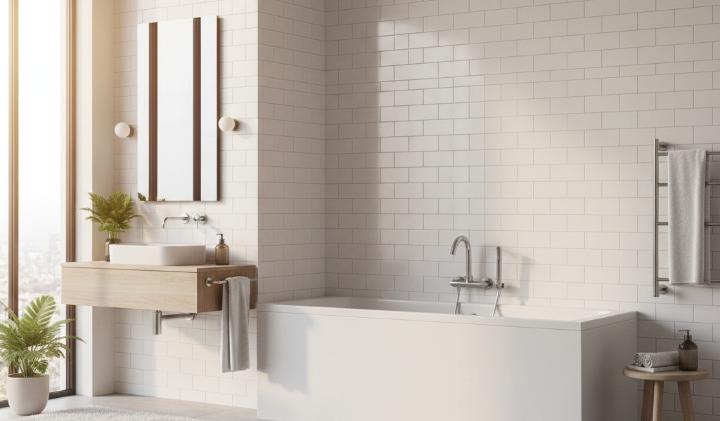
Creative Applications For Every Room And Style
White Subway Tiles With Contrasting Grout
White subway tiles remain popular but modern applications use unexpected grout colors. Dark grout creates grid-like patterns that emphasize geometric precision. This contrast suits industrial aesthetics and contemporary kitchens. The technique works especially well with glossy subway tiles that reflect light dynamically throughout the day.
Charcoal or black grout with white tiles delivers bold definition without overwhelming neutral palettes. The combination frames each tile individually, creating texture through shadow and dimension. This approach transforms simple materials into sophisticated design features suitable for both residential and commercial applications.
Black Subway Tiles For Dramatic Statements
Black subway tiles establish moody, sophisticated atmospheres in bathrooms and accent walls. Matte finishes absorb light for intimate settings while glossy versions add glamorous reflections. Pairing black tiles with metallic fixtures creates luxurious contrast that elevates standard spaces into spa-like retreats.
Consider using black tiles in vertical stack patterns for shower enclosures. This installation method emphasizes ceiling height while maintaining clean lines. The Ceramic Tile Foundation recommends proper edge protection when using dark tiles to prevent visible chips or damage along exposed edges.
Grey Subway Tiles For Versatile Neutrals
Grey subway tiles bridge warm and cool tones, adapting to various design directions. Light grey provides subtle contrast against white cabinetry without stark transitions. Medium grey grounds colorful accent pieces while maintaining sophisticated restraint. These versatile options work across traditional, transitional, and modern aesthetics.
Porcelain subway tiles in grey tones offer exceptional durability for high-use areas. Their dense composition resists moisture absorption better than ceramic alternatives. This characteristic makes them ideal for bathroom walls and kitchen backsplash installations where water exposure occurs regularly.
Blue Subway Tiles For Coastal Charm
Blue subway tiles evoke seaside tranquility and work beautifully in bathrooms or laundry rooms. Soft aqua shades create calming environments while navy delivers bolder impact. Mixing blue tiles with white creates classic nautical themes that never feel dated or overly thematic.
Consider graduated blue tones in ombre installations that transition from light to dark. This technique adds artistic interest without requiring complex patterns or multiple tile types. The effect works particularly well in shower surrounds and behind freestanding tubs.
Green Subway Tiles For Natural Connections
Green subway tiles bring organic warmth into interior spaces. Sage and mint tones complement natural wood elements and brass fixtures. Deeper emerald or forest greens create jewel-toned richness suitable for powder rooms or feature walls that demand attention.
These color options pair exceptionally well with marble countertops and natural stone accents. The combination creates cohesive designs that feel collected rather than coordinated. Green tiles also photograph beautifully, maintaining their appeal across various lighting conditions and camera settings.
Marble Subway Tiles For Timeless Elegance
Marble subway tiles offer natural veining patterns that ensure each installation remains unique. Carrara marble provides classic white-and-grey tones while Calacatta delivers more dramatic veining. These natural materials develop subtle patinas over time, adding character that manufactured tiles cannot replicate.
The National Park Service notes that marble rates lower on the Mohs hardness scale than porcelain. This softness requires appropriate sealing and maintenance. However, the aesthetic rewards justify the additional care for homeowners seeking authentic luxury materials.
Innovative Textures And Finishes
Matte subway tiles provide contemporary alternatives to traditional glossy surfaces. Their soft sheen hides water spots and fingerprints better while offering sophisticated understated elegance. Three-dimensional textured tiles add tactile interest and play with light differently throughout the day.
Combining different finishes within the same color creates subtle variation without overwhelming visual cohesion. This layered approach adds depth to monochromatic schemes while maintaining design restraint appropriate for long-term satisfaction.
Comparing Traditional Versus Modern Subway Tile Approaches
Aspect | Traditional Approach | Modern Approach |
Size | 3x6 inches standard | 3x12, 4x12, 6x12 inches common |
Color | White or cream only | Full spectrum including bold hues |
Pattern | Brick/running bond | Vertical stack, herringbone, diagonal |
Finish | Glossy ceramic | Matte, textured, mixed finishes |
Grout | White matching tile | Contrasting colors for definition |
Application | Bathrooms and kitchens only | Any interior wall surface |
This comparison illustrates how design possibilities have expanded significantly. Traditional approaches emphasized uniformity and practicality. Modern interpretations prioritize personal expression and architectural interest. Neither approach is inherently superior; the best choice depends on your specific aesthetic goals and spatial context.
Step-By-Step Guide To Planning Your Subway Tile Project
Step 1: Measure Your Space Accurately
Calculate total square footage including a 10% overage for cuts and future repairs. Measure wall heights and widths at multiple points since walls rarely run perfectly straight. Document any obstacles like outlets, windows, or fixtures that require special cuts.
Step 2: Select Your Tile Format And Color
Choose tile dimensions based on room proportions and desired visual effect. Larger tiles suit expansive walls while smaller formats work better in compact spaces. Consider how tile sizes affect grout line frequency and maintenance requirements.
Step 3: Determine Your Installation Pattern
Decide between traditional running bond, vertical stack, herringbone, or diagonal layouts. Each pattern creates different visual movement and spatial perception. Review examples at showrooms to see patterns at full scale before committing.
Step 4: Order Samples And Test Placement
Request physical samples to evaluate color, texture, and finish under your specific lighting conditions. Test tile samples against existing elements like cabinetry and countertops. Natural and artificial light dramatically affect color perception throughout the day.
Step 5: Hire Qualified Installation Professionals
Research licensed tile installers with verifiable references and portfolio examples. Trusted resources like the National Kitchen & Bath Association can help you identify qualified professionals. Discuss substrate preparation, waterproofing requirements, and layout preferences during initial consultations. Quality installation determines long-term performance regardless of tile quality.
Pros And Cons Of Bold Colored Subway Tiles
Pros:
- Create instant focal points that anchor room designs effectively
- Express personality and current design preferences authentically
- Increase perceived home value through distinctive custom finishes
- Photograph beautifully for future resale marketing materials
- Pair well with neutral elements for balanced compositions
Cons:
- May date more quickly than classic neutral options
- Limit flexibility for future style changes without replacement
- Require careful coordination with other design elements
- Can overwhelm small spaces if not balanced properly
- May reduce appeal to some potential home buyers
Consider your long-term plans when selecting bold colors. Homeowners planning to stay long-term can prioritize personal preferences. Those anticipating near-term sales might choose more universally appealing options while still incorporating contemporary patterns.
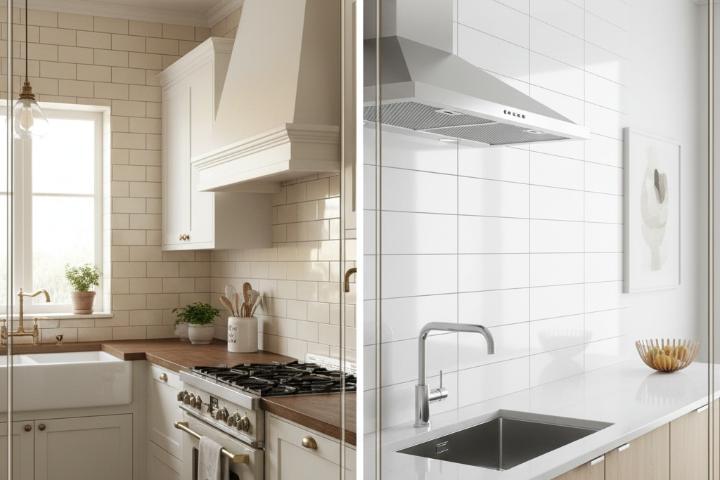
How To Source Quality Subway Tiles And Expert Guidance
Finding reliable tile suppliers ensures access to quality materials and professional support. Established suppliers maintain diverse inventories that allow you to compare options directly. They offer expertise about material characteristics, installation requirements, and maintenance recommendations that online research cannot fully replace.
Look for suppliers offering comprehensive product lines that include ceramic, porcelain, and natural stone options. This variety allows you to evaluate multiple materials within consistent color families. Physical showrooms let you assess true colors and finishes rather than relying on potentially inaccurate digital representations.
Quality suppliers provide essential services beyond product sales:
- Sample Programs: Order small quantities to test at home before purchasing full amounts
- Design Consultation: Access professional input about pattern selection and material compatibility
- Accurate Estimates: Receive guidance calculating quantities including appropriate overage allowances
- Installation Referrals: Connect with qualified professionals experienced with specific tile types
- Warranty Support: Navigate manufacturer warranties and address potential defect claims
Visiting local showrooms lets you build relationships with knowledgeable staff who understand regional installation challenges. They can recommend solutions for climate-specific concerns like humidity control or freeze-thaw cycles. This personalized service proves invaluable when unexpected issues arise during installation.
Reputable suppliers also stay current with industry developments showcased at events like Coverings, North America's largest tile exposition. This knowledge helps them guide customers toward emerging trends and innovative products that meet evolving performance standards.
When evaluating suppliers, verify they offer convenient services like direct shipping to project sites. This logistical support simplifies material handling and reduces risk of damage during transportation. Some suppliers also maintain online catalogs allowing preliminary research before showroom visits.
Conclusion
Subway tiles have transcended their utilitarian origins to become dynamic design elements. Bold colors transform neutral spaces into personalized environments. Larger formats streamline maintenance while creating contemporary aesthetics. Vertical stacking and alternative patterns add architectural interest that elevates ordinary rooms into extraordinary spaces.
The evolution of subway tile design democratizes luxury aesthetics for various budgets. Modern manufacturing delivers exceptional quality across price points. Strategic selections allow homeowners to achieve high-end looks without corresponding costs. Understanding available options empowers confident decision-making that balances aesthetics, functionality, and investment value.
Current trends reflect broader movements toward personalization and authenticity in interior design. Homeowners increasingly reject cookie-cutter approaches in favor of distinctive spaces that reflect individual tastes. Subway tiles provide accessible entry points for this creative expression without requiring extensive renovation budgets or specialized skills.
Ready to explore how modern subway tiles can transform your space? Discover extensive collections featuring the latest colors, sizes, and finishes. Browse style-specific options to find tiles matching your aesthetic vision. Connect with design experts who can guide your selection process and ensure successful project outcomes. Start planning your transformation today by exploring 3x6 subway tile options or experimenting with colored subway tiles that make bold statements.
Frequently Asked Questions
What size subway tiles are most popular currently?
While traditional 3x6-inch tiles remain popular, larger formats like 3x12 and 4x12 inches are trending strongly. These elongated proportions create more contemporary looks with fewer grout lines. The best size depends on your room proportions and desired aesthetic. Larger spaces can accommodate bigger tiles while compact areas often benefit from traditional dimensions.
How do I choose between glossy and matte subway tile finishes?
Glossy finishes reflect light beautifully and work well in smaller spaces needing brightness. They show water spots and require frequent cleaning. Matte finishes hide imperfections better and suit contemporary aesthetics. Porcelain options with matte finishes offer excellent stain resistance. Consider your maintenance preferences and lighting conditions when deciding.
Can subway tiles work in rooms beyond kitchens and bathrooms?
Absolutely. Subway tiles now appear in mudrooms, laundry rooms, and even as accent walls in living areas. Their durability suits high-traffic zones while their aesthetic versatility complements various design styles. Modern tile applications extend to unexpected locations including fireplace surrounds and home offices. The key is selecting appropriate colors and patterns for each space's function.
What installation pattern makes small spaces feel larger?
Vertical stacking patterns draw eyes upward, creating height perception that makes rooms feel more spacious. Light-colored tiles in vertical arrangements work especially well. Horizontal installations can make narrow spaces feel wider. Diagonal patterns add visual interest but may overwhelm very small areas. Consult with installation professionals about which orientation best suits your specific dimensions.
How do colored subway tiles affect resale value?
Quality tile installations generally maintain home value regardless of color choice. Bold colors appeal strongly to some buyers while potentially limiting appeal to others. Neutral colors offer broader market appeal but may not command premium pricing. The Tile Council notes that quality materials and professional installation matter more than specific color selections. If resale is imminent, consider contemporary neutrals. For long-term residency, prioritize personal preference.