Vintage subway tiles are rectangular ceramic or porcelain tiles, typically measuring 3x6 or 3x9 inches, that originated from early 20th-century transit systems and remain one of the most aesthetically versatile design choices for kitchens and bathrooms. Their enduring appeal stems from clean geometric lines, timeless proportions, and the ability to adapt to both traditional and contemporary design styles through varied colors, finishes, and installation patterns.
These tiles offer exceptional aesthetic value through multiple design dimensions: beveled edges create dimensional shadow play, glossy or matte finishes control light reflection, and strategic grout color choices either emphasize or minimize the grid pattern. The rectangular format pairs seamlessly with natural wood, metal fixtures, and stone countertops while maintaining visual interest through changing natural light throughout the day.
Whether installed in classic white with contrasting grout for graphic impact, or in deeper shades like navy and charcoal for contemporary drama, vintage subway tiles transform functional spaces into sophisticated environments. Their modest scale prevents overwhelming smaller rooms while providing adequate visual rhythm in larger areas, making them suitable for full-wall applications, backsplashes, shower enclosures, and accent walls across residential projects.
The Visual Poetry of Classic Rectangular Design
The beauty of vintage subway tiles begins with their elegant proportions. Measuring traditionally at 3x6 inches or 3x9 inches, these rectangular pieces create visual rhythm that draws the eye naturally across walls and surfaces. The dimensions create balance not too bold, not too subtle making them perfect for various applications from kitchen backsplashes to bathroom walls.
What makes these tiles aesthetically remarkable is their ability to work with multiple design philosophies simultaneously. In minimalist spaces, they provide texture without overwhelming simplicity. In traditional homes, they echo historical authenticity. For eclectic interiors, they serve as the perfect neutral canvas that allows other design elements to shine.
The rectangular format also offers incredible pattern flexibility. Whether arranged in classic running bond, stacked grid, herringbone, or vertical configurations, each layout creates distinct visual interest. This geometric versatility means you can adapt the same tile to completely different aesthetic outcomes simply by changing the installation pattern.

Color Variations That Tell Different Stories
While white remains the quintessential subway tile color choice, the aesthetic possibilities extend far beyond this classic option. Our curated color selections maintain vintage charm while adapting to contemporary preferences.
Soft cream and ivory tones bring warmth to spaces, creating environments that feel inviting rather than clinical. These warmer neutrals work beautifully in traditional kitchens where comfort matters as much as style. The subtle color variation prevents monotony while maintaining the clean aesthetic that subway tiles are known for.
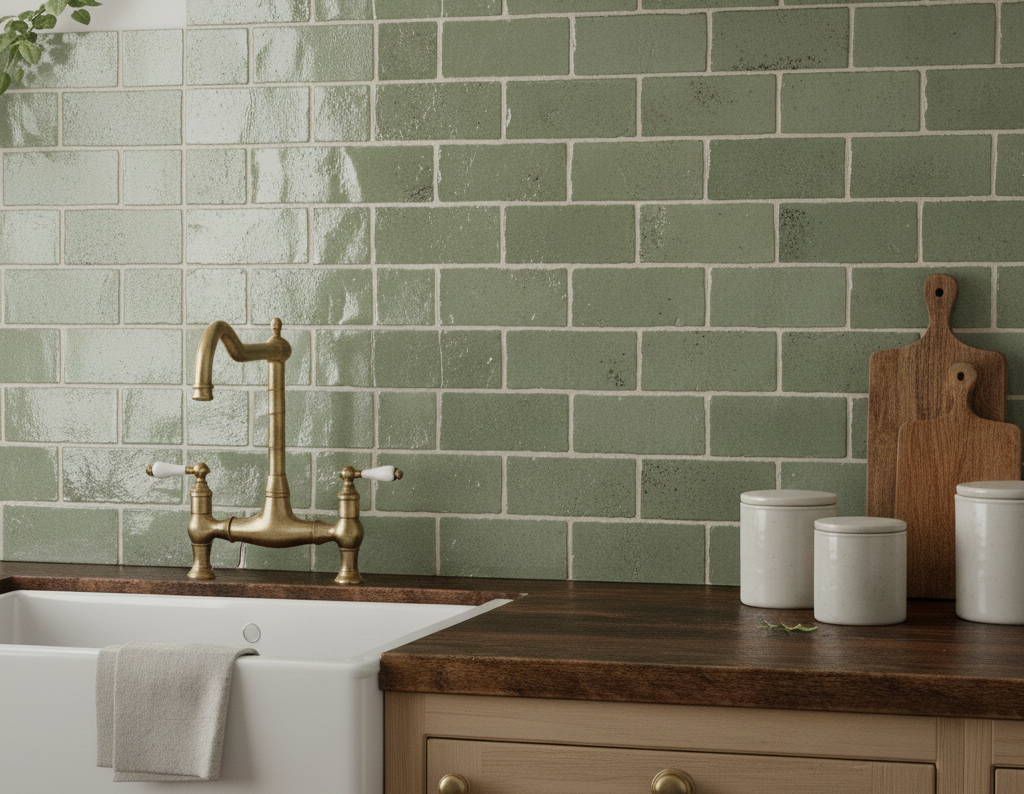
For those seeking drama without sacrificing sophistication, deeper shades like charcoal, navy, or forest green deliver striking impact. These rich colors maintain the vintage tile aesthetic while making bold contemporary statements. When paired with brass fixtures or natural wood elements, dark subway tiles create depth that elevates entire rooms from ordinary to extraordinary.
Pastel options including soft blues, gentle greens, and muted pinks offer another aesthetic direction. These colors reference vintage bathrooms and current trends while feeling thoroughly modern when paired with updated fixtures and contemporary furniture.
Surface Finishes That Define Character
The finish applied to vintage subway tiles dramatically affects their aesthetic presence. Glossy surfaces catch and reflect light, creating dynamic visual interest that changes throughout the day as natural illumination shifts. This reflective quality makes spaces feel larger and brighter particularly valuable in smaller kitchens or bathrooms where maximizing light perception matters.
Matte finishes offer understated sophistication. Without the shine of glossy alternatives, matte subway tiles create calm, grounded environments. The subtle surface doesn't compete for attention, allowing beautiful cabinetry, artwork, or architectural details to become focal points. Matte tiles also hide water spots and fingerprints more effectively, maintaining their pristine appearance with less maintenance.
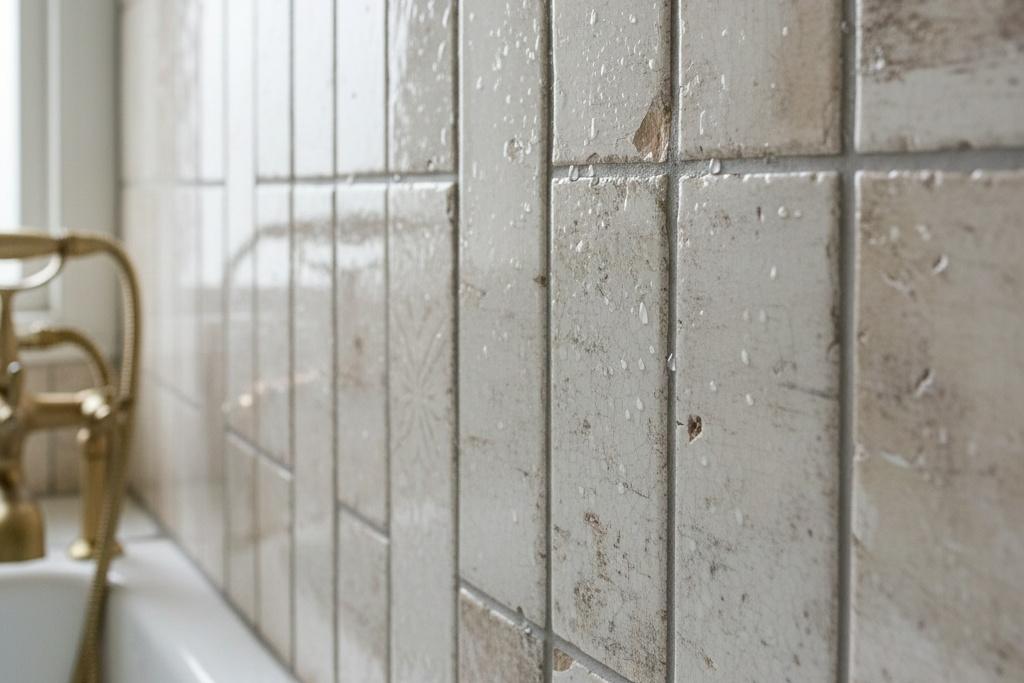
Textured or handmade-look finishes bring artisanal character. These surfaces feature slight irregularities that reference historical manufacturing methods, creating depth that flat, perfect tiles cannot achieve. The variations in texture catch light differently across the surface, producing organic visual complexity that feels authentic and lived-in.
Grout Lines as Design Elements
The aesthetic impact of vintage subway tiles extends beyond the ceramic pieces themselves grout color and width significantly influence the final appearance. Wide grout lines emphasize the grid pattern, creating graphic impact that celebrates the rectangular format. This approach works beautifully when you want the tiling pattern itself to become a design feature.
Narrow grout lines minimize the grid effect, allowing individual tiles to blend into cohesive surfaces. This approach suits those preferring cleaner, more seamless aesthetics. The tiles appear to flow together rather than existing as distinct units, creating contemporary smoothness while maintaining vintage dimensions.
Grout color choices further refine the aesthetic outcome. Matching grout to tile color produces monochromatic sophistication particularly effective with colored tiles where you want consistent color fields. Contrasting grout creates definition that highlights the pattern and rectangular shape.
Beveled Edges Add Dimensional Interest
Traditional vintage subway tiles often feature beveled edges that enhance installation small angled cuts around each tile's perimeter. This detail creates shadow lines between tiles, adding three-dimensional depth that flat tiles lack. As light moves across beveled tiles throughout the day, the shadows shift, creating living surfaces that change appearance with the sun's position.
The beveled aesthetic references historical manufacturing limitations that have become beloved design features. The play of light and shadow across beveled edges prevents walls from appearing flat or lifeless, instead creating textured surfaces that reward closer inspection.
This dimensional quality makes beveled subway tiles particularly effective for feature walls or areas where you want to create visual interest without introducing multiple materials. A single wall of beveled tiles in a kitchen can provide all the texture and depth needed.
Pairing Possibilities With Other Materials
The neutral aesthetic of vintage subway tiles makes them exceptional partners for other materials. Natural wood whether as floating shelves, window frames, or cabinetry gains warmth and prominence when set against clean tile backgrounds. The contrast between organic wood grain and geometric tile patterns creates balanced compositions that feel both natural and intentional.
Metal accents find perfect complements in subway tiles. Brushed brass fixtures against white tiles evoke Art Deco elegance. Matte black hardware creates contemporary contrast. Stainless steel appliances coordinate effortlessly. The tile's simplicity allows metal finishes to shine as jewelry-like accents rather than competing for visual attention.
Stone countertops whether marble, granite, or quartzite benefit from subway tile accompaniment. The busy veining and natural variation found in quality stone need visual breathing room that subway tiles generously provide. Rather than clashing patterns, the combination allows each material's unique beauty to be fully appreciated.
Lighting Interactions That Enhance Beauty
The way light interacts with vintage subway tiles significantly impacts their aesthetic appeal. Under-cabinet lighting in kitchens creates dramatic effects as illumination grazes across tile surfaces, emphasizing texture and grout lines while casting gentle shadows. This directed lighting transforms functional backsplashes into architectural features.
Natural daylight brings out subtle color variations and surface characteristics that artificial light might miss. Morning sun streaming through windows highlights the handcrafted irregularities in artisanal tiles or emphasizes the pristine perfection of modern manufacturing. These changing light conditions mean subway tile installations never appear static they evolve throughout the day.
Creating Focal Points Through Strategic Placement
Strategic use of subway tiles can create architectural interest where none previously existed. Extending tile coverage from typical backsplash height to ceiling height turns ordinary kitchen walls into dramatic vertical elements. This approach works particularly well behind ranges or sinks, creating defined zones within open layouts.
Accent walls featuring subway tiles in unexpected colors provide focal points without requiring furniture or artwork. A feature wall of deep green or navy tiles in a predominantly white bathroom creates instant sophistication and visual hierarchy.
Niche installations whether in showers or as kitchen shelving gain refinement when lined with subway tiles. The clean lines and rectangular format suit these architectural insertions perfectly, transforming functional elements into aesthetic assets. Browse terrazzo-look options for complementary accent pieces that pair beautifully with classic subway tiles.
The Aesthetic of Authenticity
Modern homeowners increasingly value authenticity and materials that reference craftsmanship traditions. Vintage subway tiles connect to this desire by echoing designs used in early twentieth-century subway systems, hotels, and public buildings. This historical lineage provides aesthetic credibility these tiles aren't trendy inventions but time-tested designs that have proven their enduring appeal.
The simplicity of subway tiles feels honest and unpretentious. In an era of complex patterns and elaborate finishes, their straightforward rectangular form offers refreshing clarity. This aesthetic honesty resonates with those tired of excessive decoration, seeking instead materials that serve functional purposes beautifully.
Choosing vintage-style tiles demonstrates design confidence. Rather than chasing the latest trends, you're investing in classic aesthetics that will remain relevant through multiple design cycles. This timelessness provides both aesthetic and economic value renovations using subway tiles won't feel dated in five years.
Professional Quality Makes the Difference
The aesthetic success of any subway tile installation depends significantly on product quality. Nova Tile and Stone provides carefully selected ceramic and porcelain options manufactured to exacting standards. Consistent sizing ensures proper alignment, while quality glazing maintains color uniformity and surface integrity over years of use.
Our Lucida 3x9 glossy collection exemplifies refined subway tile aesthetics with four curated colors. The 3x9 format offers classic proportions while feeling fresh and contemporary. For those seeking 3D decorative alternatives, our Linear collection provides dimensional interest with glossy finishes.
Additional options include the Imagine 3x12 matte series, which provides ceramic excellence in varied sizes with sophisticated hues that maintain vintage charm while embracing contemporary palettes. Industry standards, including ANSI specifications, ensure that quality tiles meet rigorous performance requirements for residential applications.
Conclusion
Vintage subway tiles offer unmatched aesthetic versatility, combining historical authenticity with contemporary relevance. Their clean rectangular lines create visual rhythm across any space, while finish options, color choices, and pattern possibilities allow extensive customization. Whether you prefer glossy white classics or embrace bolder color statements, these tiles adapt to diverse design visions while maintaining timeless elegance.
The interaction between light and surface, the dimensional interest from beveled edges, and the harmonious pairing with other materials all contribute to the enduring beauty of subway tiles. They transform kitchens and bathrooms from purely functional spaces into environments that inspire daily living through understated sophistication.
We understand that achieving beautiful results requires quality materials and expert guidance. Our free design consultations help you select the perfect tile options for your specific aesthetic goals, ensuring that your renovation delivers the timeless beauty vintage subway tiles promise. Explore our complete tile collection to discover how these classic tiles can elevate your home's aesthetic appeal.
Frequently Asked Questions
What makes vintage subway tiles different from regular rectangular tiles?
Vintage subway tiles reference specific proportions and aesthetic qualities developed for early twentieth-century transit systems. Authentic versions typically measure 3x6 or 3x9 inches with beveled edges that create shadow lines between pieces. The glazing, color options, and overall design philosophy emphasize clean simplicity rather than decorative complexity. While many rectangular tiles exist, true vintage subway tiles maintain these historical characteristics that define their distinctive aesthetic. Organizations like the Ceramic Tile Distributors Association provide certification standards that help identify authentic quality products.
Can subway tiles work in modern contemporary homes?
Absolutely. Subway tiles possess remarkable aesthetic flexibility that allows them to enhance both traditional and ultra-modern spaces. In contemporary settings, they provide textural interest and geometric pattern without introducing visual complexity that might clash with minimalist design principles. Choosing unexpected colors like charcoal or navy, opting for matte finishes, or installing them in unconventional patterns helps subway tiles feel fresh and current while maintaining their classic roots. Design professionals at the National Kitchen & Bath Association frequently showcase subway tiles in cutting-edge contemporary projects. Explore different tile types to find the perfect match for your modern aesthetic.
How do I choose between glossy and matte finish subway tiles?
Your choice depends on aesthetic preferences and practical considerations. Glossy finishes reflect light dramatically, making spaces feel brighter and larger ideal for smaller rooms or areas with limited natural illumination. Matte finishes offer subtle sophistication with less visual shine, creating calmer environments that don't compete with other design elements. Matte surfaces also show water spots and fingerprints less readily, requiring less frequent cleaning to maintain pristine appearance. Understanding the differences between porcelain and non-porcelain tiles can also inform your finish selection. Browse tiles by size to see various finish options available.
What grout color works best with white subway tiles?
No single answer suits all situations grout color should align with your aesthetic goals. White or light grey grout creates monochromatic sophistication where tiles blend into seamless surfaces. This approach maximizes the clean, simple aesthetic subway tiles offer. Darker grout colors like charcoal or black create dramatic contrast, emphasizing the grid pattern and rectangular tile shape. This graphic approach works beautifully in contemporary spaces where you want the tiling pattern itself to become a design feature. Browse different tile styles to see various grout color combinations in action.
Are vintage subway tiles suitable for shower walls?
Yes, when properly specified, ceramic or porcelain subway tiles perform excellently in wet environments including full shower enclosures. The tile material itself is water-resistant, and proper waterproofing beneath the tile, along with correctly sealed grout lines, ensures long-lasting performance. Many people appreciate how subway tiles bring their classic aesthetic into shower spaces, creating visual continuity between dry and wet bathroom areas. Industry events like Coverings showcase the latest innovations in water-resistant tile applications. Learn more about our products or contact us for personalized recommendations, and discover more about our company to understand our commitment to quality.