Terrazzo subway tiles combine classic 3x6-inch subway tile formatting with terrazzo's signature speckled composition of marble, quartz, granite, or glass chips embedded in cement or epoxy resin. These tiles offer exceptional durability lasting decades, resist moisture and staining in bathrooms and kitchens, and provide sustainable options using recycled materials. Originally developed in 15th-century Italy, modern terrazzo subway tiles deliver both aesthetic appeal and practical performance for residential and commercial applications, with pricing typically in the mid-to-high range comparable to natural stone alternatives.
Terrazzo's Historical Origins
During the 15th century in Italy, Venetian artisans invented a brilliant method for utilizing leftover marble fragments. These innovative workers embedded stone chips within clay matrices, producing gorgeous mosaics for outdoor living areas and patios. The term "terrazzo" springs from the Italian language, specifically meaning terrace. This resourceful yet beautiful technique for material repurposing has transformed over the centuries, evolving from hand-constructed floors to current tile configurations that bring this age-old craft within reach for modern projects.
Classical terrazzo creation required blending marble fragments with cement binding material, polishing the surface until smooth, then buffing to achieve brilliant luster. This meticulous approach yielded floors capable of enduring multiple generations, explaining why numerous historic structures still display original installations. When merged with the timeless subway tile configuration, terrazzo achieves enhanced adaptability, enabling this historical medium to beautify vertical applications and smaller-scale endeavors with equivalent visual strength.
Composition of Modern Terrazzo Subway Tiles
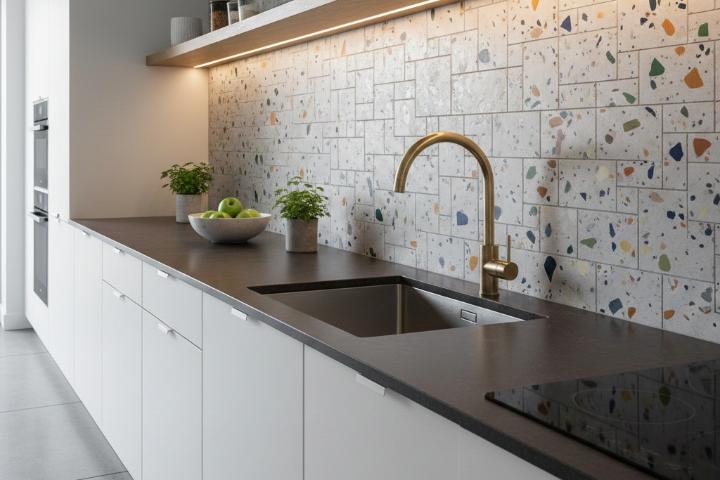
Contemporary terrazzo tiles from Nova Tile and Stone generally comprise cement or epoxy resin foundations embedded with fragments of marble, quartz, granite, glass, or alternative aggregates. The makeup shifts considerably based on the production approach and desired appearance. Certain tiles showcase large, prominent chips generating striking visual drama, while others incorporate finely crushed materials producing delicately speckled surfaces. The foundation material itself spans from conventional cement to modern epoxy resins, each delivering unique properties regarding longevity, color selections, and upkeep needs.
Aggregate components within generate the characteristic spotted or flecked look. These fragments can maintain uniform coloring for monochromatic presentations, or they can blend multiple shades for more energetic, diverse aesthetics. Glass pieces contribute brightness and dimension, while natural stone fragments deliver earthy tones and organic texture. The proportion of aggregate to foundation material substantially affects the finished appearance, with elevated aggregate densities producing more dramatic visual engagement.
Benefits of the Subway Tile Configuration
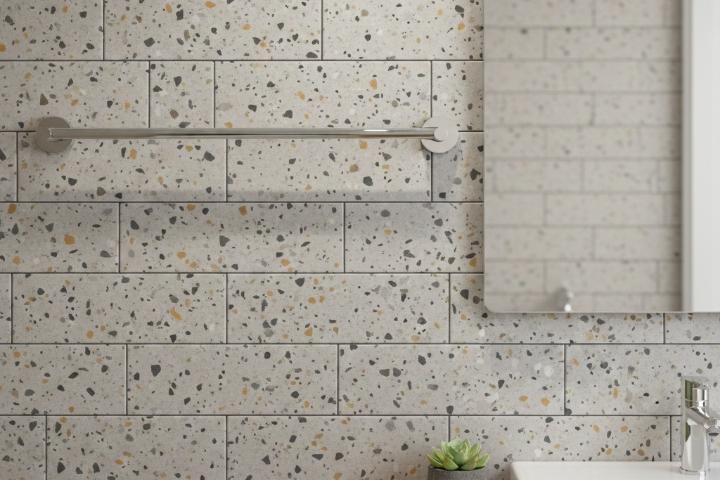
The traditional subway tile measurements of 3x6 inches, though variations exist, present clear advantages when showcasing terrazzo designs. This rectangular configuration establishes clean lines and structured patterns that enhance the organic randomness of terrazzo speckles. The dimensions supply adequate surface space to highlight the terrazzo makeup while remaining practical for multiple layout arrangements including running bond, herringbone, vertical stack, and basketweave formations.
Subway tiles earned recognition from widespread application in New York City underground stations starting in 1904, selected for light-reflecting characteristics, cleaning simplicity, and enduring appearance. When crafted in terrazzo, these preserve functional advantages while incorporating layers of visual intricacy and artistic expression. The standardized shape also guarantees design uniformity throughout projects while permitting unique terrazzo patterns to deliver individuality.
Color Ranges and Design Opportunities
Our extensive color palette presents an exceptional spectrum of possibilities extending well beyond traditional ceramic or porcelain alternatives. The foundation material can be tinted in practically any shade, from gentle pastels to intense, saturated tones, establishing a canvas for the aggregate chips. Favored color pairings include white or cream foundations with gray and black chips for minimalist Scandinavian looks, blush pink foundations with rose gold and copper aggregates for glamorous environments, or sage green foundations with white and darker green chips for nature-inspired schemes.
Monochromatic versions showcase chips in different shades within a single color spectrum, generating subtle depth without excessive visual contrast. These perform exceptionally well in environments where cohesive, peaceful atmospheres are desired. Alternatively, multicolored terrazzo embraces bold contrasts, incorporating chips in complementary or even opposing hues that establish energetic, dynamic surfaces. Contemporary manufacturers have introduced neon-bright aggregates or metallic elements that propel terrazzo into decidedly modern territory.
The finish impacts appearance dramatically. Polished finishes generate glossy, reflective surfaces that magnify light and boost color vibrancy. Matte finishes deliver softer, more understated aesthetics with diminished glare. Textured surfaces contribute tactile appeal and can enhance slip resistance for specific applications.
 Durability Characteristics and Longevity
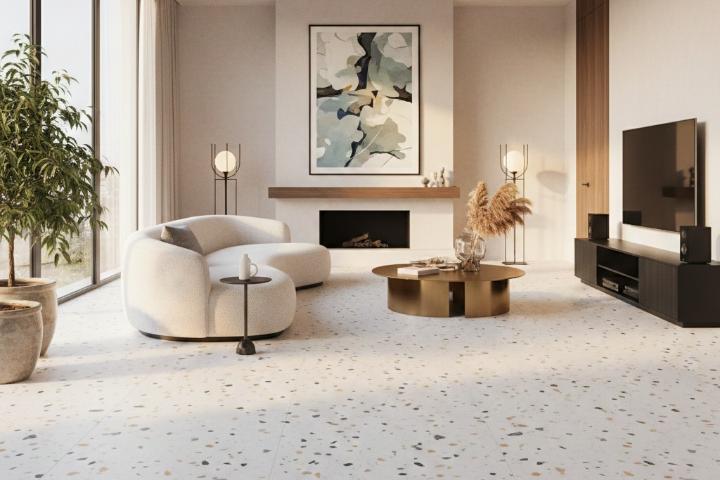
One compelling aspect is exceptional durability. When properly produced according to industry standards, these endure decades of utilization without significant deterioration. The embedded aggregate particles typically prove harder than surrounding matrix material, establishing a surface resisting scratching, chipping, and abrasion. This inherent strength makes them particularly appropriate for high-traffic commercial uses, though equally valuable in residential environments where lasting performance matters.
The non-porous characteristic of properly sealed versions makes them highly resistant to moisture infiltration, preventing water damage, mold development, and staining. This quality proves especially beneficial in bathrooms, kitchens, and other damp environments where tiles must handle regular water and humidity exposure. Unlike certain natural stone requiring frequent sealing and attentive upkeep, quality terrazzo subway tiles maintain protective qualities with minimal intervention.
Temperature stability represents another significant benefit. These neither expand nor contract dramatically with temperature variations, reducing cracking risks or grout line separation over time. They also resist fading from UV exposure better than many alternatives, preserving color integrity even in sun-drenched environments. Proper installation techniques ensure the molecular structure remains stable across temperature ranges, ensuring consistent performance through seasonal changes.
Applications Throughout Different Environments
Terrazzo subway tiles excel in kitchen settings, where stain resistance and simple maintenance prove invaluable. As backsplashes, they supply both protection and visual appeal, transforming functional surfaces into design highlights. The speckled patterns ingeniously conceal minor splashes and imperfections, maintaining cleaner appearances between thorough cleanings. Kitchen planners often select versions echoing colors found in countertops or cabinetry, establishing cohesive design schemes that feel deliberate and refined.
Bathroom applications showcase versatility, from shower enclosures to vanity backsplashes and complete wall treatments. Following current bathroom trends, moisture resistance and mold-inhibiting properties make them practical selections for humid environments. In powder rooms and guest bathrooms, these can function as statement features that elevate otherwise utilitarian areas into memorable experiences. Reflective qualities help smaller bathrooms feel more spacious and luminous, while the dense composition prevents moisture penetration that could compromise underlying wall structures.
Commercial environments have adopted terrazzo subway tiles for lobbies, restaurants, retail establishments, and hospitality venues. Design professionals recognize that durability withstands heavy foot traffic and frequent cleaning, while aesthetic appeal creates memorable brand environments. Restaurants particularly favor them for concealing minor stains while maintaining upscale appearances. Retail environments utilize them to establish visually engaging backdrops that encourage social media interaction and strengthen brand recognition. Hotels and boutique accommodations leverage the sophisticated appearance to create Instagram-worthy spaces that guests want to photograph and share.
Environmental and Sustainability Aspects
Modern terrazzo subway tiles align well with sustainable building practices and environmental awareness. Many manufacturers utilize recycled materials as aggregates, incorporating post-consumer glass, recycled marble, or reclaimed stone fragments. Natural stone industry experts recognize this repurposing reduces quarrying demands and diverts materials from landfills, lowering overall environmental impact. Some production facilities have adopted closed-loop water systems and renewable energy sources, further minimizing ecological footprint.
Longevity contributes significantly to sustainability profiles. Products lasting decades reduce replacement needs, minimizing long-term resource consumption and waste generation. When eventually reaching lifecycle end, many can be crushed and recycled into new products or used as aggregate in concrete, completing a circular economy model. This cradle-to-cradle approach represents responsible manufacturing that considers full product lifecycles.
Low-VOC emissions during and after placement represent another environmental advantage. Unlike some vinyl or composite alternatives that off-gas potentially harmful chemicals, properly manufactured terrazzo emits minimal volatile organic compounds, contributing to healthier indoor air quality. This characteristic makes them particularly appropriate for schools, healthcare facilities, and residential spaces where air quality concerns are paramount.
Contemporary Design Trends and Aesthetics
Contemporary designers have reimagined terrazzo subway tiles through unexpected color palettes and aggregate selections that challenge traditional expectations. Pastel terrazzo has emerged as a dominant trend featured at major industry events, featuring soft foundations in millennial pink, powder blue, lavender, or mint paired with white, gold, or complementary chips. These gentle colorways establish spaces that feel fresh, optimistic, and distinctly modern while maintaining sophistication.
Oversized aggregates represent another trend gaining momentum. Rather than traditional fine chips, some showcase large, prominent fragments that generate dramatic visual impact and sculptural quality. These statement-making versions work best where they can function as focal points, supported by simpler surrounding elements that allow the terrazzo to command attention without competing visual elements. Browse different styles to discover how various aesthetic approaches can transform your space.
Minimalist terrazzo takes the opposite approach, featuring subtle speckles in closely related tones that establish refined, understated elegance. These appeal to those who appreciate heritage but prefer quieter, more serene aesthetics. They integrate seamlessly into Scandinavian, Japanese-inspired, or contemporary minimalist interiors where restraint and simplicity reign supreme. The understated beauty allows other design elements to shine while providing sophisticated texture and depth.
Care Requirements and Maintenance Protocols
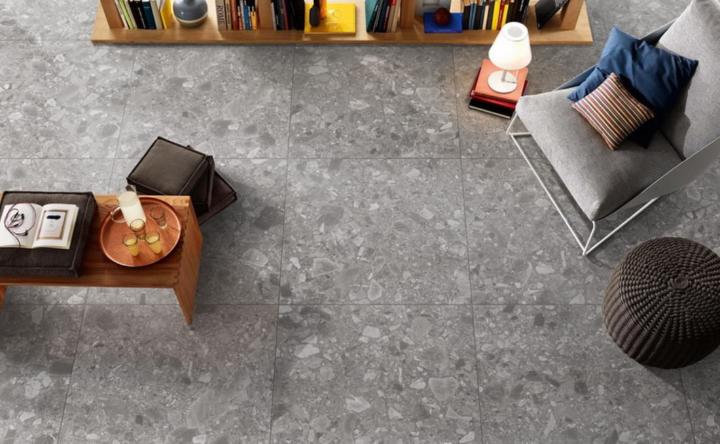
Despite durability, terrazzo subway tiles require appropriate maintenance to preserve appearance and performance. Regular cleaning with pH-neutral cleaners prevents buildup and maintains finish. Harsh acidic or alkaline cleaners can damage surfaces or strip protective sealers, so mild, terrazzo-specific products are recommended. For routine upkeep, warm water and a soft cloth or mop typically suffice to remove everyday dirt and grime without harsh scrubbing that could dull the surface over time.
Sealing requirements vary based on composition and manufacturer specifications. Cement-based versions typically require periodic resealing to maintain stain resistance and protect against moisture penetration. Epoxy-based options often come pre-sealed or require less frequent sealing due to inherently non-porous nature. Following manufacturer guidelines ensures proper care protocols that protect the investment and extend lifecycle significantly.
Addressing spills promptly prevents permanent discoloration. Most common household substances wipe away easily from sealed surfaces, but allowing liquids to sit increases staining risks. Establishing quick response habits preserves the pristine appearance that makes terrazzo so appealing in high-end residential and commercial applications.
Value Proposition and Investment Considerations
Terrazzo subway tiles typically command premium pricing compared to standard ceramic or porcelain alternatives. The specialized manufacturing process, quality materials, and artisanal characteristics contribute to higher per-square-foot costs. However, evaluating value requires considering long-term performance, aesthetic impact, and durability rather than initial investment alone. Exceptional longevity means they may never require replacement, potentially offering better lifetime value than cheaper alternatives needing periodic renewal.
The unique aesthetic can elevate property values and appeal. In residential real estate, distinctive, high-quality finishes differentiate properties from comparable listings, potentially commanding higher sale prices or rental rates. Commercial properties benefit from the professional, sophisticated impression conveyed, influencing customer perceptions and brand positioning favorably.
Budget-conscious projects can incorporate terrazzo subway tiles strategically as accent features rather than covering entire surfaces. A terrazzo backsplash in an otherwise simple kitchen, or a featured wall in a bathroom, provides visual impact while managing expenses effectively. Explore our inventory to find options that maximize design impact while maintaining budget consciousness, allowing homeowners and businesses to enjoy terrazzo's beauty without overextending financially.
Conclusion
Terrazzo subway tiles represent a remarkable convergence of historical craftsmanship and contemporary design sensibility. The unique aesthetic, combining speckled beauty with timeless subway formatting, establishes surfaces that are simultaneously familiar and distinctive. Exceptional durability, sustainability credentials, and maintenance characteristics make them practical selections for diverse applications, while vast design possibilities ensure compatibility with virtually any aesthetic vision.
Whether gracing a residential kitchen backsplash, a boutique hotel bathroom, or a high-traffic commercial lobby, these deliver enduring beauty and performance. The ability to hide minor imperfections while maintaining sophisticated appearances makes them particularly valuable in real-world applications where perfection is aspirational rather than achievable. As design trends continue evolving, terrazzo subway tiles bridge past and present, offering timeless appeal that transcends fleeting fashions while remaining decidedly contemporary.
For those seeking surfaces that combine artistry with functionality, heritage with innovation, and beauty with practicality, terrazzo subway tiles present a compelling solution. Investment value extends beyond mere aesthetics, encompassing performance, longevity, and environmental responsibility. Learn more about our company to understand our commitment to quality, or contact our team and visit our showrooms to explore how these remarkable options can transform spaces with distinctive character and proven performance.
Frequently Asked Questions
What distinguishes terrazzo subway tiles from standard terrazzo options?
Terrazzo subway tiles merge the classic rectangular subway configuration (typically 3x6 inches) with terrazzo composition, while standard versions come in various shapes and dimensions including squares, hexagons, or large-format slabs. The subway configuration offers specific placement patterns and visual rhythms that differ from standard applications, making them particularly appropriate for backsplashes and wall treatments where the linear subway shape establishes distinctive design opportunities that larger formats cannot achieve.
Do terrazzo subway tiles work well in outdoor settings?
The appropriateness for outdoor implementation depends on specific composition and climate conditions. Cement-based versions can generally withstand outdoor environments in moderate climates, though freeze-thaw cycling in harsh winters may cause damage. Porcelain alternatives typically resist weather better but may fade with prolonged UV exposure. Always verify with manufacturers whether specific products are rated for exterior implementation and whether your climate conditions are appropriate for outdoor placement.
How do terrazzo subway tiles handle high-moisture environments?
These excel in high-moisture environments when properly sealed. Dense, non-porous composition resists water absorption, preventing mold growth, mildew, and water damage. Industry certification standards confirm this makes them excellent selections for showers, bathroom walls, and kitchen backsplashes where regular water exposure occurs. However, proper sealing according to manufacturer specifications is essential to maintain moisture resistance, and grout lines should be sealed separately to prevent water penetration through joints.
Can terrazzo subway tiles be installed on floors?
While primarily designed for wall applications, some thicker, specially manufactured versions can be utilized for flooring. Standard wall-rated options typically lack necessary thickness and structural strength for floor placement. If considering floor implementation, verify that specific products are rated for flooring applications and meet appropriate slip-resistance standards for intended spaces. Different tile types often feature different dimensions and specifications than wall-mounted counterparts.
How does pricing compare to natural stone alternatives?
These generally fall in the mid-to-high price range, often comparable to quality marble or granite but typically less expensive than exotic stone varieties. While initial costs exceed basic ceramic or porcelain alternatives, they often provide better long-term value through superior durability and minimal replacement needs. View our product range to see how pricing varies significantly based on aggregate materials and manufacturing methods, with handcrafted or designer collections commanding premium prices while production-manufactured options offer more accessible price points.