Subway tiles remain the most popular choice for modern homes in 2025, combining classic appeal with contemporary design flexibility. These rectangular ceramic tiles, originally measuring 3x6 inches, continue to dominate kitchen backsplashes and bathroom walls due to their versatility, durability, and ability to complement both traditional and modern aesthetics. In 2025, homeowners are discovering innovative ways to use subway tiles through creative layouts, expanded color palettes, and mixed material applications that maintain their timeless character while embracing current design trends.
The Enduring Appeal of Subway Tiles
The subway tile's journey from New York City's underground stations in the early 1900s to becoming a staple in American homes speaks to its fundamental design strength. These tiles possess an inherent simplicity that allows them to serve as both a neutral backdrop and a statement feature, depending on how they're implemented.
What makes subway tiles particularly relevant in 2025 is their adaptability to changing design preferences without losing their classic foundation. Unlike trend-driven tile patterns that may feel dated within a few years, subway tiles provide a reliable base that homeowners can update through grout color, layout patterns, and complementary materials.
The rectangular shape of subway tiles creates clean lines that work exceptionally well in both small and large spaces. Their proportions naturally draw the eye horizontally, making rooms appear wider, while vertical installations can add height to spaces with lower ceilings. This geometric flexibility ensures that subway tiles remain a practical choice for various room configurations and design goals.
2025 Subway Tile Trends
Subway tiles in 2025 are all about blending timeless simplicity with bold, modern updates. Expect to see oversized formats, vertical and herringbone layouts, rich colors like emerald and matte black, and textured finishes that add depth. Paired with natural wood, brass accents, and smart lighting, subway tiles remain a future‑proof choice for kitchens, bathrooms, and living spaces.

Expanded Color Palettes
While classic white subway tiles maintain their popularity, 2025 has brought an explosion of color options that allow homeowners to express personality while maintaining the tile's timeless appeal. Soft sage greens, warm terracotta tones, and deep navy blues are leading the charge in colored subway tiles. These hues provide depth and character without overwhelming a space.
The trend toward earthy, natural tones reflects a broader movement in interior design toward biophilic elements and sustainable living. Homeowners are choosing tiles by color that connect their interiors with nature, creating calming environments that support well-being.
Matte finishes are gaining significant traction in 2025, offering a sophisticated alternative to traditional glossy surfaces. These finishes reduce glare, hide fingerprints and water spots more effectively, and create a more contemporary aesthetic that pairs beautifully with modern fixtures and hardware.
Creative Layout Patterns
The traditional running bond pattern, where tiles are offset by half their length, remains popular, but 2025 has seen creative homeowners experiment with alternative layouts that add visual interest without compromising the subway tile's classic appeal.
Herringbone patterns using subway tiles create dynamic focal points, particularly effective for backsplash installations and shower walls. This zigzag arrangement adds movement and sophistication while maintaining the clean lines that make subway tiles so appealing.
Vertical stacking, sometimes called jack-on-jack or grid patterns, creates a more contemporary look that emphasizes height and creates bold graphic impact. This pattern works particularly well in modern bathrooms and can make standard ceiling heights appear taller.
Size Variations and Mixed Applications
Traditional 3x6 inch subway tiles are being joined by larger 4x8, 4x12, and even 6x12 inch versions that create a more contemporary scale appropriate for larger spaces. Theselarger tile sizes reduce grout lines, creating cleaner appearances and easier maintenance.
Conversely, smaller 2x4 inch subway tiles are finding favor in powder rooms and small bathrooms where traditional sizes might feel overwhelming. The increased number of grout lines in smaller tiles can add texture and visual interest in compact spaces.
Mixed-size installations are becoming increasingly popular, where different subway tile sizes are combined within the same space to create zones or highlight specific areas. This approach allows homeowners to maintain the subway tile aesthetic while adding complexity and visual hierarchy to their designs.
Incorporating Subway Tiles in Key Areas

Kitchen Applications
Kitchens remain the primary showcase for subway tiles, with backsplashes serving as the most common application. In 2025, kitchen tile installations are extending beyond the traditional 18-inch height to create full-height backsplashes that reach the ceiling, providing maximum protection and visual impact.
The trend toward open shelving and floating shelves has created opportunities for subway tiles to serve as backdrop elements that tie together different areas of the kitchen. Homeowners are using consistent tile selections to create visual flow between cooking areas, prep zones, and breakfast bars.
Kitchen islands are increasingly featuring subway tile applications, either as waterfall edges or as accent panels that complement the main backsplash while creating visual interest and defining the island as a separate functional zone.
Discover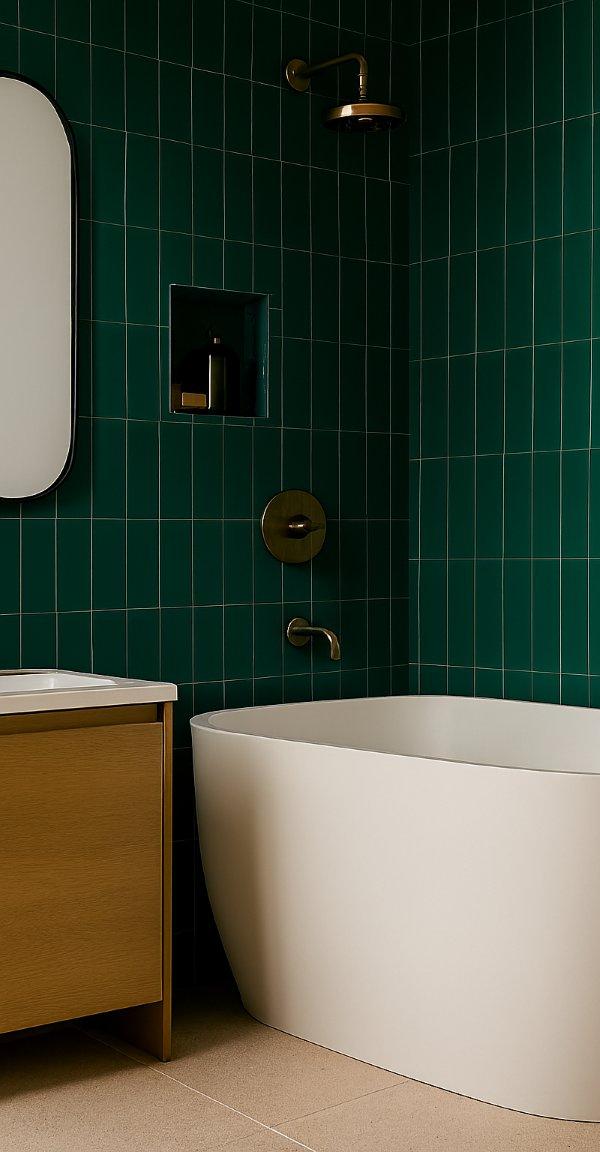
Bathroom Transformations
Bathroom applications for subway tiles continue to evolve in 2025, with shower surrounds leading the way in innovative installations. Floor-to-ceiling subway tile applications create seamless, spa-like environments that feel larger and more luxurious than traditional wainscot installations.
The combination of subway tiles with natural materials like wood vanities and stone countertops creates balanced environments that feel both modern and timeless. This approach aligns with broader bathroom remodel trends focusing on creating retreat-like spaces within the home.
Accent walls using colored or textured subway tiles are becoming popular ways to add personality to neutral bathroom designs. These feature walls often highlight vanity areas or create visual interest behind freestanding tubs.
Installation and Maintenance Considerations
Professional Installation vs. DIY
While subway tiles are often considered DIY-friendly due to their straightforward rectangular shape, 2025's trending patterns and applications often benefit from professional installation. Complex layouts like herringbone patterns or mixed-size installations require precise planning and execution to achieve professional results.
The importance of proper substrate preparation cannot be overstated, particularly in wet areas like showers and backsplashes. Professional tile installation ensures proper waterproofing and adhesion that prevents costly repairs down the line.
For homeowners committed to DIY installation, focusing on simpler patterns and ensuring proper tools and materials are essential for success. The investment in quality tile spacers, levels, and cutting tools pays dividends in the final appearance and longevity of the installation.
Maintenance and Longevity
One of subway tiles' greatest advantages is their relatively low maintenance requirements. Porcelain tile cleaning is straightforward, requiring only regular cleaning with appropriate pH-neutral cleaners to maintain their appearance.
Grout maintenance remains the most critical aspect of subway tile care. Proper sealing and regular cleaning prevent staining and bacterial growth, particularly important in kitchen and bathroom applications. The trend toward darker grout colors in 2025 helps hide minor staining while maintaining the clean appearance that makes subway tiles so appealing.
Regular inspection for loose tiles or damaged grout allows for prompt repairs that prevent more extensive damage. Tile replacement techniques have become more accessible, allowing homeowners to address minor issues before they become major problems.
Cost Considerations and Value
Budget-Friendly Options
Subway tiles offer exceptional value across various price points, making them accessible for both budget-conscious renovations and high-end installations. Basic ceramic subway tiles provide the classic look at affordable prices, while premium porcelain and natural stone options offer enhanced durability and unique characteristics.
The standardization of subway tile sizes means competitive pricing and wide availability. Homeowners can often find quality options through local tile suppliers that offer competitive pricing and personalized service.
Bulk purchasing for larger installations often results in significant savings, and the popularity of subway tiles means frequent sales and promotional pricing from suppliers.
Return on Investment
Kitchen and bathroom renovations featuring subway tiles typically show strong returns on investment due to their broad appeal and timeless nature. Average bathroom remodel costs vary by region and scope, but subway tile selections generally fall within moderate budget ranges while delivering high visual impact.
The longevity of subway tile installations means that initial investments provide value over extended periods. Quality installations can last decades with proper maintenance, making the cost-per-year extremely favorable compared to more trend-driven options that require frequent updates.
Design Integration Strategies
Coordinating with Other Materials
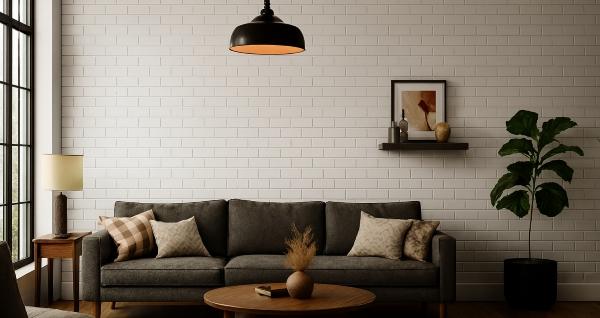
The neutral nature of subway tiles makes them excellent partners for various materials and finishes. Natural wood elements, whether in cabinetry, floating shelves, or accent walls, create warm contrasts that prevent subway tile installations from feeling cold or institutional.
Metal accents in fixtures, hardware, and decorative elements add sophistication and help define the overall style direction of the space. Brushed gold and matte black finishes are particularly popular in 2025, offering elegant contrast against light-colored subway tiles.
Stone countertops and subway tile backsplashes create classic combinations that work across various design styles. The key is ensuring that patterns and veining in stone selections complement rather than compete with the clean lines of subway tiles.
Creating Visual Flow
Successful subway tile installations in 2025 consider the entire home's design flow, not just individual rooms. Consistent color palettes and coordinating grout selections help create visual connections between spaces while maintaining each area's unique character.
The use of varied tile styles throughout a home allows for personality expression while maintaining overall cohesion. Subway tiles can serve as neutral anchors that allow bolder design choices in other elements like lighting, furniture, and artwork.
Transitional spaces like hallways and powder rooms benefit from subway tile selections that bridge the gap between major living areas, creating seamless visual flow throughout the home.
Future-Proofing Your Subway Tile Investment
Choosing Versatile Options
When selecting subway tiles for 2025 installations, consider options that will remain relevant as design trends continue to evolve. Neutral colors in high-quality materials provide the best foundation for future updates through paint, accessories, and decorative elements.
The investment in quality materials and professional installation pays dividends in longevity and continued visual appeal. Professional tile suppliers often provide guidance on material selections that balance current trends with long-term value.
Consider the flexibility of your chosen installation pattern and material selection. Some patterns and specialty finishes may limit future renovation options, while classic approaches maintain maximum adaptability.
Maintenance Planning
Developing a maintenance routine from the beginning ensures that subway tile installations continue to look their best throughout their lifespan. Regular cleaning schedules, prompt attention to minor issues, and periodic professional assessment help preserve both appearance and structural integrity.
Understanding the specific care requirements of your chosen materials and finishes allows for appropriate cleaning products and techniques that preserve rather than damage the installation.
Working with Design Professionals
Finding the Right Team
The complexity of 2025's subway tile applications often benefits from professional design guidance. Interior designers familiar with current trends and classic principles can help navigate the balance between contemporary appeal and timeless design.
Experienced tile installers understand the nuances of different materials and patterns, ensuring that creative visions are executed with professional quality. Contacting experienced professionals early in the planning process allows for better project coordination and results.
The value of professional guidance extends beyond installation to long-term satisfaction. Experienced professionals can anticipate potential issues and provide solutions that ensure successful outcomes.
Conclusion
Subway tiles continue to prove their worth in 2025 homes by successfully balancing timeless appeal with contemporary relevance. Their adaptability to current design trends through creative patterns, expanded color options, and innovative applications ensures their continued popularity while maintaining the classic characteristics that have made them a staple in American home design for over a century.
The key to successful subway tile implementation in 2025 lies in understanding both their traditional strengths and contemporary possibilities. Whether used in classic white running bond patterns or bold colored herringbone arrangements, subway tiles provide a reliable foundation for design expression that can evolve with changing preferences and lifestyle needs.
For homeowners planning renovations in 2025, subway tiles represent a smart investment that combines aesthetic appeal, practical functionality, and long-term value. Their proven track record, combined with expanded options and creative applications, ensures that subway tiles will continue to enhance homes while adapting to future design evolution. By exploring the comprehensive selection of quality tile options and working with experienced professionals, homeowners can create subway tile installations that perfectly balance timeless elegance with contemporary style.
Frequently Asked Questions
What makes subway tiles timeless compared to other tile trends?
Subway tiles maintain their timeless appeal due to their simple rectangular geometry, neutral proportions, and versatility across design styles. Unlike ornate patterns that can feel dated, subway tiles provide a clean backdrop that adapts to changing decor trends through grout colors, layout patterns, and complementary materials. Their origin in functional public transportation design means they were created for durability and visual simplicity, characteristics that translate well to residential applications across different eras and design movements.
How do I choose between different subway tile sizes for my 2025 renovation?
Select subway tile sizes based on your space scale and visual goals. Traditional 3x6 inch tiles work well in most applications and provide classic proportions. Larger 4x8 or 4x12 inch sizes create more contemporary looks with fewer grout lines, ideal for modern kitchens and larger bathrooms. Smaller 2x4 inch tiles add texture and work well in compact spaces like powder rooms. Consider your room size, ceiling height, and desired aesthetic when making your selection, and don't hesitate to explore different size options to find the best fit.
Are colored subway tiles a passing trend or a lasting design choice?
Colored subway tiles represent an evolution rather than a departure from classic subway tile design. While white remains popular, quality colored options in muted, natural tones like sage, terracotta, and navy blue have proven staying power because they maintain the tile's fundamental simplicity while adding personality. The key is choosing colors that complement your overall design scheme rather than following fleeting color trends. Understanding different tile types can help you select durable colored options that will age well.
What installation patterns work best for subway tiles in modern homes?
While traditional running bond (brick pattern) remains popular and versatile, 2025 sees increased use of herringbone for dynamic visual interest, vertical stacking for contemporary appeal, and mixed patterns that combine different layouts within the same space. The best pattern depends on your space size, style goals, and installation complexity tolerance. Consider that simpler patterns are more DIY-friendly, while complex arrangements often benefit from professional installation. Decorative tile installation techniques can provide additional pattern inspiration.
How do I maintain subway tiles to keep them looking new?
Subway tile maintenance focuses primarily on regular cleaning and grout care. Clean tiles weekly with pH-neutral cleaners appropriate for your specific material, whether ceramic, porcelain, or natural stone. Seal grout lines annually to prevent staining and bacterial growth. Address any loose tiles or damaged grout promptly to prevent water damage. For daily maintenance, wipe down tiles after use in wet areas and clean spills immediately in kitchen applications. Proper maintenance techniques will preserve both appearance and functionality for decades.