Subway tiles are rectangular tiles that originated in New York City subway stations in the early 1900s. Today, subway tiles remain one of the most popular choices for kitchen backsplashes, bathroom walls, and shower surrounds due to their timeless design, affordability, durability, and versatility across both modern and traditional interior styles.
What are subway tiles made of? Subway tiles are available in four primary materials: ceramic, porcelain, glass, and natural stone/marble.
Where can you use subway tiles? Subway tiles work in kitchens, bathrooms, powder rooms, home bars, and even stair risers. Modern subway tiles come in multiple sizes with the classic format remaining most popular.
Key benefits:
Easy maintenance, water-resistant options, extensive color selection, multiple finishes (glossy, matte), and suitable for both residential and commercial spaces.
In this guide, you'll discover subway tile types, material comparisons, creative installation ideas, and maintenance tips to help you select the perfect subway tile for your project.
What are they and Why are they so Popular?
Subway tiles represent a timeless design element for bathrooms and kitchens that maintains the same appeal today as when they first appeared in the early 1900s.
These rectangular tiles traditionally come in a three-inch by six-inch format, though larger sizes are available, and originated in New York City's underground transit stations. The classic 3x6 subway tiles remain the most sought-after dimension, honoring this traditional format while offering modern material options.
The simple, clean lines of subway tiles work seamlessly with contemporary and classic interior styles, making them a sought-after selection for home and business applications alike. The National Kitchen and Bath Association consistently ranks subway tiles among the top design choices for residential renovations.
If you're searching for an elegant yet subtle tile design approach, integrating subway tiles into your upcoming remodel could be the ideal choice!

Exploring Different Types of Subway Tiles and Materials Available
Subway tiles have maintained their status as a preferred selection for diverse interior applications due to their universal charm and robust construction. When shopping tiles by type, you'll discover ceramic, porcelain, glass, and natural stone options, each with distinct characteristics.
Ceramic and porcelain subway tiles represent traditional options and are available in numerous colors and surface treatments. Though ceramic varieties don't match porcelain's strength, they offer hypoallergenic properties and come in various patterns, shades, and glossy or matte surfaces. To understand the key differences, this Old House explains ceramic vs porcelain tile performance characteristics in detail.
Glass subway tiles stand out for their reflective, luminous qualities. These ultra-glossy surfaces deliver a contemporary aesthetic to nearly any area and are exceptional for shower wall applications. Options like the Linear 5x10 Glossy 3D Decorative Subway Tile showcase how dimensional glossy tiles can transform spaces with texture and light play.
Finally, natural stone or marble subway tiles claim top honors for timeless sophistication. These tiles possess an upscale character that surpasses other subway tile options thanks to their natural origins. Marble represents luxury living, and when combined with the iconic subway tile format, the result becomes remarkably stylish.
Whether your vision leans traditional or modern, discovering the various types and materials unlocks countless design opportunities for your project.
Benefits of Using Subway Tiles in Home Decor Projects
Subway tiles have earned widespread favor in home decorating applications for multiple compelling reasons. They're not only enduring and adaptable, but they deliver a fresh, sharp appearance that enhances virtually any room.
Their resilient, low-maintenance surface makes them perfect for busy zones like kitchens and bathrooms. Furthermore, subway tiles are available in an extensive spectrum of colors and finishes, enabling unlimited combinations and imaginative layouts.
From traditional white to dramatic black and vibrant yellow, subway tiles complement any design vision. When you shop tiles by color, you'll find options ranging from subtle neutrals to bold statement shades. Family Handyman's bathroom tile trends feature subway tiles prominently in contemporary designs, highlighting their enduring relevance.
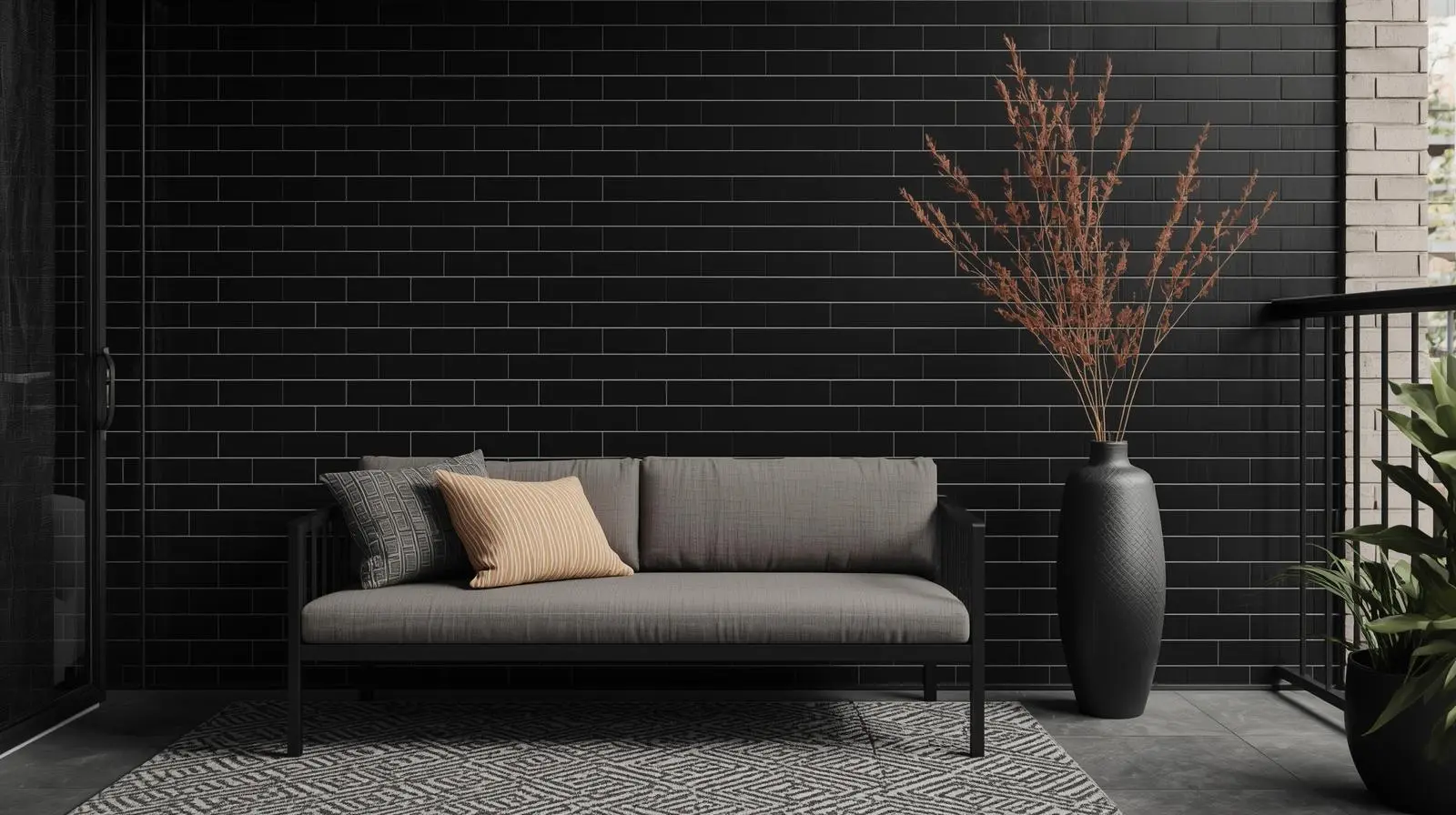
Creative Ways to Incorporate Subway Tiles in Unique Spaces
You already understand how subway tiles excel in kitchens and bathrooms. But did you realize they can also shine in surprising and unconventional locations?
One imaginative approach is installing them as a backsplash behind a home bar or drink station. The streamlined aesthetic introduces sophistication and refinement to the area. Professional tile layout tips and tricks can help you achieve expert-looking results in these creative applications.
Consider applying these tiles to stair risers for a burst of color and visual appeal along your stairway. For inspiration on unconventional applications, industry showcases like Coverings, the premier international tile and stone exhibition feature innovative subway tile installations that push creative boundaries.
Another strategy is designing an accent wall in a half bath. Selecting a striking color creates a captivating focal point that introduces dimension and character to your design scheme.
Ultimately, embrace unconventional thinking and use subway tiles in surprising locations. With some creativity and vision, the options are endless and truly inspiring!
Maintenance and Care Guide
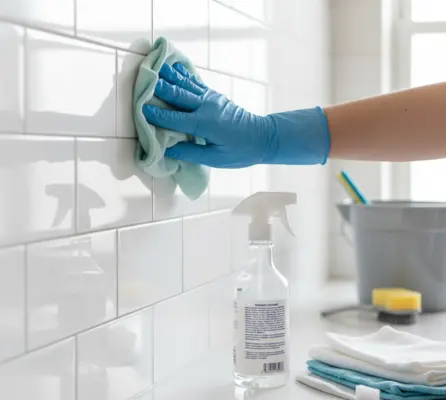
Subway tiles are a wonderful selection for any property, but they require appropriate maintenance to maintain their brilliance.
Fortunately, following straightforward care guidelines will keep your subway tiles looking fantastic year-round:
- Consistent cleaning is essential. Apply a pH-balanced cleaning solution and a soft brush to carefully remove debris or buildup. Skip harsh cleaners that might scratch your tile surfaces. Professional installers certified by the Ceramic Tile Distributors Association recommend gentle cleaning methods for longevity.
- Seal your tiles. Another crucial step is applying sealant to guard against stains and color changes. The Ceramic Tile Foundation recommends tile edge protection during installation to minimize future damage and ensure proper bonding.
- Regular inspection is vital. Examine your tiles consistently for any fractures or damage, and swap out compromised tiles promptly to prevent additional deterioration.
Following these expert recommendations will ensure your subway tiles remain attractive and practical for many years ahead.
Wrapping It Up
It's clear why subway tiles have earned devotion from homeowners and design experts everywhere. Their traditional appearance, flexible styling, and virtually timeless quality make them exceptionally appropriate for any interior design undertaking.
Whether your goal is updating your kitchen backsplash or introducing an elegant element to different spaces throughout your residence, subway tiles can help you accomplish remarkable results. When you shop tiles by style, you'll discover formats ranging from traditional brick patterns to modern herringbone and vertical stacks. You can also experiment with contrasting textures like our unique terrazzo look tiles for unexpected accent applications.
Conclusion
Subway tiles continue to prove themselves as one of the most reliable and versatile design choices available to homeowners and renovators today. Their journey from New York City transit stations to becoming a staple in residential and commercial interiors speaks volumes about their enduring appeal and practical functionality.
What truly sets subway tiles apart is their remarkable ability to adapt to any design direction you choose. Whether you're drawn to the crisp elegance of classic white ceramic, the luxurious sophistication of marble, or the modern shimmer of glass, subway tiles offer a foundation that supports your creative vision.
As you move forward with your renovation project, remember that subway tiles aren't just a trend, they're a proven design solution that bridges the gap between timeless style and contemporary living. We invite you to shop local and experience our samples firsthand in our showroom. Browse our complete tile and stone collection online to see the full range of possibilities.
Frequently Asked Questions
What is the standard size of subway tiles?
The traditional subway tile measures 3 inches by 6 inches, the original dimension used in New York City subway stations. However, modern subway tiles are now available in various sizes, the classic 3x6 size remains most popular for achieving an authentic look, but larger formats create a more contemporary appearance and reduce grout lines. When you need help finding specific dimensions, shop tiles by size to compare all available options.
How do I choose between ceramic, porcelain, glass, and natural stone subway tiles?
Your choice should depend on your budget, desired aesthetic, and installation location. Ceramic tiles offer affordability and come in numerous colors and finishes. Porcelain provides superior strength, water absorption of 0.5% or less, and exceptional durability, making it ideal for high-moisture areas and heavy-traffic zones. Glass subway tiles create a luminous, modern look with reflective surfaces. Natural stone and marble deliver unmatched elegance but require more maintenance and regular sealing. The Natural Stone Institute offers detailed information about caring for natural stone materials. Our subway tiles by color collection allows you to see how different materials appear in various shades.
What grout color works best with subway tiles?
Grout color selection significantly impacts the overall look of your installation. White or light gray grout creates a seamless appearance that emphasizes the tiles' clean lines, perfect for a classic look. Contrasting dark grout highlights the grid pattern and individual tiles, creating a bold statement for modern designs. Medium gray grout offers a practical middle ground that hides dirt better than white. Industry standards from the ANSI A137.1-2022 Standard for Ceramic Tile provide comprehensive guidance on proper grout selection. For personalized advice, contact us and our experts can guide you through the process.
How often do subway tiles need to be resealed?
The resealing frequency depends on the tile material. Glazed ceramic and porcelain subway tiles don't require sealing because their glazed surface is already non-porous. Glass subway tiles also don't require sealing. However, natural stone and marble subway tiles are porous and should be sealed upon installation. Resealing frequency varies: high-traffic or high-moisture areas may need resealing every 3-6 months, while low-traffic areas can extend to 1-2 years. Grout lines should be sealed regardless of tile type. Cement-based grout in high-moisture areas typically needs annual sealing. Explore the full range of products we carry to understand maintenance requirements for different materials.
Can subway tiles be used in both wet and dry areas?
Yes, subway tiles are suitable for both wet and dry applications, though material selection matters for optimal performance. Porcelain subway tiles are excellent for wet areas like showers and bathroom walls due to their water absorption rate of 0.5% or less. Ceramic subway tiles work well in moderate-moisture environments and dry areas. Understanding the porcelain vs non-porcelain tile differences helps you make the right choice. Glass subway tiles are naturally water-resistant. Natural stone and marble require proper sealing and ongoing maintenance in wet areas. Our Imagine 3x12 Matte Porcelain Subway Tile exemplifies a porcelain option designed for high-moisture environments. Learn more about us and visit our shop to browse all options.