Subway tile is the better choice for budget-conscious projects, large installations, and DIY renovations. Zellige tile is the better choice for statement spaces, artisan aesthetics, and high-impact accent walls.
The main differences between subway tile and zellige tile are cost, installation complexity, and visual character. Subway tile features uniform dimensions, machine-made consistency, and broad design versatility at accessible price points. Zellige tile features handcrafted imperfections, organic color variations, and artisan appeal that commands premium pricing.
Choose subway tile when you need:
- Budget-friendly coverage for kitchens and bathrooms
- Straightforward installation with predictable results
- Low-maintenance surfaces that clean with a damp cloth
- Neutral backdrops that complement other design elements
Choose zellige tile when you want:
- Handcrafted character with one-of-a-kind variations
- Statement-making surfaces for powder rooms and backsplashes
- Light-catching glazes that shimmer and shift throughout the day
- Artisan aesthetics for Mediterranean or bohemian spaces
This guide compares subway tile and zellige tile across cost, durability, installation, design versatility, and best applications to help you select the right tile for your project. Nova Tile and Stone carries both options at our Northern Nevada and Northern California showrooms.
What Is Subway Tile?
Subway tile originated in New York City's underground transit stations in 1904. Architects George C. Heins and Christopher Grant La Farge designed these rectangular ceramic tiles to create bright, sanitary, and easy-to-clean surfaces for underground spaces. The classic 3x6 subway tile format with its glossy glaze quickly moved from subway stations into American homes, becoming a fixture in kitchens and bathrooms throughout the 20th century.
Today, subway tile extends far beyond the original white ceramic. Modern options include porcelain, glass, marble, and natural stone in formats ranging from 2x4 inches to 4x16 inches. Understanding the difference between ceramic and porcelain tile helps when selecting materials. The defining characteristics remain consistent: rectangular shape, clean edges, and smooth surfaces that create orderly, predictable patterns. Whether installed in traditional running bond, herringbone, or vertical stack layouts, subway tile delivers a polished aesthetic that complements virtually any design style.
What Is Zellige Tile?
Zellige tile traces its roots to 10th-century Morocco, where artisans hand-cut and glazed terra cotta tiles using techniques passed down through generations. The word "zellige" derives from the Arabic word for "little polished stone," reflecting the tile's distinctive handcrafted quality. Traditional production involves shaping clay by hand, applying enamel glazes, and firing in wood-burning kilns. This process creates the organic variations zellige is celebrated for.
The hallmark of authentic zellige lies in its imperfection. Each tile features subtle differences in thickness, color saturation, and surface texture. Edges may be slightly irregular, glazes pool unevenly, and colors shift from tile to tile within the same batch. The Natural Stone Institute notes similar natural variations occur in stone tiles. These variations create depth and movement that machine-made tiles cannot replicate. When installed, zellige walls shimmer with reflected light, producing an effect that changes throughout the day as natural light shifts.
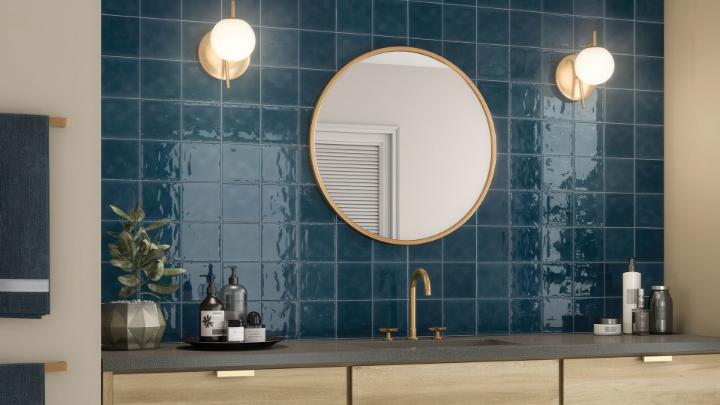
Key Differences: Subway Tile vs Zellige Tile
Cost Comparison
Subway tile wins decisively on affordability. Standard ceramic subway tiles remain accessible for large installations and budget-conscious renovations. Browse our subway tile colors to see the range of affordable options available. Even premium porcelain and glass subway options typically stay within reasonable budgets for most homeowners.
Zellige tile commands premium pricing due to its labor-intensive production. Authentic Moroccan zellige costs significantly more than standard subway tile, with some artisan collections reaching luxury price points. Zellige-look alternatives made from ceramic or porcelain offer the aesthetic at lower price points while sacrificing some handcrafted character. You can explore various tile styles to find options that match your budget.
Installation Complexity
Subway tile's uniform dimensions simplify installation significantly. Consistent sizing means predictable spacing, straightforward cuts, and faster completion times. Following proper tile layout tips and tricks ensures professional results. Installers appreciate the efficiency that comes with uniform tile dimensions.
Zellige tile demands experienced installers who understand how to work with dimensional variations. Thickness differences require adjusting mortar beds tile by tile. Finding certified tile setters with zellige experience ensures quality results. Irregular edges create wider, less uniform grout lines that become part of the design rather than a flaw. Installation costs run higher than comparable subway tile projects, and finding installers experienced with zellige may prove challenging outside major metropolitan areas.
Durability and Maintenance
Both tile types perform well in residential applications when properly installed and maintained. Tiles meeting ANSI A137.1 standards ensure consistent quality and performance. Subway tile's consistent glaze provides reliable stain resistance and easy cleaning. A damp cloth handles most maintenance needs.
Porcelain subway tiles offer superior density and moisture resistance, making them excellent choices for shower surrounds and high-humidity environments. The TCNA guidelines on porcelain vs non-porcelain explain these performance differences in detail. Zellige tile's handmade nature creates more variation in durability. The softer clay body and hand-applied glazes may chip more readily than machine-made alternatives.
Some zellige tiles feature crazing, which refers to fine cracks in the glaze surface that adds character but may collect dirt over time. Proper tile edge protection during installation helps prevent chipping. Sealing zellige installations helps protect against staining, particularly in kitchen applications where oils and acids contact surfaces regularly.
Design Versatility
Subway tile's neutral personality makes it a chameleon in interior design. White subway tile recedes into backgrounds, letting cabinetry, fixtures, and artwork take center stage. Colored subway tiles add personality without overwhelming spaces. Explore options when you shop tiles by color to find your perfect shade.
The clean lines work equally well in farmhouse kitchens, modern bathrooms, and traditional spaces. Pattern options multiply versatility further. Herringbone adds movement, vertical stack creates height, and basketweave introduces texture. Our Linear 5x10 glossy 3D decorative subway tile adds dimensional interest to any installation.
Zellige tile makes a statement wherever it appears. The handcrafted character draws attention and becomes a focal point rather than a backdrop. Current bathroom tile trends show increasing interest in artisan tiles. This commanding presence suits feature walls, statement backsplashes, and spaces where you want tile to be the star. However, zellige's strong personality may compete with other design elements, requiring careful balance in busy rooms.
Color and Finish Options
Subway tile offers virtually unlimited color choices. Manufacturers produce every shade imaginable, from classic white through bold primaries to subtle neutrals. When you shop tiles by type, you will find finish options including high gloss, satin, matte, and textured surfaces. This variety enables precise color matching with existing decor and fixtures.
Zellige tile's color palette reflects traditional Moroccan glazing techniques. Blues, greens, whites, and earth tones predominate, though contemporary producers have expanded into modern neutrals and fashion-forward hues. The color variation inherent in zellige means each installation develops its own personality. Two projects using the same tile will look distinctly different based on which tiles appear where.
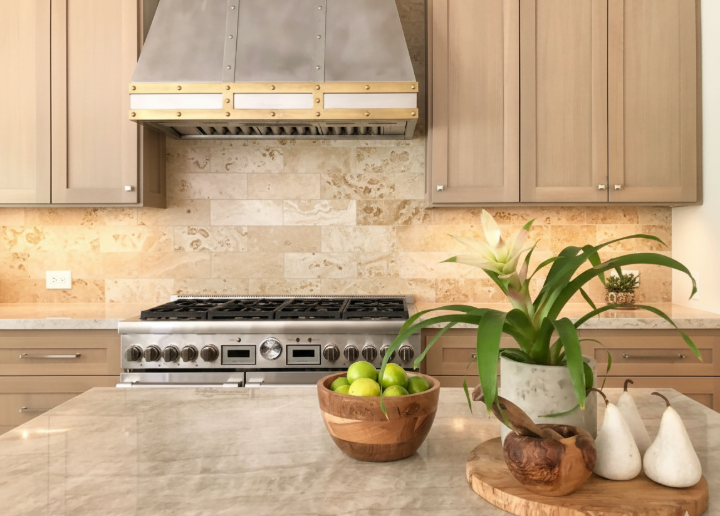
Best Applications for Each Tile Type
When to Choose Subway Tile
Subway tile excels in projects where consistency, budget, and ease of maintenance matter most. Kitchen backsplashes benefit from subway tile's stain resistance and easy cleaning. Grease splatters wipe away without fuss. The NKBA recommends durable, cleanable surfaces for kitchen work zones.
Bathroom walls and shower surrounds gain from uniform surfaces that simplify waterproofing and reduce installation variables. Large-scale projects like full bathroom renovations or commercial installations appreciate subway tile's cost efficiency and installation speed. The Imagine 3x12 matte porcelain subway tile offers excellent durability for high-traffic areas.
Rental properties and homes positioned for resale often favor subway tile's broad appeal. The neutral aesthetic pleases diverse tastes without alienating potential buyers or tenants. Browse tile sizes to find the right format for your project.
When to Choose Zellige Tile
Zellige tile shines when creating memorable, personalized spaces where character matters more than cost. Powder rooms and half baths offer perfect opportunities. These smaller spaces accommodate zellige's premium pricing while benefiting from its dramatic visual impact.
Kitchen backsplashes behind ranges become art pieces when clad in shimmering zellige. Feature walls in entryways or dining rooms establish design intent immediately. Industry events like Coverings showcase the latest artisan tile innovations annually.
Homes with Mediterranean, Spanish Colonial, or bohemian aesthetics find natural partners in zellige's artisan heritage. Designers seeking Instagram-worthy installations gravitate toward zellige's photogenic qualities. The light-catching surfaces photograph beautifully and generate visual interest that flat tiles cannot match.
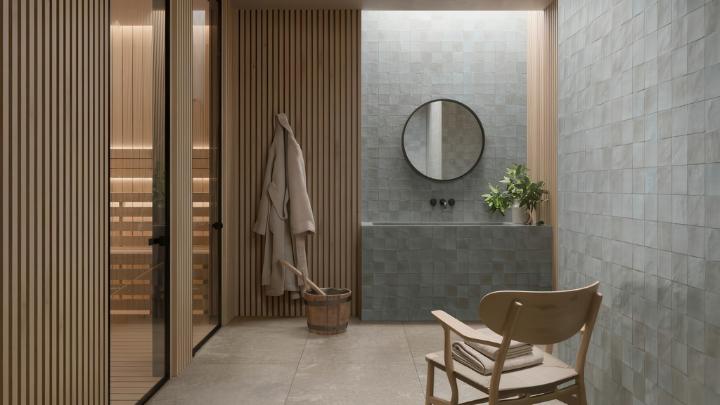
The Middle Ground: Zellige-Look Subway Tiles
For homeowners drawn to zellige's aesthetic but concerned about cost or installation complexity, zellige-look subway tiles offer compelling compromise. These machine-made tiles replicate the undulating surfaces and glossy finishes of authentic zellige while maintaining consistent dimensions that simplify installation. View the full range of products we carry to explore these options.
Zellige-look tiles capture approximately 80 percent of the visual appeal at a fraction of the cost. The uniform sizing enables standard installation techniques, reducing labor expenses and expanding contractor options. While close inspection reveals the machine-made origin, installed walls read as authentically artisan from normal viewing distances. Consider pairing with terrazzo-look tiles for complementary visual interest.
Making Your Decision
Consider these questions when choosing between subway tile and zellige tile:
Your answer to budget constraints matters significantly. If tile costs need to stay modest, subway tile remains the practical choice. If budget flexibility exists for statement-making materials, zellige delivers impact that justifies the investment. Shop our complete collection to compare options across price points.
Installation access influences outcomes. Areas with experienced zellige installers can execute authentic installations successfully. Regions without this expertise may achieve better results with zellige-look alternatives or traditional subway tile.
Design goals should guide material selection. Backgrounds and backdrops favor subway tile's discretion. Focal points and feature areas reward zellige's commanding presence. Learn more about us and how our design team can help guide your selection.
Conclusion
Subway tile and zellige tile serve different design purposes despite occupying similar spaces in homes. Subway tile delivers reliable performance, budget-friendly pricing, and timeless versatility that suits most residential applications. Zellige tile offers handcrafted artistry, unique character, and visual depth that transforms ordinary spaces into extraordinary ones.
Neither tile type is inherently superior. The right choice depends entirely on your project's specific requirements, budget parameters, and design aspirations. Many successful renovations incorporate both, using subway tile for larger expanses and reserving zellige for accent areas where its beauty can be fully appreciated.
Visit our showrooms in Reno, Minden, Sacramento, or Fernley to compare subway tile and zellige options side by side. Shop local to find a location near you. Our design consultants provide free guidance to help you select the perfect tile for your vision. Contact us or order samples to see how different tiles perform in your actual space before committing to your final selection.
Featured Products
Frequently Asked Questions
Can I mix subway tile and zellige tile in the same space?
Yes, mixing subway tile and zellige tile creates sophisticated layered designs when done thoughtfully. Use subway tile for larger expanses like shower walls or full backsplashes, then introduce zellige as an accent band, niche lining, or feature area. Maintain color coordination between the two materials and consider how grout colors will unify or differentiate the installations. The contrast between handmade and machine-made surfaces adds visual interest when balanced properly.
Is zellige tile worth the extra cost?
Zellige tile justifies its premium pricing in spaces where its unique character can be fully appreciated. Small, high-visibility areas like powder rooms, kitchen backsplashes, and feature walls deliver strong returns on the investment. Large installations in utilitarian spaces may not warrant the expense. A guest bathroom shower surround likely benefits more from quality subway tile than budget zellige. Consider cost per impact rather than cost per square foot when evaluating value.
How do I clean and maintain zellige tile?
Clean zellige tile with pH-neutral cleaners and soft cloths to protect the handmade glaze. Avoid acidic cleaners, abrasive scrubbers, and harsh chemicals that may damage or dull the surface. Seal zellige installations in kitchens and wet areas to prevent staining from oils, wine, and other household substances. Address spills promptly before they penetrate the glaze. Annual resealing maintains protection in high-use areas. Despite requiring slightly more attention than subway tile, properly maintained zellige remains beautiful for decades.
Which tile is better for shower walls?
Subway tile, particularly porcelain varieties, generally performs better in shower applications. The consistent dimensions ensure reliable waterproofing when installed over proper membrane systems. Dense porcelain bodies resist moisture absorption better than zellige's softer terra cotta. Subway tile's smooth surfaces shed water efficiently and resist mold growth. While zellige can be used in showers with appropriate sealing and installation techniques, the margin for error is smaller and long-term maintenance demands increase.
Do zellige tiles come in standard subway tile sizes?
Zellige tiles are available in subway-adjacent formats, though traditional Moroccan zellige features square shapes around 2x2 or 4x4 inches. Contemporary producers offer zellige in elongated rectangles approximating subway dimensions, typically 2x6 or 3x8 inches. Zellige-look tiles manufactured using modern techniques come in standard subway sizes including 3x6, 3x12, and 4x12 inches. These standardized options simplify installation while maintaining the handcrafted aesthetic that makes zellige distinctive.