Subway tile layouts remain one of the most versatile and budget-conscious choices for kitchen and bathroom backsplashes, while mosaic tiles offer intricate artistry at varying price points. Both styles can transform your space, but understanding the cost differences, installation requirements, and design flexibility will help you make the smartest investment for your home.
Whether you're drawn to modern subway tile patterns or the detailed beauty of mosaic work, your budget doesn't have to limit your creativity. This guide breaks down everything from material costs to installation expenses, helping you discover creative backsplash ideas that align with your financial goals while achieving the look you love.
Understanding the Core Differences Between Subway and Mosaic Tiles
What Defines Subway Tile?
Subway tiles are rectangular ceramic or porcelain pieces traditionally measuring 3x6 inches, though modern variations now include 3x12 formats and other dimensions. These tiles earned their name from early 20th-century New York City subway stations and have become synonymous with clean, timeless design. The straightforward shape makes them incredibly adaptable to various tile layout patterns, from classic horizontal stacks to dynamic chevron subway tile arrangements.
According to industry standards, subway tiles offer excellent durability ratings and moisture resistance, making them practical for high-traffic areas. Their simple geometry also means less material waste during cutting and installation, which directly impacts your bottom line.
What Makes Mosaic Tiles Unique?
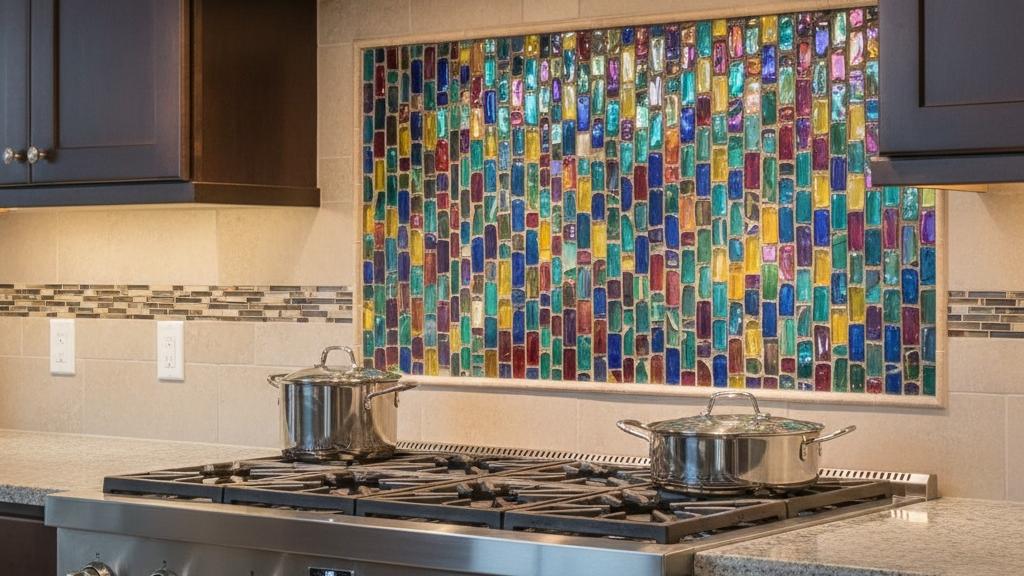
Mosaic tiles are small-format pieces, typically under 2 inches in any dimension, arranged to create patterns or images. These tiles come pre-mounted on mesh backing sheets for easier installation and can feature glass, stone, ceramic, or mixed materials. The artistic possibilities with mosaics are virtually endless, from simple geometric patterns to elaborate murals.
Mosaic work requires more precision during installation because even slight misalignment becomes noticeable across multiple small pieces. This complexity affects both material costs and labor expenses, but the visual impact often justifies the investment for homeowners seeking distinctive character.
Breaking Down the Budget: Material Costs Compared
Subway Tile Pricing Structure
Standard 3x6 subway tiles typically range from $1 to $15 per square foot, depending on material quality and finish. Basic ceramic options sit at the lower end, while premium porcelain or specialty glazes command higher prices. Colored subway tile variations generally cost 20-40% more than classic white, though the price gap has narrowed as colored options gain popularity.
When shopping at a trusted tile supplier, you'll find that larger format subway tiles like 4x12 or 3x9 often cost slightly more per square foot but require fewer grout lines, potentially saving on installation time and grout materials. Budget approximately 10-15% extra for waste and cuts, especially if you're planning complex patterns.
Mosaic Tile Investment
Mosaic tiles start around $8 per square foot for basic ceramic options but quickly escalate to $25-50 per square foot for glass, natural stone, or designer collections. Specialty terrazzo-look mosaics or hand-crafted pieces can exceed $100 per square foot. The mesh backing simplifies handling but adds to manufacturing costs.
Material waste for mosaics typically runs lower (5-10%) because the small pieces adapt well to edges and corners without extensive cutting. However, the higher base price means your total material investment will likely exceed subway tile alternatives by 50-200%, even accounting for reduced waste.
Installation Expenses: Where Your Money Goes
Labor Costs for Subway Tile
Professional installation for subway tile backsplashes averages $7-$15 per square foot for standard running bond patterns. More intricate subway tile layouts like herringbone subway tile backsplash or vertical subway tile designs increase labor costs by 25-50% due to additional cutting and precision requirements. A certified tile installer ensures proper waterproofing and alignment.
The straightforward nature of subway tile installation means many professionals can complete a standard 30-square-foot kitchen backsplash in one day, minimizing hourly labor charges. Contractors appreciate working with subway tiles because the consistent size and shape create predictable workflows.
Mosaic Installation Investment
Mosaic tile installation commands premium rates, typically $10-$25 per square foot, reflecting the meticulous attention required. Installers must ensure the mesh backing sits flat against the wall, maintain consistent grout lines between sheets, and blend seams invisibly. The process demands more time per square foot than subway tile work.
Expect a professional to spend 1.5-2 times longer installing mosaics compared to subway tiles for the same coverage area. This extended timeline directly affects your labor budget. However, working with certified tile contractors ensures quality results that justify the investment.
Design Flexibility and Pattern Options
Creative Subway Tile Layouts
Modern subway tile patterns extend far beyond basic brick layouts. Popular configurations include:
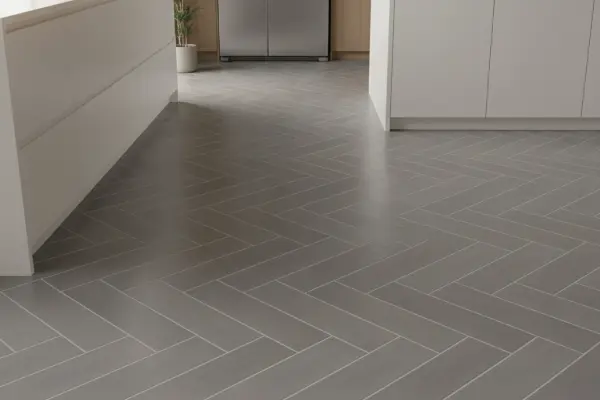
- Herringbone: Creates dynamic visual movement with tiles arranged in V-shaped patterns
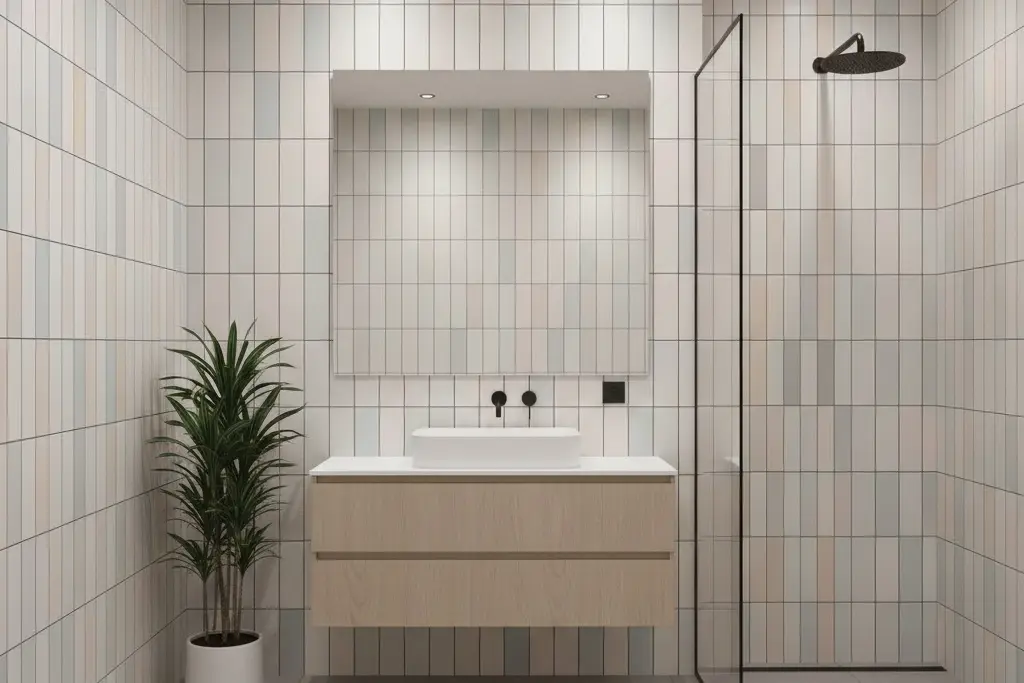
- Vertical Stack: Elongates walls by running tiles perpendicular to traditional orientation
- Chevron: Forms continuous zigzag lines for contemporary appeal
- Basketweave: Alternates horizontal and vertical pairs for textured interest
A 3D decorative subway tile adds dimensional depth without complex installation. These textured options deliver high-end aesthetics at mid-range prices, bridging the gap between flat subway tiles and intricate mosaics.
Mosaic Design Possibilities
Mosaics excel at creating focal points, borders, or entire backsplash installations. You can mix materials like glass and stone within a single design, incorporate metallic accents, or develop custom color gradients. Many homeowners use mosaics strategically behind cooktops or sinks while surrounding them with more affordable field tiles.
The small scale of mosaic pieces allows curved applications and organic shapes impossible with larger subway tiles. This flexibility makes mosaics ideal for unique architectural features or artistic expressions that reflect personal style.
Comparing Long-Term Value and Maintenance
Durability Considerations
Both subway tiles and mosaics offer excellent longevity when properly installed, easily lasting 20+ years with basic care. Porcelain versions of either style resist moisture, staining, and wear exceptionally well. However, mosaics present more grout lines where moisture can penetrate if sealant fails, potentially requiring more frequent maintenance.
According to ceramic tile standards, properly rated tiles withstand daily kitchen exposure including heat, splashes, and impacts. Glazed surfaces on both types clean easily, though textured subway tiles may trap slightly more debris in their dimensional patterns.
Cleaning and Upkeep
Subway tiles with their larger surface areas require less frequent grout cleaning than mosaics. A standard subway tile backsplash might have 40-50 linear feet of grout lines in a typical kitchen, while the same area in 1-inch mosaics could have 200+ feet of grout to maintain. Porcelain tile cleaning remains straightforward with pH-neutral cleaners and soft cloths.
Subway tile with dark grout cleverly hides staining and requires less aggressive cleaning compared to white grout. This practical consideration affects long-term maintenance satisfaction regardless of whether you choose subway or mosaic styling.
Subway Tile Vs. Mosaic: Quick Comparison
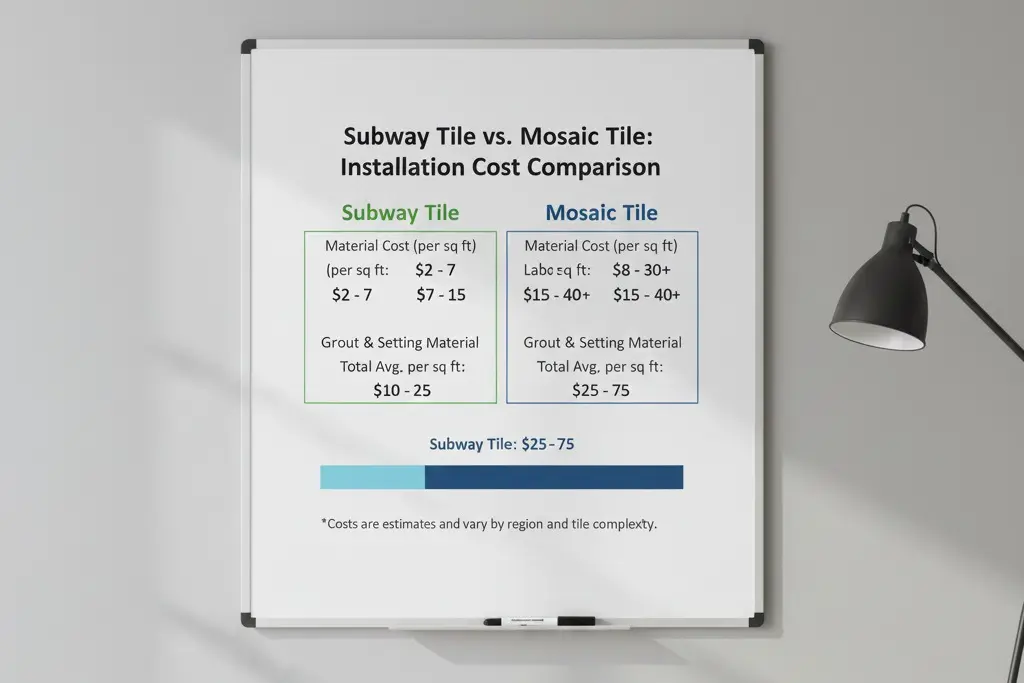
Factor | Subway Tile | Mosaic Tile |
Material Cost | $1-15/sq ft | $8-50+/sq ft |
Installation Cost | $7-15/sq ft | $10-25/sq ft |
Installation Time | Faster (1 day average) | Slower (1.5-2x longer) |
Pattern Flexibility | High (6+ common layouts) | Very High (unlimited) |
Maintenance | Lower (fewer grout lines) | Higher (more grout lines) |
Visual Impact | Clean, classic | Intricate, artistic |
Best For | Budget-conscious, timeless design | Statement pieces, unique character |
Pros and Cons of Each Backsplash Style
Subway Tile Advantages
- Budget-friendly: Lower material and installation costs make subway tiles accessible for most homeowners
- Timeless appeal: Classic aesthetic won't feel dated in 5-10 years
- Easy maintenance: Fewer grout lines mean quicker cleaning routines
- DIY potential: Straightforward installation for experienced DIYers
- Wide availability: Find options at virtually any tile showroom
Subway Tile Limitations
- Common appearance: Popularity means less uniqueness without creative layouts or colors
- Simple aesthetic: May lack visual interest for those seeking bold statements
- Grout visibility: Large format means grout lines are prominent features
Mosaic Tile Advantages
- Distinctive character: Creates one-of-a-kind focal points
- Material variety: Mix glass, stone, and ceramic in single designs
- Curved application: Adapts to rounded surfaces and organic shapes
- Artistic expression: Enables custom patterns and color stories
Mosaic Tile Limitations
- Higher investment: Material and labor costs significantly exceed subway options
- Maintenance intensity: More grout lines require regular attention
- Trend sensitivity: Bold patterns may feel dated sooner than classics
- Professional installation: Complex application discourages DIY attempts
How to Choose Based on Your Budget
Establishing Your Project Budget
Start by measuring your backsplash area and calculating square footage. For a typical kitchen backsplash (30-40 square feet), budget ranges might look like this:
Economy Tier ($300-800) Standard ceramic subway tiles with basic running bond installation offer clean results without straining finances. Shop by color to find affordable options that complement your existing finishes.
Mid-Range Tier ($800-1,800)
Porcelain subway tiles in unique sizes or simple mosaic accents behind the cooktop balance cost with character. Mixing materials strategically maximizes visual impact per dollar spent.
Premium Tier ($1,800-4,000+) Full mosaic installations, designer tile styles, or elaborate subway tile patterns with premium materials deliver showroom-worthy results.
Budget-Stretching Strategies
Consider these approaches to maximize your investment:
- Hybrid designs: Use mosaics as decorative borders or behind cooking areas while filling surrounding space with coordinating subway tiles
- Strategic splurges: Invest in eye-catching colored subway tile as your primary surface rather than expensive mosaics
- Timing purchases: Shop local during seasonal sales or clearance events for premium materials at reduced prices
- Pattern over material: Create interest through herringbone or chevron subway tile layouts using affordable materials
Step-by-Step: Planning Your Backsplash Budget
Step 1: Measure and Calculate
Measure the height and width of all backsplash areas, accounting for windows and other obstacles. Multiply dimensions to get total square footage, then add 10-15% for waste. Check tile coverage calculators for accurate material estimates.
Step 2: Research Material Options
Visit showrooms or browse online collections to compare subway and mosaic options in your price range. Request samples to see how tiles look with your existing cabinets and countertops under your home's lighting conditions.
Step 3: Get Installation Quotes
Contact 3-5 qualified professionals for detailed estimates. Ensure quotes include surface preparation, waterproofing, tile setting, grouting, and sealing. Compare not just price but also timelines and warranty coverage.
Step 4: Factor Additional Costs
Budget for trim pieces, backerboard if needed, grout, sealant, and potential electrical outlet extenders. These supplementary materials typically add 15-20% to your tile cost.
Step 5: Build in Contingency
Reserve 10-15% of your total budget for unexpected discoveries like wall repairs or design adjustments during installation. This buffer prevents mid-project compromises when surprises arise.
Current Trends Influencing Both Styles
Recent bathroom tile trends show interesting crossover between subway and mosaic applications. Subway tile kitchen ideas now frequently incorporate unexpected grout colors, creating mosaic-like visual interest without the associated costs. Deep navy, charcoal, and even metallic grouts transform basic white subway tiles into contemporary statements.
Meanwhile, mosaic manufacturers increasingly offer larger format "mini-subway" meshes that capture mosaic character while simplifying installation. These hybrid products bridge the gap between styles, offering compromise solutions for budget-conscious homeowners seeking distinctive looks.
The tile industry continues innovating with new finishes, sizes, and installation systems that blur traditional category lines. Staying informed about these developments helps you identify emerging value opportunities.
Making Your Final Decision
Choosing between subway tile and mosaic backsplashes ultimately depends on balancing aesthetic preferences with financial realities. If budget is your primary concern and you appreciate timeless design, subway tiles deliver unbeatable value through their combination of affordability, durability, and versatility. The explosion of modern subway tile patterns means you're not sacrificing style for savings.
However, if your space craves distinctive personality and budget allows flexibility, mosaics create focal points that become conversation starters. Many homeowners find the sweet spot by combining both styles-using subway tiles as the primary surface while incorporating mosaic accents where they'll make the biggest impact.
Before committing, examine installed examples at showrooms or design centers. Photos rarely capture how light plays across different surfaces or how grout colors affect overall appearance. Natural stone specialists and tile experts can provide insights specific to your space and lifestyle needs.
Conclusion
Both subway tiles and mosaics offer legitimate paths to beautiful, functional backsplashes, but they serve different priorities. Subway tile layouts provide cost-effective elegance through clean lines and pattern versatility, while mosaics deliver artistic impact through intricate detail work. Your budget, maintenance willingness, and design vision should guide your choice.
Ready to explore both options in person? Contact us to discuss your project with tile specialists who understand how to maximize every dollar of your investment. Whether you're drawn to classic 3x6 subway tiles or intricate mosaic artistry, finding the right balance between style and budget creates spaces you'll love for decades. Visit our showroom to see full-scale installations and discover how the right backsplash choice transforms your kitchen or bathroom into something truly special.
Frequently Asked Questions
Can I mix subway tiles and mosaics in the same backsplash?
Absolutely! Many designers recommend using subway tiles as the primary field tile with mosaic accents behind the range or as decorative borders. This hybrid approach balances cost while creating visual interest. Ensure both tile types have compatible thicknesses for smooth transitions, and use coordinating colors for cohesive design.
How much should I budget for a 30 square foot kitchen backsplash?
For subway tile, expect $450-$1,200 total (materials plus installation) depending on tile quality and pattern complexity. Mosaic backsplashes typically run $900-$2,250 for the same area. Always add 10-15% contingency for unexpected expenses or design adjustments during installation.
Does grout color significantly impact the overall look?
Yes, dramatically. Contrasting grout (like subway tile with dark grout) emphasizes the tile pattern and hides staining, while matching grout creates seamless, minimalist appearances. Dark grout requires less maintenance over time regardless of tile choice, saving money on cleaning products and resealing services.
Are subway tiles outdated or still trendy?
Subway tiles remain current through their adaptability. While basic white horizontal layouts feel traditional, modern applications using vertical subway tile, chevron patterns, or bold colors keep the style fresh. The key is choosing contemporary layouts and colors rather than defaulting to standard configurations.
Which backsplash style adds more home value?
Both can enhance value when well-executed. Subway tiles appeal to broader buyer preferences due to their classic nature, potentially offering better resale returns. However, tasteful mosaic work in premium homes can justify higher asking prices. Choose based on your neighborhood's typical finish levels and personal timeline for selling.