Subway tiles come in multiple material types: ceramic, porcelain, glass, natural stone (marble, travertine, limestone, slate), metal (stainless steel, copper, bronze), handcrafted artisan, and eco-friendly recycled options. Each material offers distinct characteristics ceramic provides affordability and easy maintenance, porcelain delivers superior durability with less than 0.5% water absorption, glass creates luminous reflective surfaces, natural stone offers unique organic patterns, metal adds industrial sophistication, and handcrafted varieties provide artisan character with color variations.
Subway tiles originated in early 1900s New York City transit stations as practical waterproof surfaces for underground environments. Today, they're available in various sizes beyond the classic 3x6-inch format, including 4x12-inch, 4x16-inch, 2x4-inch, and 1x3-inch dimensions. Surface finishes range from glossy (light-reflective, easy to clean) to matte (hides water spots, non-reflective) to textured and dimensional (adds depth with beveled edges, wave patterns, or geometric relief).
Material selection depends on location and usage: kitchens benefit from glazed ceramic or porcelain for heat and stain resistance; bathrooms require low water-absorption materials like porcelain or sealed stone; high-traffic areas need dense porcelain. Maintenance varies ceramic and porcelain require minimal upkeep, natural stone needs regular sealing against moisture and stains, glass shows water spots requiring frequent cleaning, and metal displays fingerprints needing regular polishing. Nova Tile and Stone provides free consultations to help homeowners select appropriate materials matching aesthetic preferences and functional requirements for their specific spaces.
Traditional Ceramic Options
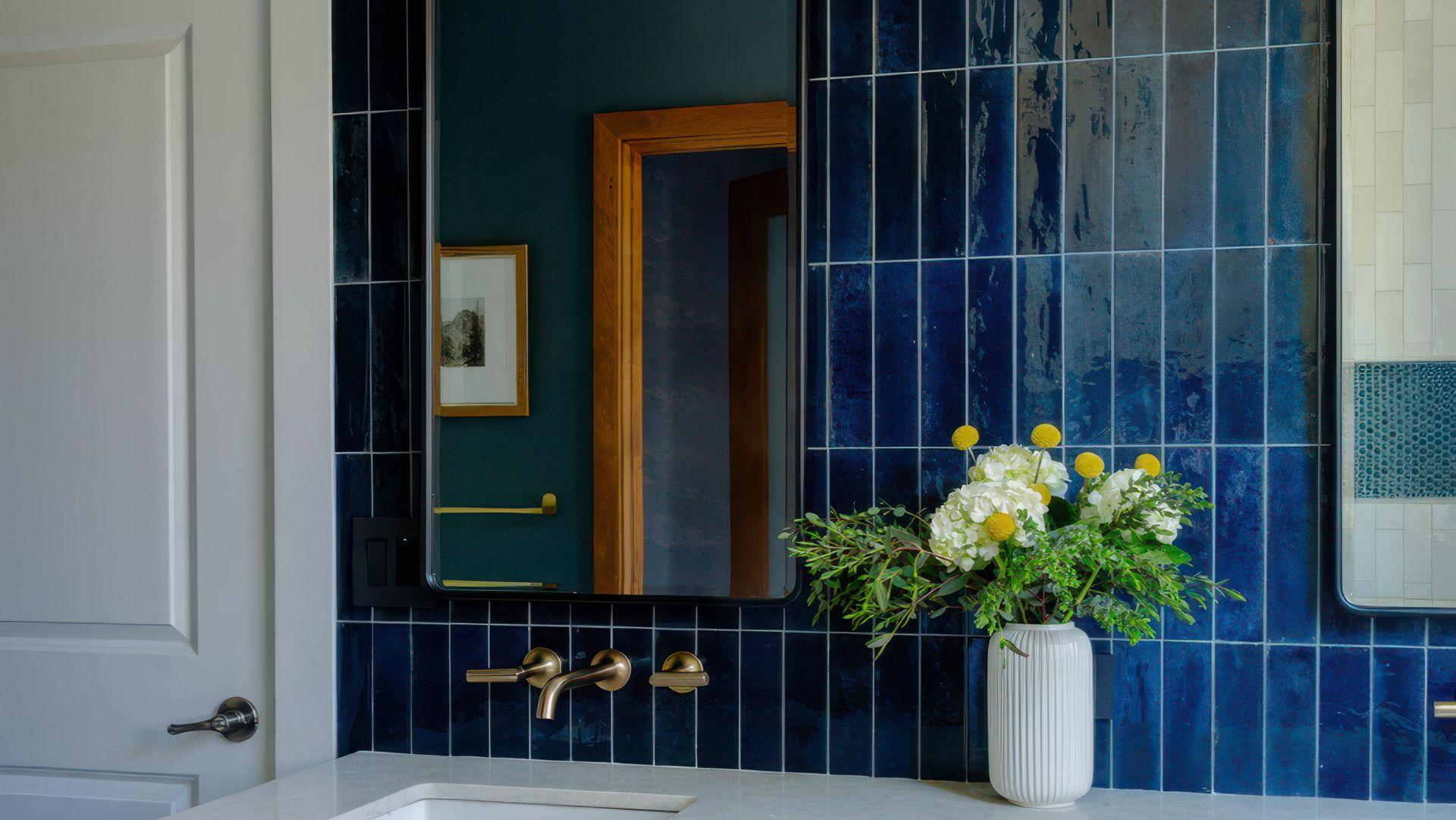
Ceramic varieties represent the most sought-after selection among property owners and design professionals. Manufactured from clay fired at elevated temperatures, these surfaces deliver resilience and moisture resistance ideal for culinary and bathing areas. The standard 3x6-inch dimension continues dominating preferences, providing an enduring appearance that maintains relevance across decades.
Versatility in surface treatments makes ceramic particularly attractive. Glossy finishes reflect illumination beautifully, creating spacious and luminous environments. Maintenance requires minimal effort simple wiping preserves their brilliant appearance. Matte treatments offer understated sophistication with soft, non-reflective surfaces that conceal water marks and smudges more effectively. According to industry standards, these products must meet specific performance criteria ensuring quality and durability.
Available color selections have expanded dramatically beyond traditional white. Options span soft pastels, vibrant jewel tones, neutral grays, and warm earth shades. This diversity enables creating accent walls, introducing color bursts, or maintaining monochromatic schemes according to design preferences.
Porcelain: Strength Meets Aesthetics
Though frequently confused with ceramic, porcelain represents enhanced density and longevity. Produced using refined clay and subjected to higher firing temperatures, these surfaces exhibit reduced porosity and superior resistance to moisture, staining, and deterioration. This makes them excellent for high-traffic zones or areas experiencing substantial water exposure. Technical comparisons provide detailed information on these material differences.
Porcelain excels at convincingly replicating alternative materials. Contemporary manufacturing enables accurate simulation of natural stone, concrete, or wood appearance with remarkable precision. This capability provides desired aesthetics without maintenance demands or expenses associated with authentic materials. Explore various tile types to see these versatile options.
Through-body construction means color permeates the entire thickness rather than surface glazing alone. This characteristic proves particularly valuable in commercial environments or active households where chips might occur, remaining far less conspicuous than on surface-glazed alternatives. Expert guidance offers comprehensive information on selecting between these materials.
Glass: Luminosity and Contemporary Appeal
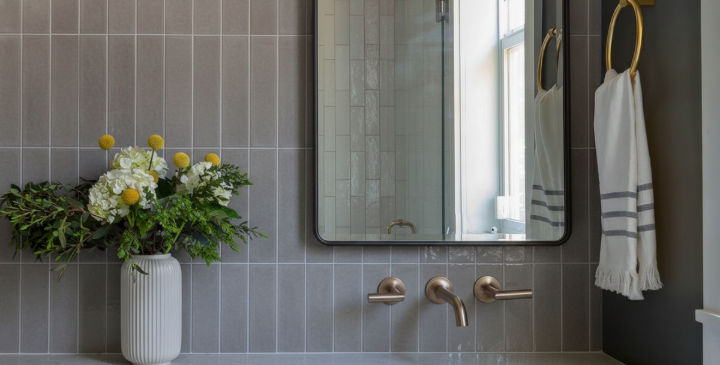
Glass variations introduce entirely different visual qualities to interior environments, offering unparalleled luminosity and dimension. Created by fusing colored glass at elevated temperatures, these products reflect and refract illumination in ways ceramic and porcelain cannot replicate.
Translucent characteristics create depth and movement, particularly when backlit or positioned in naturally bright areas. Available in clear, frosted, iridescent, and solid color options, each delivers unique visual effects. Recycled glass alternatives have gained popularity among environmentally conscious consumers, offering identical beauty while incorporating sustainable materials.
Glass proves particularly stunning in bathing areas, creating spa-like atmospheres, or as culinary backsplashes, adding jewel-like qualities to spaces. Non-porous surfaces provide natural resistance to mold, mildew, and bacteria, though they require careful cleaning to avoid scratches and maintain brilliant shine. Consider decorative 3D options that maximize light reflection and add dimensional interest.
Natural Stone: Organic Elegance
For those seeking organic beauty and distinctive character, natural stone options offer unmatched aesthetics. Marble, travertine, limestone, and slate rank among popular choices, each contributing unique patterns, textures, and color variations. Professional stone resources provide extensive information on selection and maintenance.
Marble epitomizes luxury and sophistication. Whether classic Carrara white with delicate gray veining or dramatic Calacatta with bold striking patterns, marble elevates any environment. Each piece is naturally unique, ensuring installations remain truly one-of-a-kind. Travertine provides rustic, Old-World charm with naturally pitted surfaces and warm earth tones.
Stone varieties require more maintenance than manufactured counterparts. Regular sealing protects against stains and moisture absorption, and certain stones show sensitivity to acidic substances. However, for many property owners, authentic beauty and timeless appeal justify additional care.
Metal: Industrial Sophistication
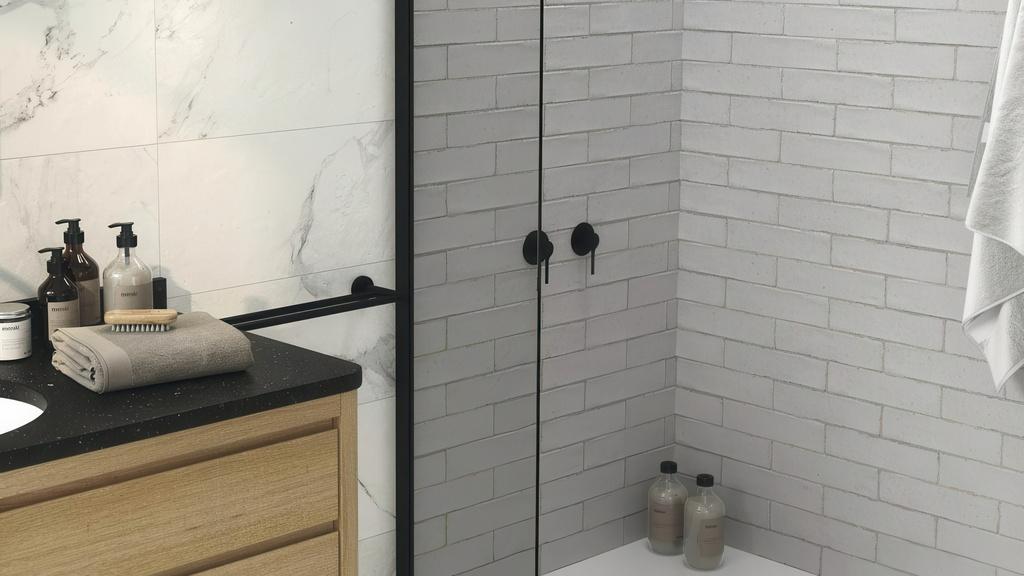
Metal options represent cutting-edge contemporary design, bringing industrial edge and modern sophistication to interiors. Available in stainless steel, copper, bronze, aluminum, and tin, these surfaces create dramatic focal points and reflect illumination distinctively.
Stainless steel proves particularly popular in modern kitchens, complementing professional-grade appliances and creating cohesive, chef-inspired aesthetics. Copper develops natural patina over time, adding character and warmth while offering antimicrobial properties. Bronze and brass provide rich, warm tones adding depth and luxury. Current design trends showcase metal tiles in contemporary installations.
Metal works exceptionally well as accent pieces or feature walls rather than covering entire rooms. They combine effectively with other materials to create interesting contrasts and visual interest. While heat-resistant and durable, metal surfaces show fingerprints and water spots, requiring regular maintenance.
Handcrafted Artisan Varieties
Handcrafted options represent the pinnacle of artisan craftsmanship, offering irregularities and imperfections machine-made alternatives cannot replicate. These surfaces are individually formed, glazed, and fired by skilled craftspeople, resulting in subtle variations in size, shape, color, and surface texture giving installations exceptional character and depth.
Zellige from Morocco exemplifies this category with distinctive hand-cut edges and luminous glazes varying from piece to piece. Mexican Talavera brings vibrant hand-painted patterns, infusing spaces with color and cultural heritage. Contemporary artisan products made in small batches offer glazing techniques and color combinations standing apart from mass-produced options.
Beauty lies in imperfections. Slight variations in color intensity, subtle warping, and irregular edges create living, breathing surfaces catching light differently throughout the day. These represent investment pieces transforming walls into works of art, perfect for homeowners seeking distinctive interiors. Browse different styles to discover artisan-inspired designs.
Textured and Dimensional Surfaces
Moving beyond flat profiles, textured and dimensional options add tactile interest and visual depth. These feature raised patterns, beveled edges, rippled surfaces, or three-dimensional geometric designs creating shadows and highlights as illumination moves across them throughout the day.
Beveled edges remain popular choices, with angled profiles creating subtle definition between pieces and adding architectural interest without overwhelming spaces. Wave patterns or rippled textures bring organic movement to walls, while geometric relief patterns create bold, contemporary statements. Installation best practices ensure proper edge protection for dimensional applications.
Dimensional surfaces work particularly well where adding interest without introducing color is desired. All-white installations with textured pieces create depth and sophistication while maintaining clean, cohesive looks. These also help hide minor wall imperfections better than completely flat alternatives.
Specialty Dimensions and Configurations
While classic 3x6-inch format remains beloved, products now come in impressive dimension arrays allowing greater design flexibility. Larger formats like 4x12-inch porcelain or 4x16-inch create more modern, streamlined looks with fewer grout lines, making spaces feel larger and more contemporary.
Smaller formats, such as 2x4-inch or 1x3-inch, offer delicate, intricate appearance working beautifully in compact spaces or as decorative accents. Square profiles, typically 3x3-inch or 4x4-inch, provide the aesthetic with a twist, allowing different laying patterns while maintaining clean-lined appeal. Size variations offer numerous dimensional possibilities.
Sizing variety means mixing formats within the same space to create borders, frames, or accent areas. Kitchen backsplashes might feature standard 3x6-inch pieces with borders of smaller 1x3-inch elements in contrasting colors, adding visual interest and personalization. Professional layout techniques provide guidance for mixed-format installations.
Eco-Friendly and Sustainable Alternatives
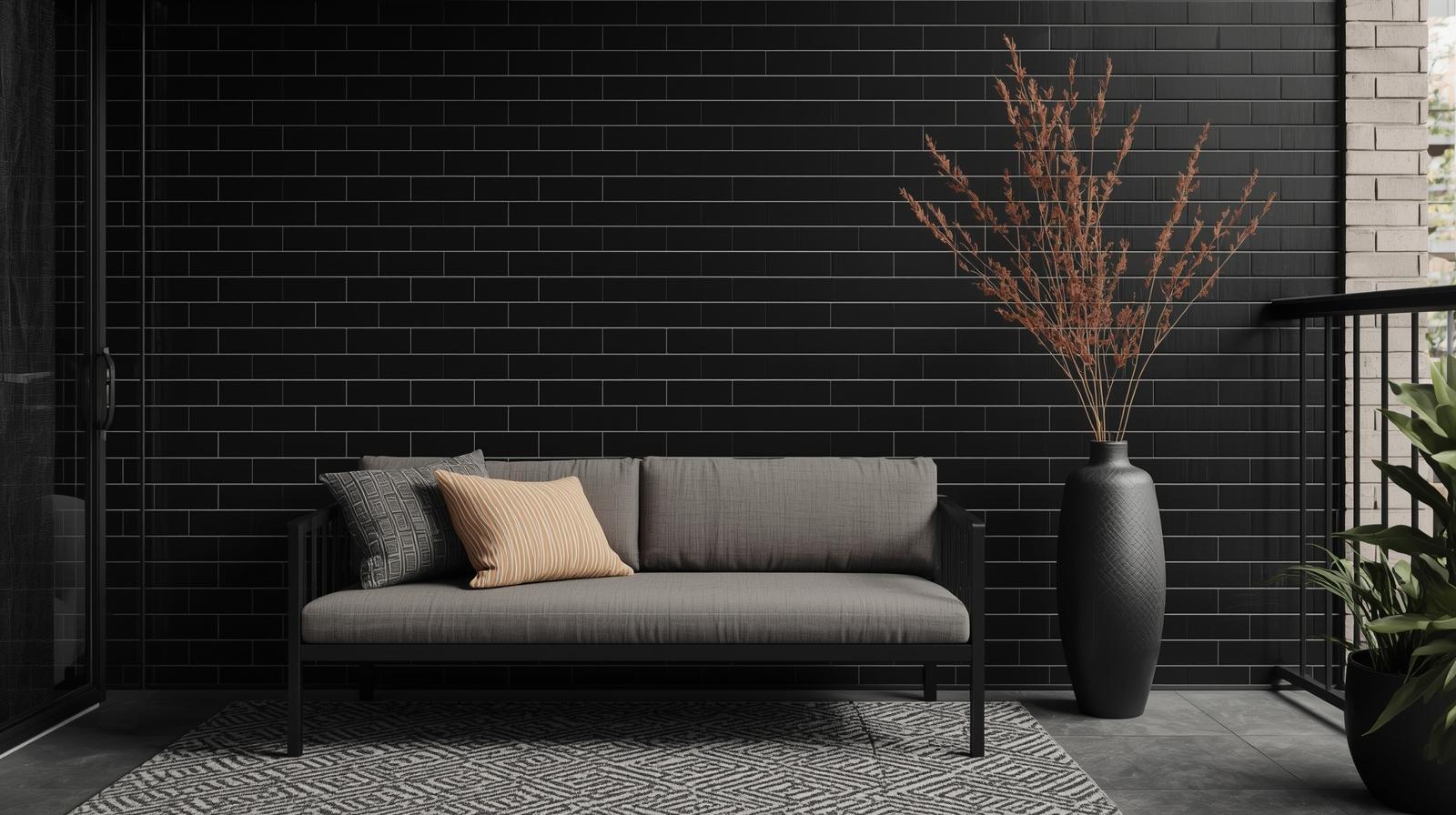
As environmental consciousness grows, so does availability of eco-friendly options. Recycled glass transforms post-consumer glass into beautiful, durable surfaces performing as well as virgin materials while reducing waste. Some manufacturers incorporate recycled content in ceramic and porcelain products, utilizing pre-consumer waste from other manufacturing processes.
Locally produced materials reduce transportation emissions and support local economies, making them environmentally sound choices. Some artisan makers use reclaimed clay or sustainable firing practices minimizing energy consumption. Bio-glass made from renewable resources offers another green alternative without compromising aesthetics or performance.
These sustainable options prove environmental responsibility and beautiful design are not mutually exclusive. Many eco-friendly alternatives are indistinguishable from conventional options regarding appearance and durability, allowing homeowners to make choices aligning with values without sacrificing vision. Terrazzo-inspired designs often feature recycled content while delivering stunning aesthetics.
Selecting Appropriate Materials for Your Environment
Choosing perfect options involves considering multiple factors beyond aesthetic preference. Room function, existing design elements, lighting conditions, and maintenance requirements all play crucial roles in making appropriate selections.
In kitchens, durability and cleaning ease are paramount. Glazed ceramic or porcelain typically perform best, standing up to splatters, heat, and frequent cleaning. Bathrooms benefit from low water absorption rates, making porcelain, glass, or properly sealed stone good choices. Living areas offer more flexibility since they face less moisture and wear. Design professionals provide industry standards for appropriate material selection.
Consider how natural and artificial illumination interacts with different materials. Glass sparkles in sunny rooms but might feel cold in spaces with limited natural light. Matte finishes hide imperfections and create calm, serene atmospheres, while glossy surfaces energize spaces and maximize light reflection. Contemporary trends highlight current preferences in bathroom applications.
Lifestyle and maintenance commitment should influence choices. For low-maintenance surfaces, select glazed ceramic or porcelain. If willing to invest time in upkeep for beauty's sake, natural stone or metal might be worth considering. Review available products to compare maintenance requirements across material types.
Our team offers complimentary consultations to help property owners navigate these decisions, ensuring selected materials perfectly match both aesthetic vision and practical requirements. Reach out to discuss your specific project needs.
Conclusion
The realm of subway surfaces extends far beyond classic white ceramic rectangles that initiated this design movement. Today's options encompass incredible ranges of materials, from traditional ceramics and porcelain to glass, natural stone, metal, and handcrafted artisan pieces. Each type brings distinctive aesthetic qualities, performance characteristics, and maintenance requirements.
Whether drawn to timeless elegance of marble, modern sophistication of glass, durability of porcelain, or unique character of handcrafted pieces, there's an option perfectly suited to your vision and needs. Variety in sizes, textures, and finishes means creating anything from subtle, classic backdrops to bold, contemporary statements.
Understanding different varieties available empowers making informed decisions balancing beauty, functionality, and practicality. As you plan your project, consider not just showroom appearance, but how materials will perform in your specific space and lifestyle. With appropriate selections, these surfaces will enhance your home for years, proving once again why this design element has remained beloved for over a century. Visit our local showroom or explore online to begin your selection journey.
Frequently Asked Questions
What distinguishes ceramic from porcelain options?
Porcelain is manufactured from finer clay and fired at higher temperatures than ceramic, making it denser, less porous, and more durable. Porcelain absorbs less than 0.5% water, while ceramic can absorb up to 3%, making porcelain superior for high-moisture areas. Porcelain also shows greater resistance to stains, scratches, and wear, though typically costs more. For most residential applications, both perform well, but porcelain offers superior performance in demanding environments. Certified professionals can provide additional guidance on proper selection.
Are glass varieties more challenging to maintain than ceramic?
Glass requires slightly different care than ceramic but isn't necessarily more difficult to maintain. They're naturally non-porous and resist mold and bacteria, making them hygienic and easy to clean. However, glass shows water spots, fingerprints, and soap scum more readily than ceramic, requiring more frequent cleaning to maintain sparkle. Non-abrasive cleaners and soft cloths prevent surface scratching. Overall, maintenance is frequent but simple. Learn more about us and our commitment to helping customers maintain their investments.
Can natural stone work in shower applications?
Natural stone can be used in showers, but requires proper selection, sealing, and maintenance. Dense stones like granite and slate perform well in wet environments, while marble and limestone are more porous and require diligent sealing and care. All stone in showers should be sealed before grouting and resealed regularly according to manufacturer recommendations. Some stones show sensitivity to acidic cleaners, requiring pH-neutral products to avoid etching or dulling surfaces.
Why do handcrafted options cost more than machine-made alternatives?
Handcrafted pieces cost more due to labor-intensive production processes and limited production quantities. Each piece is individually formed, glazed, and fired by skilled artisans, taking significantly more time than mass production. Unique glazing techniques, custom color formulations, and quality control involved in small-batch production add to costs. Additionally, handcrafted materials often come from specialized producers or international sources, increasing transportation and importation expenses. Investment reflects uniqueness, artistry, and craftsmanship involved in creation. Discover subway tiles in various colors including handcrafted options.
Do different materials require specific grout types?
Yes, different materials often work best with specific grout types. Natural stone typically requires unsanded grout or epoxy grout to avoid scratching surfaces, while ceramic and porcelain can use either sanded or unsanded grout depending on grout line width. Glass needs special glass grout or epoxy formulations that won't show through translucent material and won't scratch edges. Metal works well with epoxy grout, which resists staining and provides strong adhesion. Always consult manufacturer recommendations for optimal results.