Subway tile stands as one of the most iconic design features in bathrooms, kitchens, and various interior spaces. Over the last hundred years, the classic 3x6 rectangular white tile has transformed into countless sizes, colors, and finishes. Its streamlined appearance and flexible design make it a popular choice for homeowners, whether you're adding a subway tile backsplash in the kitchen or installing a modern subway tile shower. Though widely embraced in residential settings today, this tile style first appeared in commercial environments. At our tile and stone collection, we celebrate this rich heritage by offering an extensive selection that honors subway tile's historic roots while embracing contemporary innovation. Learn more about us and our commitment to quality tile solutions.
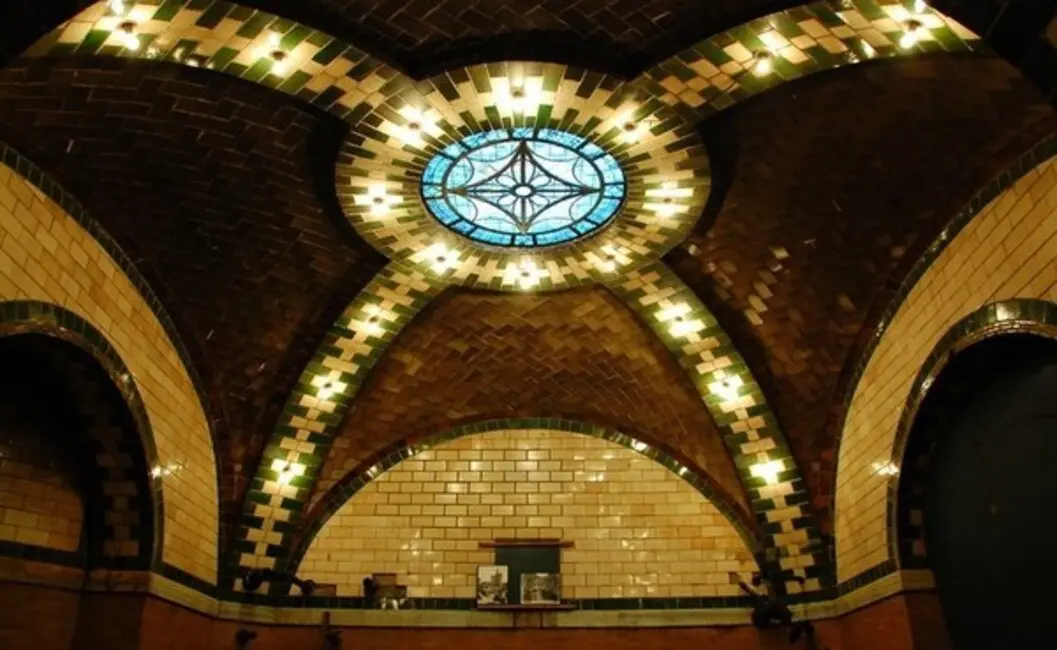
Why is it called "Subway Tile"?
The name originates from its first use, not from the sandwich chain, as you might wonder. Discovering where subway tiles came from requires a journey to early 1900s New York City.
The Birth of America's First Subway
When architects George C. Heins and Christopher Grant La Farge received the assignment to design America's inaugural subway station interiors in 1904, they sought a blend of practicality and visual appeal. Their goal was to make underground transportation more attractive to doubtful New Yorkers. What did they choose? Glossy, bright white ceramic tiles that could bounce light throughout the dim subterranean passages. The 3x6-inch dimensions, now legendary, were selected for both practical and aesthetic reasons. Beyond illuminating the subway, this design simplified maintenance, an essential consideration during an era when public sanitation was gaining prominence. The ANSI A137.1 standard continues to guide tile quality and performance requirements today, ensuring subway tiles meet rigorous durability benchmarks. Modern options like the 3x12 matte porcelain subway tile build upon this legacy with updated proportions.
Solving the Sanitation Crisis
Earlier subway systems in cities like London and Paris faced harsh criticism for their grimy, soot-covered conditions, caused mainly by steam locomotives and inadequate air circulation. The brick and mortar construction in these stations made matters worse. Passengers endured unpleasant experiences amid the dirt and smell, pushing cleanliness to the forefront of urban planning concerns. NYC chose to adopt the recently developed electric underground trains right from the start, determined to create a positive first impression of American subway transit. The historic City Hall station, now closed to the public, marked America's first subway station and the debut of subway tiles. Installation best practices, including tile edge protection methods, have evolved significantly since those early applications. The Ceramic Tile Distributors Association continues to provide industry standards that ensure high-quality products.

Tile for Hygiene: The Filth Theory
During the early 1900s, cleanliness became a societal priority, particularly as germ theory emerged to explain disease transmission. Previously, "filth theory" dominated thinking the belief that diseases originated from unclean conditions recognized by foul odors. With its sleek, easy-to-clean surface, subway tile quickly represented hygiene and purity. The pristine white subway tile in transit stations communicated cleanliness, making it an obvious selection for public facilities like hospitals and eateries where sanitation was essential. The National Kitchen and Bath Association recognizes this enduring connection between subway tile and clean design. Modern resources covering today's bathroom tile trends consistently feature subway tile for its hygienic properties and timeless appeal.
From Subways to Homes
Homeowners quickly recognized this connection to cleanliness. Throughout the 1920s, subway tile installations in kitchens and bathrooms became widespread in American residences, especially in Victorian homes where hygiene consciousness aligned with sophisticated aesthetics. The identical tiles illuminating subway platforms were now delivering that sanitary appeal to personal living spaces. Today's homeowners continue to appreciate the classic 3x6 subway tile format, which has sustained its popularity across changing design eras. It remains a preferred option for spaces demanding cleanliness like subway tile kitchen backsplashes. Modern interpretations have expanded well beyond the original white ceramic, with options to shop tiles by color that suit any aesthetic preference.
Evolution of Subway Tile
Early Innovations
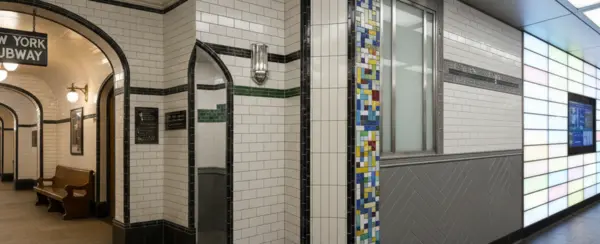
Though subway tiles have maintained their basic dimensions and rectangular shape, numerous style developments have emerged throughout the years. Among the first modifications was beveled subway tile, which introduced depth to surfaces and created interesting light effects. Subsequently, crackled glazes brought visual complexity and character to the traditionally smooth tile. When design preferences moved toward more individualized environments, handmade and handmade-inspired subway tiles appeared, contributing texture and uniqueness through their rustic, craft-oriented appearance. Other contemporary patterns like terrazzo-look tiles showcase how classic styles continue to influence modern design. These adaptations enabled homeowners to express individuality in their spaces while preserving the traditional subway tile look. For those interested in exploring various aesthetic approaches, you can shop tiles by style to find options ranging from classic to contemporary. The Natural Stone Institute provides valuable resources on tile selection and care across different materials and finishes.
Modern Influences
Contemporary design has introduced daring new takes on this traditional tile format. Today's homeowners are experimenting with extended sizes, dramatically altering spaces with their elongated proportions. Color exploration has expanded significantly, with bold options like green, blue, and black subway tiles claiming their spot in modern interiors, moving beyond the conventional neutral color scheme toward more daring choices. Layout techniques have also progressed, vertical stacking of subway tiles, positioning them straight above one another instead of the traditional offset brick layout, has emerged as a contemporary favorite. Professional installers often reference tile layout tips to maximize the visual impact of each style. The latest innovation introduces dimensional texture through fluted 3D decorative subway tiles, delivering exceptional depth and physical dimension.

Subway Tile: Trendy or Timeless?
From its functional beginnings, subway tile has transformed into a design essential appearing throughout virtually all interior styles. Does it represent a passing trend or enduring classic? It appears to be both simultaneously. Subway tile has demonstrated remarkable longevity through its remarkable flexibility. From the traditional white subway tile backsplash kitchen to contemporary subway tile showers featuring vertical gray tile arrangements, its versatility remains unparalleled. Industry events like Coverings, the premier international tile and stone exhibition, consistently showcase how subway tile continues to evolve while maintaining its core appeal. Understanding material differences is also important, resources explaining ceramic versus porcelain tile can help inform your selection. While design movements emerge and fade, subway tile's fundamental simplicity and compatibility with various materials such as glass subway tile or porcelain subway tile indicate its permanent place in interior design.
Conclusion
Subway tile's journey from New York City's underground transit stations to modern homes demonstrates its enduring appeal and remarkable adaptability. What began as a practical solution to sanitation and lighting challenges in 1904 has evolved into a design element that transcends generations and style preferences. The tile's ability to reinvent itself through varied finishes, bold colors, innovative formats, and creative installation patterns ensures it remains relevant in contemporary design while honoring its utilitarian roots. Whether you're drawn to the classic white 3x6 format that started it all or prefer modern interpretations like fluted textures and vibrant hues, subway tile continues to offer homeowners a perfect balance of functionality, cleanliness, and timeless aesthetic appeal.
Its century-long presence in American homes isn't just a testament to nostalgia, it's proof that truly versatile design never goes out of style. Browse our complete tile collection or visit a local showroom to experience these designs firsthand.
Frequently Asked Questions
What is the standard size of subway tile?
The traditional subway tile measures 3 inches by 6 inches, which was the original dimension used in New York City's first subway stations in 1904. However, modern variations now include numerous sizes, with popular options like 2x4, 3x12, and 4x8 inches. When you shop tiles by size, you'll discover how the elongated 3x12 format has become particularly trendy in contemporary designs, offering a sleeker, more dramatic appearance while maintaining the classic rectangular subway tile profile.
Why is subway tile so popular in kitchens and bathrooms?
Subway tile's popularity in kitchens and bathrooms stems from its original purpose, hygiene and easy maintenance. The smooth, glazed surface resists stains, moisture, and bacteria, making it ideal for areas where cleanliness is essential. Beyond practicality, subway tile offers incredible design versatility, working seamlessly with various styles from traditional to modern. Its clean lines create visual interest without overwhelming a space, and it pairs beautifully with virtually any countertop, cabinet, or fixture material.
What's the difference between beveled and flat subway tile?
Flat subway tile features a smooth, level surface from edge to edge, creating a seamless, contemporary look. Beveled subway tile has angled edges that create a subtle shadow line around each tile, adding dimensional depth and visual texture to walls. The beveled edge catches light differently throughout the day, creating dynamic surface interest. When exploring different subway tiles by color, you'll notice how beveled edges enhance the perception of depth regardless of hue. Beveled tiles tend to suit traditional and transitional designs, while flat tiles often appear in more minimalist, modern spaces though both work across various design styles.
What are the most common subway tile installation patterns?
The most common installation pattern is the running bond or brick pattern, where tiles are offset by half, mimicking traditional brickwork. This classic layout adds movement and visual interest to walls. Vertical stacking, where tiles align directly above each other, creates a more modern, grid-like appearance that emphasizes height. Herringbone patterns arrange tiles at angles for dramatic, sophisticated appeal, while vertical running bond (rotating the traditional pattern 90 degrees) elongate spaces. Whether you shop tiles by type for ceramic, porcelain, or glass options, these patterns work beautifully across materials. Vertical layouts emphasize ceiling height, while horizontal patterns can make narrow spaces feel wider. Understanding the differences in porcelain versus non-porcelain tile can influence your pattern choice based on durability needs.
Are colored subway tiles harder to maintain than white ones?
Colored subway tiles require the same maintenance as white tiles, the glazed ceramic or porcelain surface is equally easy to clean regardless of color. However, white tiles may show dirt, soap scum, and hard water stains more visibly, requiring more frequent cleaning to maintain their pristine appearance. Darker colors like black, navy, or charcoal can show water spots and streaks more readily but hide everyday grime better. Medium and saturated colors like green, blue, or terracotta often strike the best balance, concealing minor imperfections while still looking fresh. For comprehensive guidance on tile care and selection, explore the products we carry or contact our team for personalized recommendations. The grout color typically impacts maintenance more than the tile color itself, darker grout shows less discoloration over time.