Subway tiles remain a timeless choice in 2025, evolving with creative subway tile layouts and modern patterns that keep them far from outdated. While the classic 3x6 white subway tile with white grout continues as a staple, today's homeowners are embracing herringbone subway tile backsplash designs, vertical installations, and colored subway tile with dark grout for fresh, contemporary looks. The question isn't whether subway tiles are relevant, but rather how you'll style them to reflect current design sensibilities.
If you're renovating your kitchen or bathroom, you're likely wondering whether subway tiles still deserve a place in your design plan. The answer is a resounding yes, but with an important caveat: the way you use them matters. Gone are the days when a simple horizontal brick pattern was your only option. Today's subway tile offerings at Nova Tile and Stone showcase an exciting array of colors, finishes, and installation patterns that transform this classic element into something entirely modern. This guide will walk you through the hottest subway tile trends for 2025, helping you decide which styles work best for your space.
The Evolution of Subway Tile: From Classic to Contemporary
Understanding the Subway Tile Foundation
Subway tiles earned their name from their original use in New York City subway stations in the early 1900s. Their simple rectangular shape, typically measuring 3x6 inches, made them practical, durable, and easy to clean. These characteristics haven't changed, but everything else has. Modern manufacturing techniques now produce subway tiles in various materials, including porcelain and ceramic, each offering unique benefits for different applications.
The traditional appeal lies in their versatility. Whether you're working with a farmhouse aesthetic, modern minimalism, or transitional design, subway tiles can adapt. The key is understanding which modern subway tile patterns and colors align with your vision. Professional tile installers emphasize that proper installation is just as important as selecting the right style, ensuring your investment looks beautiful for decades.
Why Subway Tiles Still Matter in 2025
Despite newer tile trends emerging, subway tiles maintain their popularity for solid reasons. They offer excellent value, with options available at various price points to suit any budget. Their rectangular shape creates visual interest without overwhelming a space, making them ideal for both small bathrooms and expansive kitchen backsplashes. When you explore options at Nova Tile and Stone's shop, you'll discover that modern iterations blend timeless appeal with contemporary flair.
What makes subway tiles particularly relevant in 2025 is their sustainability factor. Quality ceramic and porcelain subway tiles last for generations, reducing the need for frequent renovations. This durability, combined with easy maintenance, makes them an environmentally conscious choice that doesn't sacrifice style for function.
Modern Subway Tile Patterns That Define 2025
Color and Grout Trends Transforming Subway Tiles
The Rise of Colored Subway Tile
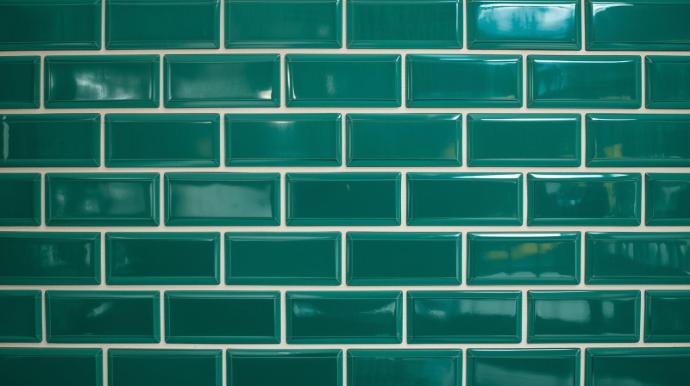
While white subway tiles remain popular, colored subway tile is having a major moment in 2025. Deep emerald greens, soft sage tones, terracotta oranges, and dusty blues bring personality to kitchens and bathrooms without overwhelming spaces. These colors work particularly well in areas where you want to make a statement, such as behind a kitchen sink or in a shower enclosure.
The beauty of colored tiles lies in their ability to set a room's mood. Browse tiles by color to discover how different hues can transform your space. Navy blue subway tiles with brass fixtures create a sophisticated, jewelry-box effect, while blush pink tiles offer warmth and femininity. The Lucida 3x9 Glossy Ceramic Subway Tile exemplifies how larger formats and glossy finishes can amplify color impact.
Subway Tile with Dark Grout Combinations
Perhaps the most significant shift in subway tile design is the embrace of dark grout. Subway tile with dark grout creates contrast and definition, highlighting the tile pattern while concealing everyday dirt and stains. This practical yet stylish choice works with both white and colored tiles, offering a contemporary look that feels intentional and designed.
Charcoal, black, or deep gray grout transforms simple white subway tiles from bland to bold. The contrast draws attention to your chosen pattern, whether herringbone, vertical, or traditional brick. This combination also photographs beautifully, making your kitchen or bathroom highly shareable on social media. When selecting grout, consult with professionals who understand proper tile installation to ensure longevity and proper sealing.
Subway Tile Kitchen Ideas for 2025
Backsplash Design Strategies
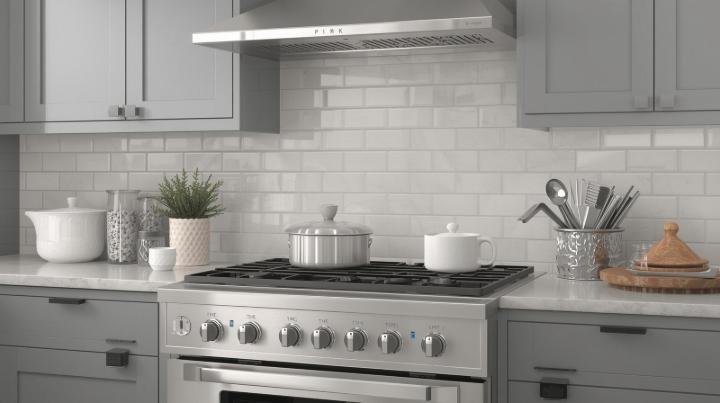
Kitchen backsplashes remain the primary canvas for creative backsplash ideas using subway tiles. In 2025, designers are moving beyond the basic four-inch backsplash, extending tile coverage to the ceiling or creating frame-like borders around windows and ranges. This approach makes kitchens feel more cohesive and finished while protecting walls from cooking splatter.
When planning your backsplash, think about incorporating decorative tile inserts within your subway tile field for added visual interest. This technique allows you to personalize your space while maintaining the clean lines subway tiles provide.
Full Wall and Open Shelving Applications
Taking subway tiles beyond the backsplash creates dramatic impact. Full-wall installations behind open shelving add texture and color while providing a practical, easy-to-clean surface. This approach works particularly well in galley kitchens or areas where you want to define a cooking zone. The repetition of subway tile across larger areas creates a cohesive backdrop that makes decorative items pop.
When selecting tiles for extensive coverage, consider how different tile sizes affect visual weight. Larger subway tiles cover more area quickly and can make small kitchens feel more spacious, while standard 3x6 tiles create more grout lines and visual texture.
Subway Tile Bathroom Trends
Shower and Tub Surrounds
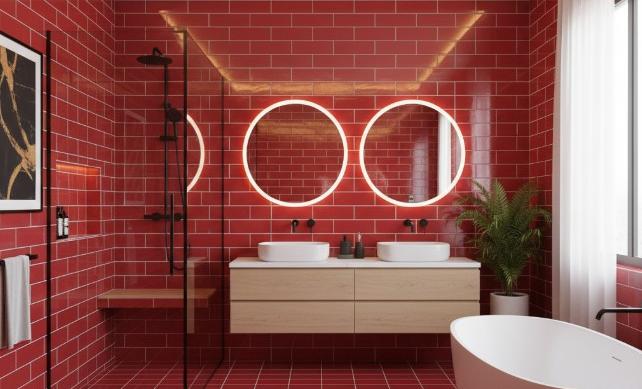
Bathrooms provide the perfect opportunity to experiment with subway tile layouts. In 2025, designers are creating spa-like atmospheres using subway tiles from floor to ceiling in shower enclosures. The waterproof nature of ceramic and porcelain tiles makes them ideal for wet areas, while various patterns add visual interest without requiring multiple tile types.
Vertical installations in showers create the illusion of height, making standard eight-foot ceilings feel more spacious. Alternatively, herringbone patterns on shower floors paired with stacked subway tiles on walls create dynamic contrast. This Old House's bathroom tile guide offers additional insights into proper installation techniques for wet areas.
Accent Walls and Half-Wall Treatments
Not every bathroom wall needs tile coverage. Strategic use of subway tiles as wainscoting or half-wall treatments brings traditional charm with modern flair. This approach is particularly effective in powder rooms where you want impact without the commitment of full-wall tile. Paint the upper walls in complementary colors to tie the design together.
Consider the NKBA planning guidelines when designing your bathroom tile layout to ensure proper proportions and functionality. Half-wall treatments work beautifully behind pedestal sinks or as a backdrop for freestanding tubs, creating focal points that enhance your bathroom's architectural features.
Practical Comparison: Subway Tile Layout Options
Layout Pattern | Best For | Visual Effect | Installation Difficulty | Cost Impact |
Horizontal Brick | Classic kitchens, traditional bathrooms | Timeless, clean, versatile | Easy | Low |
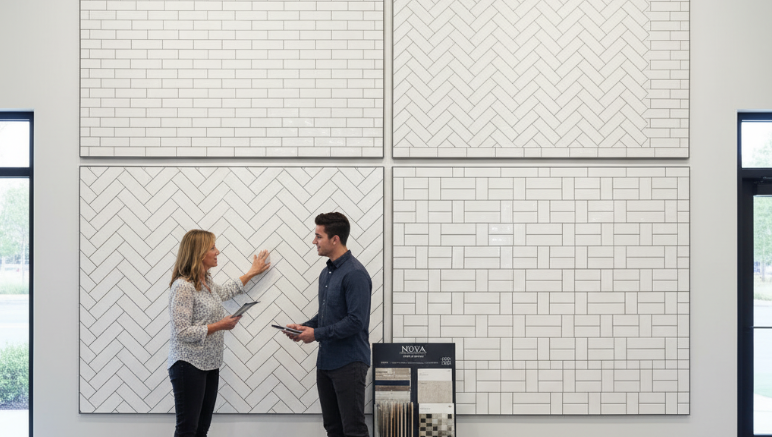
Herringbone | Statement backsplashes, accent walls | Dynamic, sophisticated | Moderate | Medium |
Vertical Stack | Modern bathrooms, contemporary kitchens | Height-enhancing, architectural | Easy-Moderate | Low |
Chevron | Feature walls, luxury spaces | Bold, directional, high-end | Difficult | High |
Basketweave | Powder rooms, accent areas | Textured, traditional | Moderate | Medium |
Pros and Cons of Popular Subway Tile Choices
Glossy Finish Subway Tiles
Pros:
- Reflects light, making small spaces feel larger
- Easy to clean with simple wipe-down
- Creates a classic, polished look that instantly elevates any space
- Enhances color vibrancy
Cons:
- Shows water spots and fingerprints easily
- Can create glare in bright lighting
- More slippery when used on floors
- Highlights installation imperfections

Matte Finish Subway Tiles
Pros:
- Hides minor imperfections and water marks
- Provides contemporary, sophisticated appearance
- Better slip resistance for floor applications
- Creates subtle, refined aesthetic
Cons:
- Requires more effort to clean grout residue
- Colors may appear less vibrant
- Can show staining more readily
- May need more frequent sealing
Step-by-Step Guide: Planning Your Subway Tile Project
Step 1: Measure and Calculate
Start by accurately measuring your space. Calculate the square footage of the area you'll tile, adding 10-15% extra for cuts and potential breakage. Sketch your layout on graph paper, noting obstacles like outlets, windows, or fixtures. This planning phase helps you visualize the finished project and communicate effectively with installers.
Step 2: Select Your Pattern and Materials
Visit Nova Tile and Stone locally to see tiles in person. Samples look different under your home's lighting than in stores or online. Decide on your pattern based on your space's proportions and desired aesthetic. Consider how your choice will age, opting for classic patterns if you plan to stay in your home long-term.
Step 3: Choose Coordinating Grout
Grout color significantly impacts your tile's appearance. Bring tile samples when selecting grout, testing different colors to see how they interact. Remember that dark grout with white tiles creates definition, while matching grout creates a seamless look. Consider grout width too; wider lines emphasize pattern while narrow lines minimize grout visibility.
Step 4: Prepare and Prime Your Surface
Proper surface preparation ensures successful installation. Walls must be clean, dry, and level. Use a cement backer board in wet areas to prevent moisture damage. Prime surfaces according to manufacturer specifications. This step prevents future problems like tile loosening or water damage.
Step 5: Install with Precision
Whether DIYing or hiring professionals, proper installation techniques matter. Start from a level reference point, typically centered on your wall or at eye level. Use spacers to maintain consistent grout lines, checking level frequently. Allow proper curing time before grouting, and seal grout according to product specifications for lasting beauty.
The Verdict: Classic with Contemporary Relevance
Subway tiles in 2025 are definitively not outdated. They've evolved into a versatile design element that adapts to current trends while maintaining timeless appeal. The key to keeping subway tiles fresh lies in thoughtful execution: choosing interesting patterns, embracing color, and using contrasting grout to create definition and personality.
The most successful subway tile installations balance trend awareness with personal preference. While herringbone patterns and dark grout dominate current design magazines, your choices should reflect your lifestyle and aesthetic preferences. Quality tiles properly installed will outlast fleeting trends, making them a smart investment for your home.
Choosing Quality Tiles for Lasting Beauty
The subway tile's enduring popularity stems from its fundamental quality: it's a beautiful, practical solution that works. When selecting tiles, prioritize quality over trendy embellishments. Well-made ceramic or porcelain tiles resist chipping, fading, and moisture damage, ensuring your investment pays dividends for decades.
Explore products Nova Tile and Stone carries to discover the range of quality options available. Look for tiles with consistent sizing, uniform color, and appropriate ratings for your intended use. Bathroom and kitchen applications require different specifications, so understanding these requirements helps you make informed decisions.
Consider working with design professionals who can help you navigate the vast array of choices. Browse tiles by type to understand differences between ceramic, porcelain, and glass options, each offering unique benefits for specific applications.
Conclusion
Subway tiles prove that classic design elements remain relevant when executed with contemporary sensibilities. The 2025 trends showcasing herringbone patterns, vertical installations, colored tiles, and dark grout demonstrate how this humble rectangle continues evolving. Whether you're renovating a kitchen backsplash or redesigning a bathroom, subway tiles offer versatility, durability, and timeless beauty that transcends temporary trends.
Ready to start your subway tile project? Visit Nova Tile and Stone to explore our extensive collection of subway tiles in various colors, sizes, and finishes. Our knowledgeable team can help you select the perfect tiles and patterns for your space, ensuring your investment looks beautiful for years to come. Don't settle for outdated design when you can create something timelessly modern. Learn more about Nova Tile and Stone and discover how we help homeowners transform their spaces with quality tile solutions.
Frequently Asked Questions
Are subway tiles still in style for 2025?
Absolutely! Subway tiles remain highly stylish in 2025, especially when installed using modern patterns like herringbone, vertical stacks, or chevron arrangements. Pairing traditional white subway tiles with dark grout or choosing colored options keeps the look fresh and contemporary while maintaining timeless appeal.
What is the best grout color for white subway tile?
While white grout creates a seamless, classic look, dark gray or charcoal grout is trending in 2025 for its ability to add contrast and hide stains. The best choice depends on your desired aesthetic: white grout for traditional elegance, dark grout for modern definition and easier maintenance.
How much does subway tile installation cost per square foot?
Professional subway tile installation typically costs between $8-$25 per square foot, including materials and labor. Complex patterns like herringbone or chevron may cost more due to additional labor time. DIY installation reduces costs significantly but requires proper tools, skills, and surface preparation.
Can I use subway tile on bathroom floors?
While subway tiles work better on walls, smaller formats can be used on floors with proper slip-resistant ratings. For bathroom floors, consider matte-finish subway tiles or add non-slip treatments. Most homeowners prefer subway tiles for walls and select different tiles specifically rated for floor applications.
What size subway tile should I choose for a small bathroom?
For small bathrooms, standard 3x6 inch subway tiles work well, as do slightly smaller 2x4 or 2.5x8 inch options. Larger tiles (4x12 or 3x9) can make small spaces feel bigger by reducing grout lines, but ensure they're proportionate to your space. Vertical installations also help small bathrooms feel taller.